
Ever wondered why washi tape is called “washi”? This delightful tape, often adorned with beautiful patterns, has roots that run much deeper than craft supplies. The term “washi” originates from the Japanese words for “Japanese paper,” reflecting its true essence: it’s a product of rich tradition and craftsmanship. Understanding the etymology of washi tape not only enhances your appreciation for it but also connects you to the centuries-old practices of Japanese artisans. As we dive into its origins, you’ll discover how this versatile tape blends art, culture, and functionality-perfect for your creative projects. Ready to explore the fascinating history behind the name? Let’s uncover the story together!
What Is Washi Tape and Its Cultural Significance?
Washi tape is more than just a decorative item; it’s a slice of Japanese culture wrapped in colorful patterns. Traditionally made from natural fibers like bamboo or the bark of the mulberry tree, washi tape embodies the spirit of craftsmanship that has been refined over centuries. Each roll tells a story, often reflecting the aesthetic values of Japanese culture-simplicity, beauty, and a deep connection to nature. The term “washi” comes from the Japanese words “wa” meaning “Japanese” and “shi” meaning “paper,” highlighting this unique connection to Japan’s rich artistic heritage.
The cultural significance of washi tape extends beyond mere functionality. It serves as a medium for artistic expression, allowing people to personalize their surroundings and projects. In Japan, washi tape is utilized not only in crafts but also in daily life-decorating planners, beautifying gifts, and enhancing artistic endeavors. Its versatility means it can be both a practical tool and an art form, bridging the gap between tradition and modern usage.
In recent years, washi tape has captured the global imagination, becoming a staple in crafting communities around the world. Its rise can be seen as part of a larger trend appreciating handmade and artisanal goods, which resonate with a growing desire for authenticity in an increasingly digital world. Artists and designers from various backgrounds incorporate washi tape into their work, pushing the boundaries of its traditional uses and showcasing its possibilities in contemporary artistry. Thus, washi tape stands not only as a decorative element but also as a symbol of cultural exchange, creativity, and the ongoing dialogue between past and present.
The Craftsmanship Behind Washi Tape Production
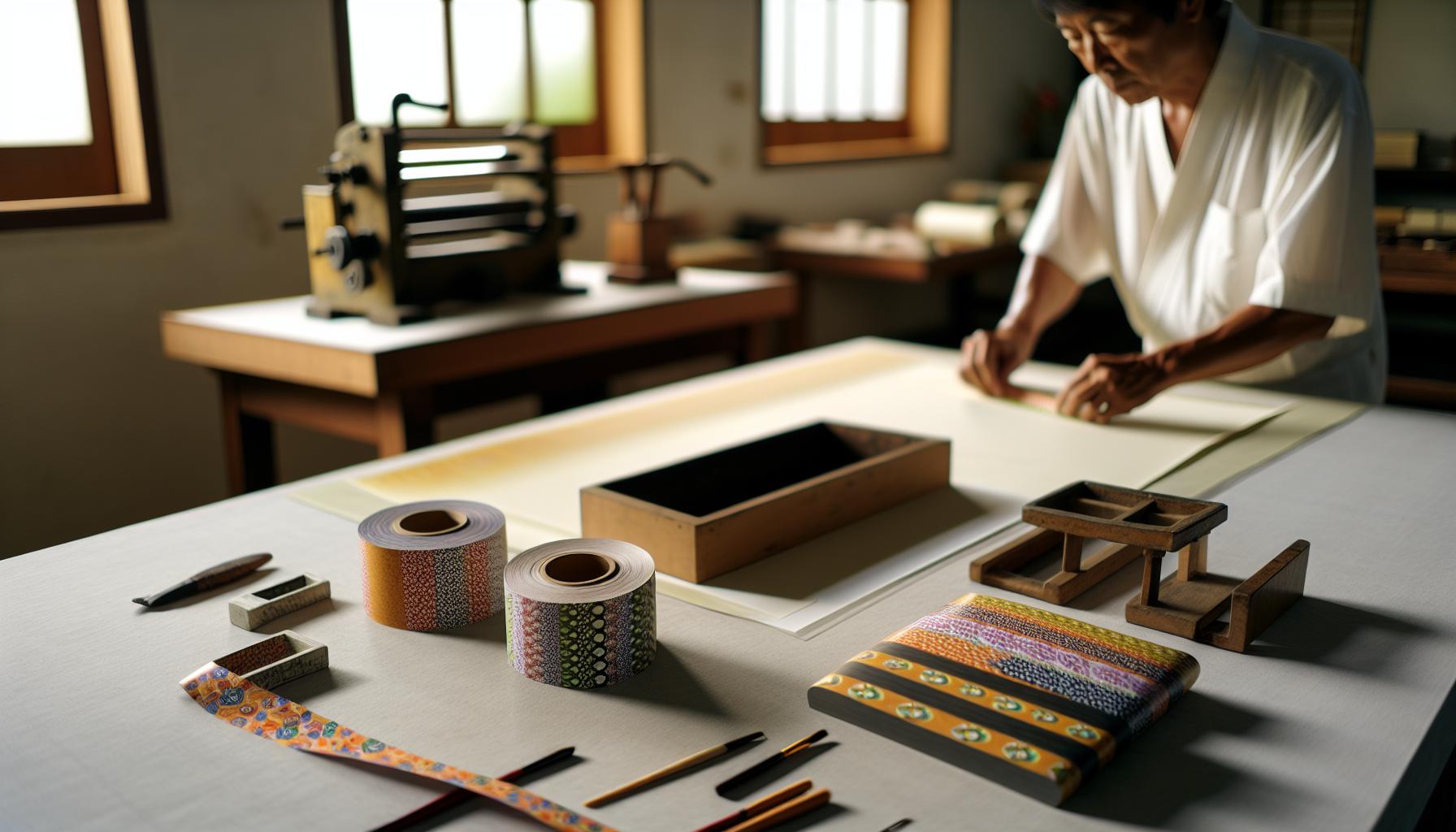
The process of crafting washi tape is a fascinating blend of traditional techniques and modern innovation. Originating in Japan, the artistry behind washi tape relies heavily on specific natural materials, notably the fibers of the mulberry tree, bamboo, or even rice. These materials are not just plentiful; they carry intrinsic qualities that make washi tape unique-its strength, flexibility, and eco-friendliness. The craftsmanship begins with harvesting the inner bark of these plants, which is then processed and beaten down to create a delicate yet resilient paper.
Once the paper is ready, artisans employ intricate printing methods to apply vibrant colors and designs. Traditional approaches include hand-stamping and block printing, methods that have been passed down through generations. These techniques ensure that each piece of washi tape retains a handcrafted quality, showcasing the skill and intention behind its design. Digital printing has entered the scene as well, allowing for more varied designs while still respecting the aesthetics of washi.
The name “washi,” literally translated as “Japanese paper,” emphasizes its deep cultural roots in Japan. Crafting washi tape is not just about production; it’s about maintaining a cultural legacy. The meticulous attention to detail mirrors the broader Japanese philosophy of beauty, which values simplicity and the impermanent nature of art. This is why when you choose washi tape, you are not just selecting a decorative item; you are connecting with a rich tradition of craftsmanship that spans centuries.
In the world of crafting, washi tape stands out not only for its practical uses but also for the story it tells. Each roll is a testament to the artistry, time, and tradition poured into its creation, making it a perfect choice for anyone looking to bring a touch of cultural richness to their projects. Whether you’re embellishing a journal or wrapping a gift, remember that you’re engaging with a piece of art that has been thoughtfully crafted with care.
Origins of the Name “Washi
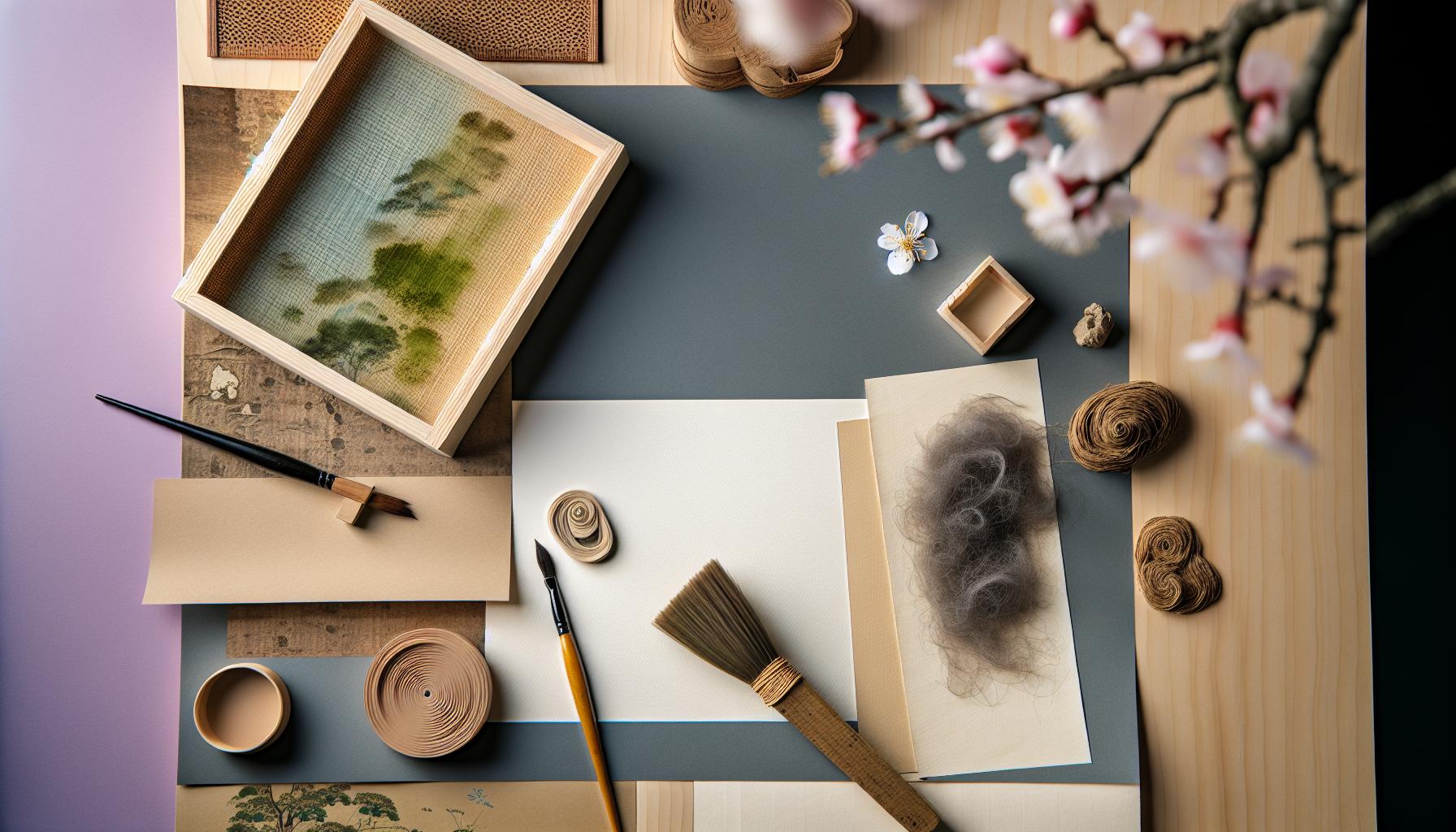
The term “washi” is deeply rooted in the cultural and linguistic fabric of Japan, derived from two Japanese characters: “wa” (和), which means “Japanese” or “harmony,” and “shi” (紙), meaning “paper.” This simple yet profound etymology underlines how washi intrinsically reflects Japanese aesthetics and techniques in paper-making. Traditionally, washi is crafted from the fibers of native plants such as the mulberry tree, taking advantage of their unique properties to create paper that is not only strong but also flexible and beautiful.
Washi is more than just a material; it represents a philosophy. The meticulous process of making washi paper-hand-harvesting, soaking, and beating the fibers-creates a tangible link to the land and the tradition that has been carried forward for generations. This connection is especially vital today, as washi artists strive to keep these time-honored practices alive in a world increasingly dominated by mass production. For many artisans, each sheet of washi is a canvas, allowing the infusion of personal touches and designs that resonate with the spirit of traditional Japanese craftsmanship.
When it transitioned into the production of washi tape, this cultural significance didn’t dissipate; instead, it evolved. The name “washi tape” signifies a continuity from the traditional to the modern. Washi tape encompasses not just utility but also the aesthetic value and cultural storytelling of washi paper. It allows the beauty and artisanal spirit of washi to be accessible, turning everyday items into opportunities for creativity and self-expression.
In essence, when you reach for a roll of washi tape, you’re engaging with a piece of Japanese heritage. You’re not just using tape; you’re celebrating a legacy of craftsmanship, mindfulness, and artistry that has been nurtured over centuries. Whether for decorating a scrapbook or enhancing home decor, the ” remind us that what you create can carry the weight of tradition, making your projects not just functional, but also meaningful.
The Evolution of Washi Tape in Japanese Culture
Washi tape’s journey within Japanese culture is a fascinating narrative of transformation. Historically, washi paper has been embraced in Japan for centuries, celebrated for its unique textures and artistic potential. Originally used in traditional crafts, calligraphy, and even religious scrolls, the delicate yet robust qualities of washi paper set the stage for the creation of washi tape in the late 20th century. This innovation allowed artisans to craft a product that not only preserved the aesthetics of washi but also made it accessible for everyday use.
The advent of washi tape effectively bridged traditional Japanese crafts with contemporary application. Artisans began producing washi tape in response to a growing demand from both crafters and consumers who sought an element of Japanese artistry in their daily lives. You see, washi tape is far more than just an adhesive; it embodies practicality and creativity, inviting users to explore their artistic expressions in new ways. As washi tape gained popularity in Japan, it infiltrated various aspects of daily life-from home décor to stationery-reflecting the Japanese principle of combining beauty with functionality.
This evolution is not merely a matter of consumer trend; it’s also a testament to the enduring significance of traditional craftsmanship. Modern washi tape retains the same handmade quality as washi paper, often created using traditional methods by skilled artisans. Each roll tells a story, echoing the diligent processes that have been honed over generations. Moreover, as it gains international recognition, washi tape also fosters cross-cultural exchanges, allowing people worldwide to appreciate and utilize this unique aspect of Japanese artistry in their own lives.
In short, the evolution of washi tape is a rich tapestry woven from history, art, and innovation. It’s not only a nod to its origins but also a celebration of how such a simple object can adapt and thrive within various contexts, making it a beloved item in both Japanese culture and global craft communities.
How Washi Tape Became a Global Trend
The influence of washi tape has surged globally, transforming it from a localized Japanese product into an essential item in the crafting and stationery worlds. This evolution stemmed from a convergence of factors: the rise of DIY culture, an increased appreciation for unique and artisanal products, and the internet’s power to connect creators with a worldwide audience.
Initially gaining traction in Japan, washi tape’s charm lies in its artistry and versatility. As crafters sought new ways to express creativity, washi tape offered a simple, yet elegant solution. Social media platforms like Instagram and Pinterest played a pivotal role, showcasing the endless possibilities that came with this decorative tape. Crafters began sharing stunning projects-scrapbooks adorned with delicate patterns, gifts wrapped with a personal touch, and daily planners transformed into works of art-all featuring colorful washi tape. This visual appeal demonstrated how washi tape could effortlessly elevate mundane tasks into creative expressions.
Moreover, the unique design aesthetic of washi tape captured the attention of consumers outside Japan. Its semi-transparent quality and ability to tear easily made it not just functional but also a medium for personal expression. International brands started to adopt and market washi tape, amplifying its presence in shops worldwide. From craft stores to high-end stationery retailers, washi tape became a staple, appealing to both serious crafters and casual enthusiasts alike.
As a result, washi tape has become a symbol of a broader trend towards personalization and creativity in everyday life. The act of decorating with washi tape allows individuals to express their identity and style, transforming ordinary objects into bespoke creations. Consequently, washi tape has secured its place not just in crafts but as a cultural phenomenon that continues to inspire creativity across borders.
Common Uses and Applications of Washi Tape
Washi tape, with its vibrant colors and intricate designs, isn’t just a decorative item; it’s a versatile tool that can elevate countless creative projects. From organizing your workspace to adding an artistic flair to your home, the applications of washi tape are as diverse as the patterns it boasts. This unique tape has transcended traditional uses, becoming a staple in both casual crafting and professional design.
One of the most popular uses for washi tape is in scrapbooking. Crafters love incorporating it into albums to create dynamic borders, highlight important dates, or simply add a splash of color. Unlike traditional adhesives, washi tape is easy to reposition, making it perfect for creating collage-style layouts without committing to a permanent placement. Whether you’re framing photos or layering embellishments, washi tape adds dimension and interest with minimal effort.
In addition to scrapbooking, washi tape shines as a decorative tool for gift wrapping. People are increasingly moving away from traditional wrapping papers and opting for personalized touches. A strip of washi tape can turn a plain box into a work of art, with its ease of use allowing for creative designs that reflect the recipient’s personality. Mix and match patterns for a unique look or use it to seal gift tags in place.
Washi tape is also gaining ground in home organization and decor. It can transform mundane items such as file boxes or storage bins into stylish accessories that add character to any space. By labeling and color-coding items using washi tape, you can create a system that is not only functional but also visually appealing. Additionally, using washi tape on walls or furniture can create temporary designs that are easy to remove, offering a way to refresh your space without the commitment of paint or wallpaper.
In detail, here are some common applications of washi tape:
- Crafting: Scrapbooking, card making, and DIY projects.
- Gift Wrapping: Personalizing presents with unique designs.
- Home Decor: Adding patterns to walls, furniture, and everyday items.
- Organization: Labeling and color-coding for easy identification.
- Stationery: Enhancing planners, journals, and notes with creativity.
The versatility of washi tape has undoubtedly made it a favorite among crafters and DIY enthusiasts. Its ability to beautify, organize, and personalize is unmatched, allowing users to explore their creativity without boundaries. So whether you’re a seasoned crafter or just starting, incorporating washi tape into your projects can spark inspiration and transform everyday tasks into extraordinary artistic expressions.
Differences Between Washi Tape and Other Tapes
Washi tape stands apart from other types of adhesive tape in several significant ways, making it a favorite among crafters and DIY enthusiasts. First and foremost, the material itself sets washi tape apart. Made from traditional Japanese paper, washi tape is soft and pliable, offering a different texture and aesthetic compared to plastic-based tapes like masking tape or duct tape. This uniqueness allows it to wrap sturdily around corners and curves without tearing easily.
Unlike standard masking tape, which is designed mainly for painting or protection, washi tape serves as a decorative element. Its low-tack adhesive allows for easy repositioning, giving you the flexibility to adjust your design without damaging the surface underneath. With washi tape, you can create intricate layers in your scrapbooks or adorn your planners, knowing that it won’t leave behind sticky residue after removal.
While other tapes often come in limited colors and widths, washi tape boasts a stunning variety of patterns, colors, and widths. This extensive selection enables crafters to find the perfect tape for any project, whether it’s bright florals for a gift wrapping project or subtle pastels for a minimalist design. Washi tape is about creativity and expression, allowing users to personalize their items effortlessly.
Another critical difference is durability. Though it’s perfect for temporary applications and light decorative use, washi tape isn’t meant for high-stress or permanent fixes like duct tape or double-sided tape. Instead, it embraces a lifestyle of flexibility-ideal for those who enjoy changing their decor frequently without the commitment of traditional tapes. The result is a unique blend of art and function, setting washi tape apart as not just a tool but also a medium of personal expression.
In summary, when you choose washi tape, you’re not just selecting an adhesive; you’re opting for a versatile tool that marries aesthetic beauty with practical application, embodying a spirit of creativity that’s as rich as its cultural heritage.
Exploring Variations of Washi Tape Designs
Washi tape is celebrated for its stunning array of designs, each reflecting the rich Japanese artistry it originated from. But where does this beautiful variety come from? The name “washi” itself is derived from the Japanese words “wa,” meaning “Japanese,” and “shi,” which translates to “paper.” This etymology hints at washi tape’s deep cultural roots, as it encapsulates centuries of craftsmanship. The paper used in washi tapes is traditionally made from natural fibers like kozo (mulberry), which contributes to its unique characteristics, such as being lightweight yet durable, flexible, and easy to print on.
Exploring the different styles and patterns of washi tape reveals an endless source of inspiration for crafters. Craft stores now offer selections ranging from delicate florals and intricate geometrics to whimsical characters and seasonal themes. This variety allows you to express your individual style. Whether you’re decorating your planner or wrapping a gift, there’s a washi tape for every occasion. Here’s a quick rundown of popular design categories:
- Nature-Inspired Designs: Featuring floral motifs, animal illustrations, and landscape scenes, these tapes evoke tranquility and harmony.
- Minimalist Patterns: Clean lines and subtle colors appeal to modern aesthetics, perfect for understated elegance.
- Cultural and Festive Themes: Tapes adorned with traditional Japanese patterns or holiday motifs provide a festive touch.
- Whimsical and Playful Styles: Cartoon characters, bright colors, and fun illustrations bring a sense of joy and nostalgia.
Every roll of washi tape tells a story, reflecting not just the artistic vision of the designers but also a modern adaptation of an age-old craft. By blending traditional techniques with contemporary designs, washi tape has become a canvas for creativity that transcends cultures. As you select washi tape for your projects, consider how these various styles can enhance your personal expression and creativity. Each piece you choose not only beautifies but also connects you to a long-standing tradition steeped in cultural significance.
Impact of Washi Tape on Crafting and DIY Culture
Washi tape has truly revolutionized the crafting and DIY landscape. What started as a traditional Japanese paper crafting method has blossomed into a global phenomenon, beloved by crafters, planners, and everyday creators. The appeal of washi tape lies in its versatility-it can transform even the most mundane items into artistic expressions. Whether adorning a simple notebook or elevating a gift, washi tape empowers individuals to infuse their personality and creativity into their projects.
One of the most significant impacts of washi tape on DIY culture is its accessibility. It invites everyone-regardless of skill level-to participate in crafting. You don’t need advanced techniques or extensive tools; just a roll of tape and a bit of imagination. This democratization has fostered a vibrant community where ideas and designs flow freely, inspiring countless tutorials, social media challenges, and artistic collaborations. For many, creating with washi tape becomes a shared experience, bonding friends and family over crafting sessions or online forums.
Creative Uses and Endless Possibilities
The creative uses for washi tape are as boundless as the designs available. Here are a few ideas to spark your imagination:
- Personalizing journals and planners: Use washi tape to frame notes, highlight important dates, or create visual bookmarks.
- Gift wrapping: Secure and embellish wrapping paper, or even use it as gift tags for a charming touch.
- Wall art and home decor: Create temporary patterns on walls, or add visual interest to picture frames and vases.
- Scrapbooking: Enhance your pages with washi tape borders or as an accent to photos and memorabilia.
The love for washi tape extends beyond crafting; it has also influenced design trends in stationery and home decor. Many artists and small businesses are now creating stunning lines of washi tape, showcasing their unique styles, and emphasizing sustainability through eco-friendly materials. This new trend not only supports independent creators but also encourages consumers to make thoughtful purchasing decisions.
Ultimately, washi tape represents more than just a crafting tool. It embodies a movement that celebrates creativity, individual expression, and community. As you explore the world of washi tape, you’ll discover that it’s not only about the designs or patterns; it’s about the stories you create and the connections you foster through your craft. Whether you’re a seasoned crafter or a curious beginner, washi tape is an invitation to unleash your creativity and delight in the process.
How to Choose the Right Washi Tape for Your Needs
Choosing the right washi tape can be both an exciting and daunting task, especially with the vast array of styles and sizes available. The name ‘washi’ itself refers to traditional Japanese paper, and understanding this can enhance your appreciation and selection process. Each roll of washi tape embodies not only artistry but also a rich cultural heritage.
When considering your options, think about the purpose of your project. For example, if you’re looking to add flair to journals or planners, opt for tapes with vibrant patterns. If your project requires a more subtle touch, a pastel or monochrome design might be ideal. Washi tape tends to come in various widths, so consider what size will work best for your application, whether it’s decorating a scrapbook or wrapping gifts.
Additionally, pay attention to the adhesive quality of the washi tape. Some tapes are repositionable and easy to remove without damage, making them perfect for temporary art or layouts, while others may have a stronger hold suitable for long-term usage. Test a few types to see what works best for your projects.
Lastly, explore the design variety. From playful illustrations to elegant floral patterns, each design tells a story. Look for tapes that resonate with your style or the theme you’re working on. Artist-designed tapes, often found in specialty shops, can add unique character to your work and may become talking points in your crafting community. So, dive in, experiment, and enjoy the journey of infusing your projects with the unique beauty of washi tape!
Washi Tape: A Blend of Tradition and Modernity
The term “washi” combines the Japanese words for “Japanese” and “paper,” signifying a rich artistic tradition that’s both deeply cultural and remarkably versatile. Washi tape, made from this traditional paper, merges age-old craftsmanship with modern practicalities, marrying form and function in a way that resonates with both artisans and casual crafters. This blend of tradition and contemporary style reflects not only in the materials used but also in how it has been embraced across various creative fields.
Washi’s allure is rooted in its history. Traditionally, artisans have crafted washi paper for centuries using natural fibers from plants like kozo, ganpi, and mitsumata. This process isn’t just about creating sturdy paper; it embodies a meticulous attention to detail and respect for nature’s resources. Today, while the production methods may incorporate modern technology, the spirit of this craftsmanship remains. Many contemporary washi tapes still reflect the intricate designs and textures characteristic of handmade paper, bringing a piece of Japanese heritage into the homes and hands of people worldwide.
In recent years, washi tape has transitioned from niche crafting supplies to mainstream decor items, finding utility in scrapbooking, gift-wrapping, art journaling, and more. People are drawn to its easy application and removability, allowing for creativity without the fear of permanent mess. Its vibrant colors and patterns can transform everyday items-think adorning a plain notebook or personalizing a smartphone case-making each piece truly unique, yet steeped in history. The ability to convey a sense of cultural appreciation while still being a functional tool is what sets washi tape apart in today’s global market.
Ultimately, washi tape serves as a canvas for expression, bridging the gap between craftsmanship and everyday practicality. Whether you’re an artist seeking inspiration or someone simply looking to beautify your surroundings, choosing washi tape means engaging with a tradition that’s as relevant today as it was centuries ago. Embrace this blend of old and new, and let your creativity flow freely with this versatile medium.
Q&A
Q: What does “Washi” mean in Japanese?
A: “Washi” (和紙) translates to “Japanese paper” in English. The term “wa” (和) means “Japanese” or “harmony,” while “shi” (紙) means “paper.” This reflects the paper’s cultural roots and connection to Japanese craftsmanship. Explore more about its significance in the culture in our article.
Q: How is Washi different from other types of paper?
A: Washi is distinct due to its handmade process and the unique fibers used, primarily from the gampi, mitsumata, and paper mulberry plants. This results in a durability and texture that differentiate it from conventional paper products. Learn about its craftsmanship in detail in our section on production techniques.
Q: Why is Washi Tape popular in crafting?
A: Washi Tape is loved in crafting due to its versatility, ease of use, and the ability to remove it without damage. Its aesthetic appeal comes from vibrant designs and patterns, making it ideal for decorative purposes. Check our section on common uses for creative ideas.
Q: When was Washi Tape first used?
A: While traditional Washi dates back over a millennium, Washi Tape specifically gained popularity in the 2000s as a decorative adhesive tape. It has since evolved into a must-have in DIY and craft communities. Dive deeper into its evolution in our related article section.
Q: Can you use Washi Tape for everyday purposes?
A: Absolutely! Washi Tape is great for labeling, decorating, wrapping gifts, or personalizing planners. Its reusability allows for creative experimentation without commitment. Explore our guide on choosing the right Washi Tape for practical applications.
Q: What types of designs are common on Washi Tape?
A: Washi Tape features a vast array of designs, including floral patterns, geometric shapes, and seasonal themes. These designs reflect both traditional Japanese artistry and modern trends, catering to varied aesthetic preferences. For a closer look at variations, refer to our dedicated section on designs.
Q: Is Washi Tape environmentally friendly?
A: Yes, Washi Tape is often considered environmentally friendly. Made from natural plant fibers, it is biodegradable and typically produced through sustainable practices. This quality makes it a preferred choice among eco-conscious crafters. For more insights, check our section on cultural significance.
Q: How do I choose the right Washi Tape for my project?
A: To select the right Washi Tape, consider factors like the design, width, and adhesive strength. If your project requires a temporary solution, opt for thinner tapes. For detailed guidance, our article section on choosing Washi Tape offers valuable tips.
Closing Remarks
Now that you know the fascinating origins of the term “washi tape,” you’re probably eager to explore its creative uses and the craft of making washi itself. Washi tape isn’t just a tool; it’s a gateway to art and personalization! Dive deeper into the beauty of traditional washi paper by checking out our guide on its unique production methods and diverse applications [[1]].
Want to elevate your projects with authentic washi tape? Discover the top sources for high-quality washi products in our comprehensive buying guide [[2]]. And don’t miss our article on the numerous artistic possibilities of washi [[3]].
Before you go, have questions or insights? We’d love to hear from you in the comments! Engage with our community and subscribe to our newsletter for the latest tips and trends. Keep unlocking the world of washi and let your creativity flourish!