
When it comes to crafting, decorating, or simply organizing your space, the right tape can make all the difference. Did you know that washi tape and masking tape, though often used interchangeably, serve very different purposes? Washi tape is a decorative, paper-based tape ideal for styling and personalizing your projects, while masking tape is designed for bold, temporary solutions, perfect for painting or quick fixes. Understanding these differences not only helps you choose the right tape for your needs but also enhances your creative potential. Whether you’re a DIY enthusiast or just tackling everyday tasks, knowing which tape to use can elevate your projects and keep your space looking sharp. Let’s dive into the unique characteristics of washi and masking tape so you can make informed choices that bring your creative ideas to life!
What Is Washi Tape? A Comprehensive Guide
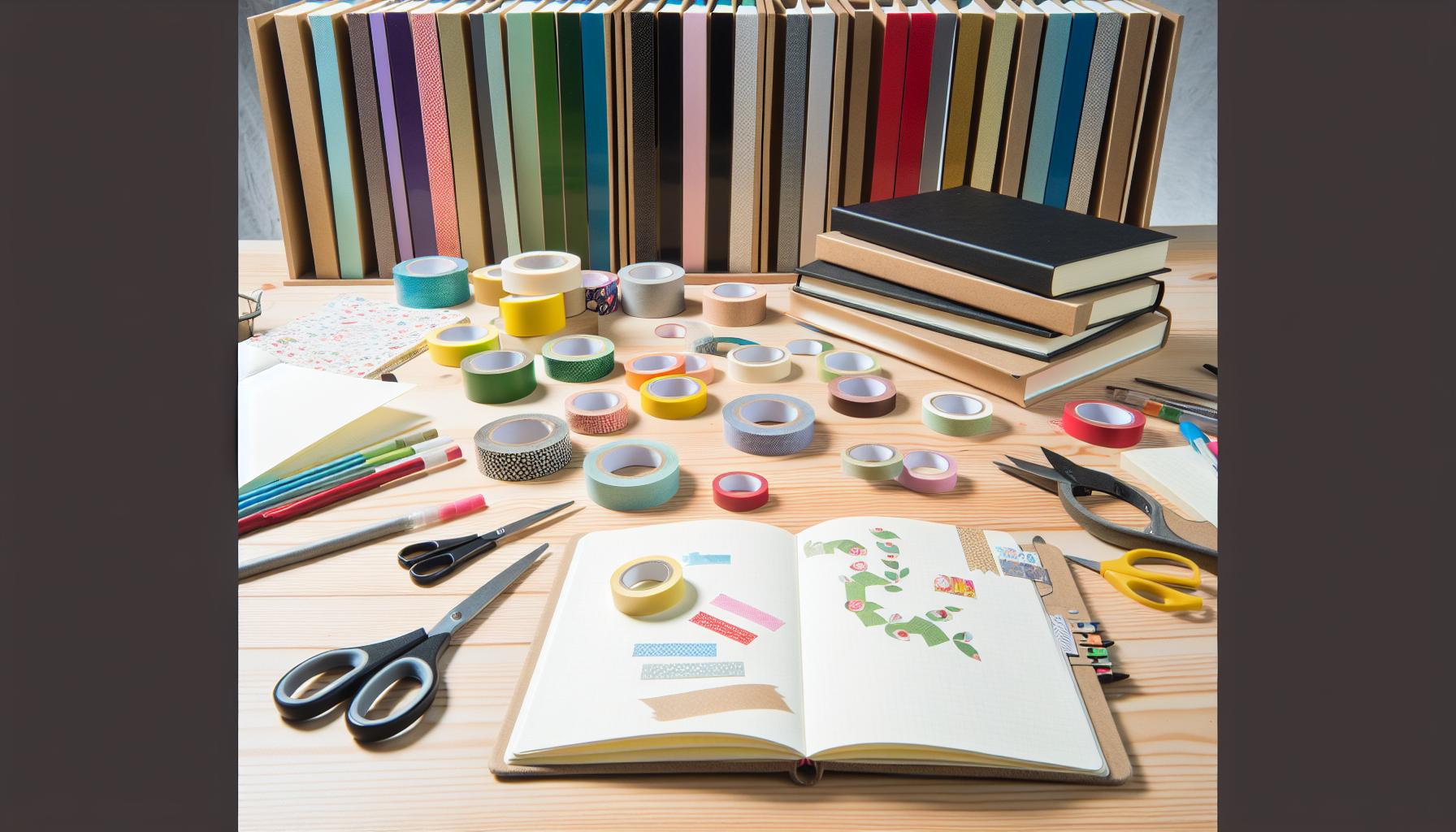
Washi tape is more than just a decorative adhesive; it’s a versatile tool that opens up a world of creative possibilities. Originating from Japan, this paper tape is made from the bark of the mulberry tree, which gives it strength while maintaining a delicate and flexible quality. Unlike traditional tape, washi tape features beautiful prints and vibrant colors, making it perfect for adding a personal touch to your projects. Its low-tack adhesive allows for easy repositioning and removal without leaving any sticky residue behind, making it ideal for crafters, DIYers, and even professionals.
One of the standout features of washi tape is its sheer variety. You can find everything from floral patterns and geometric designs to minimalist styles. This makes it not only a functional item but also an essential component in arts and crafts, scrapbooking, and home decor. Whether you’re looking to jazz up a journal, create custom gift wrap, or manage your workspace, washi tape is incredibly user-friendly and accessible.
What sets washi tape apart from traditional masking tape is its aesthetic appeal and versatility. While masking tape is primarily designed for painting and securing items, washi tape brings a decorative flair to every use. You can easily use washi tape to personalize your home or office; apply it to light switches, picture frames, and even furniture for a unique touch. The only limit is your imagination!
For those just starting with washi tape, here are a few quick tips to harness its potential:
- Experiment with layering different patterns for a whimsical look.
- Use it to create temporary decor that can easily be changed out.
- Incorporate it into your planners and bullet journals for fun organization.
In summary, washi tape isn’t just a stationery item; it’s a creative resource that encourages experimentation and self-expression. Whether you’re embellishing a project or simply looking for a way to organize your space, washi tape proves that practical tools can also be beautiful.
Understanding Masking Tape: Features and Uses
When it comes to tape, many people mistakenly think all varieties are the same, but masking tape brings its own unique features and uses to the table. This type of tape is designed primarily for projects that require clean lines, such as painting or crafting. It’s typically made from a thin paper backing that allows for easy tearing, which is a huge bonus when you need to quickly measure out lengths. One of its most notable advantages is its adhesive quality that can easily bond surfaces without damaging them upon removal-great for temporary applications.
Masking tape comes in different widths and colors, making it versatile for various projects. You might find yourself using a narrow strip for smaller detail work or a wider piece to block off larger areas. If you’re working on a painting project, you can apply it to edges or already painted areas and achieve crisp, professional-looking lines. Besides painting, it’s also handy for labeling, bundling items together, and even holding small objects while glue sets.
Another practical application is in organizing. You can use masking tape to label boxes, files, or any containers at home or work, simplifying your life when you need to find things quickly. It’s also an excellent tool for DIY projects; for example, if you’re creating a photo wall, masking tape can help you position photos perfectly without committing to permanent adhesive.
Finally, it’s worth noting that while masking tape is great for its intended use, there are tips to maximize its benefits. Store it in a cool, dry place to maintain its adhesive properties and ensure clean removal later. If you ever find the adhesive too strong for your project, placing it on your clothes a few times can help reduce its tackiness before application.
In summary, masking tape is not just an ordinary tape. Its functionality ranges from painting and crafting to organizing and labeling, providing a reliable option for various projects while ensuring a clean, professional finish.
Key Differences Between Washi Tape and Masking Tape
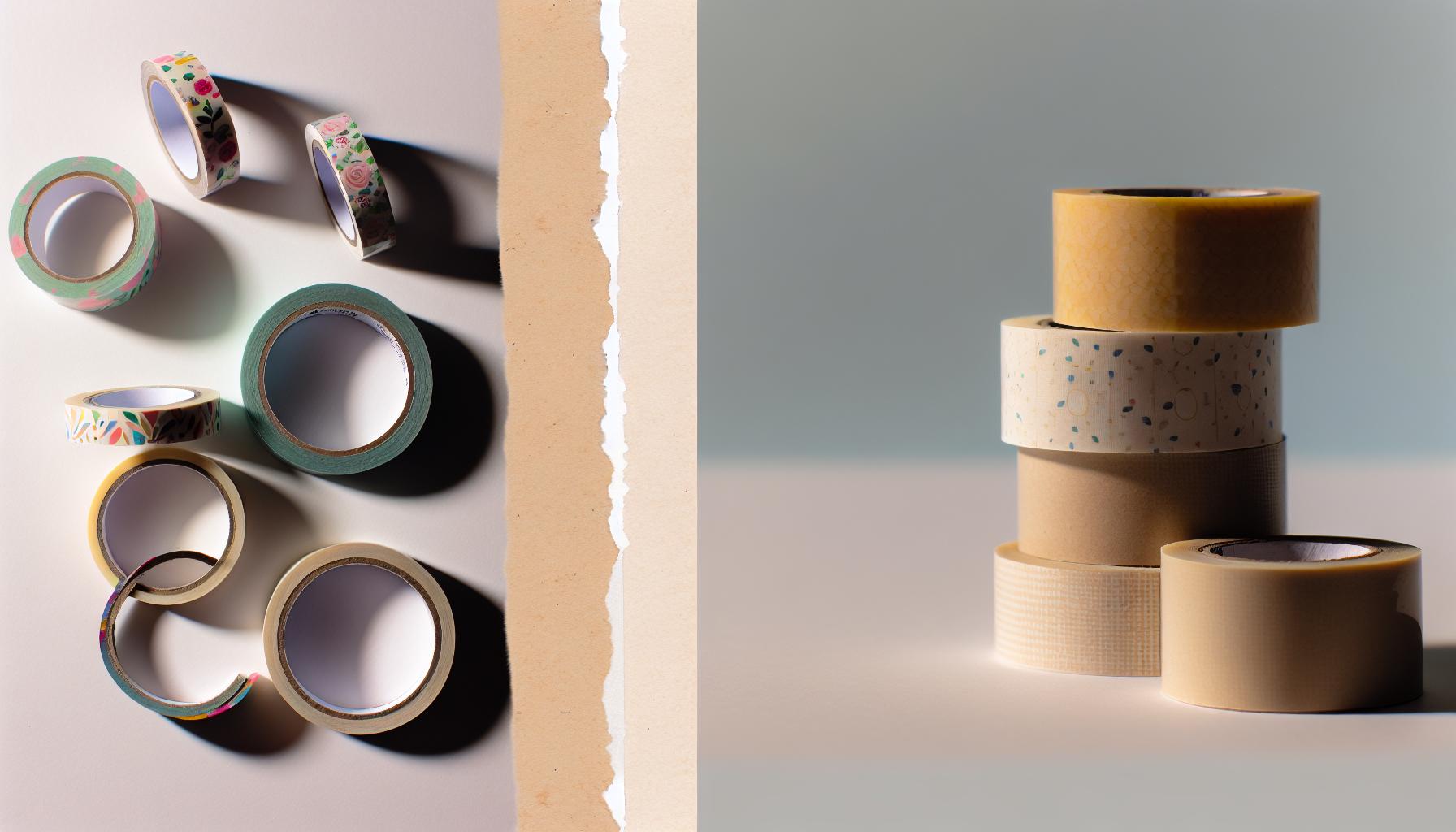
When it comes to choosing between washi tape and masking tape, understanding their distinct characteristics can save you time and effort in your projects. Both serve different purposes, yet their differences can often be overlooked. Washi tape is known for its decorative value and gentle adhesive. It’s made from a thin, often colorful paper, making it easy to tear by hand and reposition without causing damage to surfaces. This feature is particularly useful for decorative applications like scrapbooking or journaling, where aesthetics are key.
On the other hand, masking tape is designed for more practical applications. It’s stronger, has a more aggressive adhesive, and is made for projects that require precision and clean lines, such as painting or crafting. The thickness and sturdiness of masking tape make it ideal for tasks that involve straight edges or for covering areas that need to stay paint-free. For instance, when you’re painting a room, masking tape can help you achieve sharp borders that give a professional finish.
Another key difference lies in their durability and finish. Washi tape is often semi-transparent and comes in a variety of whimsical patterns, but it may not hold up well in terms of strength compared to masking tape. However, its reusability makes it a favorite for those who like to change things up frequently-just peel it off and place it elsewhere without worrying too much about residue. Conversely, if you need a tape that will stay put under more demanding conditions or for a longer duration, masking tape will likely be your go-to option.
In summary, your choice between washi and masking tape should hinge on the specific needs of your project. For decorative purposes, go for washi; for projects that require precision and strength, stick with masking tape. Understanding these differences allows you to select the right tool for your crafting or DIY endeavors, ensuring both functionality and flair in your work.
Popular Uses for Washi Tape in Crafts
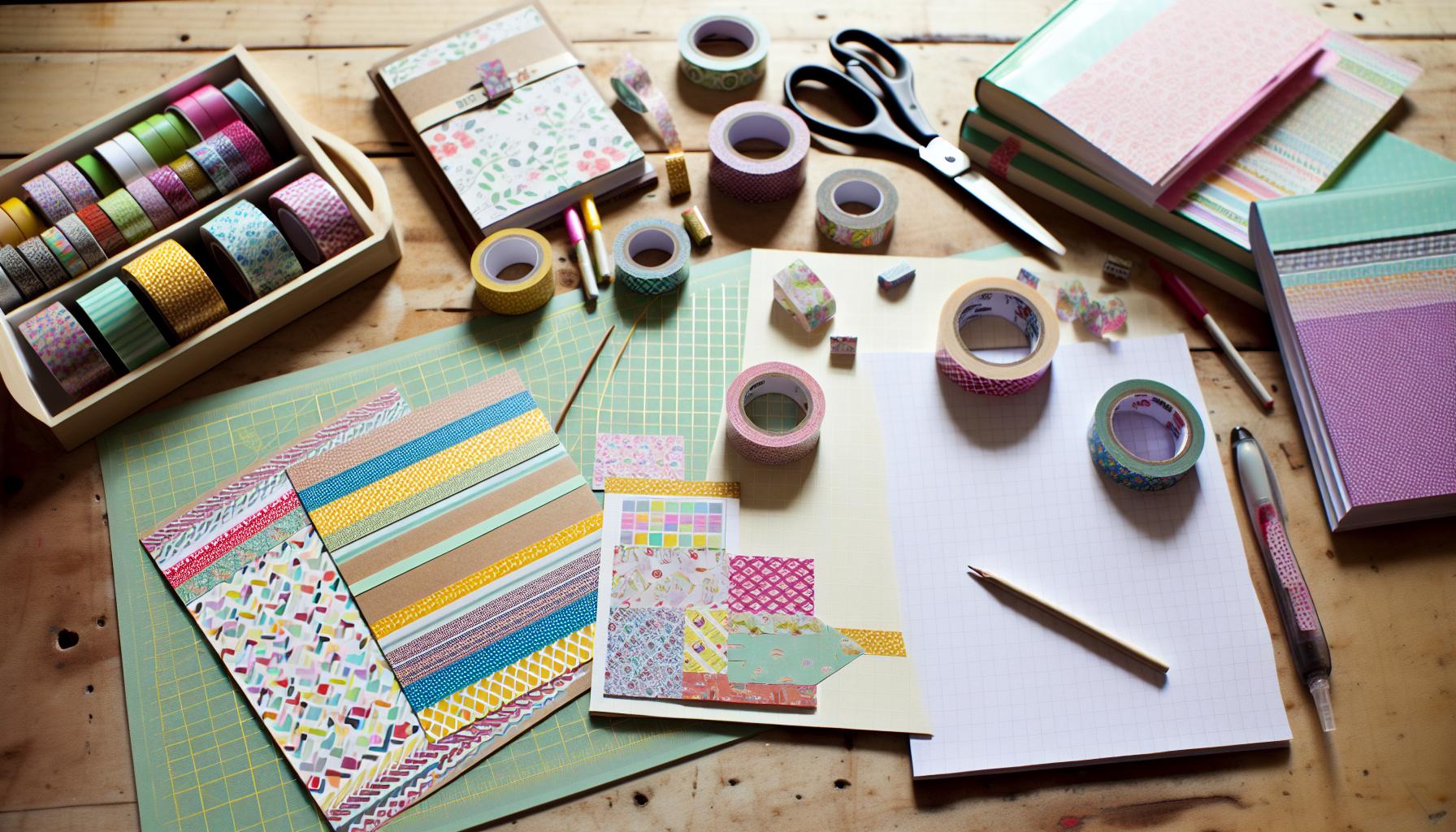
Washi tape isn’t just tape-it’s a canvas for creativity. This versatile little roll of decorative paper has taken the crafting world by storm, and once you see its dazzling array of colors and patterns, you’ll understand why. Whether you’re a seasoned scrapbooker or just looking to add a splash of personality to your projects, washi tape’s charm lies in its ability to enhance without overpowering.
One of the most popular uses for washi tape is in scrapbooking. The lightweight, easy-to-tear material makes it perfect for embellishing pages. You can create borders, highlight photos, or separate sections without the guilt of using permanent adhesives. Plus, since it’s repositionable, you can change layouts at will without ruining your precious photographs.
Another fun application is in planning and journaling. Many enthusiasts use washi tape to decorate their planners, marking important dates, and adding color to mundane notes. You can create sections in your planner, adorn your bullet journal with artistic designs, or even highlight motivational quotes. The beauty is in the details, and washi tape adds that perfect touch of whimsy.
Gift wrapping is where washi tape truly shines. Forget plain ribbons-use washi tape to secure wrapping paper, create personalized gift tags, or make unique decorative strips. It not only secures the package but also elevates the entire gift’s presentation, making it look professionally wrapped.
In home décor, washi tape can make a significant impact without a big commitment. Use it to outline picture frames on walls, create temporary art installations, or even jazz up everyday items like phone cases and notebooks. With its removable nature, you’re free to experiment with layouts and designs until you find what feels right.
Incorporating washi tape into your crafting toolkit opens up a world of possibilities. So go ahead, let your imagination run wild!
Practical Applications of Masking Tape in Projects
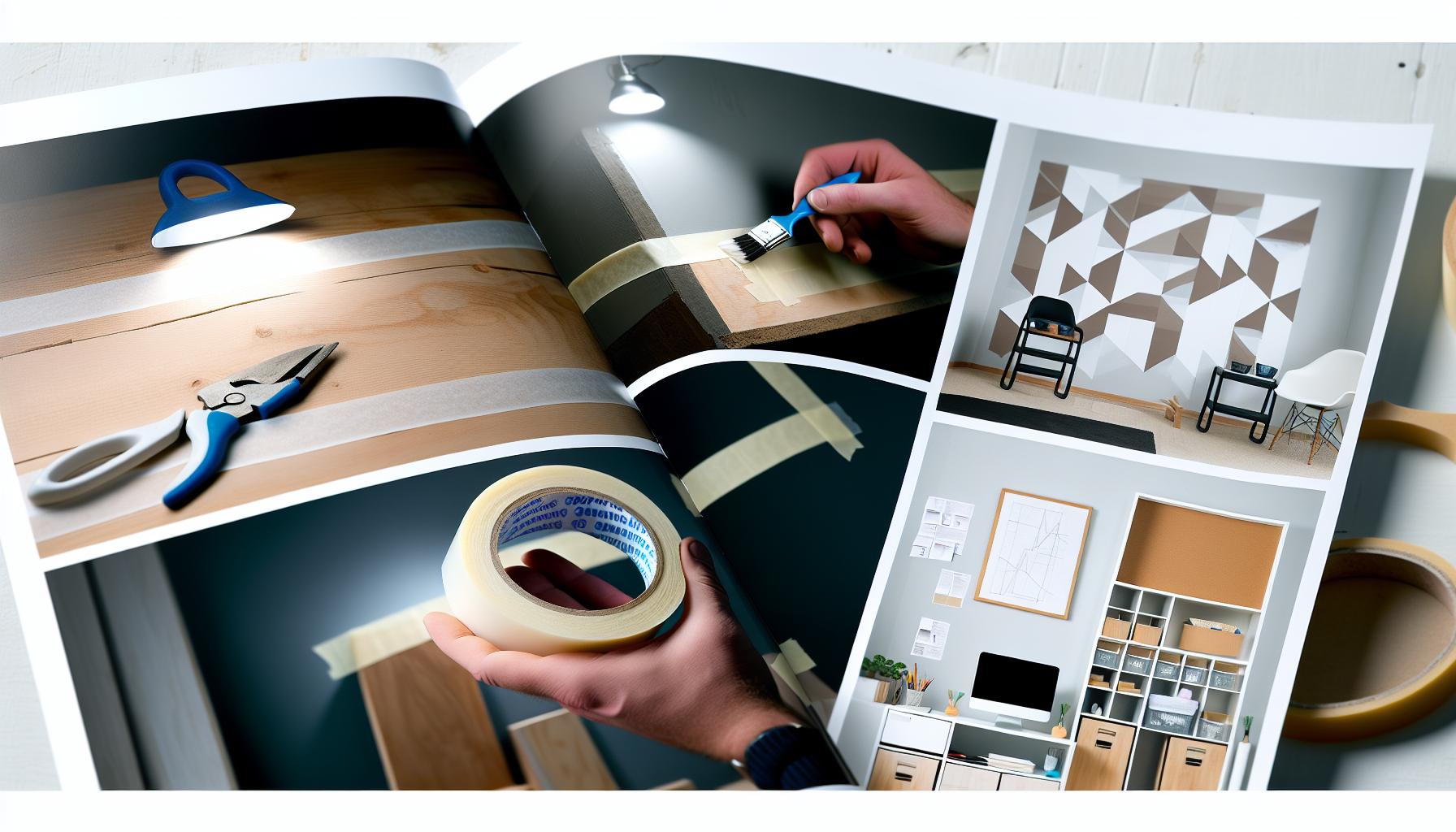
When it comes to tackling various projects, masking tape is a true workhorse. It’s often underestimated, but its versatility and functionality can make a significant difference in your DIY endeavors. Whether you’re painting, crafting, or organizing, masking tape offers unique benefits that cater to a range of tasks.
One of the standout features of masking tape is its ability to create clean lines. When painting, for instance, you can apply it along edges to prevent overlapping colors, ensuring a professional finish. This is particularly important if you’re layering different paint colors or working on intricate designs. Just tear off the desired length, stick it down, and you’re ready to paint without the worry of messy edges.
Aside from painting, masking tape shines in organizing supplies and preparing for events. Use it to label boxes during a move or to mark off areas on floors for spacing before furniture arrangement. It’s also great for temporary bonding during crafts, letting you hold pieces together while your adhesive sets. The peel-off nature of masking tape means it leaves minimal residue behind, which means less cleanup when you’re done.
In the realm of crafts, masking tape’s simplicity also allows for easy use in creating patterns or shapes. Want to make geometric designs on a canvas? Stick down the tape in your desired layout, paint over it, and remove the tape once dry to reveal sharp lines. Whether you’re making art or completing a craft project with kids, masking tape’s straightforward application makes creativity accessible and fun.
Overall, incorporating masking tape into your toolkit not only enhances your projects but also brings a level of professionalism you might not expect. Its effectiveness spans across many domains, from home improvement to arts and crafts, proving that sometimes, the simplest tools can make the biggest impact. So next time you reach for tape, consider the many ways masking tape can elevate your work!
How to Choose the Right Tape for Your Needs
Choosing the right tape for your projects can significantly impact the outcome, whether you’re crafting, painting, or organizing. Understanding the strengths and weaknesses of each option is key. Washi tape, renowned for its decorative qualities, is perfect for adding flair to scrapbooks or gifts, while masking tape stands out for its practical function in painting and home improvement tasks.
When deciding which tape to use, consider the specific requirements of your project. Here are some essential factors to guide your choice:
- Adhesion Strength: Masking tape offers stronger adhesion compared to washi tape, making it ideal for tasks that require reliable sticking, such as painting or securing heavy materials. Washi tape is lighter and great for temporary applications.
- Surface Compatibility: If you’re working on delicate surfaces, washi tape is a better option since it peels off easily and usually doesn’t leave residue. For surfaces like wood or drywall, masking tape’s stronger grip is beneficial.
- Aesthetic vs. Practicality: If your goal is to create visually appealing decor or crafts, washi tape’s variety of colors and patterns can enhance your project’s look. For straightforward tasks that require precision, you’ll want the clean edges that masking tape provides.
- Duration of Use: Are you looking for a temporary solution or a long-lasting fix? For temporary applications, such as color-coding or labeling, washi tape is an excellent choice. For more permanent uses, especially in construction or renovation, masking tape’s durability is superior.
In most cases, having both types of tape in your toolkit can provide the flexibility you need for a wide array of projects. So, assess your project requirements, and choose the tape that aligns best with your goals, ensuring a seamless and effective process.
Creative Ideas for Using Washi Tape
Washi tape is a versatile tool that can transform mundane items into beautiful works of art. Its lightweight and removable nature empowers even the most cautious crafters to experiment boldly. Here are some creative ways to incorporate washi tape into your projects.
Start with your everyday items. Whether it’s your phone case, notebooks, or even home decor, a splash of washi tape can add personality in no time. Consider wrapping your favorite pen in a colorful design. This adds a custom touch and makes finding your pen much easier in a cluttered drawer. Not only does it look good, but the tape also serves a practical purpose by enhancing grip.
One of the most popular uses is in card-making or scrapbooking. Use washi tape to create borders or frames around your photos. Its variety of colors and patterns can be a crucial element in telling your story on paper. Layering different tapes can create intriguing textures and depth, making your project stand out. Plus, it’s a quick way to add dimension without the need for advanced techniques.
If you’re into home organization, try labeling boxes or jars with washi tape. It’s a great alternative to traditional labels, allowing you to easily switch things up whenever you want a new look. Write the contents on the tape with a permanent marker, and when it’s time for a change, you can simply peel it off without residue.
Finally, think beyond the ordinary by creating wall art. Adorn a blank wall with geometric shapes formed from colorful strips of washi tape. It’s an easy and non-permanent way to change your space’s aesthetic. Using washi tape allows for experimentation without the commitment of paint or permanent fixtures.
These ideas barely scratch the surface! Let your creativity flow, and remember, the only limit is your imagination.
Tips for Effectively Using Masking Tape
Using masking tape effectively can elevate your projects and ensure professional results, whether you’re painting walls or crafting. Did you know that one of its most valuable features is clean removal? That’s right – when you use masking tape properly, you can achieve razor-sharp lines and easily peel it off without damaging the surface underneath. Here are some tips to help you make the most out of your masking tape.
First, always clean the surface where you’ll apply the tape. Dust, dirt, and grease can impact the adhesive strength, leading to paint bleed or smudged projects. So, give your area a good wipe down before going ahead. When applying the tape, ensure it’s pressed down firmly, especially at the edges. This is crucial for preventing leaks during paint jobs. A quick run of your finger along the edge can help seal it down effectively.
Next, consider the width of the tape you’re using in relation to your project. For tight corners or intricate designs, a narrower tape can offer more precision. Conversely, broader tape works well for larger areas, minimizing the need for multiple layers. If you’re working on a painting project, a trick is to pull the tape off at a 45-degree angle. This helps reduce the risk of tearing the paint, leaving you with clean edges.
Another pro tip is to apply a coat of sealer or the same paint color over the tape before using a different color. This prevents darker colors from seeping under the tape and ruining your clean lines. It may seem tedious, but this technique can vastly improve the overall look of your finished project and is well worth the extra time.
Finally, remember that masking tape isn’t just for painting projects. It can be a lifesaver in crafting, organizing, and even DIY decor. Always keep some on hand for label-making, creating straight edges in scrapbook layouts, or generating guidelines for drawing. The versatility of masking tape makes it a go-to companion in your creative toolbox. Happy crafting!
Washi Tape vs. Masking Tape: Cost Comparison
When diving into the world of tapes, especially washi tape and masking tape, many wonder how the costs compare. Here’s the deal: both types of tape serve different purposes, and that plays a big role in their price points. Generally, you’ll find that washi tape tends to be more expensive than standard masking tape. This higher price reflects the unique qualities of washi tape, including its decorative patterns, low-tack adhesive, and versatility for crafts.
To break it down, here are some key aspects to consider regarding costs:
- Washi Tape: Prices can vary widely based on brand, design, and width, typically ranging from $2 to $10 per roll. Specialty designs or artisan washi might push prices even higher.
- Masking Tape: This is usually more affordable, often falling between $1 and $5 per roll, depending on the brand and thickness. Bulk packs can significantly reduce the cost per unit.
What this means for you depends on how you plan to use the tape. If you’re focusing on beauty and aesthetics in your projects, the cost of washi tape might be justifiable. It offers versatility and a touch of elegance to crafts, scrapbooking, and even decor. Conversely, for tasks requiring high durability and clean lines-like painting or heavy-duty crafting-masking tape could be your go-to at a lower cost.
Remember, investing in washi tape can provide added value if you appreciate its creativity and decorative flair. On the other hand, shop wisely for masking tape to ensure you’re getting a quality product that aligns with your projects. In essence, weigh the cost against the intended use and the value each tape brings to your crafting experience.
Where to Buy Washi Tape and Masking Tape
You might be surprised by how many places cater to both washi tape and masking tape enthusiasts. Whether you’re stepping into the world of crafting or just seeking some practical tape solutions, knowing where to shop can make all the difference. From specialty stores to online marketplaces, the options are vast.
For washi tape, specialized craft stores like Michaels and Hobby Lobby offer an extensive selection-think vibrant colors and unique patterns that can inspire your projects. If you’re looking for something off the beaten path, consider exploring local art supply shops or boutiques that focus on handmade goods. These places often have exclusive designs you won’t find in larger chains. Another excellent option is online retailers like Etsy, which feature artisan washi tapes that can elevate your craft with a personal touch.
Masking tape is a staple in general-purpose hardware stores and big-box retailers like Walmart and Home Depot. You can find reliable brands that won’t break the bank, plus a variety of widths and adhesive strengths ideal for any project, be it painting or organization. Online marketplaces such as Amazon and office supply websites also offer competitive prices, especially if you prefer to shop in bulk.
To summarize, whether you’re drawn to the decorative charm of washi tape or the practical utility of masking tape, striking the right balance between variety, price, and quality is key. Venture out to local shops for a hands-on experience or take advantage of online convenience to find just what you need to make your crafting dreams a reality.
Innovative Ways to Display Washi Tape Creations
Washi tape isn’t just for sticking things together; it’s a canvas waiting for your creativity. With its vibrant colors and intricate patterns, displaying your washi tape creations can be as rewarding as making them. One innovative approach is to create a dedicated washi tape wall. Simply frame corkboard or a wooden panel and cover it with your favorite tapes. This not only showcases your collection but also serves as decorative art in your home office or craft space.
Another idea is to use washi tape to customize everyday items. Wrap it around pen holders, notebooks, or even mobile phone cases. This transforms ordinary objects into personalized treasures. You could also create greeting cards and gift tags adorned with your washi tape patterns. These custom items make thoughtful, unique gifts and can easily be showcased on a bulletin board, where friends and family can admire your craftsmanship.
Creating a washi tape journal is another stunning way to exhibit your designs. Decorate each page with different washi tapes, writing notes or memories alongside your creations. This not only serves as a creative outlet but becomes an individualized keepsake over time. You could even host a washi tape swap with friends, where everyone brings their best tapes to share, encouraging collaborative projects that celebrate your collective creativity.
The beauty of washi tape is its versatility and ease of use. With a few simple tools and a little imagination, you can turn any space into a showcase for your art. So, go ahead and experiment with these ideas; your washi tape isn’t just tape-it’s a way to express yourself!
Common Mistakes to Avoid with Both Tapes
When it comes to using washi tape and masking tape, many enthusiasts stumble into common pitfalls that can detract from their projects. Let’s steer clear of those blunders to ensure your crafting experience is as smooth as possible.
One major mistake is confusing the adhesives’ functionalities. Washi tape is beautiful and decorative but not always as strong as you might expect. People often assume it can hold heavier items or endure outdoor use, but that’s not its forte. For long-lasting adhesion, especially in a high-stress environment, reach for masking tape or other stronger adhesives.
Another common error involves application. Many users apply washi tape to surfaces without preparing them properly, leading to bubbling or peeling. Always ensure the surface is clean and dry before applying any tape. This is especially true for washi tape, as its low-tack adhesive doesn’t work well on dusty or oily surfaces.
Additionally, it’s crucial to consider the removal technique. People often yank off masking tape hastily, risking damage to the surfaces underneath. Always pull it back slowly at a 45-degree angle to avoid peeling paint or leaving sticky residue. Similarly, although washi tape is designed to be removable, using it on freshly painted or delicate surfaces without testing first can lead to unintended consequences.
Finally, think about your storage habits. Many craft enthusiasts toss their tapes into a box or drawer, leading to tangled, damaged rolls. Instead, consider using a dedicated dispenser or drawer organizers to keep each tape accessible and in good shape. A little organization goes a long way in preserving your tapes for future projects!
Avoiding these mistakes can help you maximize the potential of both washi tape and masking tape, ensuring that your crafts remain beautiful and professional-looking.
FAQ
Q: What are the main uses of washi tape in home decor?
A: Washi tape is fantastic for home decor. You can use it to create unique wall patterns, decorate picture frames, or enhance furniture. Its colorful designs make it perfect for personalizing items. Explore creative projects in your home to add flair effortlessly.
Q: Is washi tape removable?
A: Yes, washi tape is easily removable without damaging surfaces. This quality makes it ideal for temporary decorations or projects. Just peel it off gently-it won’t leave sticky residue, unlike traditional tapes.
Q: Can masking tape be used for crafting?
A: Absolutely! Masking tape is versatile and useful for crafting. It’s excellent for painting and creating clean lines. You can also use it for labeling or for projects requiring temporary adhesion. Check out specific crafting tips in your article section on practical applications.
Q: How do I know which tape is suitable for my project?
A: Choosing between washi and masking tape depends on your project needs. Consider durability and adhesion. For decorative crafts, prefer washi; for precision and strength, go with masking tape. Refer to your guide on choosing the right tape for more details.
Q: Can washi tape be used outdoors?
A: While washi tape is primarily for indoor use, some brands offer outdoor options. Check the packaging to confirm if it’s weather-resistant. Enjoy using washi tape in garden projects or outdoor decor, but be mindful of its durability against the elements.
Q: What are the best techniques to apply washi tape?
A: For the best results with washi tape, clean the surface first. Apply evenly and smooth it out to avoid bubbles. You can layer different colors or patterns for extra creativity. See your article for more creative ideas on using washi tape effectively.
Q: Why choose washi tape over regular tape for crafts?
A: Washi tape stands out due to its aesthetic appeal and variety of colors and patterns. Unlike regular tape, it adds a decorative touch while being easily removable. For unique crafts, prefer washi tape’s flexibility-it’s a game-changer for creative projects!
Q: How to prevent washi tape from peeling off?
A: To prevent washi tape from peeling, ensure the surface is clean and dry. For added adhesion, consider applying a clear sealant over it, especially if used in crafts that are handled often. Explore tips on effectively using washi tape for more insights.
To Conclude
Understanding the differences between washi tape and masking tape is your first step toward elevating your crafting game. With unique aesthetics and versatility, washi tape can enhance your projects with a touch of Japanese artistry, while masking tape remains a reliable choice for precision tasks. Now that you know the distinctions, don’t just stop here! Dive deeper into our articles like “Crafting with Washi: Unleashing Creativity” or “The Ultimate Guide to Masking Tape Uses,” and uncover even more ways to make your projects shine.
Ready to elevate your next DIY project? Explore our full range of washi and masking tapes and find the perfect fit for your creative needs. Plus, don’t forget to subscribe to our newsletter for tips, tricks, and exclusive deals that will keep your crafting fresh and exciting. Share your thoughts or experiences in the comments below! Your journey doesn’t end here-let’s keep the creative conversation going!