

Have you ever sat down with your favorite calligraphy pen, only to discover it won’t cooperate? You’re not alone! Many enthusiasts face this frustrating issue, often just when inspiration strikes. Understanding why your pen isn’t working is key to avoiding wasted time and ruined projects. In this guide, we’ll explore common reasons behind pen failures-from ink flow issues to maintenance oversights-and provide practical solutions to help you get back to creating beautiful lettering. Don’t let a stubborn pen hold you back. Read on to uncover the secrets that will turn your calligraphy setbacks into successes!
Troubleshooting Common Calligraphy Pen Problems
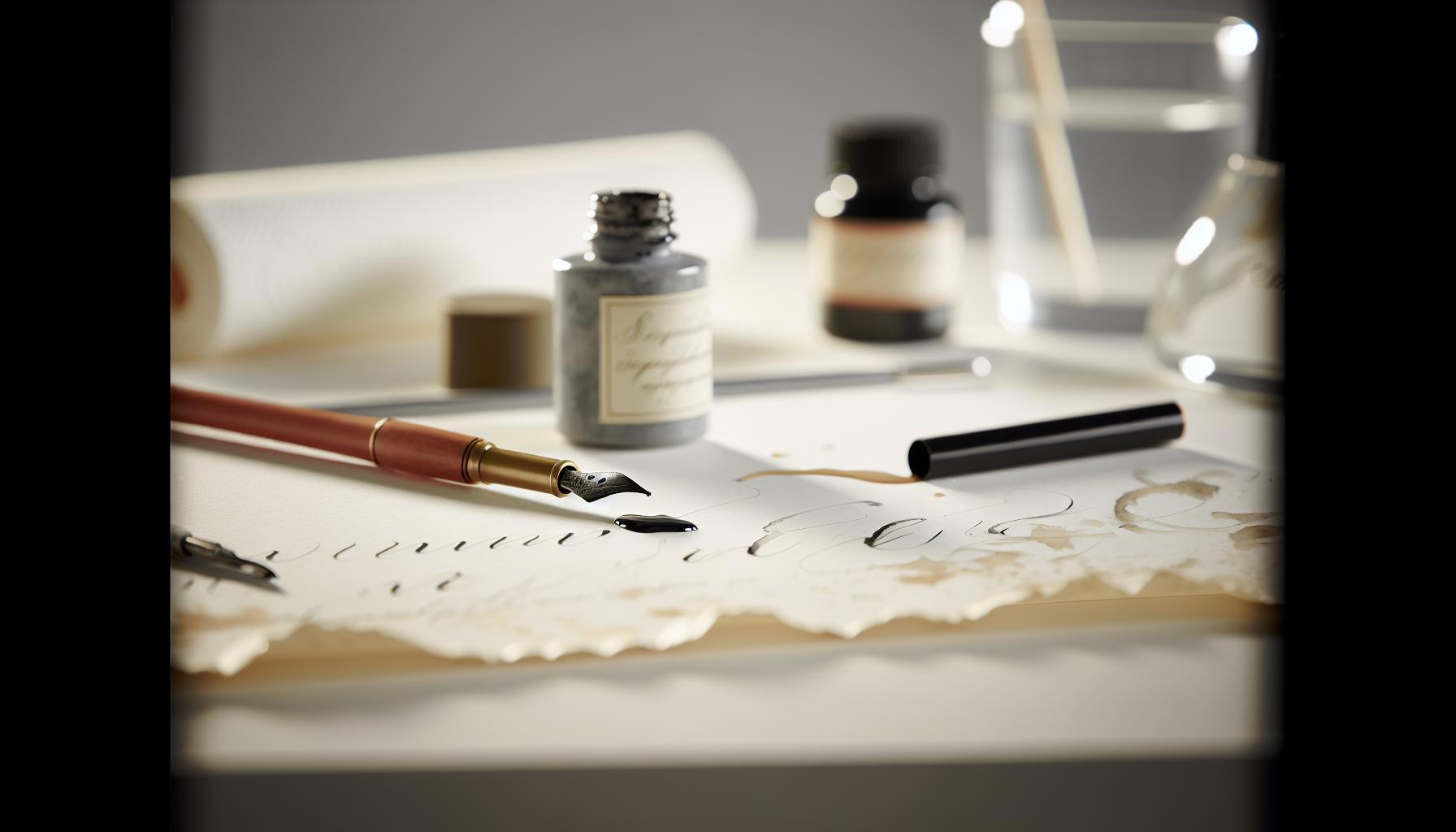
When calligraphy pens refuse to cooperate, it can be incredibly frustrating. Whether you’re a seasoned calligrapher or just starting, understanding some common issues and their solutions can save you time and enhance your practice.
First, check for ink flow issues, which are often caused by clogs in the nib or dried ink. If your pen isn’t writing smoothly, try dipping the nib in warm water or using a soft cloth to clean it gently. If that doesn’t resolve the problem, consider the ink itself; sometimes, switching to a different brand or type can make all the difference. Another tip is to avoid overloading the nib with ink-too much can lead to pooling and skipping.
Storage and Maintenance Matter
Proper storage is vital for maintaining your calligraphy pens. Always store them horizontally or with the nib pointing up to prevent ink from drying in the nib. If you notice that your nib feels scratchy or isn’t gliding as it should, don’t hesitate to adjust the pressure you apply while writing. A lighter hand often yields smoother results.
Lastly, if you find your pen has dried ink, it’s not the end of the world. Soaking the nib in water for a few hours or overnight can help revive it. However, if the nib is still unresponsive, it might be time to replace it entirely. Regular maintenance and paying attention to these details can significantly extend the life of your calligraphy pen and improve your writing experience.
Understanding How Calligraphy Pens Work
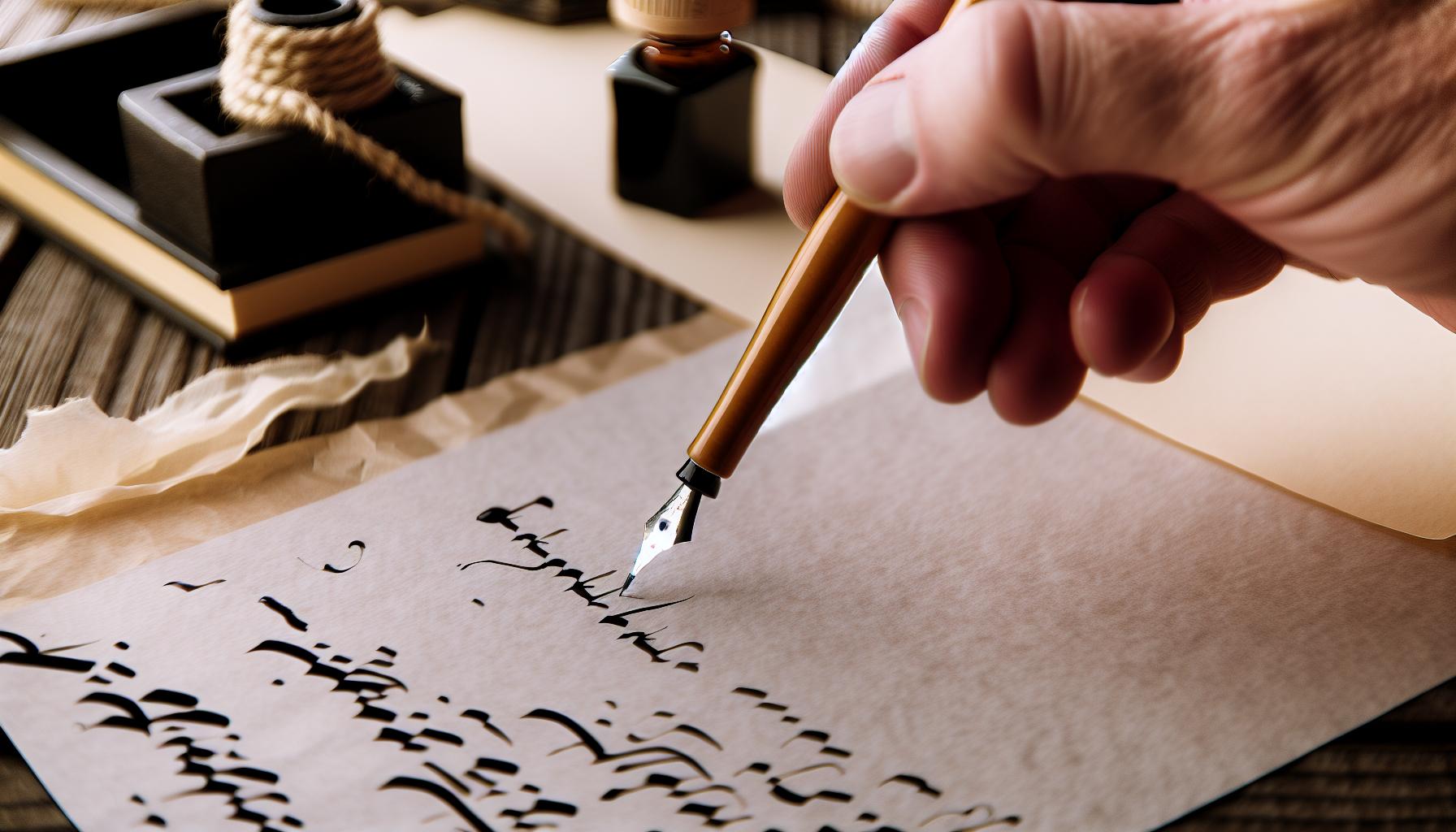
is essential for a smooth writing experience. At their core, these pens use a nib that can vary in shape, size, and flexibility to control ink flow. A well-designed nib creates distinct strokes, producing the beautiful lettering styles associated with calligraphy. The magic lies in how the nib interacts with the ink and the paper-if either of these elements falters, you might find your writing stutters or stops altogether.
The ink reservoir, whether it’s an ink cartridge or a converter, is crucial. It holds the ink until you apply pressure, allowing it to flow through the nib and onto the paper. Factors like the viscosity of the ink and the level of pressure you exert impact how smoothly it writes. When you’re facing issues, think about the entire system: If the ink is too thick or the nib is clogged or damaged, your pen won’t perform as expected. Sometimes, merely changing to a smoother ink can dramatically improve performance.
Regular maintenance also plays a key role. Keeping your nib clean prevents dried ink from building up, which can obstruct flow. If you’re diligent about cleaning after each use and store your pens correctly-horizontally or with the nib facing up-you can avoid many common problems. Additionally, understanding nib pressure can make a huge difference. A lighter touch often yields more precise lines, while too much pressure can cause the nib to skip or scratch, damaging both the nib and the paper.
In summary, grasping the fundamental workings of calligraphy pens empowers you to troubleshoot issues as they arise. Consider the ink, monitor the nib’s condition, and adjust your writing technique for a seamless and enjoyable calligraphy experience.
Why Ink Flow Issues Happen
When your calligraphy pen refuses to cooperate, it can feel like an artist’s worst nightmare. Ink flow issues are among the most common problems that can leave you frustrated and ready to give up. Understanding why these setbacks happen lays the groundwork for finding effective solutions.
Several factors can disrupt ink flow. One main culprit is the nib’s condition. A damaged nib-whether it’s bent, warped, or clogged with dried ink-can prevent the right amount of ink from reaching the paper. This may also occur if you’re using an ink with inappropriate viscosity; for instance, too thick or too watery ink can lead to inconsistent flow. Even how you hold the pen can impact performance. A grip that’s too tight might restrict the nib’s ability to glide across the paper, while a weak grip may not apply enough pressure to help the ink flow.
In addition, the ink reservoir can become problematic. If you’re using cartridges, sometimes they don’t fit properly, which can obstruct flow. Converters, on the other hand, need to be filled correctly-too little ink can cause hiccups while writing, while an overfilled converter can lead to pooling and leakage. An important detail often overlooked is the type of paper used. Rough or textured surfaces can disrupt smooth ink flow, leading to unexpected skips and skips in your writing. Choosing the right paper is essential; smoother options allow for better ink delivery.
Addressing these flow issues involves first diagnosing the problem. Remember to regularly clean your nib, test different inks, and adjust your grip and writing angle. Whenever you find your pen sputtering or halting, take a moment to assess these variables, and you’ll be well on your way to a more pleasant calligraphy experience.
Cleaning Techniques for Inks and Nibs
Sometimes, the simplest solution can be the most effective, especially when it comes to calligraphy pens. Regular cleaning is crucial to maintain a smooth writing experience and prevent those frustrating ink flow problems. A clogged nib or dried ink can turn your artistic moments into a battle, but a few effective cleaning techniques can save the day.
Start by disassembling your pen, if possible. Many pens allow you to remove the nib and feed assembly, which makes cleaning much easier. Rinse the nib and feed under warm water, gently using your fingers to dislodge any trapped particles. Avoid using hot water, as it can warp some materials. If you’re dealing with persistent dried ink, soaking the nib in a mixture of water and a gentle cleaning solution can work wonders. A few drops of dish soap mixed in warm water will do the trick. Let it soak for about 10-15 minutes, then rinse thoroughly.
After cleaning, make sure to dry everything completely before reassembling. Leaving moisture can lead to mold or further clogging. If you notice any stubborn ink still blocking the nib, a soft brush (like a toothbrush) can help gently scrub away residues without damaging the delicate metal.
For an ongoing upkeep routine, incorporate cleaning your pen into your regular practice schedule. A quick rinse after each use can prevent ink build-up, extending the life of your nib and keeping your writing smooth. Remember, a clean pen means a happy artist!
Choosing the Right Ink for Your Pen
Choosing the right ink for your calligraphy pen can significantly impact your writing experience. Not only does the ink affect the flow and appearance of your lettering, but it also determines how easily your pen operates. If you’re struggling with ink flow issues, it might just be a matter of selecting a better-suited ink for your specific pen type.
Different types of inks-such as fountain pen ink, dip pen ink, and acrylic ink-serve various purposes in calligraphy. Fountain pen ink is typically formulated to flow smoothly and prevent clogging in nibs. On the other hand, dip pen inks can be thicker and richer in pigment, providing a more pronounced finish but requiring greater care to avoid drying out. If you’re using a particular nib style, be sure to check the manufacturer’s recommendations for the best ink to use. Certain pens are designed for specific ink viscosities, and using the wrong type can lead to frustrating performance issues.
Before purchasing ink, consider your project requirements. Do you want vibrant colors, water-resistance, or quick-drying capabilities? Testing different inks can be beneficial. A simple way to do this is to create a “swatch” or sample on the paper you intend to use most often. This exercise will not only help you see how the ink looks but also how well it interacts with your nib and paper. Pay attention to flow consistency and drying times.
Furthermore, remember that ink needs can change with ambient conditions; humidity or temperature fluctuations can impact how ink performs. If you live in a warmer, dryer environment, you might opt for a more fluid ink that won’t dry up as quickly in the nib. Choosing wisely not only enhances the joy of writing but also minimizes issues with your pen, creating a smoother and more fluid calligraphy experience.
The Importance of Proper Storage
Proper storage of your calligraphy pens can make all the difference in their performance and longevity. If you’ve ever reached for your pen only to find it clogged or dried out, it’s likely due to improper storage practices. Pens are delicate instruments, and maintaining their integrity starts with how you store them. A clean, dry environment can prevent many issues associated with ink flow and nib performance.
To keep your pens in optimal condition, it’s essential to store them horizontally. This prevents the ink from pooling in one end of the nib, which can lead to clogging. If you’re using fountain pens, never leave them standing upright for extended periods, as this can cause the ink to dry out in the nib. A dedicated pen case can also be beneficial, as it protects your pens from dust, dirt, and accidental drops. Choose a case that allows your pens to lay flat, ensuring consistent ink distribution and preventing premature drying.
When it comes to ink, selecting the right storage conditions can help, too. Avoid exposing your ink bottles and pens to extreme temperatures or direct sunlight, as heat can change the viscosity of the ink, leading to inconsistencies. For those living in warmer or more humid climates, consider using silica gel packets in your storage area to minimize moisture. This will protect the pens and inks from unwanted humidity that could lead to mold or other issues.
Lastly, regularly check your pens and inks while they are in storage. This simple practice allows you to catch and address any potential issues, such as dried ink or worn nibs, before they become serious problems. By investing a bit of time in how you store your calligraphy tools, you’ll be able to maintain their performance and enjoy a more fluid writing experience whenever inspiration strikes.
Adjusting Nib Pressure for Better Flow
Adjusting the pressure you apply to your calligraphy nib can dramatically influence ink flow and overall writing experience. It’s one of those factors that many overlook, yet it’s surprisingly effective in troubleshooting poor ink performance. Whether you’re dealing with skipped lines or an inconsistent flow, the way you hold and press down on your pen can provide quick solutions.
First, consider the angle at which you’re writing. Ideally, you should hold the pen at about a 45-degree angle to the paper. If your angle is too sharp or too flat, it can restrict ink flow or cause the nib to dig into the paper, leading to a harsh line. Try experimenting with different angles until you find the sweet spot that allows the ink to flow smoothly.
Next, focus on the pressure you’re using. A common mistake is applying too much pressure, which can cause the nib to splay and compromise ink flow. Instead, use a light touch. Imagine you’re gliding the nib across the surface rather than pushing it. If you’re unsure about your pressure, practice on scrap paper, gradually reducing the force until you achieve a consistent and smooth line.
Maintaining consistent nib pressure throughout your strokes is just as crucial. Rapidly changing pressure can lead to uneven lines and poor ink distribution. Try to develop a rhythm if you can. When practicing, keep your movements fluid, and focus on how pressure affects the line’s thickness and evenness. For most calligraphers, this technique may take some time to master, but you’ll be rewarded with more fluid and professional-looking results in the end.
Lastly, don’t forget about the importance of the nib itself. Some nibs may require more or less pressure to achieve the desired flow. For instance, flexible nibs respond better to lighter pressure, which can create beautiful line variations. In contrast, stiffer nibs may need a firmer touch to start the ink flowing. Knowing the characteristics of your nib can help you adapt your technique and maintain efficient ink flow while writing.
Dealing with Dried Ink: Reviving Your Pen
Sometimes, calligraphy pens can dry up, leaving you frustrated and wondering why your beautiful lettering has come to a screeching halt. Dried ink is a common issue, especially if a pen has been left unused for a while or if you’re using a thick ink that doesn’t flow easily. Luckily, reviving your pen is often a simple process that can help get your creativity flowing again.
Start by soaking the nib in warm water for about 10-15 minutes. This can dissolve any dried ink blocking the flow. After soaking, gently brush the nib with a soft toothbrush or a nib cleaner to remove any remaining residue. Be careful not to apply too much pressure; you want to preserve the nib’s delicate shape. After cleaning, rinse it under clean water and let it dry completely.
If the water method doesn’t do the trick, consider using a bit of pen flush. This is a solution designed specifically for cleaning fountain pens and can effectively break down stubborn dried ink. Apply a few drops to the nib and feed, and let it sit for a few minutes. Follow up with the same soaking and brushing technique outlined earlier.
Finally, once your nib is clean and dry, it’s a good idea to try and re-prime the ink flow. Dip the nib into fresh ink and gently squeeze the ink reservoir, if applicable. This should encourage the fresh ink to flow and can often re-establish the connection you need for smooth writing. Remember, keeping your pen clean and storing it properly can prevent this issue from cropping up in the first place. Regular maintenance is key to ensuring you never experience a creative block due to a dried-up pen!
Selecting the Best Papers for Calligraphy
Choosing the right paper for calligraphy can make all the difference in your writing experience. Not all papers behave the same way under the nib of a calligraphy pen, and using the wrong type can lead to frustration, ink bleed, and less-than-desirable results. High-quality paper not only enhances your lettering’s appearance but also improves ink flow, reducing the chances of skippage and blotting.
When selecting paper, consider the weight and texture. Papers with a weight of 80gsm to 120gsm are typically best for calligraphy, as they provide a sturdy but flexible surface. You’ll want to look for smoother papers as they allow the ink to glide across the surface effortlessly. Papers like Bristol board, marker paper, and certain types of watercolor paper can be excellent choices. They minimize the risk of feathering and support detail in your strokes.
Here are some factors to consider:
- Coating: Choose papers that have a slight coating, which can help with ink flow. A coated surface prevents excessive absorption, allowing the ink to dry on top of the paper rather than soaking in too quickly.
- Texture: A smoother texture is often better for finer nibs, while more textured papers can create interesting effects with broader nibs. Test various textures to find what feels best for your style.
- Ink Compatibility: If you’re using specific inks, ensure the paper is compatible. Some inks can bleed through lighter papers, causing unsightly messes.
- Intended Use: Consider what you’ll use the finished pieces for. If it’s for framing, you might want higher-end paper designed for durability and aesthetic appeal.
Test a few papers with your calligraphy pen before committing to larger projects. Simply grab a few sheets and run some strokes; you’ll quickly see which paper enhances your art and which ones hinder it. With the right paper in hand, you’ll find that your calligraphy flows more smoothly, making your experience both enjoyable and successful.
When to Replace Your Calligraphy Nib
Using a calligraphy pen can be a wonderful experience, but it’s crucial to recognize when it’s time to replace the nib. Over time, your nib can wear down, affecting not only the quality of your strokes but also your overall enjoyment of the art form. If you notice inconsistent ink flow, scratchy sensations, or difficulty achieving smooth lines, it might be time for a new nib.
One of the first signs that your nib needs replacing is the feel it gives you. If you’ve been creating beautiful letters but suddenly find your nib dragging or skipping, this is a major red flag. Additionally, take a closer look at the nib’s tip. If it appears bent, damaged, or excessively worn down, you won’t achieve the clean, sharp lines associated with good calligraphy. Another indicator is the ink flow. A well-functioning nib should supply ink smoothly and consistently; if you find frequent drying out or pooling, that’s a strong suggestion to swap it out.
Regular maintenance can prolong a nib’s life, but there’s only so much you can do. If you’ve thoroughly cleaned and adjusted it and it’s still not performing, replacing the nib is likely the best option. Most calligraphy enthusiasts keep several nibs on hand for just this reason. It’s not just about performance; the right nib can completely change your writing experience and help you explore new styles and techniques.
In summary, keep an eye on your nib and listen to what your writing is telling you. When performance starts to lag, don’t hesitate to invest in a fresh nib. Your calligraphy deserves the best tools to shine, and a new nib can breathe new life into your pen and projects.
Advanced Techniques for Consistent Writing
Using a calligraphy pen with precision and consistency can elevate your writing from simple letters to beautiful works of art. One key to achieving that consists of mastering advanced techniques that enhance your overall ink flow and output quality. Let’s unravel some strategies that can make a noticeable difference in your writing experience.
First, understand your grip. A relaxed grip can often unleash smoother strokes. Instead of holding the pen too tightly, allow it to rest lightly between your thumb and fingers. This helps maintain better control over the pen’s movements and prevents fatigue during longer writing sessions. Additionally, angle your nib correctly. The nib should be held at an angle that allows for optimal ink flow. Experiment with different angles-typically between 30 to 45 degrees-to find what works best for you.
Next, your writing surface matters immensely. Use papers specifically designed for fountain pens or calligraphy. These often have a smoother surface that can reduce resistance and promote consistent ink flow. If you’re working with a textured paper, it may snag the nib and disrupt fluidity. Try testing different papers like Bristol board or specialty calligraphy paper to find your ideal match.
Lastly, don’t overlook the benefits of practice drills. Regularly practicing basic strokes can help reinforce muscle memory, making it easier to replicate those movements consistently during your actual writing. Dedicate time to hone your basics-simple lines, curves, or loops-so that they become second nature. Engaging in these drills not only improves your skill but also enhances your confidence in using the pen effectively.
These strategies are not just theoretical; they’ve transformed my own writing. By implementing these techniques, I noticed a remarkable improvement in not just the appearance of my calligraphy but in the joy I derived from each stroke. With these insights, you’ll find that writing consistently beautiful letters becomes much more achievable.
Tips for Maintaining Your Calligraphy Pen
Using a calligraphy pen effectively requires more than just a steady hand and good technique; it also demands consistent maintenance to ensure that your tools remain in top condition. Just like any artist’s instrument, a well-cared-for pen will perform beautifully and enhance your creative process. A few simple practices can drastically extend the life of your pen and elevate your calligraphy experience.
Start with regular cleaning. After each use, give your nib a gentle rinse under lukewarm water, especially if you’ve used pigmented or waterproof inks. These can dry quickly and clog your nib if left unattended. Make it a habit to flush out the nib and converter with clean water. If you’re using a dip pen, take the extra step to clear ink from the body and grip as well to prevent any residue buildup. Always dry your pen thoroughly before storing it away; moisture can lead to rust or deterioration.
Another essential tip is to store your pens properly. Avoid standing them upright in a pen holder if they’re filled with ink, as this can cause leakage. Instead, lay them flat in a protective case or pouch, ideally nib-side up. This minimizes the risk of ink pooling in the nib, which can negatively impact flow. Additionally, be mindful of temperature and humidity; extreme conditions can warp or damage your pen. A climate-controlled environment is best for long-term storage.
Last but not least, consider the ink you choose. Not all inks are created equal, and some may clog your nib more than others. Opt for high-quality, fluid inks designed specifically for calligraphy. If you frequently switch between inks, clean your nib thoroughly to avoid cross-contamination, which can lead to issues in flow or color quality. Experiment with different brands until you find one that works well.
By incorporating these maintenance tips into your routine, you’ll not only prolong the lifespan of your calligraphy pens but also enhance your writing experience. A happy pen leads to effortless strokes and beautiful letters – and that’s something we all strive for.
Frequently asked questions
Q: What are the common reasons my calligraphy pen is not writing?
A: Your calligraphy pen may not be writing due to dried ink, clogs in the nib, or using incompatible ink. If you haven’t used the pen in a while, the ink may have dried up. Try cleaning the nib or using a different ink that’s appropriate for your pen type.
Q: How can I fix a calligraphy pen that has stopped flowing?
A: To fix a calligraphy pen that’s stopped flowing, first clean the nib under warm water to remove any dried ink. Then, try dipping the nib into ink and gently tapping it to encourage flow. If the problem persists, consider adjusting the nib pressure for better ink delivery.
Q: Why does my calligraphy ink keep drying up?
A: Calligraphy ink may dry up if exposed to air too long or if it’s too thick. To prevent this, keep your ink container sealed when not in use, and consider adding a few drops of distilled water if the ink appears too thick. Regular use can also help maintain ink consistency.
Q: What type of paper should I use for calligraphy to prevent pen issues?
A: Using the right paper is vital for smooth writing. Look for paper specifically designed for calligraphy or heavy-weight papers that won’t bleed. Using porous paper can cause ink to absorb too quickly, leading to flow issues. Experiment with different textures to find what works best.
Q: How do I know when it’s time to replace my calligraphy nib?
A: You should replace your calligraphy nib when it shows signs of significant wear, like fraying or loss of shape. If you’re unable to achieve a smooth line after cleaning and adjusting the nib, it’s probably time for a new one. Regular maintenance can extend the life of your nib.
Q: Can using the wrong ink damage my calligraphy pen?
A: Yes, using the wrong ink can damage your calligraphy pen. Non-water-soluble or overly thick inks can clog the nib, leading to flow issues. Always choose ink that’s specifically formulated for your pen type to ensure compatibility and prevent damage.
Q: Why is my calligraphy pen skipping while I write?
A: Skipping can occur due to inadequate ink flow, improper nib pressure, or using rough paper. Ensure the nib is clean and the ink is suitable. Adjust your grip to maintain consistent pressure and consider switching to smoother paper for better results.
Q: What cleaning supplies are best for maintaining my calligraphy pen?
A: To maintain your calligraphy pen, use lukewarm water, a soft cloth or brush, and possibly a nib cleaner. Avoid harsh chemicals that could damage the materials. Regular cleaning after use is key to ensuring longevity and optimal performance of your pen.
Future Outlook
If your calligraphy pen isn’t working, remember that you’re not alone, and there are solutions that can help you get back to creating beautiful scripts. Don’t let a temporary issue hold you back! Check our guide for troubleshooting pen issues to ensure you’re not missing simple fixes. For more inspiration, explore our Calligraphy Basics and Advanced Techniques sections to expand your skills and knowledge.
We’d love to hear your experiences! What challenges have you faced with your calligraphy tools? Share in the comments below or reach out to us. Don’t forget to sign up for our newsletter for the latest tips and exclusive content. Keep honing your craft, and soon you’ll be creating stunning calligraphy effortlessly! Explore more resources today, and let’s turn those frustrations into flourishing penmanship!