

Have you ever been mid-flow, creating beautiful calligraphy, only for your pen to suddenly stop working? It’s frustrating, right? Understanding why this happens is crucial for anyone passionate about the art of lettering. Ink flow issues can derail even the best intentions, but knowing the common causes can help you get back to writing smoothly in no time. From clogged nibs to unsuitable ink, the solutions are often straightforward and can make all the difference. In this article, we’ll explore why your calligraphy pen might be misbehaving and provide you with practical fixes to keep your artistry flowing effortlessly. Dive in to discover tips that can save your writing session and elevate your calligraphy game!
Common Issues Causing Ink Flow Problems
Sometimes, your calligraphy pen can feel more like a source of frustration than a tool for artistic expression. One common issue that many face is inconsistent ink flow, which can disrupt your creative flow and lead to disappointing results. Let’s dive into some of the key culprits that might be causing these ink flow problems.
Nib Issues
It all starts with the nib. If the nib isn’t well-fitted to the feed, it can cause inadequate ink flow. A misplaced or poorly aligned nib can block the pathway that ink needs to take to reach the page. In some cases, the nib may have a build-up of dried ink or debris, which can also hinder flow. Make sure to clean your nib thoroughly and check that it is seated correctly.
Clogged Feed
The feed, which is responsible for delivering ink from the reservoir to the nib, can become clogged. This typically happens due to a lack of cleaning or by using low-quality or incompatible ink. Iron-gall inks, for example, are notorious for leaving residues that can block feeds. Regular cleaning of your pen, especially if you switch between different inks, is essential for maintaining optimal performance.
Environmental Factors
Believe it or not, your environment plays a role in ink flow issues too. Extreme temperatures can affect the viscosity of the ink, either thickening it in cold weather or causing it to dry out too quickly in heat. Humidity levels can also impact how ink flows, as overly dry conditions can cause inks to evaporate within the pen. Be mindful of where you’re doing your calligraphy, and if necessary, consider maintaining a controlled environment.
Ink Quality
Not all inks are created equal, and the type of ink you use can significantly affect your pen’s performance. Low-quality inks might cause clogging or poor flow. It’s worth investing in good-quality calligraphy inks that are specifically formulated for your nib type. Always check compatibility with your pen to avoid potential issues.
By identifying these common issues-such as problems with the nib, feed clogging, environmental influences, and ink quality-you’ll be better equipped to troubleshoot and enjoy a smoother, more fulfilling calligraphy experience. Remember, regular maintenance and attentive care go a long way in ensuring your pen works beautifully with every stroke.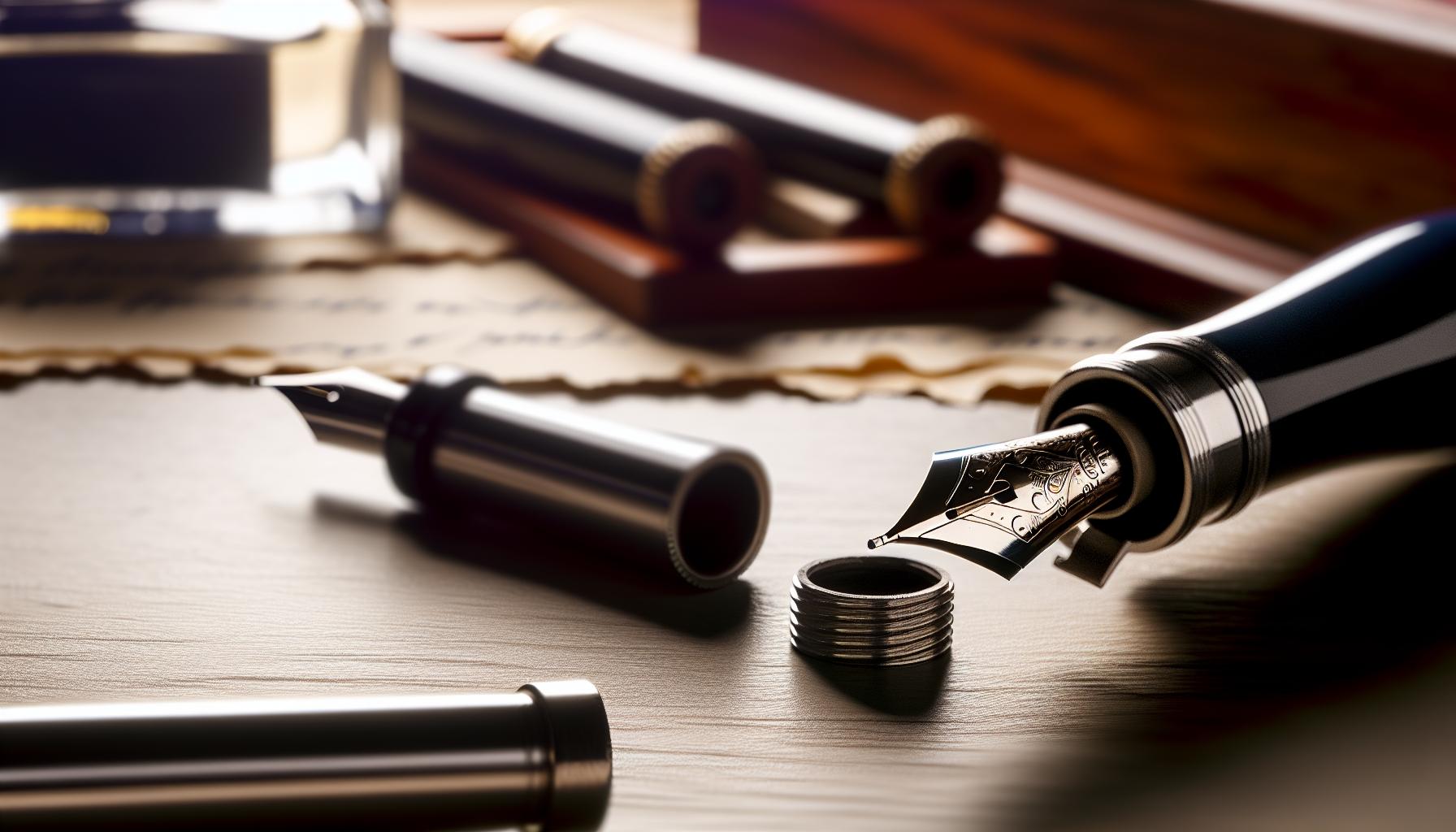
Understanding Your Calligraphy Pen’s Mechanics
Your calligraphy pen is a delicate instrument, and understanding how it works is crucial to keeping it performing at its best. Each component plays a role in the ink flow mechanism, and recognizing how they interact can help you troubleshoot issues effectively.
At the heart of your pen’s performance is the nib. This carefully shaped metal tip isn’t just for aesthetics; it’s designed to control ink flow through capillary action. If the nib is misaligned or improperly fitted to the feed, it can restrict ink from reaching the page, resulting in frustrating skips or consistent flow issues. Regularly inspect and clean the nib to remove any built-up residue from dried ink or dust-keeping it in prime condition means better performance when creativity strikes.
Next, consider the feed, the component that delivers ink from the reservoir to the nib. If it becomes clogged, which is often due to improper maintenance or the use of incompatible inks, the ink flow can stop completely. To keep the feed clear, it’s essential to wash your pen regularly, especially if you’re switching between different ink types. Simple running water can do wonders, but make sure to follow up with a good swabbing of the nib to ensure it’s completely clean.
Moreover, the ink reservoir itself must be filled with the right ink from the start. Not all inks are formulated the same way; some may dry out too quickly or cause clogging issues. Always opt for high-quality inks designed specifically for your nib type. This small decision can save you a world of headaches and drastically improve your calligraphy experience.
By mastering these mechanics, you’ll not only understand why your pen might falter but also equip yourself with the knowledge to fix it. Keep your pen maintained and active, and it will reward you with a smooth writing experience every time.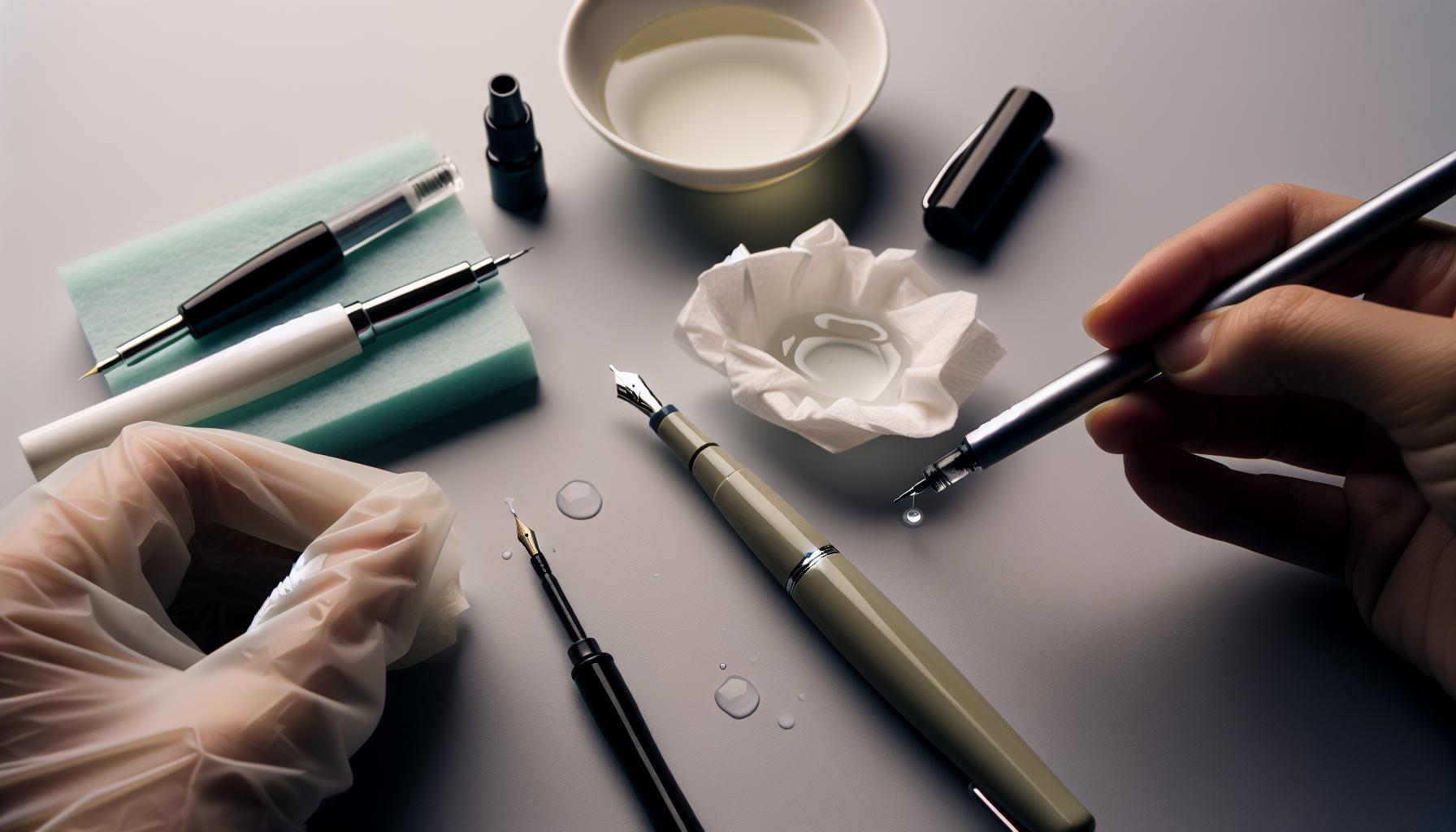
Easy Fixes for Clogged Pen Tips
Experiencing a clogged pen tip can be incredibly frustrating, especially when inspiration strikes, and your calligraphy pen refuses to cooperate. Thankfully, there are straightforward fixes that can save the day-often requiring little more than a few minutes of your time and some gentle care.
Start by giving your pen a thorough cleaning. Remove the nib and soak it in warm, soapy water for about 15-30 minutes. A gentle detergent can help break down any dried ink or debris that’s obstructing ink flow. After soaking, rinse the nib under running water to wash away soap residues. Use a soft brush (like an old toothbrush) to gently scrub stubborn spots-just be careful not to damage the nib’s delicate structure. Once it’s clean, let it dry completely before reassembling.
If cleaning doesn’t solve the issue, take a closer look at the ink itself. Sometimes, low-quality or incompatible inks can cause blockages. Opt for high-quality, compatible inks with your nib type to sidestep potential problems. For those stubborn instances when the ink won’t flow, try gently squeezing the cartridge or converter to encourage the ink to move toward the nib; this is especially useful for cartridge pens.
Lastly, don’t underestimate the power of technique. When you start writing, apply a tiny amount of pressure against the paper as you draw the nib toward you. This can help engage the ink flow right from the start. If you notice frequent clogs, it might be time to switch up your pen maintenance routine or consult with fellow calligraphy enthusiasts for techniques specific to your situation. Remember, a little upkeep goes a long way toward ensuring that your pen performs beautifully when you’re ready to create.
The Impact of Ink Quality on Performance
The right ink can make all the difference in your calligraphy experience; using low-quality ink or the wrong type can lead to a frustrating performance rather than the smooth output you desire. High-quality ink works not just for aesthetics but also for functionality. It flows better, reduces clogging, and offers the vibrant colors and fine details that elevate your work. Poor inks might dry out too quickly, separate, or cause issues like skipping or blobbing on your paper, ruining what could have been a beautiful piece.
When selecting ink, consider its composition. Pigment-based inks, for instance, are generally more lightfast, permanent, and waterproof, but older or inferior formulations might not flow well through finer nibs, causing further complications in your writing. Always mate your ink with the right pen type; for fountain pens, make sure the ink is specifically designed for them. Incompatible ink can gum up the works or damage the nib over time.
Another important factor is the ink’s viscosity and pH level; both significantly impact flow and drying time. Thicker inks can be harder to move and might require more maintenance to keep your pen functioning properly. Likewise, inks with high acidity can be corrosive, potentially harming your pen’s interior components. Before you dive into a new project, test a small amount of the ink to see how it behaves with your pen. This simple step can save you headaches later and ensure that your creativity flows as smoothly as the ink you choose.
How Environment Affects Calligraphy Pen Function
Ink flow in your calligraphy pen can be as fickle as the weather, and the environment where you work plays a critical role in its performance. Temperature and humidity are the two main factors that can drastically affect how your pen behaves. Colder temperatures might cause the ink to thicken, while high humidity can lead to ink pooling and smudging on your paper. It’s essential to be mindful of these elements, as they can turn a promising session into an exercise in frustration.
In ideal conditions, a stable temperature between 65°F and 75°F (18°C to 24°C) and moderate humidity (around 40% to 60%) can help your ink flow smoothly. If you find yourself in a dry environment, you might notice that the ink behaves unpredictably, leading to skipping or excessive pressure needed on the nib. One tip: try to keep your workspace consistent. If possible, avoid drafting your beautiful letters in places like air-conditioned rooms or directly near heat sources, as sudden changes in temperature can shock the ink.
Not only does the environment affect the ink, but your pen’s materials are susceptible too. Metal components can contract in the cold, making for tighter fits that hinder ink flow. Keeping your pen stored properly can mitigate these issues. Always store it horizontally to prevent the ink from settling, and if you have to leave it in a warmer area, make it a point to acclimate the pen before using it again. If you notice significant flow issues after moving from one environment to another, it might just need a moment to adjust.
Ultimately, understanding your work environment’s impact on your tools will save you a lot of headaches. By paying attention to these elements, you can create the ideal conditions for your calligraphy to flourish.
Maintaining Your Pen for Optimal Performance
To keep your calligraphy pen performing at its best, regular maintenance is essential. Just like any tool, a little care goes a long way in ensuring that your pen continues to produce smooth, beautiful lines. Don’t wait until you experience flow problems-a proactive approach will prevent many issues before they start.
First things first: cleaning. After every session, take a moment to clean your nib. Ink residue can build up quickly and impede flow. Use warm water or a mild soap solution to rinse the nib and feed. If you notice stubborn ink, a soft brush can help dislodge any dried particles without damaging the nib. It’s crucial to dry the nib thoroughly before storing your pen to avoid rust or corrosion.
Next, pay attention to the ink you’re using. Different inks have varying viscosity, which can greatly affect flow. Opt for high-quality inks specifically designed for calligraphy. It’s worth experimenting with different brands to find one that works seamlessly with your pen. Don’t forget to check the ink level in your reservoir as well; a nearly empty ink supply can lead to frustrating skips.
Also, consider the mechanical aspects of your pen. For fountain pens, ensure that the nib is seated correctly and that the feed is aligned. Any misalignment can disrupt the ink flow. If you notice an unusual resistance when writing, this may indicate that the nib is clogged, requiring further cleaning or potential adjustment.
Finally, always store your pen correctly. Horizontal storage is ideal to keep ink from pooling and causing clogs. If you must store it vertically, ensure it’s nib-up. Avoid leaving your pen in extreme temperatures which can cause ink to dry out or components to warp.
By routinely cleaning your pen, selecting the right ink, checking alignment, and storing it properly, you can keep your calligraphy pen performing optimally, ensuring that each stroke is as effortless as possible. Happy writing!
When to Replace Your Calligraphy Pen
Sometimes, the most frustrating part of using a calligraphy pen is knowing when it’s time to say goodbye. You might feel a strong attachment to a particular pen, but there comes a point when it simply won’t deliver the performance you need. One of the easiest indicators that it’s time for a replacement is persistent ink flow issues, despite your best efforts to clean and maintain it. If you find yourself constantly wrestling with clogs or inconsistent ink flow, it might be time to consider a new pen.
Another common reason to replace your pen is physical damage. Nibs can bend or fracture, and a damaged nib won’t only affect your writing experience; it can also ruin your work. If you’ve been diligent about maintenance yet your results still fall flat due to a wobbly or broken nib, don’t hesitate to invest in a new pen. You should also pay attention to the grip and body of the pen. If it’s chipped or cracked, it could compromise your hold and decrease your enjoyment.
When you notice the ink bleeding or skipping continuously, even with proper maintenance, that’s another sign it may be time to move on. Quality pens are designed for longevity, but they can only endure so much wear and tear. Especially if you’ve experimented with various inks and cleaners to no avail, recognizing that a pen might be performing below par is crucial.
To keep your writing flowing smoothly, regularly assess your pen’s performance. Ask yourself: Is it still enjoyable to use? Does it produce the quality of work I strive for? If you’re hesitating over these questions, it may be time to let go and find a pen that restores your passion for calligraphy. Remember, your tools should inspire you; don’t let an underperformer hold you back.
Exploring Different Types of Calligraphy Pens
Every calligrapher knows that the pen you choose can significantly influence your writing experience. But did you know that not all calligraphy pens are created equal? Understanding the different types available can help you pick the perfect one for your needs and prevent issues like ink flow problems or writing inconsistencies.
When considering calligraphy pens, you primarily encounter three types: fountain pens, dip pens, and brush pens. Each type has its own unique characteristics and applications.
- Fountain Pens: These are ideal for beginners and professionals alike. They come with a cartridge or converter that holds ink, which flows through the nib. Their convenience is unmatched because you won’t have to dip them in ink constantly, making them great for longer projects. However, they can suffer from clogs if not cleaned properly.
- Dip Pens: The classic choice for many calligraphers, dip pens require you to dip the nib into a bottle of ink each time you write. This can lead to richer ink flow and expressive outpouring of creativity. The downside? They can run into problems with drying ink if left unused for too long, leading to the frustrating clogging issues.
- Brush Pens: These are perfect for those interested in modern calligraphy or brush lettering. They feature flexible bristles that can create beautiful strokes. However, maintaining their brush tip can be challenging, and the ink can dry out quickly if they’re not stored upright.
Choosing the right pen means considering your style and what you intend to accomplish. If you often find yourself frustrated by consistent ink flow problems, it could be a sign to experiment with a different type of pen. It’s also worth noting that the nib size matters; finer nibs provide delicate lines and intricate detail, while broader ones offer bold strokes.
In addition to the type of pen, pairing your choice with the right ink is crucial. Some inks are thicker and can cause clogs, while others are too watery and may not work well with certain nibs. Always consult the manufacturer’s recommendations for compatibility.
By understanding these nuances, you can avoid common pitfalls and enjoy a smoother, more consistent calligraphy experience. Don’t hesitate to explore and find what feels best for you-your writing deserves it!
Tips for Storing Your Calligraphy Pens Correctly
When it comes to calligraphy, the way you store your pens can make a significant difference in their performance. Improper storage can lead to dried out ink, clogged nibs, and ultimately, a frustrating writing experience. To ensure your pens remain in top condition, follow these straightforward tips that I’ve gathered from years of practice.
First off, always store your pens horizontally or with the nib pointing up. This positioning prevents ink from pooling at the nib, which can cause it to dry out or clog. If you use dip pens, make it a habit to clean the nib thoroughly after each session; any leftover ink can lead to hardening and ruin your next writing session. For rollerball or fountain pens, ensure that you replace caps tightly to prevent air from entering, as this can dry out the ink.
Additionally, consider your environment. Extreme temperatures and humidity levels can wreak havoc on your ink. A cool, dry place is ideal for storage. Avoid leaving pens in places like a hot car or a damp desk drawer. If you’re using ink cartridges, keep them upright in a closed container to prevent leaks or evaporation.
Lastly, remember to perform regular maintenance on your pens. Clean them regularly according to the manufacturer’s instructions. A little attention during storage can go a long way in extending the life of your calligraphy tools, leaving you free to enjoy the art of writing beautifully.
Signs It’s Time to Seek Professional Repair
When a beloved calligraphy pen starts misbehaving, it’s often a source of frustration for any artist. Sometimes, despite your best cleaning efforts and careful maintenance, the pen simply refuses to cooperate. Before you toss it aside in despair, it’s crucial to recognize the signs that indicate it’s time to seek professional repair.
First and foremost, if you notice consistent issues like ink flow problems that you can’t resolve with standard troubleshooting-such as cleaning the nib or changing inks-it may be a hint that the nib is damaged or worn. For example, if the nib has developed splits or deformities, it likely affects your writing quality and can lead to skipping or uneven lines. A professional can assess the nib and determine if they can restore its smooth performance or if a replacement is necessary.
Another indicator is a significant build-up of dried ink that regular cleaning won’t budge. If your pen is old and has accumulated years of use, this can be particularly problematic. A professional cleaning may involve more thorough techniques that you might not be able to perform at home without risking further damage. Similarly, if you’ve tried various inks and consistently run into performance issues like clogging or leaking, it’s wise to consult an expert. They often bring fresh insights into issues that might puzzle you.
Lastly, if your pen has emotional value-perhaps it was a gift or a family heirloom-seeking professional repair can help preserve its history and functionality. Knowing a skilled artisan is handling it ensures your investment is respected. Remember, calligraphy isn’t just about the tools; it’s also about the relationship you build with them. Don’t hesitate to reach out for help when your pen needs a little extra love.
Advanced Techniques for Calligraphy Pen Care
When you invest time and energy into your calligraphy, your tools deserve just as much care. Advanced techniques for pen care go beyond the basics and dive deeper into practices that can enhance longevity and performance. It’s not just about cleaning; it’s about understanding your pen and anticipating its needs.
Start with inspection. Regularly check the nib for wear and tear. Look for signs of damage, like splitting or bending, which can affect your writing. If you notice any issues, don’t wait-address them immediately. A damaged nib can lead to frustration and negatively impact your calligraphy style. Additionally, clean your pen thoroughly after each use, especially if you’re using ink that can gum up the works. Soak the nib in lukewarm water and use a soft brush to remove any remaining ink particles. This helps maintain smooth ink flow, preventing clogs before they can start.
Another advanced technique is experimenting with different inks and nibs. Some inks are richer, while others are thinner. Understanding your pen’s compatibility with various inks can drastically influence performance. For instance, a high viscosity ink might require a broader nib, while a lighter ink would pair well with a fine nib. Keep a detailed journal of your experiences across different materials so you can replicate successful combinations in future projects.
Don’t forget about the environment! Humidity and temperature can affect ink consistency and flow. If you’re working in particularly dry or damp conditions, consider using a humidifier or dehumidifier to stabilize the environment. Similarly, regular calibration of your pen’s grip and angle while writing can refine your technique and ensure consistent pressure is applied to the nib, creating smoother lines.
Remember, investing in specialized maintenance tools like a nib cleaner or a portable ink mixing palette can also elevate your calligraphy experience. By adopting these advanced techniques, you’ll not only keep your pen in optimal condition but also deepen your relationship with the art of calligraphy itself. These small adjustments lead to a significant improvement in your writing experience and overall craft.
Smooth Writing: Enhancing Your Calligraphy Experience
When you’re in the flow of creating beautiful calligraphy, feeling your pen glide effortlessly across the paper is pure magic. But nothing can ruin that experience faster than a pen that sputters or stops working altogether. There are a few key factors that can contribute to a smooth writing experience and ensure your calligraphy remains fluid and expressive.
First, it’s crucial to pay attention to your ink choice. Not all inks are created equal in terms of viscosity and drying time. Thicker inks might require a broader nib, while thinner inks can flow better through finer tips. Experimenting with different brands can yield surprising results; you might even discover a particular ink that transforms your writing style. Always perform a small test on scrap paper before committing to a project, as this can save you from frustration during your actual writing session.
The nib itself also plays a pivotal role in smooth writing. Regularly check for wear, splits, or clogs. A simple cleaning routine-soaking the nib and using a soft brush-can work wonders. If you notice it still isn’t writing smoothly, it might be time to try a different nib size or style. Don’t underestimate the impact that nib selection can have on your final piece; each type can offer a unique line quality and response to pressure, enhancing your overall technique.
Finally, consider your writing environment. Factors like humidity and temperature can significantly affect how ink behaves. If it’s unusually dry or humid, your ink might dry up faster than usual or become too runny. Maintaining a stable environment will make a noticeable difference. If you find you’re still battling issues, take a moment to adjust your grip and writing angle, ensuring you apply consistent pressure as you write.
By being proactive about these elements-ink choice, nib condition, and environment-you can elevate your calligraphy experience and minimize interruptions. Smooth writing is not just about the pen; it’s about the harmony of all components working together to create your art.
Faq
Q: What should I do if my calligraphy pen is leaking ink?
A: If your calligraphy pen is leaking ink, check if the nib is loose or if the cartridge isn’t fitted correctly. Tighten the nib and ensure a snug cartridge fit. Also, clean any excess ink around the nib to prevent further leaks. For more tips, see the section on maintaining your pen for optimal performance.
Q: How can I tell if my calligraphy pen nib is damaged?
A: To check if your nib is damaged, look for visible bends or cracks. If the ink flow is uneven or non-existent, it may also indicate damage. Replace the nib if you notice any issues, as a damaged nib affects your writing quality. See our section on replacing your calligraphy pen for guidance.
Q: Why is my calligraphy ink drying out so quickly?
A: Ink can dry out quickly due to environmental conditions like low humidity or direct sunlight. Store your pens in a cool, dark place and use inks designed for longer flow to mitigate this. Check our article on how environment affects calligraphy pen function for more details.
Q: How often should I clean my calligraphy pen?
A: Clean your calligraphy pen regularly, ideally after each use. This prevents ink clogs and maintains smooth writing. Use warm water to rinse out the nib and feeding systems. Explore our easy fixes for clogged pen tips section for more cleaning tips.
Q: What types of ink work best with calligraphy pens?
A: The best inks for calligraphy pens are water-based or India inks, as they flow smoothly and dry well on paper. Check if the ink is specifically labeled for dip pens or fountain pens for optimal performance. See our section on the impact of ink quality for more insights.
Q: Can I use regular fountain pen ink in my calligraphy pen?
A: Yes, you can use regular fountain pen ink in your calligraphy pen, but ensure it’s compatible. Some inks may be too thick, leading to flow issues. For better results, consider using inks formulated for calligraphy specifically. Refer to our article’s section on understanding your calligraphy pen’s mechanics for more details.
Q: What are the signs that my calligraphy pen needs replacement?
A: If you experience constant ink flow problems, visible damage, or persistent writing issues even after cleaning, it’s time to consider replacement. Familiarize yourself with the signs it’s time to seek professional repair to help make informed decisions.
Q: How can temperature affect my calligraphy pen’s performance?
A: Temperature can greatly impact ink flow and viscosity. Cold temperatures may cause ink to thicken, while heat can thin it out. Always work in a comfortable environment and keep your supplies at room temperature for best results. Check our section on how environment affects calligraphy pen function for detailed information.
To Wrap It Up
Now that you’re equipped with the common reasons why your calligraphy pen might stop working, you can keep the ink flowing and your creativity alive. Remember, regular cleaning and proper storage are your best friends in maintaining your calligraphy tools. Don’t let a faulty pen hinder your artistic expression-take action today!
If you’re looking to replenish your supplies or explore new techniques, check out our favorite calligraphy pens and holders here.
We’d love to hear your experiences or any tips you have for troubleshooting your calligraphy pen! Share your thoughts in the comments below, and don’t forget to subscribe to our newsletter for more expert insights and exclusive offers. Keep creating and let your lettering shine!