

Have you ever marveled at the elegance of ancient manuscripts and wondered how artisans achieved such beauty? Writing with a quill pen is not just a forgotten art; it’s a way to connect with history and express your creativity in a deeply personal manner. In this guide, we’ll explore the timeless technique of calligraphy using a quill, revealing the tools, tips, and techniques that can help you create stunning, handwritten pieces. You’ll discover how this historic practice can transform simple letters into works of art, allowing you to infuse your personality into every stroke. Whether you’re looking to embellish invitations, create unique art pieces, or simply enjoy a relaxing hobby, mastering quill calligraphy can be an incredibly rewarding endeavor. Let’s dive into the rich traditions and practical steps that will help you unlock the beauty of writing with a quill pen, nurturing your artistic expression along the way.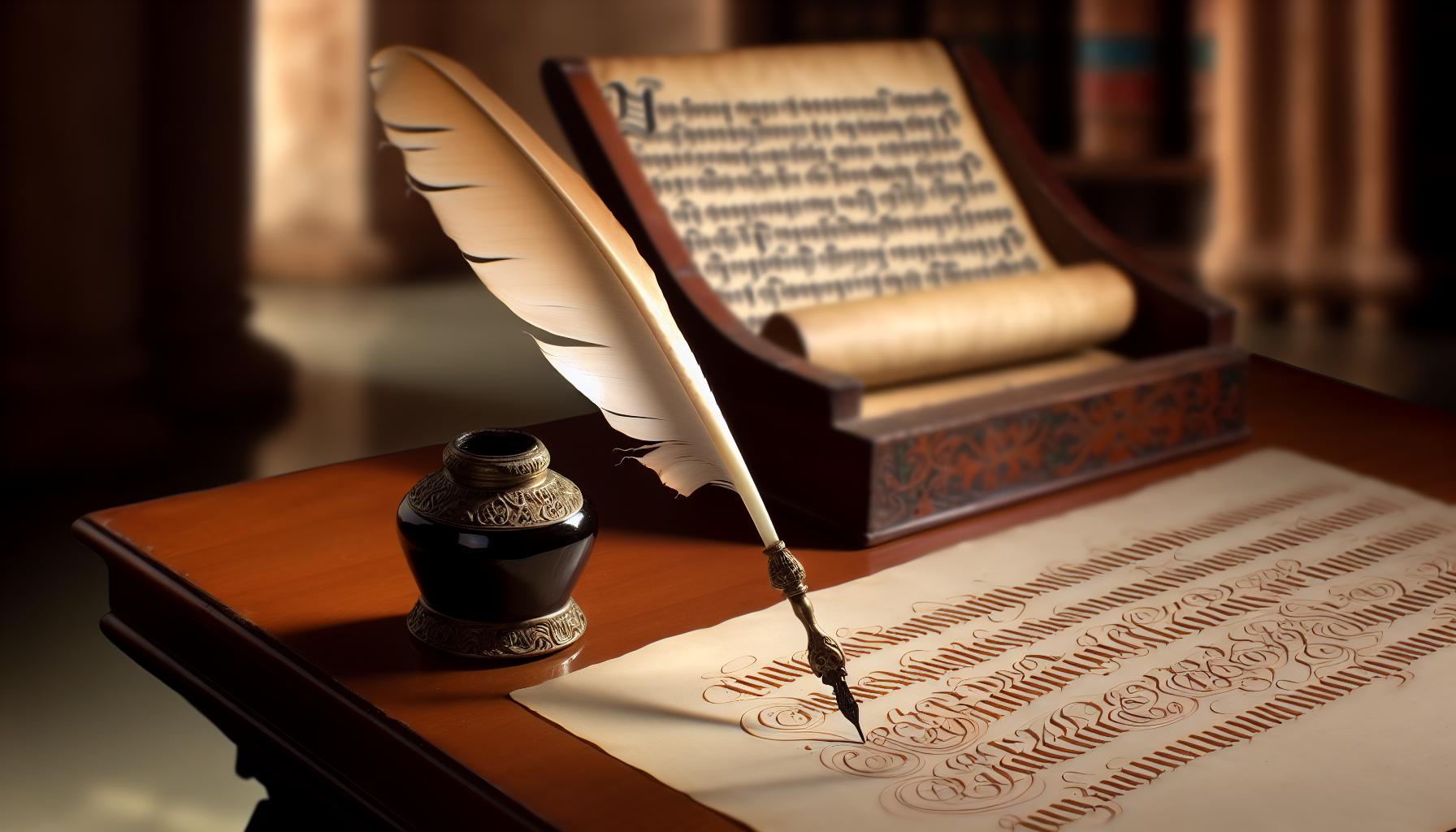
How Calligraphy with a Quill Transformed Art History
Calligraphy with a quill has not only shaped individual artistry but has also played a pivotal role in the evolution of art history as we know it. From ancient manuscripts to the ornate titles of Renaissance works, the quill has been an instrument of expression that transcends mere writing. Its flexibility allows for a variation of strokes and textures, which were crucial in establishing the visual language of written communication. This art form blossomed during periods when literacy was a luxury of the elite, and the presentation of text mattered as much as the content itself. Imagine a scribe delicately dipping a quill into ink, the sharp point creating both fine lines and bold strokes, each movement contributing to a rich tapestry of meaning and beauty.
The renaissance of calligraphy brought about an appreciation for the visual aspects of lettering and design. During the Middle Ages, illuminated manuscripts adorned with intricate calligraphy were not just religious texts; they were masterpieces that combined literature and visual arts. These works were often commissioned by churches and noble families, emphasizing the status and wealth of their patrons. The quill’s unique ability to create a range of line qualities helped forge an aesthetic that set the stage for the later development of modern typography. Each flourish and scripted letter became a standard for elegance and sophistication, inspiring future generations of artists and typographers.
As we step into the modern era, the revival of quill pen calligraphy has sparked renewed interest in this ancient art form. Workshops and online tutorials are teaching new practitioners to respect the rich traditions while also exploring innovative techniques. The allure of the quill pen lies not just in its historical significance but in its potential for personal expression. Artists today are blending traditional skills with contemporary styles, creating a dynamic fusion that reflects both personal identity and cultural heritage. By embracing the quill, we’re not only preserving history but animating it with fresh creativity and inspiration.
This dynamic interplay between history and personal artistry exemplifies why calligraphy with a quill remains transformative, bridging past and present.
Essential Tools for Quill Pen Calligraphy
To dive into the beautiful world of quill pen calligraphy, you need the right tools. The elegance of a quill in your hand, coupled with quality ink and paper, sets the stage for stunning lettering. It’s not just about the quill; it’s about the entire experience of crafting art with it. Here’s what you can’t afford to overlook.
- Quill Pens: Start with a good quality quill pen. Options range from traditional goose quills to modern metal ones recreated for stability and ease of use. Each type offers unique characteristics, allowing for various effects in your writing.
- Ink: Choose a water-based calligraphy ink for ease of flow and cleanup. Ink comes in various colors; black is classic, but don’t shy away from vibrant colors to express your style.
- Paper: The right paper can make or break your calligraphy. Look for paper designed for calligraphy that can handle ink without bleeding. Smooth, high-quality paper allows your quill to glide effortlessly.
- Support and Surface: A sturdy, flat surface is essential for writing. Using a calligraphy board, or even a heavy book under your paper, can provide the stability you need for precision.
- Cleaning Tools: Keep your quill and nibs clean! Have a damp cloth or paper towels handy to wipe off excess ink. A small pot of water for soaking nibs is also invaluable for maintaining their condition.
- Guides and Templates: Especially when starting, guides or templates can help you get the hang of different styles. They provide a framework for your letters that can boost confidence.
- Practice Sheets: Having specific practice sheets can dramatically improve your technique over time. Look for ones that include commonly used alphabets or designs.
Each of these tools contributes to a rewarding calligraphy experience. Investing in quality materials not only boosts your confidence but also enhances your creative expression, allowing you to connect with the rich history of this art form. So, gather your tools and let your creativity flow!
Getting Started: Basic Techniques You Need
To capture the art of calligraphy with a quill pen, it’s essential to start with the right techniques that lay a strong foundation. Mastering the basics not only boosts your confidence but also enriches your creative experience. Let’s dive into what you need to know.
First, familiarize yourself with the quill. Hold it at a 45-degree angle to the paper. This angle is crucial as it allows the ink to flow smoothly while creating beautiful strokes. Don’t grip it too tightly; a gentle hold gives you more control and allows for delicate movements. Practice drawing lines and curves to get a feel for how the quill glides across the paper. Remember, it’s not just about the pressure of the nib; the direction and speed of your strokes play a big role in the final artwork.
Next, focus on ink control. Dip the nib into ink to a depth that ensures smooth writing without overwhelming the nib-too much ink can lead to blots and smudges. As you write, if you experience stuttering strokes or inconsistent lines, it’s often a sign that you need to adjust the ink level. Practice writing letters repeatedly, starting with the alphabet. This repetition builds muscle memory, allowing your hand to move fluidly.
Don’t ignore the importance of posture and workspace setup. A comfortable posture can significantly impact your calligraphy. Sit up straight, with your feet flat on the ground and your writing surface at a good height. A sturdy, flat desk or table works best, and make sure your materials are easily reachable. Sometimes, adding a slight incline to your paper helps facilitate better strokes.
Lastly, stay patient and allow room for mistakes. Calligraphy is an art that thrives on practice and patience. Each time you write, observe what works and what doesn’t. Celebrate small victories in your progress, and over time, you’ll find your unique style emerging naturally.
With these foundational techniques in your toolkit, you’re well on your way to exploring the elegant world of quill pen calligraphy. So, set aside some time, grab your quill, and let your creativity flow!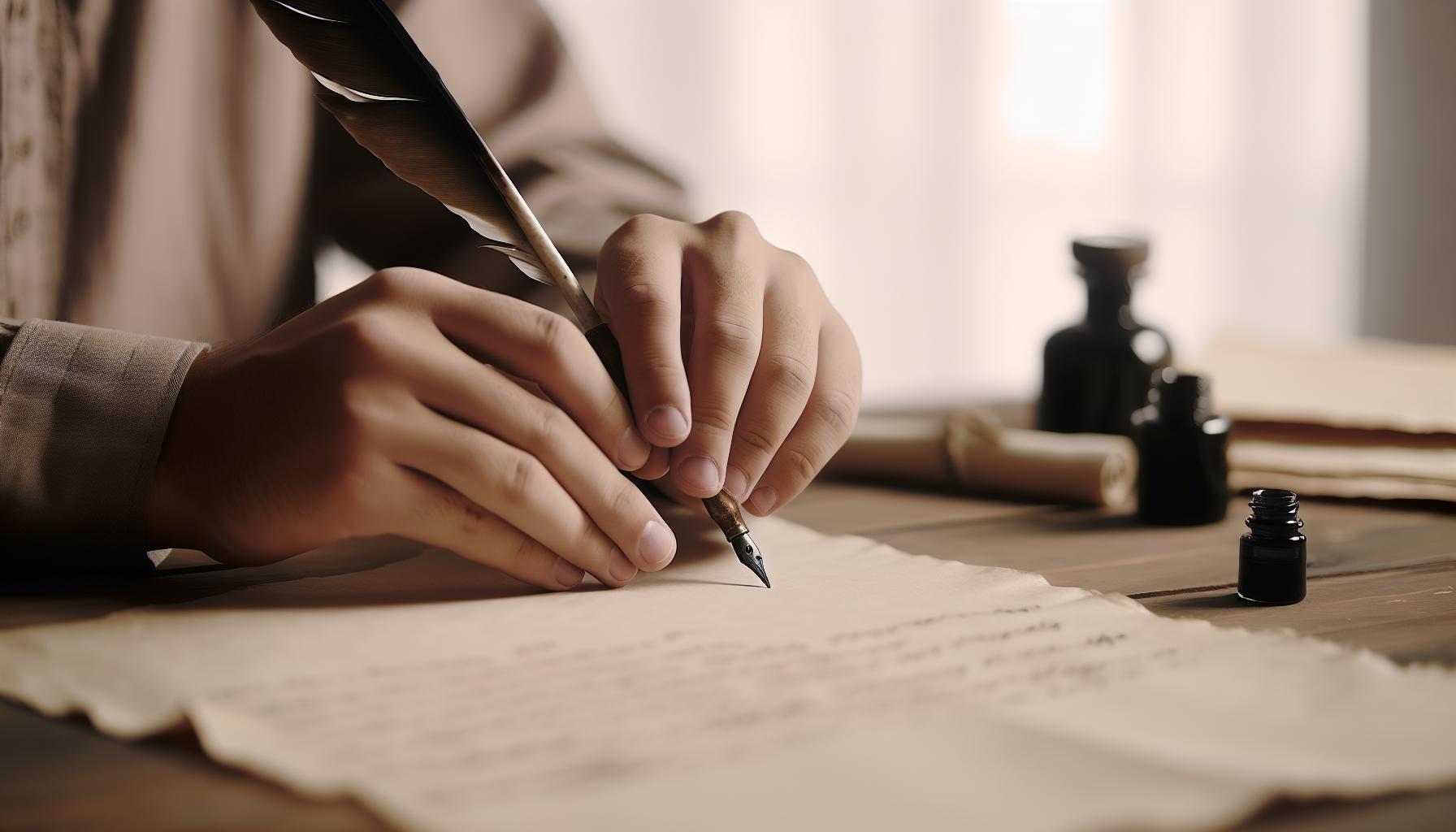
Mastering the Grip: Holding a Quill Pen
The first step to beautiful calligraphy lies in how you hold your quill pen. An improper grip can lead to discomfort, poor ink flow, and less satisfying results. So, let’s break down the essentials of mastering the grip.
Start by holding the quill lightly between your thumb and forefinger. Imagine you’re cradling a delicate flower; the grip should be firm enough to maintain control but soft enough to allow for flexibility. Position the quill at a 45-degree angle to the paper-this angle is critical for achieving smooth lines and an even ink flow. Too steep, and you risk scratching the paper; too shallow, and the pen won’t glide as it should.
Finding Your Balance
Balance is key when it comes to controlling your strokes. Ensure that the weight of the quill is resting on your writing surface rather than in your hand. This not only reduces strain but also allows for a more fluid writing style. Practice making a variety of strokes-quick, slow, heavy, and light. As you experiment, notice how your grip adjusts naturally to the different pressures and movements. Over time, your hand will become accustomed to the quill’s nuances.
Posture Matters
Don’t underestimate the impact of your posture on your grip. A slight lean forward can help you feel more engaged with the paper, resulting in smoother movements. Keep your wrist relaxed; tension can lead to shaky lines. Make sure your writing surface is comfortable. The right height can prevent awkward angles that may affect how you hold the quill.
As you practice, remember that consistency will help you develop your style. Eventually, the act of holding the quill will become second nature, allowing you to focus on what truly matters: creating stunning calligraphic art. So, grab your quill and put these techniques into action-your journey into the elegant world of calligraphy has just begun!
Practice Makes Perfect: Exercise Ideas for Beginners
To truly embrace the art of quill pen calligraphy, practice is not just beneficial-it’s essential. Just like playing a musical instrument, your skills will only improve with consistent exercise. Start with basic strokes, and soon, those simple lines will become the foundation of complex forms.
Begin with a few dedicated practice sessions each week. Focus on creating basic shapes: upstrokes, downstrokes, and crosses. Each stroke has a unique rhythm and pressure. For instance, remember that upstrokes are often lighter than downstrokes. By varying your pressure, you’ll develop a feel for how the ink flows and how the quill reacts to different styles.
Use lined paper or grid paper to guide your hand. You can also create practice sheets with different letters and flourishes. Try replicating each letter multiple times while focusing on consistency. Over time, your speed will increase, but initially, precision should be your goal. Don’t rush the process; allow yourself to relish in the act of writing.
For added fun, set small challenges for yourself. Perhaps you want to write your favorite quote in a specific style, or create a postcard for a friend with a stunning calligraphic message. It’s these little projects that will make practice feel less like a chore and more like a rewarding creative outlet. Additionally, consider using a mirror to write as a way to improve your control and precision. Over time, you’ll notice a significant enhancement in your technique, resulting in elegant, flowing letters that make your work stand out. The key is to enjoy the journey-each stroke is a step toward mastering the timeless art of quill calligraphy.
Choosing the Right Ink and Paper
is crucial for achieving stunning results in quill pen calligraphy. Using subpar materials can lead to frustration as you battle against ink bleed, feathering, or uneven lines. You’ll want to aim for a combination that complements your style and enhances your creative process.
Start with ink. Dip pens typically perform best with liquid ink, which flows smoothly and allows for a variety of line thicknesses. You may want to explore iron gall ink for historic projects, as this traditional ink offers rich, deep colors that hark back to the Renaissance period. On the other hand, India ink is a reliable choice for vibrant colors and excellent coverage. Just remember that different colors will behave differently, so always test a few to find your favorites. Always consider the ink’s viscosity; thicker inks may require more pressure and can clog the nib if it’s too thick.
When it comes to paper, opt for high-quality, smooth surfaces that can withstand the ink without warping or bleeding. Look for paper specifically designed for calligraphy or high-quality drawing paper. Bristol board and vellum are excellent choices, as they provide a firm surface that’s easy to work with and can handle heavy ink applications. If you prefer a more textured finish, just make sure that it doesn’t interfere with your nib’s glide. Fine-grain or medium-grain papers can give a distinct character to your letters.
A few practical tips: always experiment with your chosen ink and paper combo before diving into a big project. Create a test sheet to see how the ink dries and behaves with your quill. This way, you can adjust your technique or materials accordingly. Armed with the right ink and paper, you’ll find that your quill calligraphy can flourish beautifully, allowing each letter to shine with your personal touch.
Exploring Different Calligraphy Styles
Exploring the world of calligraphy with a quill pen opens the door to a rich tapestry of artistic styles, each with its own unique flair and historical significance. From the elegant curves of Copperplate to the bold strokes of Gothic, every style has a story to tell. Not only does each calligraphy style evoke different emotions, but they also reflect the cultural contexts from which they emerged.
One popular style to delve into is Copperplate. Recognized for its fluidity and grace, Copperplate calligraphy relies on a pointed nib to create thin upstrokes and thick downstrokes, leading to a beautiful contrast in line weight. If you want to start with this style, consider practicing the fundamental strokes-these form the backbone of the letters. Try writing the alphabet iteratively, focusing on maintaining the sensitivity of your pressure with the quill.
Another captivating style is Gothic, which stands out for its dramatic angular letters. This style is not just visually striking but also historically significant, often associated with medieval manuscripts. To master Gothic, practice writing in isolation first; start with simpler shapes before progressing to more complex letters. Experiment with different variations like Old English, which often features ornate serifs and embellishments.
Incorporating Modern Calligraphy into your repertoire offers a refreshing twist. This style emphasizes personal expression over strict rules, allowing for creativity and spontaneity. Practicing modern calligraphy is all about finding your unique voice-combine various letterforms, play with spacing, and implement unique flourishes. You could even mix in watercolor or chalk markers to personalize your pieces further.
As you explore these styles, don’t shy away from blending them. Mixing elements from Copperplate’s elegance with Gothic’s strength can create stunning pieces that showcase your artistic range. Use practice sheets to rearrange letters and develop your style-experimentation is key. Remember, the journey of mastering calligraphy is as beautiful as the end result, so enjoy the process.
In the end, whether you’re drawn to the precision of traditional styles or the freedom of modern approaches, each practice session with your quill is an opportunity to learn and evolve. By diversifying your skills in different styles, you not only enhance your repertoire but also deepen your appreciation for this timeless art form.
Adding Flourishes: Creativity with Calligraphy
Incorporating flourishes into your calligraphy adds a layer of creativity that can transform your work from simple lettering to breathtaking art. Flourishes are those delicate, decorative elements that enhance the basic letterforms, giving your calligraphy a unique flair. They can range from subtle embellishments to elaborate swirls, significantly elevating the overall aesthetic of a piece. Mastering the art of flourish not only enhances your skills but also encourages your individuality as an artist.
To start experimenting, look at various styles of flourish that resonate with you. For instance, consider doing controlled exercises to develop your technique. Start by sketching light curves and curls around the letters. Use guiding lines if it helps, and don’t be afraid to play with different angles and sizes. Begin with basic strokes: practice loops and hearts, but remember to keep your movements natural and fluid. A good tip is to maintain even pressure on the quill while executing your flourishes; this ensures consistent ink flow and line thickness.
As you gain confidence, begin integrating flourishes directly into your letters. For example, you might expand the ascenders of letters like ‘b’ or ‘h’ into decorative loops or add serifs that transition smoothly into flowing lines. Adding flourishes to the ends of letters can also create a beautiful, cohesive look. It’s important to remember that flourishes should complement the text without overwhelming it. Think balance-too much detail can distract from the message you are conveying.
Consider drawing inspiration from historical manuscripts or modern calligraphy designs online. You’ll find endless examples of how artists use flourishes effectively. Keep a journal of your favorite designs and try to replicate them. Practicing will not only improve your dexterity but also help you develop an eye for detail. Connect with other calligraphy enthusiasts through social media or local groups to share your work and gather feedback. Ultimately, remember that adding flourishes is about expressing your creativity and enhancing your lettering journey-let your imagination guide you!
Troubleshooting Common Calligraphy Mistakes
Getting started with quill pen calligraphy can be both exciting and a bit daunting. Mistakes are part of the learning process, but knowing how to troubleshoot those common errors can elevate your practice significantly. Whether you’re dealing with inconsistent ink flow, uneven pressure, or shaky lines, recognizing these issues early will save you time and frustration.
One of the most prevalent mistakes is inconsistent ink flow. This can stem from not dipping your quill deeply enough or from using the wrong type of ink. To troubleshoot, dip your quill into the ink more thoroughly, ensuring it fills the reservoir to allow for a steady flow. If you’re still struggling, consider trying a different ink that’s specifically designed for calligraphy-it can make all the difference. Also, keep your quill nib cleaned; dried ink can block the flow, leading to gaps or skips in your writing.
Another common issue is uneven pressure, which can lead to inconsistent line thickness. The key to mastering pressure is to practice controlled strokes. Start with basic shapes on scrap paper and focus on varying pressure while you draw. Your strokes should be light on the upstrokes and heavier on the downstrokes. A great exercise is to create a stroke pattern chart; this can help you visualize and control your pressure as you write. Remember, there’s no rush-take your time to build muscle memory.
Lastly, don’t overlook the importance of your grip and hand positioning. If your hand is too tense or positioned awkwardly, it can cause wobbly letters. Relax your grip around the quill and ensure that your wrist is at a comfortable angle. Take a moment to adjust before resuming your work. You’ll find that a proper grip leads to smoother letters and a more enjoyable writing experience.
In calligraphy, embracing your mistakes is key. Each error is an opportunity to refine your technique and discover your unique style. By troubleshooting these common missteps, you’ll not only improve your skills but also gain confidence in your artistic journey with the quill pen.
Historical Significance of Quill Pen Calligraphy
The quill pen has left an indelible mark on the history of art, transforming the mundane act of writing into a sophisticated craft. Originating in the medieval period from the feathers of birds-most notably geese-quill pens became the tool of choice for scribes, artists, and scholars. This simple yet elegant writing instrument enabled intricate calligraphy that reflected the social status and artistic sensibilities of its user. In an era when printing was rare, the art of calligraphy with a quill was a significant form of communication, expression, and artistry.
Throughout history, quill calligraphy has played a pivotal role in the documentation of scientific discoveries, philosophical treatises, and religious texts. Notable figures such as Leonardo da Vinci and Thomas Jefferson wielded quills with great dexterity, producing works that combined beauty with intellect. The Renaissance period, in particular, witnessed a flourishing of calligraphic styles, as artists like Albrecht Dürer and even William Shakespeare utilized quill pens to create visually stunning texts. The curves, flourishes, and variations in thickness achievable with a quill allowed calligraphers to express personality and emotion through text.
The decline of quill pen use came with the advent of the fountain pen and eventually digital writing tools, threatening to diminish this art form. However, in recent years, there’s been a resurgence of interest in traditional calligraphy, driven by a desire for nostalgia and authenticity in a fast-paced digital world. Workshops and online tutorials are proliferating, inviting a new generation to explore the roots of this ancient practice. By reviving quill pen calligraphy, artists not only reconnect with the past but also discover the meditative benefits of crafting letters by hand, fostering creativity in ways that typed words simply cannot replicate.
Embracing quill pen calligraphy today is about more than just aesthetics; it’s an exploration of history and culture, a bridge linking the past with the present. As more people pick up this time-honored tool, they help preserve a valuable part of our artistic heritage, ensuring that the elegance and significance of quill calligraphy continues to inspire future generations.
Reviving Quill Pen Calligraphy in Modern Times
Embracing the art of quill pen calligraphy today isn’t just about picking up a historical tool; it’s about connecting with a form of expression that transcends our fast-paced digital world. Many people are rediscovering the beauty of hand-lettering as a way to slow down and add a personal touch to their communications. The stroke of a quill offers an intimacy and warmth that typing simply can’t replicate. This resurgence can be attributed to a blend of nostalgia and the rising interest in handcrafted aesthetics, making quill calligraphy a unique form of personal expression.
While traditional calligraphy classes can still be found, modern enthusiasts have numerous online resources at their fingertips. Websites and social media platforms are teeming with tutorials, inspiring examples, and communities that celebrate this time-honored craft. Participating in workshops-either locally or virtually-allows you to gather insider tips from experienced calligraphers. You’ll find that sharing your work online not only holds you accountable but also invites constructive critique and encouragement from a diverse range of artists.
For those new to quill calligraphy, starting with the right tools is essential. Here’s a quick list of what you’ll need to dive in:
- A high-quality quill pen: Look for options that allow for easy replacement of nibs.
- Ink: Choose between traditional liquid ink or bottled ink formulated specifically for quills.
- Specialized paper: Smooth, heavy paper reduces ink bleed and enhances your strokes.
- Flexibility to explore: Don’t be afraid to experiment with styles and techniques; each attempt is part of the learning process.
As you engage with this revival, you’re not only honing a craft but also contributing to a larger movement that values mindfulness, artistry, and historical appreciation. Every stroke reminds us of those who came before us, making each letter not just a word but a piece of art. This journey is less about perfection and more about the joy of creation. So whether you’re crafting personalized stationery or creating intricate works of art, remember: each quill stroke is a step in reviving a beautiful tradition that’s definitely worth pursuing.
Resources for Further Learning and Inspiration
To truly dive into the world of quill pen calligraphy, it’s essential to tap into a wealth of resources that can guide and inspire your journey. Numerous online platforms and communities are dedicated to this timeless art form, making it easier than ever to learn and grow your skills. Whether you’re looking for tutorials, video lessons, or inspiration from other artists, there’s a treasure trove of material available right at your fingertips.
One of the best places to start is YouTube, where you can find countless tutorial videos that cover everything from basic strokes to complex designs. Look for channels specializing in calligraphy, where experienced calligraphers demonstrate techniques and share tips. Websites like Instagram and Pinterest are also excellent for visual inspiration; follow calligraphy hashtags to discover contemporary artists and their unique styles. Additionally, consider joining online forums and social media groups where enthusiasts share their work, seek advice, and critique each other’s pieces. This kind of community interaction can be incredibly motivating and provides opportunities for constructive feedback.
Moreover, don’t underestimate the value of books on calligraphy. There are many excellent instructional books available that offer step-by-step guides, practice exercises, and insights into historical styles. Titles like “The Art of Calligraphy” by David Harris provide foundational techniques and can serve as a great reference as you practice.
Lastly, many local art shops or community centers may host workshops or classes-either in-person or online. Participating in a structured environment allows you to learn directly from experienced calligraphers and connect with fellow novices, which can significantly enhance your learning experience. Remember, every artist starts somewhere, and embracing continuous learning will elevate your craft. The world of quill pen calligraphy is vibrant and welcoming; all you have to do is take that first step.
Frequently asked questions
Q: What materials are best for practicing calligraphy with a quill pen?
A: To practice calligraphy with a quill pen, use high-quality, smooth paper to prevent bleed-through and allow for clean lines. Inks that flow easily, such as fountain pen ink or liquid calligraphy ink, work best. For beginners, consider practicing on a ruled or grid paper to stay consistent with letter sizes.
Q: How do I clean my quill pen after use?
A: Cleaning your quill pen is crucial for its longevity. After use, gently rinse the nib under cold water to remove excess ink. Avoid using hot water as it can damage the nib. Dry it carefully with a soft cloth and store it upright to prevent bending.
Q: Can anyone learn quill pen calligraphy, or is it difficult?
A: Absolutely, anyone can learn quill pen calligraphy! While it may seem challenging at first, with practice and patience, you can master the techniques. Start with basic strokes and gradually progress to letters and flourishes. Don’t forget to practice regularly for improvement!
Q: What are some common mistakes in quill pen calligraphy and how can I avoid them?
A: Common mistakes include insufficient ink on the nib and pressing too hard while writing. To avoid these, ensure the nib is well-prepped with ink before starting and use a light touch while writing. Consistent practice will help you develop better control.
Q: How do different inks affect my quill pen calligraphy?
A: The type of ink can significantly impact your calligraphy. Inks with different viscosities will change the flow and thickness of your lines. For example, thicker inks are good for bold strokes, while thinner inks can produce delicate details. Experiment to find what suits your style.
Q: What should I consider when choosing a quill pen for beginners?
A: For beginners, select a quill pen that is comfortable to hold and easy to manipulate. Look for pens with flexible nibs that can produce varying line widths. A set that includes multiple nib sizes can also be beneficial for exploring different styles.
Q: Are there any online resources for learning quill pen calligraphy?
A: Yes, there are numerous online resources available, including tutorials, video classes, and forums. Websites like YouTube offer comprehensive guides on techniques, and calligraphy blogs often share tips and inspiration. Check out the ‘Resources for Further Learning’ section in your guide for more specific recommendations.
Q: How long does it take to become proficient in quill pen calligraphy?
A: The time it takes to become proficient in quill pen calligraphy varies. With regular practice, many learners see substantial progress within a few weeks to months. Consistency is key, so dedicate time to practice different techniques regularly for the best results.
In Conclusion
Now that you’ve uncovered the art of writing calligraphy with a quill pen, it’s time to put your skills into practice! Remember, each stroke you make revives a historic craft that connects us to centuries of tradition. Don’t let your newfound knowledge sit idle-grab your quill and start creating beautiful pieces today!
If you’re eager to explore further, check out our guides on “Choosing the Right Inks for Calligraphy” and “Advanced Calligraphy Techniques” to deepen your artistry. And don’t forget to join our newsletter for tips, inspiration, and updates-we’d love to see what you create!
Have questions or want to share your progress? Drop a comment below or connect with our community on social media. Every artist was once a beginner, and we’re here to support you every step of the way. Embrace your creative journey, and let’s keep the conversation going!