
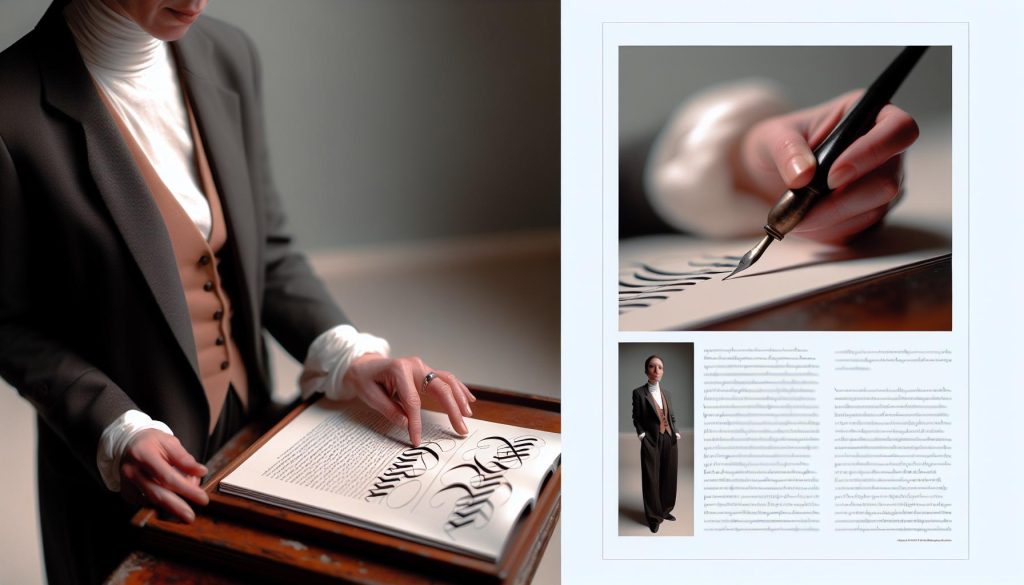
If you’ve ever marveled at the elegant curves of Copperplate calligraphy, you’re not alone. This timeless art form captivates many, but mastering it starts with the right tools-namely, the oblique calligraphy pen. This specialized pen not only helps achieve those beautiful strokes but also offers greater control and comfort than traditional pens. Whether you’re a seasoned scribe or a curious beginner, learning to use an oblique pen can elevate your writing and artistry to new heights. In this guide, we’ll dive into the essentials of utilizing an oblique calligraphy pen, showcasing how this simple shift in your toolkit can unlock your creative potential and transform your Copperplate script into a stunning visual experience. Let’s embark on this calligraphic journey together!
How Oblique Calligraphy Pens Work: A Beginner’s Guide
To truly understand the artistry behind copperplate calligraphy, grasping how oblique calligraphy pens work is essential. These specialized pens are designed with a unique angled nib that enables the creation of the elegant flourishes and varying stroke widths characteristic of copperplate. The oblique angle allows for a fluid writing motion, which is crucial when forming the delicate loops and sweeping curves that define this style. The nib is held at an angle, typically between 30 to 45 degrees, which not only contributes to the aesthetic quality but also facilitates smooth ink flow, reducing the risk of scratching the paper.
Getting comfortable with an oblique pen may take some practice. Start by experimenting with the angle of the nib while maintaining a relaxed grip. Your wrist should remain loose, as this natural flexibility allows for better control and smoother movements. It’s important to remember that each stroke’s pressure varies-lighter for upward strokes and heavier for downward strokes, creating the variation necessary for beautiful script.
As a beginner, get familiar with different nibs; some are stiffer and deliver more precision, while others are more flexible, allowing for expressive flourishes. Pair your pen with high-quality, smooth paper to enhance the flow of ink and prevent feathering-this makes a noticeable difference in the final appearance of your work. Regular practice, starting with basic strokes and simple letters, will build your confidence and improve your technique, setting a solid foundation for mastering the copperplate style.
Choosing the Right Oblique Pen for Copperplate
Selecting the right oblique pen for copperplate calligraphy can make all the difference in your writing journey. A quality oblique pen is not just about aesthetics; it’s about achieving the fluidity and precision that this elegant script demands. Start by considering the nib. Copperplate requires fine control, so opt for a nib that is both flexible and responsive. Nibs like the Nikko G or the Zebra G are popular choices among calligraphers for their ability to create delicate hairlines and robust downstrokes.
Besides nib selection, pay attention to the pen holder. An oblique pen holder should be ergonomically designed for comfort, allowing your hand to maintain a natural grip while writing at an angle. There are a variety of holders available, some made from wood, others from plastic or metal. Test a few to find the one that feels best in your hand. This is crucial because you’ll want to avoid fatigue during longer practice sessions.
When choosing an oblique pen, consider the angle at which the nib is held. Different holders come with varying angles-commonly set between 30 and 45 degrees. If you’re new to copperplate, starting with a holder that’s set at 45 degrees can provide a good balance for achieving the desired flourish and stroke variation. Experiment with different angles as you gain control and confidence.
Lastly, don’t overlook the importance of pairing your oblique pen with the right paper and ink. High-quality, smooth paper prevents feathering and allows the ink to flow freely, while certain inks can better adhere to the nib and create a rich, consistent line. With the right tools in hand, you’ll set the foundation needed to flourish in your copperplate calligraphy, enjoying each stroke as you refine your unique style.
Mastering the Basics of Copperplate Calligraphy
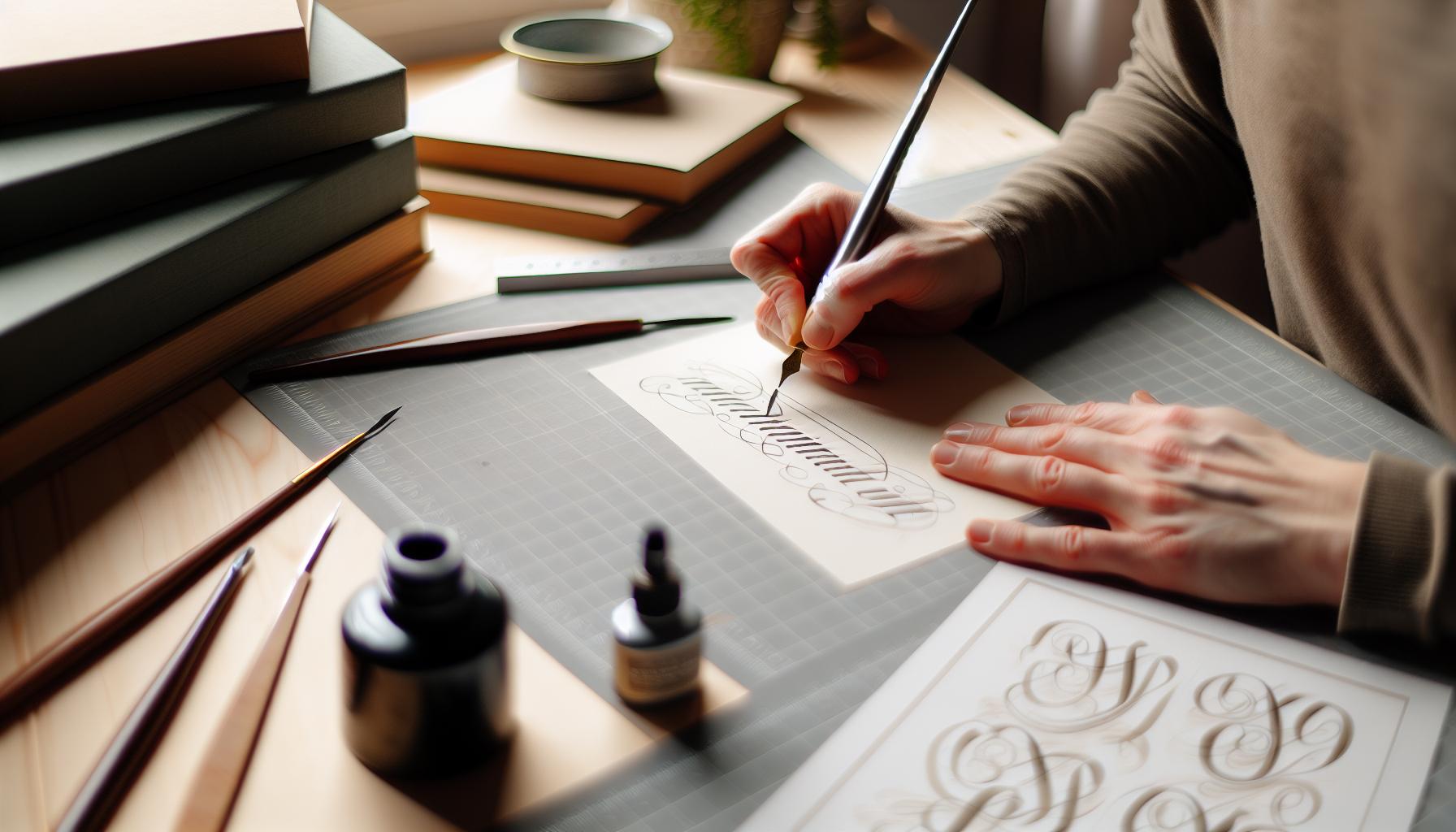
To truly excel in Copperplate calligraphy, you need to embrace both technique and flow. This elegant writing style is characterized by its graceful, looping strokes that require practice and patience. Begin by familiarizing yourself with the fundamental shapes that make up the letters. Spend time on basic drills-these foundational exercises will enhance muscle memory and control, key to mastering Copperplate.
Start with simple strokes: upstrokes should be light and delicate, while downstrokes should be bold and sustained. Key techniques include:
- Consistent Pressure: Apply light pressure on the upstrokes and heavier pressure on the downstrokes to create the signature contrast.
- Angle Practice: While using your oblique pen, maintain a consistent angle that feels comfortable. Often, a 45-degree angle works best for beginners.
- Relaxed Grip: Avoid holding your pen too tightly. An easy grip helps facilitate smoother movements across the page.
As you practice, don’t forget to pay attention to your posture. Position your paper at a comfortable angle, so you can maintain fluid wrist movements without straining. Using a light table can help you view your strokes from different angles, which is especially handy when you’re still finding your footing.
In addition, utilize guides for consistency. Creating or printing out practice sheets with slanted lines can help you keep your letters uniform in size and inclination. This structured approach not only aids in visualizing letter formation but also encourages staying aligned with the Copperplate flow.
Ultimately, patience is your best ally. Regular practice will yield improvement, so set aside time to refine your strokes and immerse yourself in each movement. Embrace the process, and you’ll find that the beauty of Copperplate calligraphy isn’t just in the final result but also in the joy of continuous learning.
Essential Calligraphy Supplies Beyond the Pen
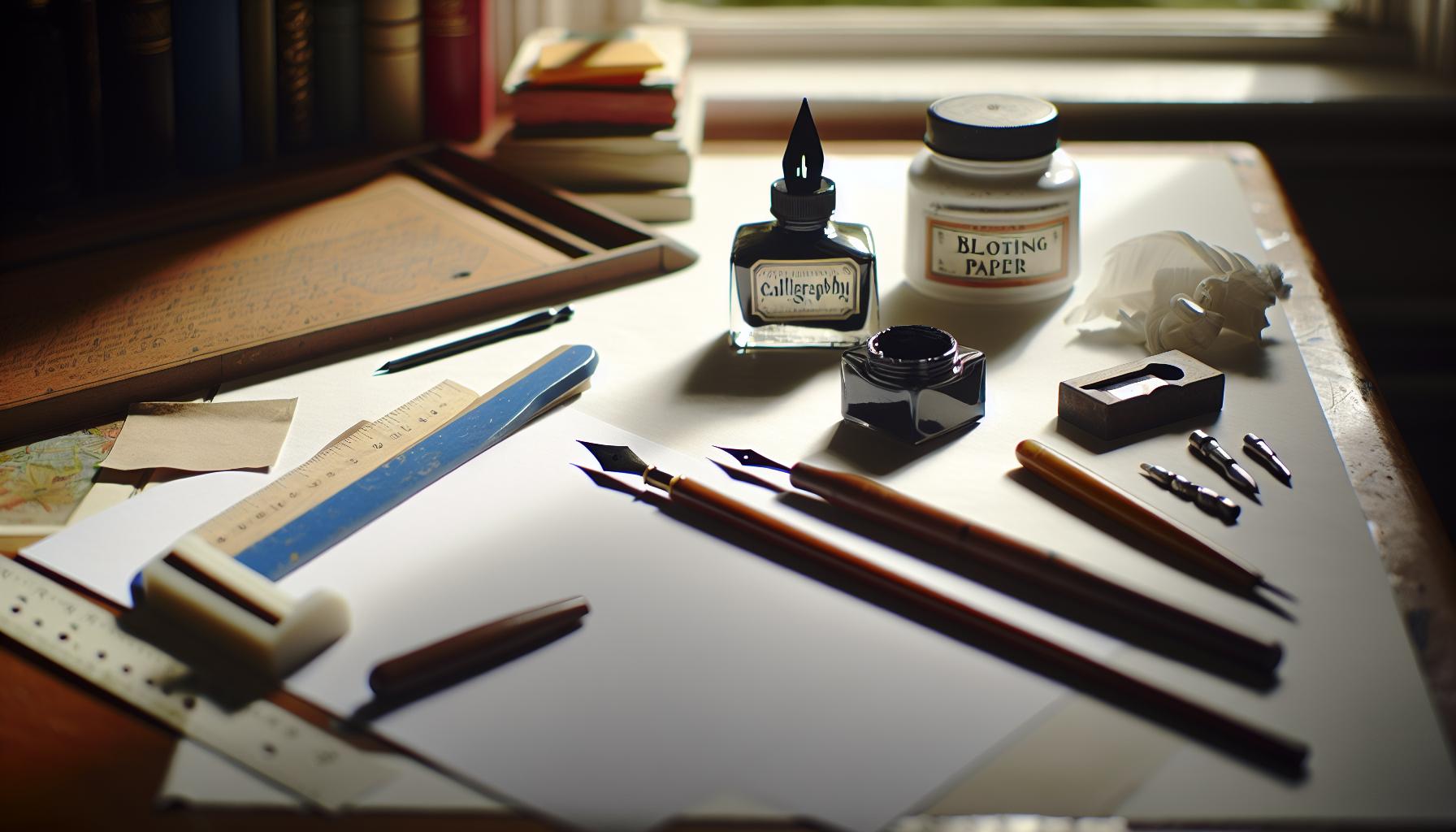
Want to elevate your Copperplate calligraphy? It’s not just about picking the right oblique pen; having the right supplies can make all the difference in your practice and results. Beyond just your writing instrument, there are essential tools that can dramatically enhance your experience and outcome.
First up is high-quality paper. The type of paper you choose can significantly affect your strokes and ink flow. Look for smooth, heavy-weight papers specifically designed for calligraphy. These will prevent bleed-through and feathering, ensuring your work maintains clarity. A pad with a slight texture can also create a nice tactile experience, helping you gauge the pressure on your strokes.
Inks are equally crucial. While black ink is a classic choice, don’t shy away from experimenting with colored inks to add flair to your projects. Look for inks that are opaque and have great flow properties. These will help achieve that smooth, continuous line essential for Copperplate style. Keep in mind that some inks may require different types of nibs, so experimenting can lead to exciting discoveries.
Don’t forget about guidelines. Using practice sheets or printed guides with slanted lines can help you keep your letters uniform in size and angle. You can create your own or purchase pre-made sheets tailored for Copperplate practice. Regularly working with guides will install a sense of consistency in your writing.
Finally, consider investing in accessories like a comfortable chair and a sturdy desk. Your writing environment plays an often underrated role in your calligraphy journey. A proper setup supports good posture and focus, allowing you to channel your creativity without physical distraction.
These supplies collectively create a solid foundation for your calligraphy practice. Each element may seem small, but together they contribute immensely to the quality and enjoyment of your craft. So, gear up and let your creativity flow!
Techniques for Steady and Consistent Strokes
To create beautiful Copperplate calligraphy, mastering steady and consistent strokes is non-negotiable. The oblique pen can feel tricky at first, but with the right techniques, you’ll find your rhythm and elevate your writing to an art form. The key lies in your grip, the angle of your pen, and your body posture.
First, let’s talk about grip. Hold the oblique pen lightly, allowing it to rest comfortably in your fingers. Your grip should be relaxed, not tense. This freedom of movement is crucial for making fluid strokes. The pen’s nib should be aligned with the angle of your writing surface, typically at around 45 degrees for Copperplate. Practice writing basic strokes like oval shapes and loops. These aren’t just warm-ups; they’re essential strokes that form the foundation of letters.
Next, focus on your hand positioning and body posture. Sit up straight with your feet flat on the ground and your writing surface at a comfortable height. This positioning allows you to move your entire arm rather than just your wrist, which helps maintain a steady flow. Use your shoulder and upper arm to guide the pen during larger strokes-think of it as drawing from your entire arm. It reduces fatigue and enhances control.
Now, let’s address speed. Many beginners rush, eager to see results. Slow down! Controlled, deliberate movements will yield much cleaner strokes. Use a metronome or soft music to maintain a steady pace. As you gain confidence, gradually increase your speed without compromising stability.
Finally, practice is your best friend. Spend time working on practice sheets designed for Copperplate calligraphy, focusing on stroke consistency and letterforms. Regular practice not only builds muscle memory but also lets you experiment with pressure variations, which can add character to your writing.
In summary, creating steady and consistent strokes with an oblique pen involves mindful grip, relaxed posture, practice, and patience. Dive in, make the mistakes, and enjoy the process-it’s all part of the beautiful journey into calligraphy.
Common Mistakes to Avoid When Using Oblique Pens
Using an oblique pen can elevate your Copperplate calligraphy, but it’s easy to fall into common traps that hinder your progress. Many beginners underestimate how crucial the right angle and grip are for successful strokes. It’s not just about holding the pen; it’s about holding it correctly. A common mistake is gripping the pen too tightly, leading to tension and shaky movements. Instead, aim for a relaxed grip that allows the pen to glide smoothly across the paper.
Another frequent misstep is neglecting the angle at which the nib touches the paper. The oblique pen is designed to help achieve the correct slant for Copperplate, but if you’re not mindful of your angle, you risk uneven strokes and unsatisfactory results. Make sure to position your pen nib at about 45 degrees relative to your writing surface. This angle is key to achieving those elegant upstrokes and downstrokes characteristic of Copperplate.
Additionally, many novice calligraphers rush through their practice, hoping to see quick results. Patience is your ally here. Quick motions typically yield jagged lines and inconsistent letters. Instead, take your time with each stroke. Use a metronome if you need a steady rhythm. Focus on the fluidity of your movements. Remember, it’s about quality over quantity.
Finally, don’t be afraid of making mistakes; they’re part of the learning curve. However, recognize what those mistakes are and adjust your practice accordingly. If you find your letters lacking proper spacing or consistency, pause and analyze your technique. Regularly revisiting your basics can keep you grounded and encourage improvement. Stay persistent-over time, you’ll develop a style that reflects your unique artistic voice.
Developing Your Unique Calligraphy Style
When you pick up your oblique calligraphy pen, you’re not just connecting ink to paper; you’re engaging in a dialogue of style, personality, and artistic expression. is about more than mastering the Copperplate script-it’s about infusing it with your essence. Think of it as a journey, where each stroke and letter reflects your individuality.
Start by experimenting with various techniques and embellishments. Perhaps you can introduce slight flourishes or adjust the weight of certain strokes. You could also play with the space between letters or incorporate unique color choices. For example, if traditional black ink isn’t your vibe, try using a deep blue or even metallic inks for a touch of flair. Don’t shy away from mixing and matching elements you love from different styles. The beauty of calligraphy is that it evolves with you, allowing for a personal twist on the classic forms.
Another powerful way to develop your style is to study the work of others. Look at established calligraphers but focus on how they interpret Copperplate. What resonates with you? Is it their line thickness, their spacing, or perhaps their choice of paper? Create a collection of pieces that inspire you, and analyze what makes them appealing. This can help you identify what elements you want to adopt and adapt in your own work. Try to break down those elements and practice them in isolation before weaving them back into your letters.
Lastly, keep a journal of progression. Document your practice sessions, noting what techniques worked and which ones didn’t. Reflect on your evolution over time by revisiting older pieces. This retrospective will not only highlight your growth but also reveal patterns and preferences that can guide your future work. Remember, every mistake is a stepping stone. Embrace them, learn from them, and incorporate those lessons into your style.
In essence, is an ongoing process. Allow yourself the grace to grow and change, ensuring that your calligraphy remains a true reflection of you.
Advanced Techniques for Copperplate Mastery
To truly master Copperplate calligraphy using an oblique pen, you need to elevate your skills beyond the basics. One of the most effective advanced techniques is implementing varying pressure on the nib to create dynamic line variations. This pressure control not only shapes the letters but also adds an artistic flair that makes your work stand out. For instance, when creating thick downstrokes, apply more pressure, and relax your grip during the upstrokes for a delicate line. This contrast gives a visual rhythm to your writing that is quintessential to Copperplate.
Another technique to enhance your Copperplate mastery is to practice compound curves and loops. These are integral to creating the characteristic swirls and flourishes in Copperplate. Set aside specific practice sessions where you focus solely on these flourishes. Use light pencil guidelines to help you maintain consistent spacing and angles as you refine your curves, ensuring they flow smoothly into the letters. Once you’re comfortable, try incorporating these flourishes directly into your writing, making them an integral part of your style.
Finally, don’t underestimate the power of ink choice and color. Experimenting with different inks can dramatically affect the outcome of your work. Consider using walnut ink for a vintage feel or iridescent inks to add a touch of modernity and shimmer. Each ink behaves differently with the oblique pen, affecting the flow and saturation of your strokes. Take notes on how each ink responds to your techniques; this can lead to personalized adjustments that can further refine your style.
Remember, mastery is not just about replicating what you see but also about adding your unique touches. Keep pushing your boundaries, explore different techniques, and most importantly, enjoy the journey of developing your Copperplate calligraphy into a true expression of art.
Inspiring Calligraphy Projects to Try
There’s something magical about transforming everyday items into personalized works of art. Whether you’re new to Copperplate calligraphy or looking to stretch your creative wings, inspiring projects can reignite your passion and help hone your skills with an oblique pen. Here are several engaging ideas that combine practice with the joy of artistry.
Handwritten Quotes
Transform inspirational quotes into stunning pieces of art. Start by selecting meaningful phrases that resonate with you. Use high-quality paper and experiment with ink colors to set the mood. Incorporate flourishes around the text, or create decorative borders. By practicing your Copperplate style in this way, you’ll not only refine your technique but also create meaningful art to display at home or give as gifts.
Customized Greeting Cards
Creating personalized greeting cards is a fantastic way to apply your calligraphy skills. Design cards for various occasions-birthdays, weddings, or holidays. Use your oblique pen to write heartfelt messages or names in beautiful Copperplate script. Add embellishments like watercolor backgrounds or hand-drawn elements to make each card unique. This project allows for endless creativity while providing delightful gifts for family and friends.
Calligraphy Journals
Why not combine calligraphy with journaling? Decorate the covers of notebooks or journals with your Copperplate script. Use beautiful headings for section titles, or even create a calligraphy themed journal where you write down your practice sessions, reflections, or poetry. It’s an excellent way to keep your calligraphy practice organized while also creating a treasured keepsake that showcases your progress.
Seasonal Decor
Decorate your space with seasonal calligraphy pieces. For instance, create beautiful scripts of fall sayings for autumn or festive phrases for the winter holidays. Frame them or hang them as part of a gallery wall. This not only gives you practice with your pen but also allows you to contribute personal touches to your home décor, bringing warmth and personality to every season.
These projects are not just about creating art; they’re about enjoying the process of learning and transforming your calligraphy skills into beautiful, functional pieces. So grab your oblique pen, select a project that inspires you, and dive in! You’ll be amazed at how these creative endeavors can elevate your practice and bring joy to your day-to-day life.
Maintaining and Caring for Your Calligraphy Pen
Caring for your oblique calligraphy pen is crucial for achieving beautiful, consistent letters and prolonging your tool’s life. A well-maintained pen can transform your Copperplate practice from frustrating to flowing with ease. Start with the simple habit of cleaning your nib after each session. Ink residue can dry and obstruct the flow, leading to blotches or skips in your work. Rinse the nib under lukewarm water, gently wiping with a soft cloth to ensure it’s fully cleaned. If you use more stubborn inks, a dip in a gentle soapy water solution can do wonders. Always dry your nib thoroughly to avoid rusting or damaging the metal.
Another essential point is to manage how you store your pen. Avoid leaving it inked for long periods, as this can damage both the nib and the holder. Opt for a dedicated pen case that protects it from dust and physical damage. When storing, make sure the nib doesn’t come into contact with any hard surfaces, which can cause it to bend out of shape. If you’re using interchangeable nibs, keep the used ones in a separate, labeled container to avoid confusion later.
Temperature plays a role, too. Extreme heat or cold can affect the ink’s viscosity, impacting how well it flows through your pen. Store your ink away from direct sunlight and in a cool, dry place. Regularly check the condition of your ink bottles. They should be sealed properly to prevent evaporation and crusting around the opening, which can lead to further issues during your writing sessions.
Lastly, take a moment to evaluate your nibs regularly. Over time, nibs can wear out or become scratchy. If your strokes aren’t as smooth as they used to be, it might be time to replace your nib. Experiment with different styles to find the ones that suit your hand and technique best. By investing a little time in maintenance, you’ll keep your oblique pen working beautifully, allowing your artistic flair to truly shine in your Copperplate creations.
Exploring Different Inks and Paper Types
The right ink and paper can make or break your experience with an oblique calligraphy pen, especially when practicing Copperplate style. Not all inks are created equal. For Copperplate calligraphy, you want something that flows smoothly and provides rich color without feathering or bleeding through the paper. India ink is a top choice, known for its deep black and strong consistency. It’s water-resistant, making it perfect for final pieces, but be careful-it can clog your nib if left too long.
When it comes to paper, look for options specifically designed for calligraphy. Smooth, heavyweight papers are ideal because they allow your nib to glide easily without skipping. Hot-pressed watercolor paper or specialty calligraphy paper often has a slightly textured surface that adds character to your strokes while still providing the smoothness you need for Copperplate styles. Some popular brands, like Rhodia or Clairfontaine, offer pads with high-quality paper that can handle various inks beautifully.
Experimenting is key! Don’t hesitate to try different combinations of inks and papers to see what enhances your personal style. Take note of how the ink interacts with the paper-does it bleed? Does it dry too quickly? These observations will help refine your technique and produce stunning, professional-looking work.
Lastly, keep in mind the environmental factors. Humidity can affect how ink dries on paper, so consider testing your setup in different conditions. Properly preparing your workspace can significantly aid your journey in mastering Copperplate calligraphy with your oblique pen.
FAQ
Q: How do you hold an oblique calligraphy pen?
A: Hold the oblique calligraphy pen at a 45-degree angle to the paper for optimal ink flow. Keep the nib pointed downward and adjust the grip based on comfort, allowing for controlled, smooth strokes. Practicing this position will help you achieve the beautiful curves characteristic of Copperplate style.
Q: What type of ink is best for oblique calligraphy?
A: For oblique calligraphy, use a high-quality, liquid ink that flows smoothly without being too watery. Fountain pen inks or special calligraphy inks are ideal. They provide rich pigmentation and work well with the nibs you’ll use for Copperplate, helping you create fine, delicate lines.
Q: How do you clean an oblique calligraphy pen?
A: To clean your oblique calligraphy pen, flush it with warm water until all ink is removed. Use a soft brush to clear any residual ink from the nib. Make sure to dry it thoroughly before storing to prevent damage and corrosion, which can affect ink flow in future uses.
Q: Can beginners use oblique calligraphy pens?
A: Yes, beginners can use oblique calligraphy pens! They may take some getting used to due to the angle, but with practice, you’ll develop the necessary control. Start with basic strokes and gradually incorporate more advanced Copperplate techniques to build your confidence and skill.
Q: What paper is suitable for oblique calligraphy?
A: Use smooth, high-quality paper designed for calligraphy, such as Bristol board or specialty calligraphy paper. These types reduce feathering and allow for clean lines. Experiment with different weights to find what works best for your style and technique.
Q: How can I practice Copperplate style with an oblique pen?
A: To practice Copperplate style, start by mastering the fundamental strokes that form the letters. Use practice sheets with guidelines or templates. Consistent practice with focused attention on each stroke will help you gain precision and develop your unique calligraphy style over time.
Q: What common mistakes should I avoid with oblique calligraphy pens?
A: Common mistakes include gripping the pen too tightly, which hinders control, and applying too much pressure, which can damage the nib. Additionally, neglecting to clean your pen properly can lead to poor ink flow. Refer to the section on “Common Mistakes to Avoid” for detailed tips.
Q: How do I troubleshoot ink flow issues in my oblique pen?
A: If your oblique pen has ink flow issues, check for clogs in the nib or a dry reservoir. Clean the nib and ensure the ink is well-mixed, as sediment can settle. Properly storing your pen with the nib facing up can also prevent clogging.
For more detailed information on using an oblique pen for Copperplate style, explore our guide on mastering the basics of Copperplate calligraphy!
Closing Remarks
Now that you’ve mastered the basics of using the oblique calligraphy pen for Copperplate style, it’s time to practice and express your creativity! Remember, each stroke counts, and the more you play with this elegant script, the more your skills will shine. For a deeper dive, check out our guides on “Choosing the Right Ink for Calligraphy” and “Essential Tools for Calligraphy Beginners” to elevate your craft even further.
Feeling inspired? Don’t wait-grab your pen and start creating custom pieces that showcase your unique flair! If you have questions or want to share your progress, drop a comment below; we’d love to hear from you! And if you found this helpful, consider signing up for our newsletter for exclusive tips and tricks to enhance your calligraphy journey. Keep practicing, and let your artistry flow!