

Are you ready to bring a personal touch to your written words? Setting up a Manuscript calligraphy pen correctly is the first step to wielding a beautiful instrument that turns ordinary notes into artful expressions. Whether you’re a beginner eager to learn or an experienced scribe looking to refine your technique, mastering your pen is crucial for achieving smooth, flowing strokes.
Think of your calligraphy pen as an extension of your creativity; when it’s properly set up, it allows you to unlock new levels of elegance and style in your writing. From adjusting the nib to selecting the right ink, each detail contributes to the overall experience. By following this guide, you’ll not only save time and frustration but also embark on a fulfilling journey into the world of calligraphy. So, let’s get those ink flows started and transform your handwriting into stunning calligraphic art!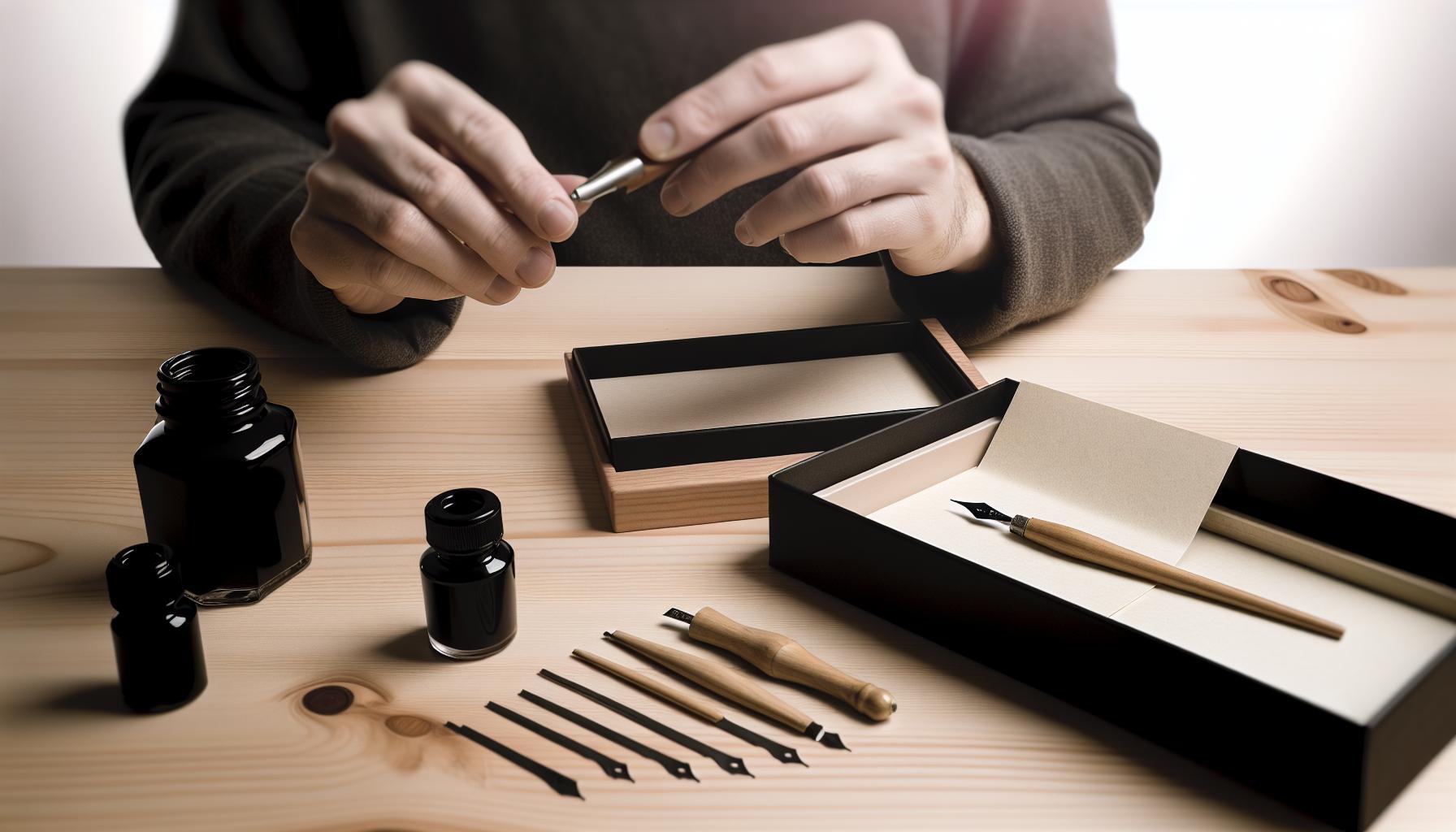
Choosing the Right Manuscript Calligraphy Pen for You
Choosing the right manuscript calligraphy pen can feel overwhelming, especially with so many options available. But don’t stress-understanding a few key factors can make the choice clearer. The right pen is your best tool for achieving beautiful lettering, so consider what feels comfortable in your hand and what type of calligraphy you plan to practice.
Start by looking at the type of nib that suits your style. Nibs come in various shapes and sizes, affecting the line width and style of your letters. For beginners, a medium or broad nib is often recommended, as it provides enough flexibility while still being easy to control. As you advance, you may explore finer nibs for detailed work or flexible nibs that allow for dramatic line variation. Brands like Nikko and Brause are popular among calligraphers for their quality and range.
Next, consider the pen holder. Straight holders are standard, but you might also want to try oblique holders for a different grip and angle. The comfort of your grip can significantly impact your control and endurance while writing. Look for holders made from materials that feel good in your hand-wood, plastic, or ergonomic designs can all enhance your experience.
Lastly, don’t forget about compatibility with ink. Some nibs work better with specific types of ink, affecting flow and performance. For example, if you’re using India ink, ensure your nib can handle its viscosity. Experimentation is key here. Don’t hesitate to invest in a few different setups until you find what feels just right for you.
In essence, the best manuscript pen for you is one that balances comfort, control, and compatibility with your unique style and goals. As you explore, remember that practice is vital to mastering calligraphy, so choose a pen that inspires you to write more often. Happy lettering!
Essential Calligraphy Supplies: Beyond the Pen
When embarking on your calligraphy journey, getting the right tools is essential, but it goes beyond just selecting the perfect pen. To set yourself up for success, you’ll need a few more supplies to enhance your practice and make your creative process smoother. Having the right equipment not only boosts your confidence but also contributes significantly to the quality of your work.
Start with high-quality paper. It may seem trivial, but the surface you write on can either make or break your calligraphy experience. Look for smooth, bleed-proof paper designed for ink and calligraphy. Papers like Bristol board or specifically designed calligraphy pads provide a great canvas for your nib, ensuring ink glides smoothly and reduces the frustration of feathering or bleed-through. Your work will shine when you ensure it looks its best from the very beginning.
Next, think about your ink. While many beginners start with bottled ink, you might also explore other options like fountain pen ink or even ink cartridges that fit your pen holder. Each ink type has its own consistency and flow qualities, which can dramatically affect your writing. For instance, India ink is known for its rich pigmentation but can be thick, so test it with your nib to see how it behaves. Don’t shy away from experimenting with different brands and formulations until you find the one that truly resonates with your style.
Tools for measurement and practice are also crucial. A calligraphy-specific ruler, like the Manuscript calligrapher’s ruler, can help you keep your work aligned and spaced properly, which is vital for maintaining consistency in your letters. Additionally, a good set of practice sheets featuring guidelines can provide a roadmap as you learn basic strokes and letterforms.
Lastly, don’t forget about a comfortable workspace. A sturdy, well-lit table or desk with enough space for all your supplies will make a world of difference. Keep your materials organized within reach, and consider adding a comfortable chair that supports good posture while you write. A conducive environment fosters creativity and encourages you to cultivate your skills.
In summary, investing in these essential supplies-not just the pen-will profoundly enrich your calligraphy experience. When your workspace is set up thoughtfully and you have the right materials at hand, you’re much more likely to enjoy your practice and see improvement over time. Happy dabbling in the art of beautiful writing!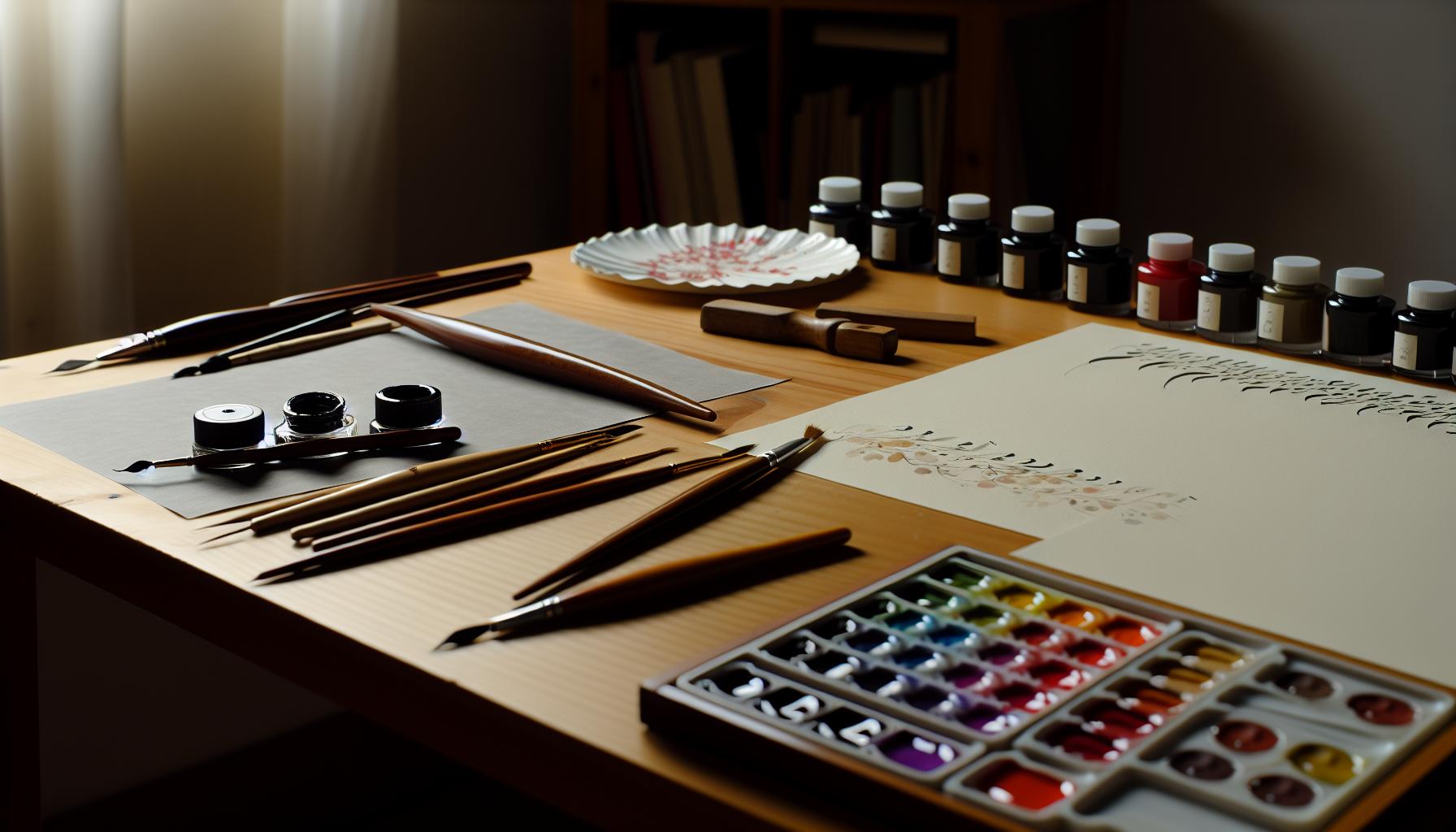
Mastering Basic Calligraphy Strokes: Step-by-Step
The cornerstone of calligraphy lies in mastering the basic strokes, which form the building blocks for all lettering styles. Just like learning to walk before running, familiarizing yourself with these strokes will instill confidence and precision in your work.
Start with the fundamental strokes: upstrokes, downstrokes, over curves, and under curves. Each has its unique feel and requires practice to perfect. Grab your pen and paper, and let’s break it down:
Basic Strokes to Practice
- Upstrokes: These are light and thin lines made by moving the pen upward. Focus on applying minimal pressure as you draw. They’ll help you develop control.
- Downstrokes: In contrast, these lines should be thicker and darker, thanks to increased pressure. Practice drawing downstrokes alongside upstrokes to understand the difference.
- Curves: Mastering both over curves and under curves is crucial. These strokes will teach you fluid movement and how to combine different angles in your lettering.
- Corners: Practice turning corners with your pen. This involves transitioning smoothly from a straight line to a curve, an essential skill for creating elegant letters.
To get started, use practice sheets that provide guidelines. They help in keeping your strokes consistent and aligned. As you progress, focus on speed without sacrificing quality. You’ll find that the more you practice, the more natural these movements will feel.
Incorporate regular practice sessions into your routine. A few minutes each day can lead to noticeable improvements. Sketch basic strokes repetitively, experimenting with different pen angles and pressures. This way, you’ll not only refine your technique but also begin to discover your unique calligraphy style. Remember, patience is key-every stroke brings you one step closer to mastery.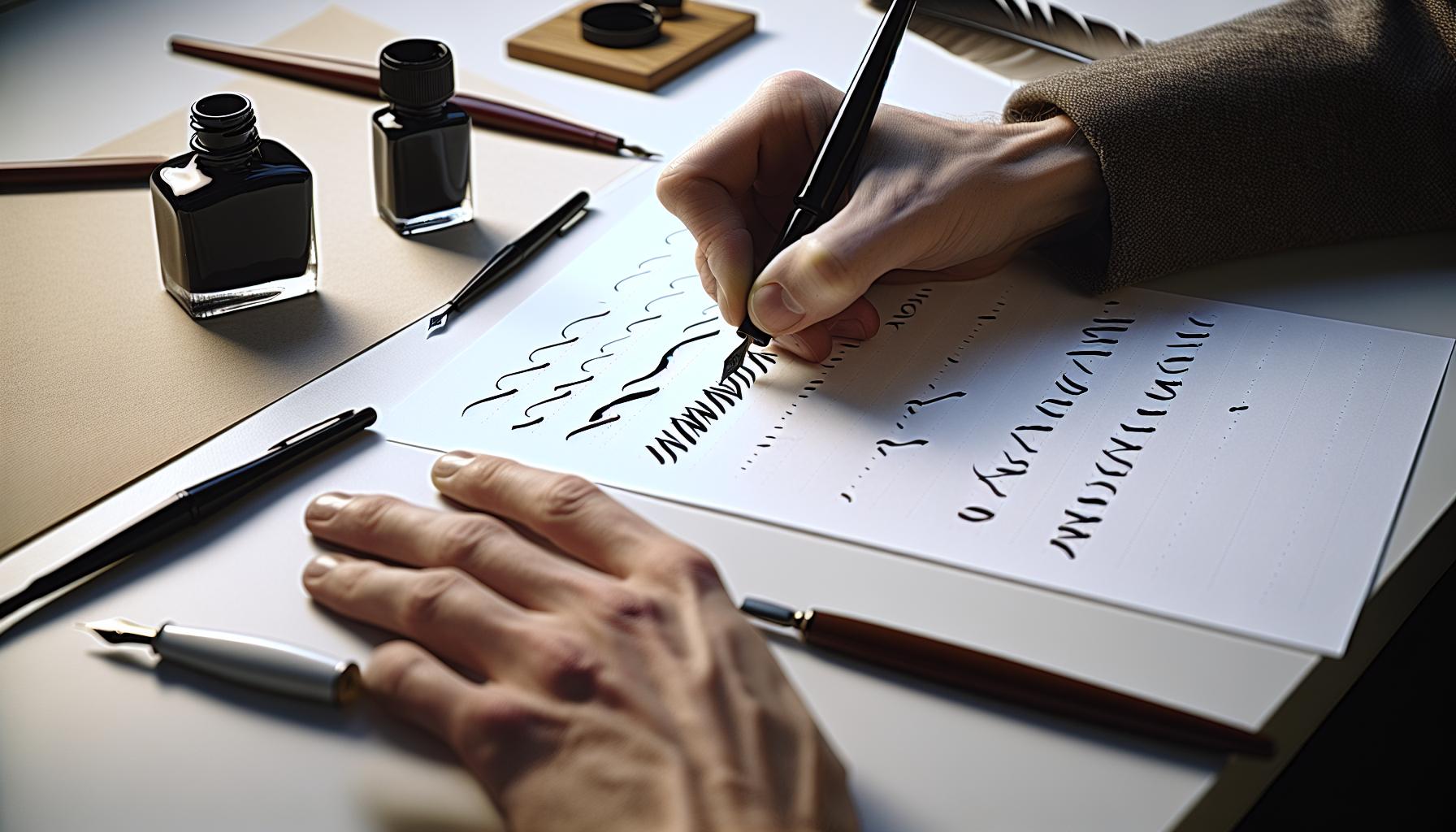
Setting Up Your Workspace for Calligraphy
Creating a dedicated workspace for your calligraphy practice isn’t just about having a desk; it’s about crafting an inspiring environment that fosters creativity and focus. A well-set-up space can enhance your motivation and productivity, turning each session into a delightful experience. The right setup invites you to put pen to paper and immerse yourself in the art of writing.
Start by selecting a clean and well-lit area. Natural light is incredibly beneficial, so if possible, position your workspace near a window. Good lighting reduces eye strain and makes it easier to see the intricacies of your strokes and letters. Ensure your table or desk is at a comfortable height; this can prevent fatigue during long practice sessions. Keep your workspace organized-less clutter means fewer distractions. Use trays or organizers for your supplies like pens, ink, and paper, allowing easy access to everything you need.
Essential Elements for Your Workspace
- Comfortable seating: Choose a chair that supports your back and is adjustable if needed. You’ll appreciate this during those longer creative bursts.
- Quality surface: A firm surface works best. If you love working on different paper types, consider a cutting mat to protect your desk.
- Calligraphy supplies: Keep your pens, inks, and papers within reach. You might even set up a dedicated shelf or drawer for your calligraphy essentials.
- Practice materials: Having various practice sheets on hand can inspire you to try new techniques, especially when you hit a creative block.
Lastly, personalize your workspace with elements that inspire you-think artwork, quotes, or even plants. A small piece of artwork can spark creativity and remind you of your goals. And don’t forget to include a space for your ideas or sketches. This environment is designed for you, so make it a refuge that sparks joy and innovation every time you sit down to write.
How to Properly Hold Your Manuscript Pen
Getting the grip right can drastically change your calligraphy game; it’s all about comfort and control. When you’re holding your manuscript pen, the position of your fingers can either help or hinder your strokes. Start by grasping the pen between your thumb and index finger, allowing the pen to rest gently against your middle finger. This position creates a stable support that reduces tension, allowing for smoother movements.
Aim for a 45-degree angle between the nib and the paper. This angle allows the ink to flow freely, while also ensuring that your strokes remain clean and crisp. As you write, let the pen glide naturally across the paper rather than pressing down hard. You want to maintain a relaxed grip; think of it as holding a bird-firm enough not to let it fly away but gentle enough not to hurt it. If you find yourself tightening up, take a quick break to relax your hand and shake it out before continuing.
Practice makes perfect, so don’t hesitate to experiment with different grips or pen positions to find what feels most comfortable for you. As you become more accustomed to your pen, you’ll develop your unique style and grip that enhances your writing. Remember, the goal is to maintain fluidity in your strokes without straining your hand; comfort leads to better results.
Maintaining Your Manuscript Calligraphy Pen with Care
Taking care of your manuscript calligraphy pen is crucial for maintaining its performance and ensuring a smooth writing experience. A well-maintained pen can last for years and provide consistently beautiful results. The good news? It doesn’t require elaborate rituals-just a bit of attention and some basic cleaning techniques can make all the difference.
First, let’s talk about the nib. After each use, it’s important to clean the nib to prevent ink from drying and clogging the feed. A simple rinse under lukewarm water can do the trick. If you’ve been using a darker or pigmented ink, consider soaking the nib for a few minutes to loosen any stubborn residue. Make sure to dry it completely before storing your pen to avoid any moisture damage. Always remember: dried ink can lead to leaks and poor performance.
Now, keeping the body of your pen clean is just as vital. Dust and oils from your hands can accumulate, potentially affecting your grip and comfort. Wipe down the barrel gently with a soft cloth-microfiber works great-to keep it nice and clean. Pay special attention to where the nib meets the body, as this area can trap bits of ink and dirt.
Lastly, store your pen properly. Cap it or retract the nib if possible. Store it horizontally if you’re using bottled ink or vertically with the nib pointed up to prevent any ink leakage. With these simple yet effective care tips, you can ensure that your manuscript calligraphy pen remains an essential tool in your artistic journey for many projects to come.
Understanding Different Ink Types for Calligraphy
When it comes to calligraphy, the right ink can make all the difference in your writing experience and the final look of your work. With so many types of inks available, understanding their unique properties will help you choose the best one for your manuscript pen. Inks vary in viscosity, drying time, and finish, which can significantly affect your technique and the overall aesthetic of your pieces.
First, let’s discuss the traditional inks. Sumi ink is a favorite among beginners because it has a smooth flow and a rich, deep color. It’s versatile and forgiving, making it ideal for those just starting out. As you get more comfortable, you might want to explore walnut ink, which offers a warmer tone and is great for producing softer, earthy looks in your calligraphy. Both of these inks are water-based, allowing easy cleanup and maintenance of your tools.
If you’re looking to experiment with colorful or unique effects, consider pigment-based inks. These are thicker and can create more textured strokes, but they might require some practice to master. On the other hand, dye-based inks are vibrant and come in a range of hues. They flow easily, but they can fade over time, especially if exposed to sunlight, so keep this in mind based on your project needs.
Here’s a quick breakdown of ink features to consider:
- Waterproof Inks: Great for mixed media projects since they won’t smudge when wet. Ziller Soot Black is a popular choice for those who incorporate watercolors.
- Fast-Drying Inks: Ideal for left-handed writers to avoid smudging.
- Opaque Inks: Perfect for bold lettering and visibility on colored paper.
- Metallic and Glitter Inks: For adding a touch of sparkle and elegance, these inks can transform your lettering into eye-catching pieces.
When setting up your manuscript calligraphy pen, think about how each type of ink will interact with your nib and paper. Testing out different inks on scrap paper can be a valuable practice. With each stroke, you’ll discover what feels best, allowing you to refine your skills and style. Whether you’re crafting personalized cards or working on art pieces, selecting the right ink will elevate your calligraphy work to new heights.
Tips for Practice: Building Calligraphy Skills
To truly excel in calligraphy, practice is non-negotiable. It’s not just about putting pen to paper; it’s about understanding how each movement shapes your style and enhances your skills. Engage in consistent practice by setting aside time each day to write and refine your strokes. Even just 15 minutes daily can lead to visible improvement. Remember, the key is repetition. The more you write, the more your muscle memory builds, allowing your letters to flow naturally.
Start with basic strokes before diving into full letters. Focus on mastering the foundational elements-such as loops, lines, and curves. Break each letter down into these essential strokes to simplify the learning process. Have a dedicated practice sheet where you trace outlines of letters and then gradually move to freehand as you gain confidence. It’s also helpful to adjust the angle of your pen; slight adjustments can make a significant difference in your output.
Don’t forget to keep a record of your progress. Use a sketchbook where you can date each session and note what you focused on. This not only shows your improvement over time but also highlights the areas needing more attention. If you find yourself struggling, celebrate the small victories. Creating a practice group-whether online or in-person-can boost your motivation, providing accountability and inspiration.
Lastly, use resources wisely; follow tutorials, watch videos, and immerse yourself in the calligraphy community. Engage with others who share your passion. Sharing tips and critiques can foster growth and keep you excited about your journey. So, embrace the journey, keep your pen moving, and remember: skill comes from persistence.
Common Mistakes to Avoid When Starting Out
Getting started with manuscript calligraphy can be thrilling, but it’s easy to stumble into common pitfalls that can hinder your progress and frustrate your creative flow. One of the biggest mistakes beginners make is jumping straight into writing without properly setting up their materials. Use the right pen and paper for your chosen style; a calligraphy nib demands paper with a smooth finish to avoid snagging, while using watercolor may require a thicker stock to prevent bleed-through. Test your materials together to ensure they work in harmony.
Another frequent misstep is holding the pen incorrectly. Many beginners grip the pen too tightly or at the wrong angle. This can lead to fatigue and inconsistent results. A comfortable grip allows for fluid movement and better control, so experiment with how you hold your pen until it feels natural. Remember, the goal is to maintain a relaxed hand and wrist.
Speed is also an enemy of elegance in calligraphy. Rushing through your lines can make you sloppy and reduce the beauty of your lettering. Instead, take your time to focus on each stroke; practice slowly to build muscle memory. Breaking down your practice into individual strokes or letters can really help.
Lastly, don’t overlook the importance of practice and feedback. A common mistake is practicing in isolation without seeking input or resources. Join a community, whether online or local, where you can share your work and learn from others. This not only boosts motivation but also provides a wealth of knowledge that can dramatically improve your skills. By avoiding these common mistakes, you’ll set a solid foundation for your calligraphy journey, allowing your unique style to flourish.
Creative Projects to Inspire Your Calligraphy Journey
Starting your calligraphy journey can feel like opening a door to a world of creativity. One of the most exhilarating ways to enhance your skills is by diving into hands-on projects that put your newfound techniques to the test. Think of calligraphy not just as a writing style, but as an art form with limitless possibilities. Here are some engaging project ideas to fuel your inspiration.
Personalized Greeting Cards
Creating customized greeting cards is a fantastic way to practice your calligraphy. Whether it’s for birthdays, holidays, or just because, each card becomes a unique piece of art. Use various ink colors and paper textures to experiment with techniques. Plus, the joy your loved ones will feel receiving a handwritten card makes it all the more rewarding.
Inspirational Quotes Wall Art
Choose your favorite quotes and transform them into decorative wall art. This project not only showcases your calligraphy but also allows you to create something meaningful for your space. Play with different layouts and styles-try mixing cursive with block letters, or add some flourishes to enhance visual interest. You’ll have a gallery of your progression over time!
Calligraphy Journals or Renders
Consider creating a personalized journal where you can practice daily. Use this journal to not only develop your calligraphy but to express thoughts or track your progress as an artist. On the flip side, you might also enjoy making renders: beautifully written passages from books or poems in a stunningly styled format. They’re perfect for gifts or personal keepsakes.
Table Settings for Special Occasions
Bring elegance to your dining experience by crafting calligraphy place cards or menus. This project not only hones your skills but adds a personal touch to any gathering. Guests will appreciate the effort, and you’ll have fun transitioning from simple lettering to more ornate designs as you improve.
Your journey into calligraphy can become even more vibrant with these projects that encourage creativity and practice. Remember, the key is to enjoy the process and let each stroke reflect your unique style. Engage with peers, seek feedback, and watch your skills flourish!
Elevating Your Skills: Advanced Calligraphy Techniques
Advanced calligraphy can feel like a secret club, but it’s accessible with the right mindset and techniques. Once you’ve mastered the basics, diving into more intricate styles will not only broaden your skill set but also expand your creative expression. Experimentation is key-think of it as a playground where each style offers a fresh perspective.
One of the most rewarding ways to elevate your calligraphy is by exploring various nib sizes and types. Different nibs produce unique effects; for instance, a flexible nib allows for dramatic thick and thin strokes, leading to a more dynamic appearance in your letterforms. Consider using a pointed pen for modern styles, while broad-edged nibs can open doors to traditional scripts like Gothic or Italic. Challenge yourself by combining these nibs within a single piece, contrasting styles to elevate your work.
Another powerful method to enhance your skills is to incorporate color and embellishments. Don’t just stick to black ink; experiment with colored inks, watercolors, or even metallics. These can bring a vibrant touch to your calligraphy projects. Adding embellishments like flourishes, borders, and backgrounds can elevate a simple piece into a striking visual art form. Try using a watercolor wash behind your lettering or gold leaf accents to create stunning results that reflect your personality.
Additionally, practice makes perfect, but structured practice can dramatically enhance your speed and accuracy. Create a practice schedule that focuses on specific strokes or letterforms. Consider setting aside just 15-20 minutes a day to concentrate on these elements. By breaking down your practice into manageable chunks, you’ll not only improve faster but also maintain your enthusiasm for the craft. Remember, it’s about quality over quantity; consistent practice leads to gradual, solid improvement.
Finally, seek out feedback and community. Joining a calligraphy group or attending workshops helps you gain insights and encouragement from like-minded individuals. Share your work for constructive criticism, and watch how your perspective shifts. Embrace collaboration, whether it’s through social media or local meet-ups. As you engage with others, you’ll discover new techniques and approaches that can inspire your journey forward. Embrace the growth, and let your calligraphy evolve with every new skill you master.
Resources for Continuous Learning in Calligraphy
To truly excel in calligraphy, continuous learning and resourcefulness are paramount. There’s a wealth of information available that can transform an eager beginner into a skilled calligrapher, and the journey is as rewarding as the final product. Online platforms, workbooks, and even local classes are just a few avenues you can explore to deepen your understanding and sharpen your skills.
Online Tutorials and Courses
The digital age has opened an array of learning opportunities. Websites like YouTube offer countless tutorials, from basic strokes to complex lettering styles. Look for reputable calligraphy artists who share their techniques and tips – their insights can be invaluable. Platforms such as Skillshare and Udemy also offer structured courses, often including feedback options, which can help you refine your craft in a supportive environment. Don’t underestimate the power of community; forums and social media groups can connect you with other learners, providing both motivation and advice.
Books and Workbooks
Books are another excellent resource for structured learning. Look for comprehensive guides that cover not just techniques, but also the history and theory behind calligraphy. Workbooks, in particular, allow hands-on practice with guided exercises, helping you improve your muscle memory and stroke consistency. Titles by established calligraphy experts can provide step-by-step instructions and practice pieces. Keep a list of books that specifically focus on the types of calligraphy you most want to master; this will help you progressively build your skill set.
Workshops and Local Classes
If you prefer in-person learning, look for workshops or community college classes in your area. These settings provide hands-on guidance from instructors, which can be incredibly beneficial. Meeting fellow calligraphy enthusiasts can also lead to collaborations and friendships that enhance your learning experience. Many artists also offer weekend or one-day workshops that focus on specific styles, which can be a fun way to deepen your skills in a concise time frame.
By leveraging these resources, you can cultivate a rich and expansive learning environment. Continuous practice, combined with fresh insights from various mediums, will keep your calligraphy journey exciting and fruitful. Embrace the process, stay curious, and watch as your skills evolve with each new exploration.
Faq
Q: How do I prepare my manuscript calligraphy pen before using it?
A: Preparing your manuscript calligraphy pen involves first cleaning the nib with a little water, especially if it’s new. Next, insert the cartridge or fill the converter with your chosen ink. Lastly, test the flow on scrap paper to ensure everything is working smoothly before you start your project.
Q: What type of ink is best for manuscript calligraphy pens?
A: The best ink for manuscript calligraphy pens typically includes non-waterproof, slow-drying inks that allow for smooth flow and easy blending. Brands like Higgins, Dr. Ph. Martin’s, and Speedball offer great options. Tailor your choice based on the paper type and desired finish.
Q: Can I use any paper for calligraphy with my manuscript pen?
A: Not all paper works best for calligraphy. Aim for smooth, bleed-proof paper, such as Rhodia or Bristol paper, which will support ink flow and avoid feathering. Testing your pen on different papers can help you find the perfect match for your desired outcome.
Q: How often should I clean my manuscript calligraphy pen?
A: Clean your manuscript calligraphy pen after each use, especially if you’re switching inks or working with different colors. Regular maintenance helps prevent clogging and ensures optimal performance, allowing for a better calligraphy experience.
Q: Why is it important to hold the manuscript calligraphy pen correctly?
A: Correctly holding your calligraphy pen ensures better control and more consistent strokes. An improper grip can lead to hand fatigue and uneven ink flow. Refer to the section on holding techniques in your guide for optimal positioning.
Q: What are some common mistakes beginners make with calligraphy pens?
A: Common beginner mistakes include using the wrong ink, not practicing basic strokes, and failing to maintain the pen. Avoid jumping into advanced techniques before mastering the basics, as this can lead to frustration with your calligraphy journey.
Q: How do I troubleshoot a manuscript calligraphy pen that won’t write?
A: If your calligraphy pen won’t write, try the following: First, check the ink level and refill if necessary. Then, clean the nib to remove any dried ink or debris. If it still doesn’t work, adjust the nib or check for proper assembly. Regular maintenance prevents these issues.
Q: When should I replace the nib on my manuscript calligraphy pen?
A: Replace your calligraphy pen’s nib when it becomes damaged, rusty, or does not produce a consistent line. Depending on usage, nibs can wear out. Monitor your nib’s condition regularly to ensure the best results while creating beautiful calligraphy.
In Summary
Now that you’ve learned how to set up your Manuscript Calligraphy Pen, it’s time to unleash your creativity! Remember, practice makes perfect. Don’t hesitate to experiment with different inks and techniques to find your unique style. For more inspiration, check out our tips on achieving beautiful letterforms and the best practices for maintaining your pen.
Before you go, why not join our newsletter for exclusive content and updates on new products? And if you loved this guide, share your thoughts in the comments below or explore our calligraphy resources for further growth. Embrace this art, and let your pen flow with confidence!