

Have you ever struggled to make your calligraphy flow smoothly, only to realize your grip on the pen was all wrong? How you hold your calligraphy pen is the foundation for creating elegant, precise letters. Mastering this technique not only enhances the aesthetics of your work but also improves comfort during long writing sessions. It’s not just about looking good; a proper grip can prevent fatigue and frustration, allowing you to unleash your creativity fully. Ready to transform your calligraphy skills? Let’s dive into the essential tips for holding your pen like a pro and laying the groundwork for calligraphic success!
Choosing the Right Calligraphy Pen for You
Choosing the right calligraphy pen can make all the difference in your writing experience. Imagine picking up a pen that feels just right in your hand; it can ignite your creativity and transform the way you express yourself on paper. With so many options available, it’s easy to feel overwhelmed. But once you know what to look for, finding the perfect pen becomes a rewarding journey.
Start by considering the tip size and shape. For beginners, a medium nib is an excellent choice; it’s versatile and forgiving. As you gain confidence, you may want to experiment with finer or broader tips for different effects. If you’re leaning towards modern calligraphy, brush pens can be ideal since their flexible tips allow for beautiful thick and thin strokes depending on the pressure applied. Traditionalists might prefer dip pens with metal nibs, offering a distinctive feel and control over ink flow.
Next, think about the barrel of the pen. It should feel comfortable in your hand, allowing for long sessions without fatigue. Try out different grips to see what suits your style best; some people favor thicker barrels for a relaxed hold, while others prefer slim designs for precision. Don’t hesitate to visit art supply stores where you can hold various pens to find the one that naturally complements your grip.
Lastly, always factor in ink compatibility. Certain pens work best with specific inks-some do well with bottled inks, while others are designed for cartridges. Ink consistency affects how smoothly the pen glides on paper, impacting your overall writing flow. Don’t hesitate to ask for recommendations; fellow calligraphers can be a treasure trove of personal experiences and insights.
In summary, the right calligraphy pen is not just about aesthetics but also about comfort and compatibility with your style. Experiment, seek advice, and trust your instincts to elevate your writing to new heights.
Understanding the Anatomy of a Calligraphy Pen
The intricacies of a calligraphy pen can significantly enhance your writing experience if you understand its anatomy. Each component plays a vital role, directly influencing your control, comfort, and ultimately the quality of your lettering. Let’s break down the essential parts of a calligraphy pen so you can determine how each affects your grip and writing style.
First, consider the nib, which is the tip of the pen where the ink meets the paper. Nibs come in various shapes and sizes, allowing for different line widths and styles. Wider nibs produce bold strokes, while finer nibs allow for delicate, intricate work. Exploring different nibs can help you find the perfect fit for your desired calligraphy style.
Another critical part of the pen is the barrel. This is the body of the pen where you hold it. A comfortable barrel allows for prolonged writing without strain. Pay attention to the shape; some barrels are designed to provide a better grip, reducing fatigue during extensive sessions. A thicker barrel might offer more support for your grip, whereas a slender barrel could enable more precision.
The ink reservoir is equally important. It holds the ink and can significantly affect how smoothly the ink flows onto the paper. For beginners, pens with built-in ink cartridges may provide a more controlled and less messy experience. If you’re feeling adventurous, dip pens with an ink pot require a bit more maintenance but can offer a richer depth of color.
Moreover, don’t overlook the grip area, which is often molded into the pen. This part can enhance your control and facilitate a natural hand position. Some pens even feature ergonomic designs to foster a relaxed grip. An important tip is to test various pens in-store; how a pen feels in your hand can make a world of difference in your writing comfort and effectiveness.
Understanding each component helps you make informed decisions when selecting a pen, leading to better control and enhanced creativity in your calligraphy practice. With the right pen anatomy in mind, you’ll be better equipped to choose a tool that complements your individual style, ensuring that every stroke reflects your unique artistic vision.
The Importance of Grip and Hand Position
When it comes to calligraphy, the grip and hand position hold the keys to smooth, beautiful strokes. Think about it: no matter how exquisite your ink or paper is, if your grip is awkward, your lettering will suffer. The right grip allows for better control, giving you the freedom to flow seamlessly across the page. You want your hand to feel relaxed, not stiff, as you work, and your grip is the first step toward achieving that comfort.
To find your optimal grip, experiment with different styles. Hold the pen lightly between your thumb and index finger, resting it on the middle finger. This triangular grip is commonly used, but you can adjust it to what feels right for you. Make sure you’re not gripping too tightly, as this can lead to fatigue and cramping. A relaxed grip ensures that you can make the subtle adjustments needed for those elegant curves and swirls in your writing.
Your hand position will also dictate the angle at which you write, which affects the ink flow and your overall comfort. Try to keep your hand at a slight angle to the paper rather than holding it flat; this helps avoid excessive pressure on the nib and allows the ink to glide effortlessly. Ideally, you should aim for a writing angle of about 45 degrees, which gives you the best balance between control and fluidity.
Practice is essential to mastering your grip and hand position. So grab a few sheets of practice paper, and take some time to write slowly. Focus on how your hand feels and make adjustments as needed. Over time, you’ll develop muscle memory that will enable you to write with confidence and style, transforming your calligraphy from a mechanical process into a joyful expression of creativity.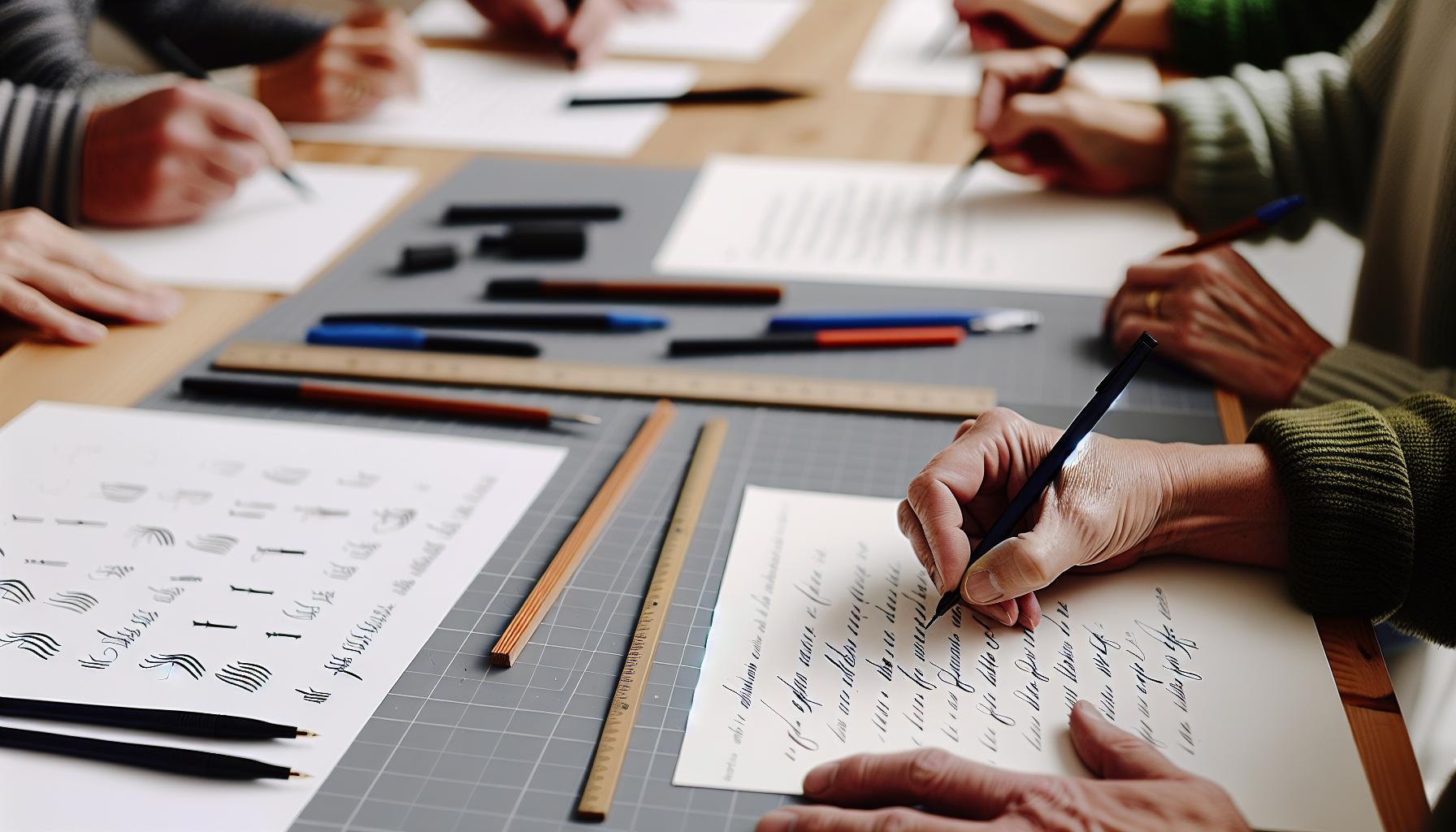
Essential Techniques for Pen Control
When it comes to mastering calligraphy, your control over the pen can make or break your artwork. Think of your pen as an extension of your hand; the more deftly you manage it, the more fluid and beautiful your lettering will become. Here are some essential techniques to enhance your pen control and elevate your calligraphy skills.
First, let’s talk about tension and pressure. A common mistake is applying too much pressure when you don’t need to. Instead, focus on varying the pressure you apply to the nib. For thinner strokes, use lighter pressure; for thicker strokes, press down firmly. This difference not only affects line width but also creates the dynamic contrasts that give your letters life. Practicing controlled strokes on lined paper can help you get a feel for how much pressure to use for different effects.
Another key aspect is breathing and rhythm. It might sound odd, but staying relaxed and breathing steadily can significantly improve your control. If you’re tense, your hand and arm will tighten, leading to shaky lines. Make a point to establish a rhythm in your writing. You could incorporate a gentle inhale with each stroke and exhale as you lift the pen. This rhythm not only calms you but also helps maintain consistent speed across your writing.
Don’t underestimate the importance of practice tools. Use a pen holder with a comfortable grip and high-quality ink to enhance your control. Additionally, consider practicing on different surfaces, such as smooth paper or textured stationery, to see where your comfort level lies. You might even want to create practice sheets with specific strokes and letter forms that challenge your control and help refine your techniques.
Lastly, record and reflect on your progress. Keep a calligraphy journal to track your improvements and set challenges. Write a letter or a quote consistently over a week, focusing on control and stroke variation. By evaluating your work, you’ll uncover what techniques need more practice and which ones are becoming second nature.
Incorporating these techniques into your routine will leave you with more confidence and comfort when you’re behind the pen, turning your calligraphy into true artistry.
Finding Your Perfect Writing Angle
Finding the right writing angle can drastically enhance your calligraphy experience. Think of it as the sweet spot where both comfort and control align. If you’re hunched over or holding the pen at a bizarre angle, you’ll struggle to produce that sleek, flowing script you dream of. Ideally, you want your hand to glide effortlessly across the paper while maintaining a stable posture.
Start by positioning your pen at around a 45-degree angle to the paper. This angle allows for a smooth flow of ink and helps prevent any accidental dragging of the nib, which can ruin the sharp lines that define beautiful letters. Experimenting with this angle is crucial; some styles may call for a slightly steeper or shallower approach. Try adjusting the angle while you practice different letters or strokes to see what feels most natural and yields the results you desire.
Your wrist should remain relatively relaxed, allowing for freedom in movement. Keeping your arm slightly elevated can help reduce strain; your fingers do the work, not your wrist. A slight curve in your fingers as you grip the pen will give you better control, letting you make those delicate transitions necessary for calligraphy. Consider using a mirror to check your hand position-angles that feel comfortable might not look visually appealing on paper.
As you practice, take note of how different angles affect the thickness of your lines and the overall style of your letters. This awareness allows you to refine your technique over time. Remember, isn’t just about comfort; it’s about creating a fluid experience where your artistic vision comes to life effortlessly. Keep experimenting, and don’t hesitate to make adjustments until you find what truly works for you.
Common Mistakes to Avoid When Holding a Pen
When it comes to mastering calligraphy, the way you hold your pen can make or break your progress. One of the most common issues beginners face is gripping too tightly. This not only leads to fatigue but can also cause control issues and inconsistent line quality. Try to adopt a light grip that allows for flexibility. Your fingers should feel relaxed as they guide the pen, rather than tense and strained. With practice, you’ll notice more fluidity in your strokes, which is essential for achieving that elegant look in your lettering.
Another frequent mistake is positioning the pen at an awkward angle. Holding it too vertical can restrict the ink flow and affect your stroke width. Instead, aim for that sweet spot around a 45-degree angle. This position not only promotes smoother writing but also helps in achieving the desired pressure on the nib, which is crucial for producing variations in line thickness. It might feel strange at first, but don’t shy away from experimenting until you find what works best for you.
Don’t overlook the role of your body position either. Many people either hunch over their work or reach too much, both of which can create tension. It’s vital to keep a comfortable, supported posture. Sit upright, and allow your arm to float naturally above the table. Your wrist should stay relaxed, enabling greater freedom of movement. If you notice discomfort creeping in, it’s a sign to reassess your position.
Lastly, be mindful of distractions. It’s easy to get caught up in your surroundings, but focusing on what you’re doing is essential. Set the stage for success by decluttering your workspace and taking note of your breathing. A calm mind can significantly enhance your grip and overall technique, allowing your creativity to flow without interruption. Remember, refining your grip and stance takes time, and the more you practice, the more natural it will feel. Keep these pointers in mind, and you’ll be well on your way to calligraphy success.
Practice Exercises to Perfect Your Grip
To truly elevate your calligraphy, it’s essential to master your grip and positioning. One effective way to hone these skills is through targeted practice exercises that reinforce a relaxed yet controlled hold on your pen. These exercises not only build muscle memory but also enhance your overall writing confidence and efficiency.
Start with the Basic Grip Exercise. Grab your pen and hold it at the ideal 45-degree angle. Without applying pressure to the nib, simply move your pen up and down to create vertical lines on your paper. Focus on maintaining a light grip-let the pen rest between your fingers rather than clenching it. This exercise helps you tune into the natural ways your hand moves and builds an awareness of how a relaxed grip feels.
Next, try the Circle Technique. Draw a series of overlapping circles on your paper. As you do this, concentrate on your grip and the flow of your pen. Challenge yourself to create circles of different sizes by varying the speed of your hand and the pressure you apply. You’ll find that certain angles and grips yield smoother motions, which can be crucial for more intricate lettering styles.
Another important aspect to practice is Writing with Purpose. Pick a simple phrase or word. Write it repeatedly, paying close attention to how you hold the pen. If you notice tension building in your fingers or hand, pause and shake them out. Integrating mindfulness into your practice helps you recognize when your grip starts to stray into flawed habits.
To keep improving and avoid stagnation, consider setting a structured Daily Practice Schedule. Aim for short, focused sessions-15 to 20 minutes. In this time, alternate between the exercises above, ensuring you consistently check in on your grip and positioning. This dedicated approach not only solidifies the correct techniques but also makes you more attuned to your body’s signals, which is vital for long-term success in calligraphy.
Remember, perfecting your grip is a journey. The more you practice these exercises, the more natural your hold will feel. Each stroke will become more fluid, and soon, that elegant style you admire in others will begin to emerge in your own work.
How to Maintain Comfort During Long Writing Sessions
When you’re immersed in the art of calligraphy, comfort is key to sustaining your creativity and joy during long writing sessions. Nothing saps inspiration faster than discomfort or fatigue, so it’s essential to set yourself up for success. Start by being aware of your posture. Sit up straight, with your feet flat on the ground and your back supported. This position not only helps your overall comfort but also improves your control over the pen, allowing for fluid movements and beautiful strokes.
Another vital aspect to consider is the choice of pen and grip style. A calligraphy pen should feel like an extension of your hand-if it feels awkward or heavy, it can lead to cramping or fatigue. Consider experimenting with different grips and pen designs. An ergonomic pen can make a world of difference; one shaped to fit comfortably between your fingers helps reduce tension. Additionally, keep your hand relaxed. Apply a light grip, letting the pen balance rather than clenching it tightly. This allows for longer practice sessions without your fingers becoming fatigued.
Don’t forget to integrate short breaks into your workflow. Taking just a few minutes every hour to stretch your hands, fingers, and neck can rejuvenate your muscles and help reset your focus. Simple exercises like rolling your wrists and stretching your fingers can alleviate tension and keep the blood flowing-a key ingredient to comfort during those creative marathons.
Lastly, hydrate! It’s easy to forget to drink water when you’re immersed in your art, but staying hydrated supports overall muscle function and keeps fatigue at bay. Combine these strategies, and you’ll find that you can create longer, with more enjoyment, and ultimately, better results.
Adapting Your Grip for Different Styles
When it comes to mastering calligraphy, adapting your grip can be a game changer for achieving the style you desire. Every calligraphy style, whether it’s elegant flourishes of Copperplate or the bold strokes of Gothic, demands a slightly different approach to how you hold your pen. Finding that perfect grip isn’t just about comfort; it’s about unlocking the potential of the pen and translating your artistic vision onto the page.
First off, let’s talk about the basic grip for modern calligraphy. This often involves holding the pen at a 45-degree angle to the paper. You want to position the nib not flat but slightly tilted to allow ink flow and create that characteristic glide. Start by holding the pen lightly, letting it rest between your thumb and index finger, while your middle finger supports it from beneath. This relaxed grip minimizes strain and allows for fluid movement. Adjusting how tightly you squeeze can drastically change the line quality-too much pressure can create unwanted pressure marks or cause your hand to cramp.
For more structured styles, like Italic or Roman lettering, you might want to modify your grip slightly. Keeping a firmer hold on the pen can help with the precision needed for sharper angles and defined serifs. Here, your thumb might press against the side for better control, while your index finger guides the nib. The key is to practice transitioning between grips as needed, so you build muscle memory for each style.
Let’s not forget about experimental styles-like brush lettering. Brush pens require a looser grip; you want to allow the brush’s flexibility to carry out the work. Instead of pressing hard, think of directing the strokes with gentle, sweeping motions. To practice this style, focus on the pressure; apply more when drawing thick lines and ease off for delicate details. A light, open grip helps you maintain responsiveness.
In summary, the versatility of your grip directly influences your ability to produce a range of calligraphic styles. Take the time to experiment-find what works best for your unique writing habits and the specific styles you enjoy. Remember, the right grip not only enhances your art but also keeps your hand comfortable and engaged, making your calligraphy sessions more enjoyable and productive.
Tips for Transitioning from Pencil to Pen
Switching from pencil to pen can feel like a significant leap-one that’s both exciting and intimidating. The way you hold a pencil may not translate perfectly to a calligraphy pen, and that’s perfectly okay. Taking the time to adjust your technique is essential for creating the beautiful strokes that define calligraphy. Let’s dive into some practical tips that will make this transition smoother and more rewarding.
First, focus on adjusting your grip. With a pencil, you might have a looser hold, but a calligraphy pen requires a little more control, especially if you’re using a nib that’s sensitive to pressure. Start by holding the pen lightly at a 45-degree angle to the paper. Imagine you’re gently cradling a delicate flower; this approach keeps the pressure light and fluid. Experiment with how you position your fingers. Your thumb and index finger should guide the pen without clenching it, while the middle finger supports it from underneath. This relaxed posture reduces strain and helps you maintain a smooth flow.
Next, practice confidence in your strokes. Unlike pencil, which allows for easy erasing, pen work is permanent. Embrace this temporary nature by shifting your mindset; allow yourself to make mistakes. Instead of second-guessing every stroke, focus on making the movement feel natural. A great exercise is to practice basic shapes and strokes-like loops and lines-before forming letters. This helps you find your rhythm and build muscle memory that’s crucial for fluidity in your writing.
Additionally, you should be mindful of pressure and ink flow. While using a pencil, you may press harder to create darker lines, but with ink pens, the beauty lies in controlling the pressure to achieve variation. For instance, apply light pressure for thin lines and a bit more pressure for thicker ones. Practice this pressure technique with simple letters and watch as your strokes transform. Create a simple chart to track your progress, noting the pressure used and the resulting line quality.
Lastly, take breaks to avoid fatigue. Calligraphy can be taxing, especially when you’re learning. If you feel tension building up in your hand or fingers, put the pen down. Take a minute to stretch your fingers and relax your grip. This not only prevents strain but also keeps your writing experience enjoyable and sustainable in the long run.
Transitioning from pencil to pen is all about embracing a new approach while refining your technique. With practice, patience, and attention to detail, you’ll find that holding a calligraphy pen can be just as fluid and enjoyable as your trusty pencil.
Using Pressure for Beautiful Lettering Effects
The art of calligraphy is not just about beautiful shapes and strokes; it’s deeply rooted in the way you control pressure on the pen. When wielded skillfully, pressure variation can create stunning visual effects that elevate your lettering from ordinary to extraordinary. Understanding how to manipulate pressure allows you to infuse life and personality into every letter you write.
Start by experimenting with different amounts of pressure on the same stroke. Begin with light pressure to create thin, delicate lines. As you feel more comfortable, gradually increase the pressure to thicken your strokes. This technique becomes particularly effective with letter forms that have strong downstrokes contrasted against lighter upstrokes, resulting in a dynamic flow that captivates the eye. For example, when crafting an “A,” use heavy pressure on the downstroke while lightening up on the crossbar. This contrast not only provides visual interest but also mirrors the natural ebb and flow of writing.
Practice Techniques
Here are some practical techniques to help you master pressure control:
- Stroke Practice: Start with single strokes on practice paper. Draw lines varying from thin to thick while consciously adjusting the pressure.
- Letter Drills: Choose a simple letter and repeatedly write it, alternating pressure with each stroke. Watch how the character transforms with these subtle changes.
- Use Guides: Create or print guides that illustrate thin and thick contrasts in letters. This visual reference can help reinforce your learning.
Don’t overlook the importance of the pen and nib you use. Certain nibs are more responsive to pressure changes than others. A flexible nib, for instance, can provide a broader range of expressiveness compared to a rigid one. As you grow more proficient, challenge yourself to incorporate multiple pressure variations within single letters or entire words. This practice not only sharpens your skills but also builds your creative confidence.
Remember, calligraphy is as much about enjoyment as it is about technique. Allow yourself to experiment with pressure, making mistakes along the way. These experiences will teach you invaluable lessons, paving the way for your unique style to emerge. Embrace the journey, and soon enough, you’ll see how mastering pressure can turn your calligraphy into a work of art.
Frequently Asked Questions
Q: How do I know if I’m holding my calligraphy pen correctly?
A: To ensure you’re holding your calligraphy pen correctly, check that your grip is relaxed, with fingers positioned comfortably around the pen. Your hand should form a natural arc, and the pen should rest lightly in the web of your thumb and index finger. Regularly practice to find the most comfortable grip. For further guidance, see “The Importance of Grip and Hand Position.”
Q: What are the effects of grip pressure on calligraphy writing?
A: Grip pressure significantly impacts your calligraphy. Too much pressure can lead to fatigue and uneven lines, while too little can cause the pen to slip. Aim for a light yet controlled grip for better flow and aesthetics. Experiment with varying pressures during practice to see which technique yields the best results.
Q: Can my writing angle affect my calligraphy style?
A: Yes, your writing angle plays a crucial role in calligraphy. A steeper angle can produce more dramatic strokes, while a flatter angle provides a softer effect. Adjust your angle based on the style you’re aiming for to achieve the desired outcome. Check “Finding Your Perfect Writing Angle” for more tips on this topic.
Q: What should I do if my hand cramps while practicing calligraphy?
A: If your hand cramps during practice, take breaks every few minutes to stretch and relax your fingers. Ensure your grip isn’t too tight, and try adjusting your pen’s position or your writing angle. Practicing proper posture and using ergonomically designed pens can also make a difference.
Q: How can I develop a consistent calligraphy style?
A: To develop a consistent calligraphy style, practice the same letters repeatedly until you achieve a uniform look. Focus on maintaining a steady grip and angle throughout your writing. You might also want to explore “Common Mistakes to Avoid When Holding a Pen” for insights into maintaining consistency.
Q: Why is it important to adapt my grip for different calligraphy styles?
A: Adapting your grip is essential because different calligraphy styles require varying levels of control and pressure. For instance, a loose grip may work better for flourishing, while a firmer grip can help with sharp, angular lettering. Experiment with grips to find what suits each style best, as discussed in “Adapting Your Grip for Different Styles.”
Q: How can I effectively transition from using a pencil to a calligraphy pen?
A: To transition effectively from pencil to pen, start by practicing basic strokes with the pen to familiarize yourself with its feel and flow. Gradually replicate the same letter forms you practiced with a pencil, focusing on maintaining a steady hand and appropriate grip. Refer to “Tips for Transitioning from Pencil to Pen” for additional strategies.
Q: What are common beginner mistakes in holding a calligraphy pen?
A: Common beginner mistakes include gripping the pen too tightly, incorrect finger positioning, and neglecting to rest the pen adequately. These issues can lead to poor letter formation and discomfort. Reviewing “Common Mistakes to Avoid When Holding a Pen” will help you identify and rectify these errors to improve your practice.
In Summary
Mastering how to hold your calligraphy pen sets the foundation for stunning designs. With the right grip, you can create beautiful strokes that truly express your artistic vision. Now that you know the essentials, it’s time to practice and bring your unique style to life! Don’t let uncertainty hold you back-dive into our other resources, like 10 Calligraphy Tips for Beginners and Essential Tools Every Calligrapher Needs to elevate your skills and confidence.
Ready to take your skills further? Join our newsletter for exclusive tips and tutorials directly to your inbox! Your journey in calligraphy is just beginning, and every stroke counts. Share your progress in the comments below or explore our knowledge base to discover even more tips tailored to your craft. Let’s keep the conversation going; your best work is yet to come!