
Loading a calligraphy pen may seem trivial, but it’s the key to achieving that smooth, flowing line that makes your writing pop. Whether you’re a beginner eager to explore the art of calligraphy or someone looking to sharpen your skills, knowing how to load your pen correctly can save you from frustrating moments of inconsistent ink flow and uneven strokes. It’s all about setting the stage for your creativity. In this guide, we’ll walk you through simple, straightforward steps to load your calligraphy pen like a pro, ensuring that each letter glides effortlessly onto the page. By mastering this fundamental skill, you’ll elevate your writing and express your creativity with confidence. Let’s dive in!
Essential Tools for Loading a Calligraphy Pen
Loading a calligraphy pen properly is essential for achieving smooth, fluid lettering. To ensure success in this delicate art, you’ll need a few key tools at your disposal. First and foremost, having a good quality calligraphy pen is crucial. Consider options from reputable brands like Pilot or LAMY, which provide a range of nib sizes and styles perfect for calligraphy. You’ll also need high-quality ink, as using the right viscosity affects how smoothly your pen glides across paper.
Another fundamental tool to have is a clean workspace. Lay down some paper towels or an old cloth to catch any drips or spills. This protects your surfaces and gives you a dedicated area to focus on. It’s also wise to have a small container of water nearby if you’re using water-based inks; this allows for easy cleaning of your nib between uses. Investing in a good ink syringe or pipette can also make the filling process cleaner and more efficient, ensuring you don’t overfill the nib.
A light source is often overlooked but vital during this process. Good lighting will help you see exactly what you’re doing, making it easier to avoid common issues like air bubbles and dry spots. If you’re using a dip pen, consider a small jar for your ink, which can stabilize your pen as you load it.
Lastly, patience and practice are your best friends. Don’t rush the loading process; take your time to ensure your pen is filled correctly. This will lead to a better writing experience and more beautiful results. With the right tools and a bit of practice, you’ll be on your way to creating stunning calligraphy art.
Choosing the Right Ink for Calligraphy
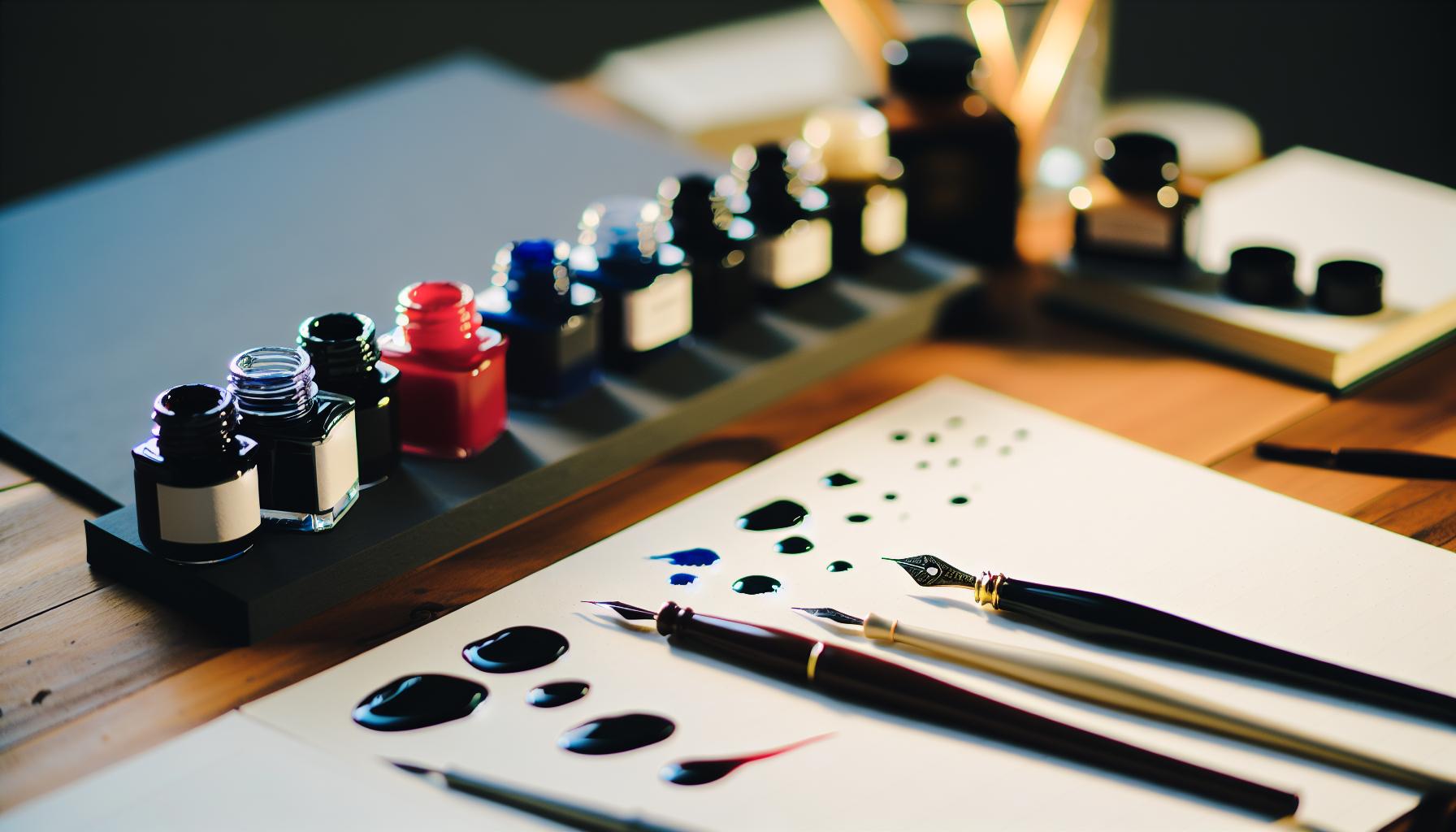
Choosing the right ink can make or break your calligraphy experience. With so many options available, it’s essential to understand how ink type, viscosity, and pigment affect your writing. A great ink not only allows for smooth strokes but also enhances the beauty of your work with its color and finish.
When selecting ink, consider the medium you’re working with. If you’re using a dip pen, look for liquid inks that flow well and do not dry too quickly. Fountain pen inks are another option, but ensure they’re safe for all nib types to avoid clogging. Pigment-based inks offer greater lightfastness and are ideal for pieces that you want to last, while dye-based inks tend to be more vibrant but may fade faster over time.
Also, pay attention to the viscosity. Some inks are thicker, providing a richer line and less bleeding on the page, while others may be too runny, leading to unwanted splotches. If you’re unsure, test a few different inks on your paper to see how they behave before committing. This will save you frustration later when you’re in the creative flow.
Finally, don’t overlook the color and opacity. Colors can drastically change the feel of your work, so experiment with metallics or even vibrant hues if you want to add flair. Remember, the right ink isn’t just a tool-it’s a partner in your creative journey. Take the time to find what works for you, and your calligraphy will shine.
A Step-by-Step Guide to Loading Your Pen
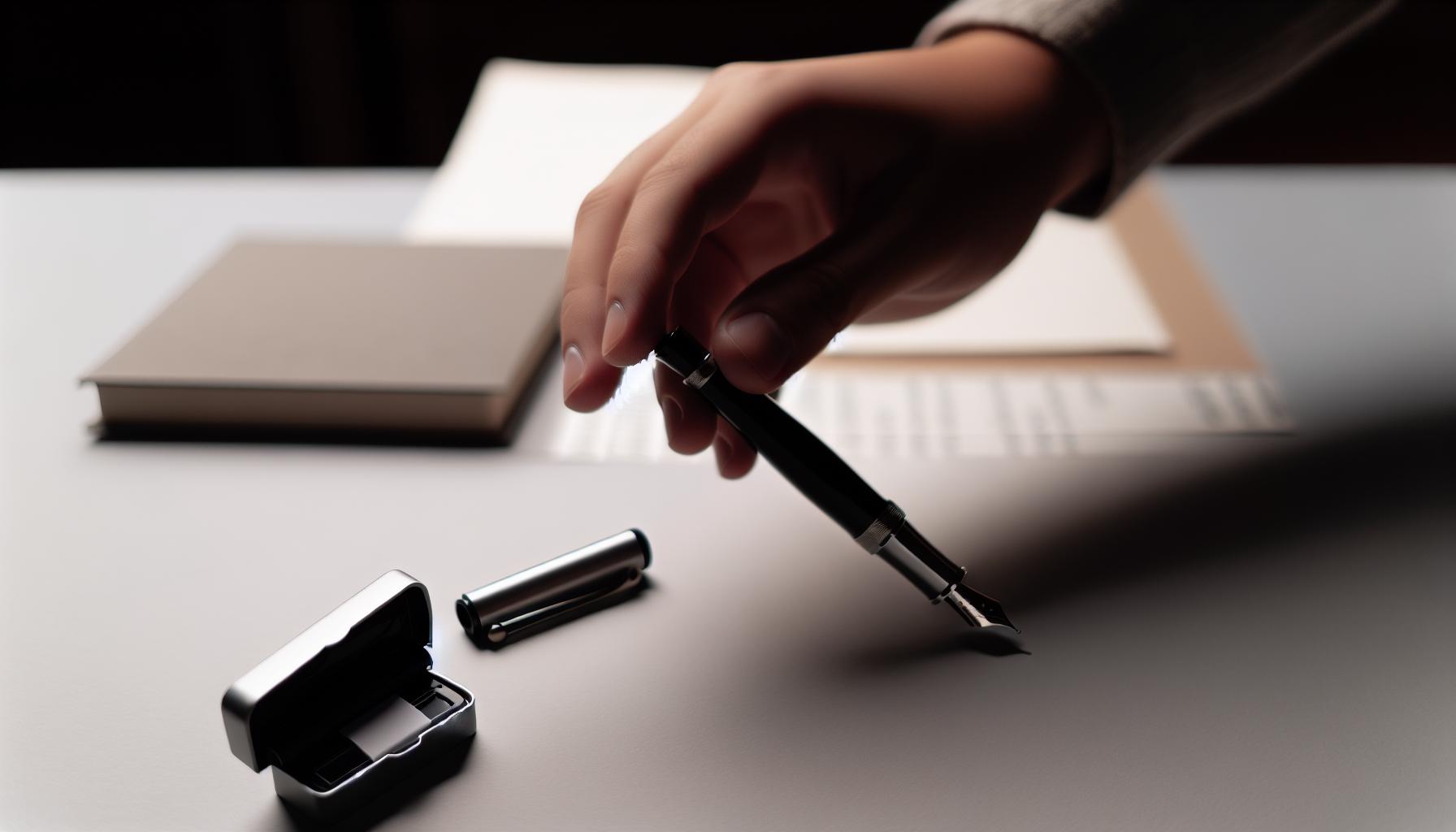
Loading your calligraphy pen properly can significantly elevate your writing experience, ensuring smooth strokes and stunning results. Whether you’re using a dip pen, fountain pen, or a brush pen, the steps to load your ink are straightforward, yet essential for optimal performance.
To start, gather your materials: the pen, the ink of your choice, and some paper for testing. Get your ink ready by either pouring it into a shallow dish for dip pens or having your ink cartridge handy for fountain pens. If using a dip pen, carefully dip the nib into the ink, making sure the entire nib is submerged but not so deep that it covers the pen holder. Pull the pen out and give it a gentle shake to remove excess ink. This prevents splotching when you begin writing.
For fountain pens, insert the cartridge or converter filled with ink into the pen. If you’re using a converter, twist it to draw the ink up, ensuring it fills adequately. Then, wipe any excess ink from the nib with a soft cloth-this makes for cleaner writing. Regardless of the type of pen, it’s crucial to do a quick test on scrap paper to ensure the ink flows smoothly before diving into your main project.
At this point, consider the pressure you apply when writing. Too much pressure can disrupt the ink flow, while too little may leave your strokes incomplete. Finding that sweet spot is key. Moreover, keep your ink bottle tightly closed when not in use to prevent it from drying out or contaminants from affecting it. These small steps can make a huge difference in your overall calligraphy quality and enjoyment. Happy writing!
Common Mistakes When Loading a Calligraphy Pen
Loading a calligraphy pen seems simple, but it’s easy to make mistakes that can frustrate your creativity. A common pitfall is assuming that any ink will do. Using the wrong type of ink can lead to clogs and inconsistent flow. Always choose ink specifically designed for your pen type; for instance, dip pens require liquid ink, while fountain pens work best with bottled ink made for them. This small yet crucial choice sets the stage for smoother writing.
Another mistake is overloading the nib. It’s tempting to dip the nib deep into the ink, but this can lead to excessive ink buildup, resulting in splotchy lines. Instead, dip just enough to coat the nib, then gently shake off any excess. Test your pen on scrap paper to find that optimal dip depth-it’s about balance, not just filling the nib.
Lastly, neglecting proper maintenance is a rookie move. After a session of writing, clean your nib to prevent dried ink from causing clogs the next time you load it. A simple clean-up keeps your pen in top shape and ensures that every stroke is just as fluid as the last. Remember, small habits like these make a world of difference in your calligraphy journey. Happy writing!
How to Test Your Pen After Loading
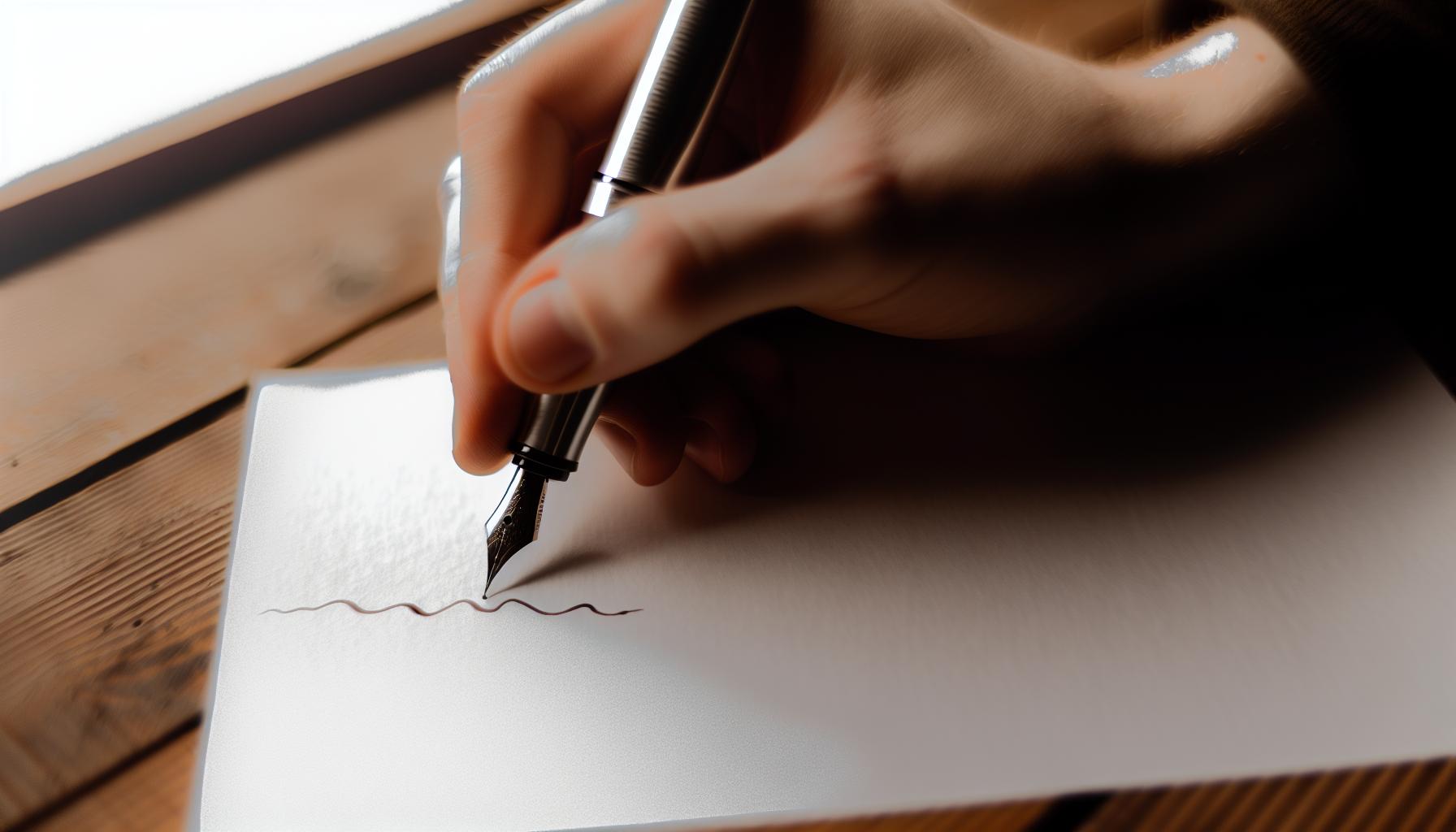
When you’ve loaded your calligraphy pen, the anticipation can be exhilarating, but testing it correctly is vital to ensure a smooth writing experience. Start by grabbing a piece of scrap paper-something that won’t matter if it gets a little messy. Before making your first stroke, it’s worth giving your pen a gentle tap or shake, just to ensure the ink is well-distributed. This helps prevent those frustrating moments when the nib feels dry.
Now, let’s dive into the actual testing. Make a few test strokes on the paper. Look for a consistent flow of ink. If you find that the ink isn’t flowing smoothly, try adjusting the angle or pressure of your pen. It’s a bit of finesse here; sometimes, you might need to lift the pen slightly or give it a little more pressure to coax the ink out. If you notice skips or dry patches, it may indicate that the nib isn’t adequately inked or could be clogged; in which case, you’ll want to clean the nib and reload it.
Pay attention to how the ink lays down on the paper. You want to see a defined line that matches your intended style-smooth transitions, no splotches, and no unexpected color inconsistencies. If the line is too thick or too thin, consider whether you’re using the right ink for your pen type and nib size. Remember, finding the right balance between ink and pressure can take a little practice, but it’s crucial for achieving those beautiful, fluid lines.
Lastly, don’t hesitate to experiment a bit. Change your pen angle, try different pressures, and see how they affect the ink flow. Consider keeping a practice journal where you can jot down notes on what works best for your particular pen setup. After all, testing isn’t just a step; it’s an opportunity to refine your technique and enhance your creative expression!
Tips for Maintaining Ink Flow and Consistency
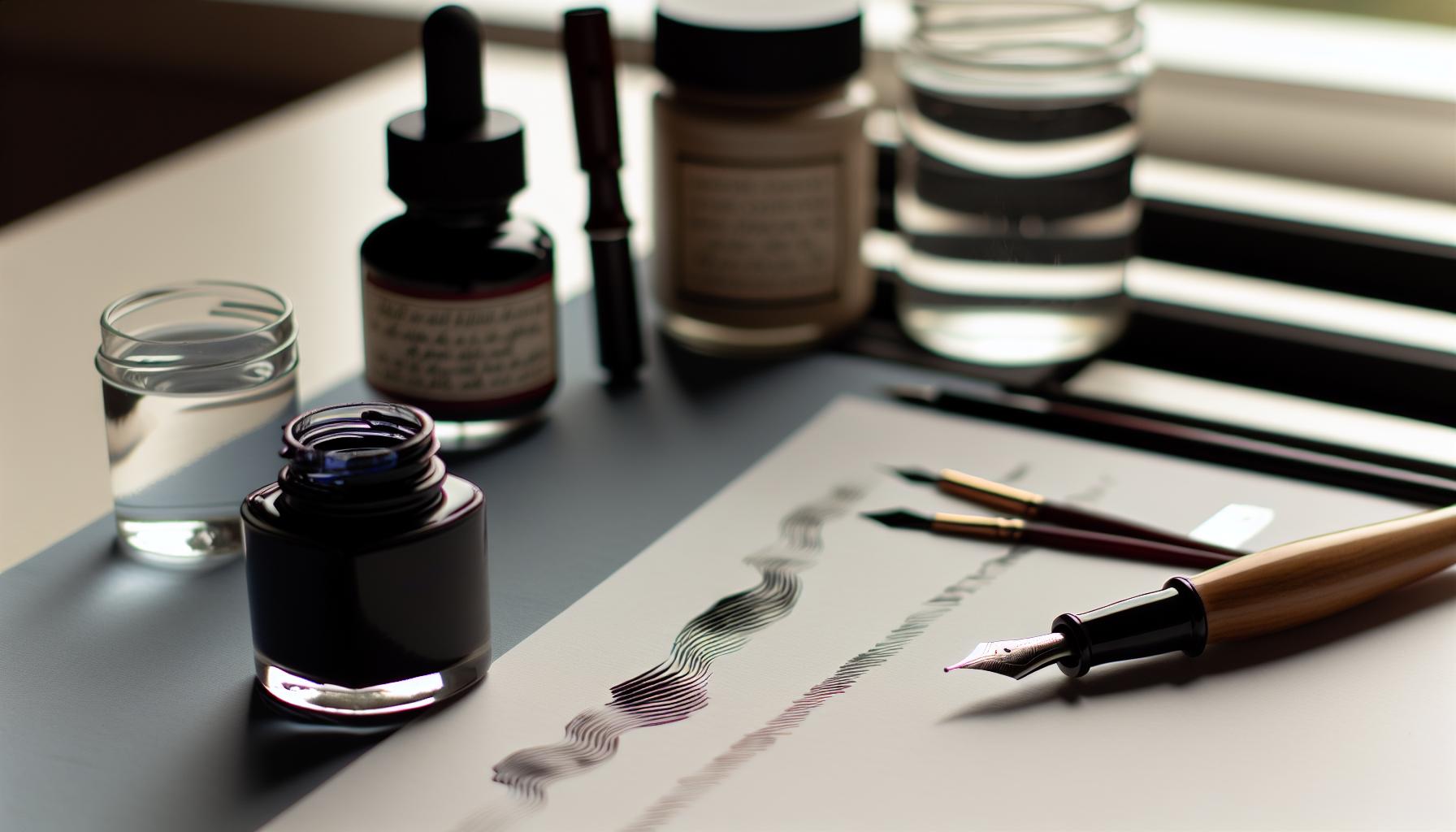
When it comes to maintaining ink flow and consistency in your calligraphy pen, a few practical strategies can make all the difference. One key element to remember is that the ink must be compatible with your pen type and nib size. Using the right ink prevents clogging and ensures a smoother flow. Water-based inks are great for beginners, while pigment-based inks can offer more depth and richness, although they may require extra care to prevent clogging.
Another tip is to regularly clean your nib. Even a tiny bit of dried ink can disrupt your flow. A gentle rinse with water after each use can help maintain cleanliness. If you notice inconsistent ink flow, it might be time for a deeper clean. Soak your nib in warm water for a few minutes, then use a soft brush to remove any stubborn particles. This habit not only keeps your pen performing well but also extends its lifespan.
It’s also beneficial to observe your writing environment. Humidity and temperature can influence ink flow. For example, if you’re in a very dry area, consider using a pen with a wider nib or switching to a thicker ink that doesn’t dry out as quickly. And don’t forget about practice. Regularly experimenting with different pressures and angles can help you find what gives you the most consistent results with your specific setup.
Finally, establishing a routine can be your best ally. Keep a notebook dedicated to ink tests and flow observations. Write down your experiences, noting which inks work best with which nibs, and any adjustments you needed. This record will help you refine your technique and make you more confident in your calligraphy journey. Remember, smooth writing is about finding that perfect balance between pen, ink, and your unique style.
Exploring Different Calligraphy Pen Types
When you dive into the world of calligraphy, one of the most essential choices you’ll make is selecting the right pen. Believe it or not, the type of pen can dramatically influence your writing style and experience. Each pen type offers unique advantages, making it crucial to select one that suits your specific needs and preferences.
Let’s break down some common types of calligraphy pens:
Fountain Pens
Fountain pens are a popular choice for many calligraphers due to their smooth ink flow and variety of nib sizes. They can handle a range of inks-from water-based to pigment-based-and are excellent for creating fluid lines. The main advantage is their ease of use; you can refill them with bottled ink or use cartridges. Just note that they require regular cleaning to maintain performance.
Dip Pens
Dip pens are the quintessential choice for traditional calligraphy. They consist of a nib attached to a handle, and as the name implies, you dip the nib into ink. This gives you the freedom to experiment with different ink types and colors. They’re perfect for creating intricate designs and varying line thicknesses, though they do require more skill and practice to master. Be prepared for some adjustments as you work on maintaining consistent ink flow.
Bottle Pens
These pens combine the attributes of fountain and dip pens. With their built-in ink reservoir, you can dip the nib and write without needing to constantly refill. They’re particularly useful for those who want the ease of a dip pen while enjoying a more fluid writing experience. However, you still need to manage ink levels carefully to avoid running dry in the middle of a project.
Brush Pens
If you’re drawn to a more free-form style, brush pens are worth considering. They feature flexible bristles that allow for varying line thicknesses with pressure. Ideal for modern calligraphy and hand lettering, these pens have become incredibly popular. However, mastering them can take some time, as the technique differs from traditional nibs. They’re often filled with water-based ink, which can be easier to work with but requires practice to achieve desired results.
So, before you load your pen, take some time to think about the style of calligraphy you want to pursue. The right pen not only impacts the ease of loading and writing but also adds a personal touch to your work. Dive in, experiment with different types, and find the one that feels just right in your hand. Your calligraphy journey will undoubtedly benefit from the right tools, so choose wisely!
Understanding Nib Sizes and Their Importance
Choosing the right nib size can make or break your calligraphy experience. The subtle nuances of line thickness can transform a simple piece of writing into a work of art. Using a nib that aligns with your artistic vision not only enhances your handwriting but also allows for greater expression in your lettering style.
Nib sizes are categorized usually from extra-fine to broad. Each size yields a different line thickness, which affects how your letters look on the page. For instance, an extra-fine nib is excellent for detail-oriented work, like fine scripts or small lettering, while a broad nib produces bolder strokes ideal for large, dramatic scripts. When shopping for nibs, look for the following common sizes:
- Extra-Fine (EF): Approximately 0.2 mm, perfect for intricate details.
- Fine (F): Around 0.5 mm, great for everyday writing and small lettering.
- Medium (M): About 0.7 mm, versatile for various styles.
- Broad (B): Generally 1.1 mm or wider, ideal for expressive lettering.
- Stub or Italic Nibs: Provide a flat tip for varying line widths, suitable for dramatic calligraphy.
Understanding what each nib size can do for your writing is key. For example, when using a nib with a broad tip, you’ll need to adjust your writing pressure to achieve the desired line variation. Thinner nibs might catch on textured paper, so smoother varieties work better. Experiment with different sizes to discover what complements your style, but remember that larger nibs can sometimes use more ink quickly, leading to frequent loading.
In the end, selecting the right nib size isn’t just about producing beautiful letters; it’s about finding the tool that feels best in your hand. It’s a journey of personal preference that adds depth and character to your work. Don’t hesitate to try different configurations as you refine your skills; the discovery process is what makes calligraphy truly enjoyable.
Troubleshooting Common Calligraphy Pen Issues
Loading a calligraphy pen can sometimes feel like a delicate dance, and when things don’t go smoothly, it can be frustrating. One common issue is ink not flowing as expected. If your pen is skipping or producing uneven lines, first check if the nib is properly seated. A misaligned nib can obstruct ink flow. Make sure the nib is securely positioned in the holder; a slight twist can often fix this. If that’s not the issue, dipping the nib in water or cleaning it with a soft cloth can remove any dried ink or debris blocking the ink channel.
Another frequent problem is excessive ink flow, which can lead to blobbing. If your pen is gushing ink, it’s likely overfilled. To remedy this, use a tissue to touch the nib lightly before writing. This absorbs some of the excess ink. Also, consider experimenting with different inks; certain formulations are thicker and can behave differently in various nibs. If you find your calling pen becoming too wet or hard to control, adjusting your grip can help; try holding the pen at a different angle to see if that aids in achieving smoother lines.
Lastly, don’t overlook the importance of the paper you’re using. Textured or absorbent papers can disrupt the ink flow, causing skips or blotches. For best results, opt for smooth, high-quality paper designed for calligraphy. This not only keeps ink flow consistent but also showcases your letters beautifully. Remember, each pen and ink combination can take some trial and error. So embrace the journey; every mistake is a step toward mastering your craft.
Enhancing Your Calligraphy Skills After Loading
If you want to elevate your calligraphy game after you’ve loaded your pen, it’s all about honing your technique and integrating your unique style. Calligraphy isn’t just about the flow of ink on paper; it’s about creating art. So, once you’ve got that pen ready, consider these strategies to enhance your skills and bring character to your writing.
First, practice makes perfect, and calligraphy thrives on repetition. Set aside time to practice specific letterforms or flourishes. You can break down the alphabets into manageable sections-focus on mastering a few letters at a time. Use practice sheets that highlight common styles or scripts. Don’t just go through the motions; engage with each stroke. Discover how changes in pressure can alter your line quality, leading to more expressive letters. Your confidence will grow almost as quickly as your skill set.
Next, explore the power of rhythm and motion. Writing with a calligraphy pen isn’t only about the finished product; it’s about the journey your hand takes to create those elegant lines. Try writing to music that resonates with you-this can unlock a natural flow in your movements and help you find a rhythm that feels comfortable. Experiment with different environments too; whether it’s a quiet room or a bustling café, the setting can influence how you feel and, therefore, how you write.
Don’t shy away from experimentation. Once you’re comfortable with the basics, try mixing styles or adding your flair with different inks or papers. Combine scripts or introduce watercolor effects to your work. This is where your personality shines through. Consider undertaking projects such as greeting cards or personalized stationery, allowing you to apply what you’ve learned in a fun, practical manner.
Finally, share your work. Joining a community-whether online or local-can provide constructive feedback and inspiration. Critiques from fellow calligraphers can be invaluable, and you might even discover new techniques. Remember, every piece of feedback is an opportunity to learn and grow. In essence, it’s not just about mastering loading a pen; it’s about embracing the entire process and all the joys that come with it. Your journey in calligraphy is yours to shape, so enjoy every stroke!
Inspiration: Creative Projects to Try Once You’re Ready
Once you’ve mastered the art of loading your calligraphy pen, it’s time to unleash your creativity with projects that truly showcase your skills. Whether you’re a beginner looking for simple ideas or a seasoned calligrapher eager to challenge yourself, there’s a project for every level that can inspire and motivate you.
Greeting Cards
Creating personalized greeting cards can be a rewarding project that allows you to express your artistic flair. Hand-lettering messages for birthdays, holidays, or special occasions gives your cards a unique touch that mass-produced options can’t match. You can experiment with different styles and colors, incorporating flourishes to enhance the overall design. Think about mixing media-such as pairing your calligraphy with watercolor backgrounds or decorative elements like stickers or stamps.
Quotes and Inspirational Artwork
If you’ve come across quotes that resonate with you, turn them into beautiful pieces of wall art. Choose a favorite quote and use your calligraphy techniques to create a striking composition. Experiment with layouts: try different alignments, decorative borders, and embellishments. This project not only solidifies your skills but also provides lovely decor for your home or gifts for friends.
Personalized Stationery
Designing your own stationery set can elevate your correspondence and make your notes stand out. Create monogrammed notecards or letterhead that reflect your style. You could even design stationery sets for gifts, complete with an assortment of card designs. Use varying paper textures and colors to enhance the feel and aesthetics of your creations. This project opens avenues for using different ink types, adding more layers to your calligraphy journey.
Event Decor
Elevate any gathering with your calligraphy by crafting bespoke event decor. This includes everything from place cards and table numbers to signage directing guests at weddings or parties. Each piece can showcase your unique handwriting style while serving a practical purpose. Plus, the satisfaction of seeing your work displayed at a special event is truly rewarding.
These creative projects not only enhance your skill set but also allow you to create keepsakes that can be cherished for years. Remember, the key is to enjoy the process, refine your technique, and let your personality shine through each piece you create!
Q&A
Q: What ink is best for calligraphy pens?
A: The best ink for calligraphy pens is typically a high-quality, non-clogging ink that dries smoothly. Look for ink specifically designed for calligraphy, such as fountain pen ink or calligraphy ink, as they offer better flow and vibrant colors. Always test the ink before use to ensure it suits your style and pen type.
Q: How do I know if my calligraphy pen is loaded correctly?
A: To check if your calligraphy pen is loaded correctly, do a test stroke on paper. If the ink flows smoothly without skipping or pooling, your pen is ready. If you encounter issues, recheck the ink level or ensure the nib is clean and functioning properly.
Q: Can I use watercolor paint in a calligraphy pen?
A: While you can use watercolor paint in a calligraphy pen, it’s important to dilute it with water to prevent clogging. Use it sparingly and clean your pen thoroughly afterward to maintain its performance. Regular inks are usually recommended for optimal results.
Q: How often should I clean my calligraphy pen?
A: You should clean your calligraphy pen after every use or when switching inks. This prevents ink buildup and ensures a consistent flow. A simple rinse with water followed by a careful drying method will keep your pen in top condition.
Q: What should I do if my calligraphy pen skips?
A: If your calligraphy pen skips while writing, first check the ink supply and nib for clogs. Gently clean the nib with warm water or a soft cloth. If the problem persists, try adjusting the nib’s angle during writing for better ink flow.
Q: How can I prepare my paper for calligraphy?
A: To prepare your paper for calligraphy, select a smooth, high-quality paper that doesn’t bleed. Lightly sketch guidelines with a pencil to maintain consistency. Ensure the paper is completely flat to prevent any interference with your writing style.
Q: Why is my calligraphy ink drying too quickly?
A: If your calligraphy ink is drying too quickly, consider the paper type or room temperature. Use slower-drying ink or opt for smoother paper to enhance flow. Working in a cooler or more humid environment can also help slow down drying time.
Q: How do I store my calligraphy pens?
A: Store your calligraphy pens horizontally in a case to prevent ink from pooling in one area. Ensure they are capped tightly to avoid drying out. For longer-term storage, clean them thoroughly before storing to maintain nib condition and functionality.
Wrapping Up
Now that you know how to load a calligraphy pen, you’re ready to elevate your writing game! Don’t let your creativity stall-grab that pen and give these simple steps a try today. For those of you eager to dive deeper into the art of calligraphy, check out our guides on choosing the right ink for calligraphy and tips for practicing your handwriting.
Feeling inspired? Sign up for our newsletter to receive exclusive tips and resources delivered straight to your inbox. Join our community of calligraphy enthusiasts, and share your journey with us in the comments below! Whether you’re a newbie mastering the basics or a seasoned pro looking to refine your technique, there’s always something new to explore. Keep writing beautifully, and remember: every stroke counts!
Get our latest guides, news, and insights highlighted in your Google Search & AI Overviews.