

Have you ever struggled to create those beautiful, flowing letters you admire in calligraphy? A proper grip on your brush pen is crucial; it not only affects your control but also shapes your entire writing experience. Whether you’re a beginner trying to find your footing or an experienced artist aiming for precision, mastering the art of holding your brush pen can transform your work from ordinary to extraordinary. In this guide, we’ll explore practical tips and techniques to perfect your grip, ensuring each stroke enhances your artistic expression. Let’s dive in and unlock the potential of your calligraphy journey!
How to Choose the Right Calligraphy Brush Pen for You
Choosing the right calligraphy brush pen can feel overwhelming, especially with so many options available. However, the perfect pen can transform your writing experience, allowing your unique style to shine. Start with the nib; it’s the heart of the pen. Nibs come in varying sizes and flexibility levels. Beginners often benefit from medium or broad tips, which provide a forgiving surface and allow for more expressive strokes. If you prefer fine details or delicate lines, opt for a fine-tip brush pen.
Next, consider the ink flow. Some pens are designed for consistent flow, while others might require you to adjust your grip and pressure. Test different pens to find one that feels comfortable in your hand and aligns with your writing style. Don’t forget about the body of the pen! Look for ergonomic designs that fit your grip comfortably-this can make a huge difference during long practice sessions.
Also, pay attention to the pen’s material. Brushes made from synthetic fibers tend to be more durable, while natural hair brushes can offer a softer touch and greater flexibility. However, they may require more maintenance. If you’re serious about your calligraphy journey, investing in a high-quality pen will be worthwhile long-term.
Finally, try out various brush pen brands before settling on your go-to. Whether through an art supply store or local workshops, hands-on experience lets you find what feels right. Remember, the best calligraphy brush pen isn’t just about the features-it’s how it feels in your hand and how it enhances your writing. So, take the time to explore and enjoy the process of finding your perfect match!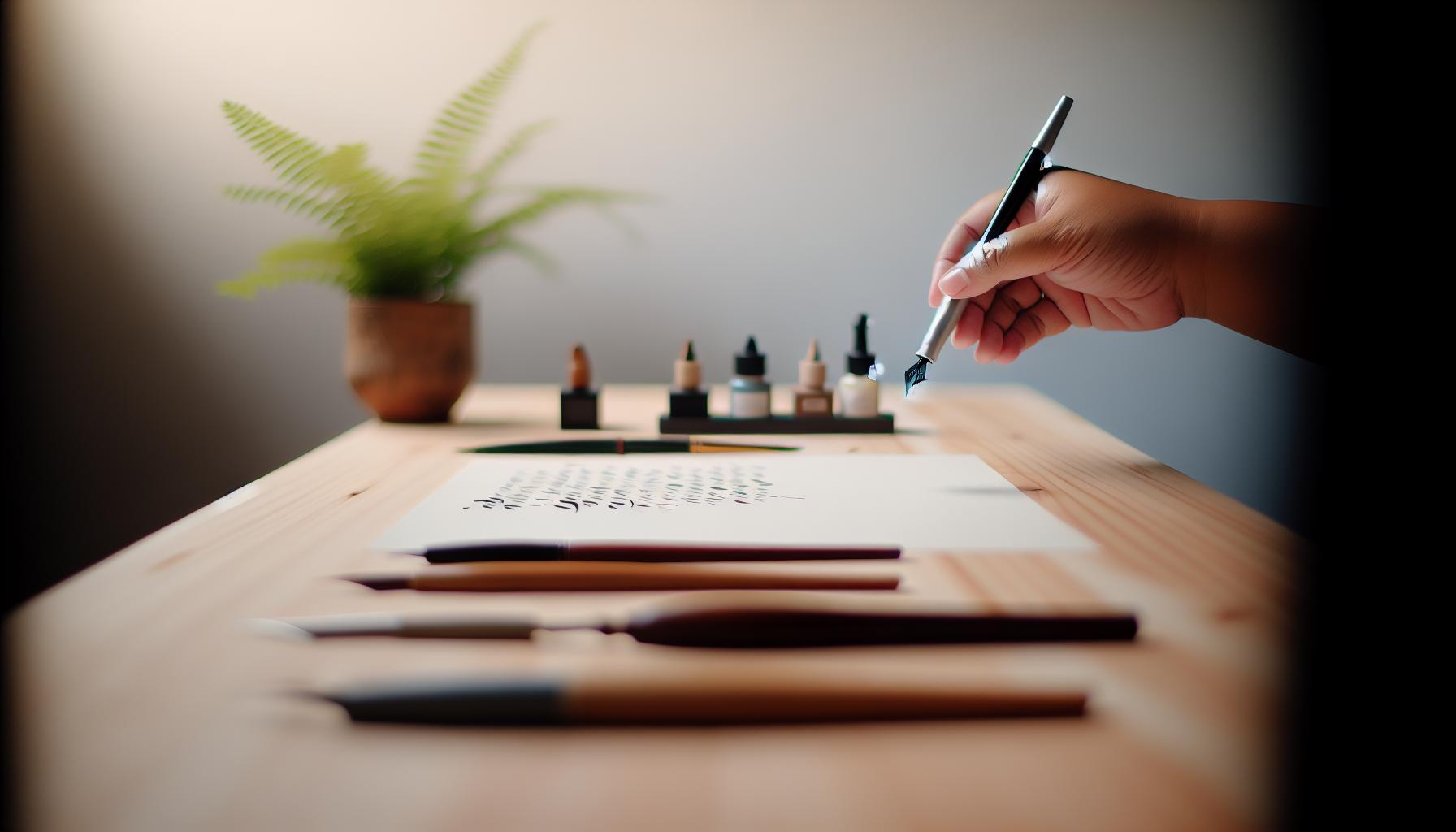
Understanding the Anatomy of a Calligraphy Brush Pen
When diving into the intricate world of calligraphy, understanding your brush pen’s anatomy is essential. Each component plays a crucial role in how the pen performs and how comfortable it feels during use. This knowledge empowers you to make informed choices, enhancing your grip and ultimately your writing.
First, let’s start with the nib, which is arguably the heart of the brush pen. Nibs come in various sizes and shapes, affecting the strokes you can create. A flexible nib allows for expressive, varying line widths with different pressures, while a stiff nib provides more control for detailed work. Consider what you’ll be using the pen for and choose accordingly-flexibility is great for artistic lettering, but you might want something firmer for precision work.
Next, the body of the pen matters significantly. An ergonomic design can prevent hand fatigue during long writing sessions. Look for materials that feel comfortable in your grip-some makers use soft rubber for cushioning, while others opt for a more traditional hard plastic. The weight of the pen also influences your control; heavier pens might help stabilize your hand, but they can tire your fingers more quickly.
Then there’s the ink reservoir, which impacts how smoothly your pen writes. Brush pens can be refillable or disposable. If you’re using your pen frequently, a refillable option might be cost-effective and environmentally friendly. Make sure it provides an even flow of ink, as inconsistent flow can disrupt your rhythm and affect your strokes.
Finally, don’t overlook the cap. A well-fitting cap keeps the nib from drying out, extending the life of your pen. Some pens have caps that snap securely, while others use a screw-on design. Whichever you choose, ensure it complements your workflow and protects your brush pen between uses.
By understanding these elements, you can select a calligraphy brush pen that not only feels right in your hand but also enhances your writing experience. Explore different pens, experiment with their unique features, and find what works best for you. This foundational knowledge will help you perfect your grip and refine your calligraphy skills, making your writing not just a task, but a true art form.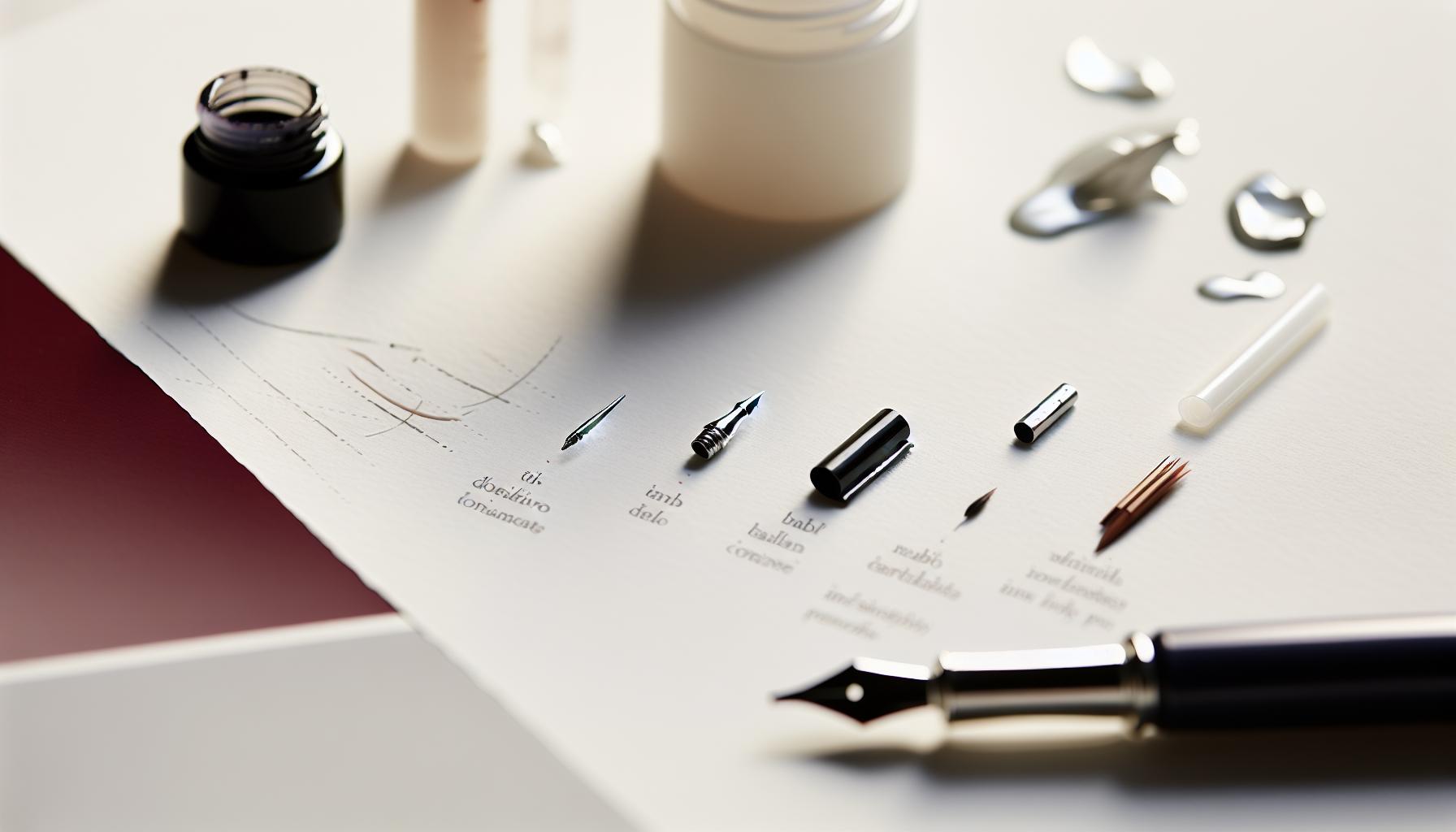
Crucial Techniques for a Comfortable Grip
When you pick up a calligraphy brush pen, the first thing you should focus on is how to hold it comfortably. A solid grip isn’t just about control; it directly impacts your creativity and the overall outcome of your work. The right grip can prevent fatigue, enhance precision, and allow you to express your style through every stroke. Let’s dive into some crucial techniques to help you establish a grip that feels natural and effective.
Start by positioning the pen correctly. Hold it about an inch from the nib, using your thumb and index finger. Your thumb should rest on one side, while the index finger will guide the pen from the top. This triangle grip not only gives you control but also allows for fluid motion as you draw or write. Many beginners overlook the importance of the third finger. Rest your middle finger against the pen barrel to stabilize it. This additional support is key for longer writing sessions, reducing the strain on your hand.
Another crucial technique involves the angle of your pen. Hold the nib at approximately a 45-degree angle to the paper. This position maximizes ink flow and allows the brush hairs to spread properly, giving you that luscious line variation that calligraphy is known for. If you’re struggling to maintain this angle consistently, practice with guidelines. Drawing slanted lines can help reinforce the right orientation until it becomes second nature.
Pay attention to your pressure, too. A lighter grip allows for more fluidity and expressive strokes, while applying too much pressure can lead to a stiff wrist, which hampers your movement. If you find yourself gripping the pen tightly, relax your hand and observe how pressure changes your strokes. It’s all about finding that balance. Remember, calligraphy is as much about flow as it is about precision.
Lastly, don’t underestimate the power of practice. Spend a few minutes every day focusing on your grip and trying different techniques. You might find that what feels right for you evolves over time. Embrace the journey, and remember, each brush stroke is an opportunity to express yourself artistically.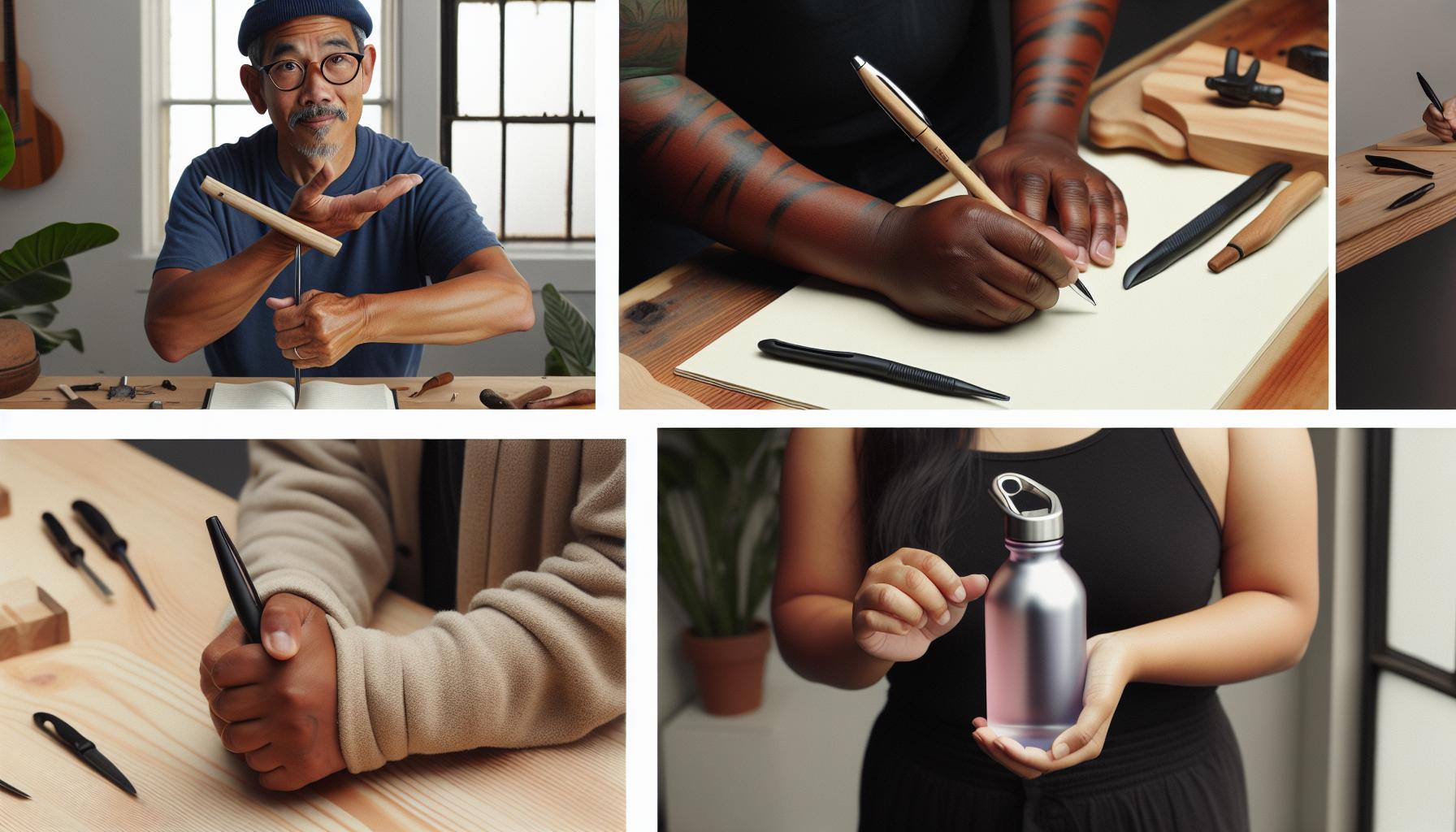
Step-by-Step Guide to Correct Finger Placement
When it comes to calligraphy, finger placement is everything. A solid grip not only affects the control you have over your strokes but also influences your comfort and creative expression as you write. Getting your fingers positioned correctly can make a world of difference, especially for those longer sessions where fatigue can set in.
Start by placing your thumb and index finger on the pen about an inch from the nib. This forms a natural triangle grip that provides the necessary control while allowing for fluid movement. Your thumb should lie on one side of the pen, while your index finger rests on the top, guiding it as you move. Don’t forget about your middle finger! It should support the pen, nestled against the barrel. This stabilizing trick is crucial; it helps to alleviate strain on your fingers and wrist, especially when you’re creating intricate designs or writing out longer passages.
As you get more comfortable, pay attention to the positioning of your wrist and forearm. Keeping your wrist relaxed while your forearm remains steady allows for a smoother flow of motion. Make sure your fingers aren’t too rigid; a relaxed grip gives you the freedom to achieve varying pressure, which is key in calligraphy. If you find that your fingers cramp or your hand grows tired, it’s a surefire sign to step back and reassess your grip. Taking breaks to stretch or adjust can help you maintain a good hold.
Visualize your grip as a well-oiled machine-each finger has a role, working together to create beauty on the page. Experimenting with different placements can also lead to discovering what feels best for you. After all, calligraphy is an art form that thrives on personal expression. By honing your finger placement, you set the foundation for not just writing, but for crafting art that flows effortlessly and captures the essence of your unique style.
Common Mistakes to Avoid When Holding the Pen
Holding your calligraphy brush pen correctly is pivotal, yet many tend to overlook foundational aspects that can make or break their experience. One common mistake is gripping the pen too tightly, which can lead to discomfort and hinder your fluidity of motion. Instead of clenching your fingers around the barrel, aim for a relaxed hold. This allows for more natural movement and lets your strokes flow without excess tension or stiffness.
Another frequent error is incorrect finger placement. Beginners sometimes position their fingers too far up or down on the pen, which can throw off your balance and precision. Ideally, your thumb and index finger should create a natural triangle near the nib, while your middle finger provides support beneath the pen. Experimenting with slight adjustments in placement can yield big results in comfort and control.
Also, keep an eye on your wrist. Many people forget about wrist positioning, opting for an awkward angle that disrupts their line quality. Your wrist should remain relaxed, allowing for smooth motions as you write. Try practicing in front of a mirror to observe your grip and wrist alignment; making small corrections can enhance your stability and overall technique.
Finally, don’t neglect the importance of grip pressure. Some calligraphers press too hard, thinking it leads to bolder strokes; however, this usually results in jagged lines and hand fatigue. Lighten your grip and let the brush pen’s tip do the work. With practice, you’ll discover the sweet spot of pressure that gives you both beauty and ease in your calligraphy work. Remember, the goal is to express your artistry without unnecessary restrictions, so take your time to find what truly works for you!
The Impact of Grip Pressure on Your Calligraphy
When it comes to calligraphy, grip pressure is often the unsung hero of beautiful strokes. Many beginners mistakenly think that squeezing the pen tightly will yield more control or bolder lines, but the truth is quite the opposite. A light grip can make all the difference, allowing the brush pen’s flexibility to create graceful, flowing letters. If you want to enhance your calligraphy, understand how grip pressure influences every stroke you make.
Your fingers should cradle the pen gently, not clench it as if it were a lifeline. Think of your grip as a delicate balance; too much pressure leads to jagged lines and excessive fatigue, while too little makes your strokes feeble and imprecise. Finding that sweet spot involves a bit of trial and error. Try holding your pen in a position that feels comfortable, and then gradually lighten your grip. As you practice, pay attention to the way the nib interacts with the surface. You’ll start to notice that lighter pressure produces softer, more elegant lines, while a firmer grip can lead to inconsistency and strain.
Another crucial aspect to consider is how different styles of calligraphy benefit from varying levels of grip pressure. For example, modern calligraphy often embraces a more relaxed style that thrives on varied strokes-thick when more pressure is applied, thin when pressure is released. Conversely, traditional scripts like Copperplate require more precision and even application of pressure throughout the stroke to maintain consistency. This understanding will help you adapt your technique depending on the style you’re aiming for.
To truly hone your skills, incorporate grip pressure exercises into your daily practice. Try writing the same letter multiple times, varying your pressure each time. You might also experiment with different types of paper to see how they respond to your grip changes. As you refine this skill, grip pressure will become second nature, allowing you to focus on creativity and expression, truly unlocking the artistry that calligraphy has to offer. Remember, it’s not just about holding the pen but how you connect with it, allowing your unique style to shine through each elegant stroke.
Exploring Different Styles: How Grip Affects Lines
Understanding how your grip affects the lines you create in calligraphy can dramatically change your work. It’s a subtle yet powerful factor that influences everything from line width to the elegance of your lettering. Each calligraphy style has its own nuances, and adjusting your grip can help you master those differences.
For instance, in modern calligraphy, a fluid, relaxed grip allows for smooth transitions between thick and thin strokes. This flexibility lets you experiment with varying pressure throughout each letter, enabling the playful contrasts that characterize this style. A loose grip promotes a sense of freedom, inviting spontaneous creativity. Try writing a word with varying pressure to feel the difference; your lines will bloom and breathe as you find the balance between control and relaxation.
On the flip side, traditional scripts, such as Copperplate, demand more consistency and precision. Here, a firmer grip is often necessary to maintain even pressure throughout each stroke. This means you’ll need to be more deliberate with your technique. Practicing slow, controlled movements can help you develop the muscle memory needed for these intricate letters. Consider setting aside time to practice each style specifically, focusing on how your grip impacts the final result. Notice how adjusting your grip can transform your letters from shaky to sharp.
Ultimately, embrace the learning journey and let your grip guide your artistic expression. Experiment with different grips for different styles, and don’t be afraid to mix things up. You might discover that a slightly different hold opens up a new way of creating that resonates with your voice as an artist. Remember, the key is in the connection-how you hold the pen not only affects the lines but also reflects your personal style and approach to calligraphy.
Tips for Practicing Your Grip Daily
To truly master calligraphy, daily practice of your grip is essential. It might feel tedious at times, but consistent practice is what will shape your control and precision. Start small. Set aside just 10 to 15 minutes each day solely to focus on how you hold your brush pen. This focused time will allow you to develop the muscle memory you need, turning good grip techniques into second nature.
Consider using a variety of mediums during your practice-different papers and ink consistencies can challenge your grip in new ways. Experiment with smooth, heavy-weight paper versus textured paper; you might find that one feels more comfortable for your preferred grip. Additionally, try practicing with different pen sizes to see how grip adjustments can change when you switch between a fine tip and a broader brush.
Incorporate specific exercises that zero in on grip control. For example, practice drawing lines of varying thickness using different grip pressures. Try writing out all the letters of the alphabet multiple times while consciously adjusting your grip. Notice the difference between a tight grasp and a relaxed hold. This exercise not only improves your grip but also enhances your overall line quality and control.
Make it a habit to keep your pen within reach throughout the day. Whenever you’re waiting-be it in line or during a break-take a moment to scribble some strokes or letters. These quick sessions help reinforce your grip techniques without requiring set time aside for practice. Remember, it’s these small, consistent actions that compound over time to yield significant improvement. So go ahead and play with your grip daily-your calligraphy will flourish as a result.
Troubleshooting Grip Issues for Beginners
Having trouble with your grip when holding a calligraphy brush pen? You’re not alone. Many beginners face challenges that can hinder their progress. Whether it’s cramping fingers, inconsistent strokes, or fatigue, identifying grip issues is the first step toward a smoother writing experience.
To troubleshoot grip problems, start by examining how you’re holding the pen. Are your fingers too tightly wrapped around it? A tense grip can lead to fatigue and reduce your control over the brush. Instead, try to hold the pen gently but securely. Think of it as holding a delicate instrument rather than a writing tool. Ideally, your fingers should form a relaxed arch with light pressure. This not only eases tension but also enhances fluid movement, allowing for more expressive strokes.
Another common issue beginners face is improper finger placement. If you notice that your strokes are uneven, consider adjusting where your fingers rest. A good practice is to position your index finger about halfway up the pen, while your thumb provides support underneath. The middle finger should act as a stabilizer, cradling the pen comfortably. This tri-pod hold ensures that your hand is steady enough to draw fine lines but flexible enough to accommodate dynamic movements.
Lastly, don’t ignore the importance of consistency in practice. Set short, focused sessions where you consciously reflect on your grip. For example, try practicing the same stroke repeatedly while paying attention to your grip and finger placement. Record your progress in a journal or on video; reviewing this can help you spot patterns in your grip that you may want to adjust. Remember, it’s all about building muscle memory. Keep at it, and soon you’ll find your grip becoming second nature!
Advanced Grip Techniques for Experienced Calligraphers
The grip you use with a calligraphy brush pen can elevate your work from ordinary to extraordinary. For experienced calligraphers, fine-tuning your grip allows for more nuanced control over the brush and consequently affects the fluidity and precision of your strokes. Here are some advanced techniques to supercharge your penmanship.
Explore the Dynamic Hold
One powerful technique is the dynamic hold, which allows for flexibility in movement. Instead of maintaining a rigid grip, let your fingers adapt as you write. This means varying the pressure and angle based on the stroke, resulting in diverse line thicknesses that add depth to your work. Keep your thumb relaxed and pivoted, enabling your hand to flow smoothly across the paper. Practice creating different strokes with varied pressure to see how your grip responds.
Experiment with Grip Locations
Changing where you grip the pen can also yield impressive results. Many experienced calligraphers find success by repositioning their fingers along the barrel of the pen. Try gripping closer to the nib for fine, intricate details or further back for wider, flowing strokes. Each position alters the angle and how the brush interacts with the paper. It may feel awkward at first, but this exploration will broaden your skill set and enhance your adaptability in different styles.
Utilize Finger Flexibility
Flexibility isn’t just for your wrist; your fingers need to be just as agile. As you write, practice relaxing your fingers to allow them to adjust naturally with the movement of your hand. This means not holding the pen too tightly, which can inhibit the fluid motion required for elegant strokes. Consider integrating finger exercises into your practice routine, such as squeezing a stress ball or stretching your fingers before a session to promote better blood flow and reduce tension.
Incorporate Pressure Techniques
Mastering pressure sensitivity is crucial for advanced calligraphers. Your grip should allow for soft, delicate strokes as well as firm, bold ones. Focus on how grip pressure influences the brush’s performance. Use lighter pressure for gentle lines and increase pressure for darker, thicker strokes. This deliberate control over pressure also increases the longevity of your pen tips, so it’s a win-win.
By integrating these advanced grip techniques into your practice, you’ll not only improve control but also develop a more personal and expressive calligraphic style. Remember, the journey to perfecting your grip is ongoing; keep experimenting to discover what works best for your unique artistry.
Inspiring Calligraphy Artists and Their Grip Styles
When it comes to calligraphy, grip can transform your artwork from average to awe-inspiring. Many top calligraphy artists have unique grip styles that not only define their personal aesthetics but also influence the way they create beautiful letters and illustrations. Understanding these gripping techniques can unlock new possibilities in your own practice.
One artist renowned for her fluid and whimsical lettering, Jenna Rainey, emphasizes a relaxed hold. She advocates for keeping fingers slightly loose while allowing natural movement in the wrist. This technique helps to produce softer, more organic strokes, resulting in a free-flowing script that feels alive. Jenna often demonstrates how varying grip pressure can create astonishing depth; a light touch yields delicate lines while a firmer grip adds boldness.
On the other hand, Kelley Eddington uses a more structured grip. She positions her fingers firmly along the pen barrel, with the thumb and index finger forming a precise triangle that stabilizes the pen during rapid movements. This allows her to execute detailed designs and intricate flourishes without sacrificing control. Kelley shares that experimenting with grip locations has enabled her to feel more confident in shifting angles, enhancing both speed and detail in her work.
Another inspiring artist, Teagan White, combines techniques for a dynamic and playful approach. She often uses a mid-grip, which balances control with flexibility, essential for her illustrative style. Teagan mentors her followers to explore how their grip can change the way the brush interacts with the paper. For her, a relaxed wrist and quick finger movements facilitate expressive lines, perfect for her whimsical illustrations.
As you dive into your calligraphy journey, experiment with different grip styles inspired by these artists. Observe how pressure, position, and finger dynamics alter your strokes. Each artist’s grip reveals a personal connection to their art and can serve as a catalyst for discovering your unique voice in calligraphy. Embrace the exploration; it could lead to breakthroughs in your technique and transform your approach to lettering.
Q&A
Q: How can I improve my grip for using a calligraphy brush pen?
A: To improve your grip with a calligraphy brush pen, practice holding it lightly between your thumb and index finger while resting it on your middle finger. This enhances control and reduces cramping. Aim for a relaxed hand position to allow for smoother strokes. Consider reviewing the *Crucial Techniques for a Comfortable Grip* section in the article for further insights.
Q: What common grip issues do beginners face when using a brush pen?
A: Beginners often grip the pen too tightly, leading to fatigue and uneven strokes. Others might have incorrect finger placement, which can affect control. Reviewing the *Common Mistakes to Avoid When Holding the Pen* section can help identify and rectify these issues.
Q: Why is grip pressure important in calligraphy?
A: Grip pressure is crucial as it influences the flow of ink and stroke thickness. A lighter grip allows for more fluid lines, while applying pressure can cause ink flow issues and fatigue. Explore the *Impact of Grip Pressure on Your Calligraphy* section for tips on mastering this technique.
Q: How does my grip affect different calligraphy styles?
A: Your grip directly impacts your control and the style of your calligraphy. For example, a loose grip suits flowing styles, while a firmer grip may be necessary for precise letters. Check out the *Exploring Different Styles: How Grip Affects Lines* section for more details.
Q: What exercises can help strengthen my grip for calligraphy?
A: Simple exercises like squeezing a stress ball or practicing finger stretches can enhance grip strength. Additionally, regular calligraphy practice with varying grip techniques reinforces muscle memory. Refer to *Tips for Practicing Your Grip Daily* for targeted exercises.
Q: When should I consider changing my grip technique?
A: Change your grip technique if you experience discomfort, inconsistent stroke quality, or if your style of calligraphy evolves. Experimenting with different grips can lead to improved results. The *Advanced Grip Techniques for Experienced Calligraphers* section may provide useful strategies.
Q: How can my finger placement affect my calligraphy?
A: Correct finger placement ensures better control and fluidity of movement. Improper placement can lead to wobbly lines and fatigue. For precise guidance, consult the *Step-by-Step Guide to Correct Finger Placement* in the article for a thorough walkthrough.
Q: What should I do if I’m struggling with my grip while practicing calligraphy?
A: If you’re struggling with your grip, take breaks to prevent fatigue, adjust your hold, and practice with lighter pressure. Consider revisiting the *Troubleshooting Grip Issues for Beginners* section for specific solutions tailored to common grip challenges.
Closing Remarks
Mastering your grip on a calligraphy brush pen is just the beginning of your artistic journey! By practicing the techniques we’ve shared today, you’ll unlock a whole new level of creativity and precision. Don’t let doubt hold you back-start experimenting with different grips and find what feels right for you.
Ready to take the next step? Dive deeper into our tutorials on basic calligraphy strokes and explore tools that can enhance your writing experience. Plus, be sure to check out our tips on maintaining your brushes for long-lasting use. Your perfect calligraphy is just a few clicks away!
Join our community by signing up for our newsletter to receive exclusive content and updates. We’d love to hear about your progress, so leave a comment below or share your creations with us on social media! Let’s create stunning art together-your journey starts now!