

Have you ever struggled to get that perfect stroke while calligraphy writing? Holding a fountain calligraphy pen might just transform your experience. The right grip can enhance your control and comfort, allowing you to create beautifully flowing letters with ease. In this guide, we’ll explore techniques to master the art of holding a fountain pen, addressing common issues like hand fatigue and stress on your wrist. Whether you’re a beginner eager to learn or an experienced scribe looking to refine your technique, understanding how to hold your pen is crucial for producing stunning work. Let’s dive into the details that can take your calligraphy to the next level!
How to Choose the Right Fountain Calligraphy Pen for You
Choosing the perfect fountain calligraphy pen can feel as daunting as mastering the craft itself. The right pen makes all the difference, ensuring comfort and control while you express your creativity. Start by considering your writing style. If you lean towards intricate designs, a pen with a flexible nib offers the responsiveness needed for flourishes. On the other hand, a rigid nib provides a consistent line width, which can be beneficial for beginners focused on learning foundational techniques.
Next, examine the weight and balance of the pen. A heavier pen might feel substantial in your hand, while a lighter one can reduce fatigue over long writing sessions. Your grip is crucial; you want to find a pen that feels natural, allowing you to maintain that all-important control. Look for pens with rubber grips or ergonomic designs that accommodate a relaxed hold. Don’t forget about the feeding system, too! A converter or cartridge system should match your ink preferences, whether you enjoy vibrant colors or classic hues.
Lastly, don’t hesitate to experiment with different nib sizes. From extra-fine to broad, the nib size influences your line quality and style. Consider starting with a medium nib-it’s versatile and forgiving for beginners. As you grow more confident, you can explore specialty nibs suited for various techniques. Test pens in-store when possible, or order a few online to see what feels right in your hand; after all, the best pen is the one that feels like an extension of you.
Understanding Fountain Pen Anatomy: Key Parts Explained
A fountain pen is more than just a writing instrument; it’s a finely-tuned tool that can elevate your calligraphy to an art form. Understanding the anatomy of your fountain pen is crucial to mastering control and achieving that perfect flourish. Let’s break down the key components that contribute to both comfort and precision in your writing.
The nib is the heart of the fountain pen. It’s the part that makes contact with the paper. Nibs come in a variety of styles and sizes, impacting the line thickness and flow of ink. An italic or stub nib can create beautiful, broad strokes, perfect for calligraphy, while a fine nib is more suited for detailed work. When choosing your pen, experiment with different nibs to find one that feels right for your writing style.
Next is the feed, a critical component that regulates ink flow from the reservoir to the nib. A well-designed feed can make all the difference, ensuring a smooth writing experience without skipping or blotting. A reliable feed system will allow you to maintain consistent ink flow, crucial for achieving clean lines and elegant shapes in calligraphy.
The body of the pen comes in various materials, shapes, and weights, which may significantly affect how you hold your pen. A lightweight pen can help you write longer without fatigue, while a heavier body can provide a sense of stability during use. Consider the grip section as well; some pens feature rubberized grips or ergonomic designs that support longer writing sessions and reduce the strain on your hand.
Finally, the ink reservoir-whether a cartridge, converter, or built-in piston-plays a significant role in your overall experience. The type of ink you choose can influence flow and saturation, so do some research on what works best with your pen type. Trying different inks can transform your writing from bland to breathtaking.
By familiarizing yourself with these key parts, you’ll not only enhance your comfort while writing but also improve your control and style in fountain calligraphy.
The Perfect Grip: Techniques for Comfort and Control
Finding the right grip on your fountain calligraphy pen can dramatically transform your writing experience. The goal isn’t just to hold the pen; it’s about establishing a connection that allows for fluid motion and creativity. A comfortable grip can mean the difference between effortless strokes and frustrating tension in your hand. So, let’s dive into some techniques that can help you find that sweet spot where comfort meets control.
First, consider the basic hold. Aim to position your fingers comfortably on the pen, typically your thumb and index finger forming a pinching point, while your middle finger supports the body. This tripod grip is a favorite among calligraphers because it offers balance and allows fine control over your movements. Make sure you’re not gripping too tightly; instead, allow your fingers to relax. A tight grip often leads to fatigue and can hinder your ability to create those beautiful flowing lines.
Next, experiment with hand positioning. The angle at which you hold your pen against the paper can influence your writing style. Most calligraphers find that tilting the pen slightly can help the nib glide over the paper more smoothly. A good starting point is to hold the pen at about a 45-degree angle to the writing surface. Feel free to adjust this based on what feels comfortable for you. Don’t be afraid to practice different angles to observe how they affect the ink flow and overall technique.
Lastly, pay attention to your wrist and forearm. Keeping your wrist straight and allowing your arm to move from the elbow minimizes strain on your hand. If your wrist bends too much, it can lead to discomfort and awkward lines. A relaxed upper body also encourages a smoother writing experience. Try to engage your whole arm rather than just your hand, especially during longer writing sessions.
By focusing on these grip techniques, you’ll likely find a significant improvement in your calligraphy work. Remember, practice is vital. The more you write, the more intuitive your grip will become, leading to comfortable control and stunning results. Enjoy the process-your pen is your brush, and with the right grip, you can paint beautiful letters with every stroke.
Posture Matters: Finding Your Best Writing Position
Finding the right posture while writing with a fountain calligraphy pen can significantly enhance your comfort and the quality of your strokes. Did you know that your writing position can affect not just your creative flow but also reduce fatigue during long sessions? A good posture allows your body to support your hand without unnecessary strain, making it easier to produce those elegant and precise letters.
To achieve an optimal writing position, start by sitting up straight in a comfortable chair. Your feet should be flat on the ground, and your back should be supported. Avoid slouching or leaning too far forward; this can create tension in your neck and back, which can eventually detract from your calligraphy. Rest your forearms on the table, allowing your wrists to remain relaxed. This creates a stable base for your hand and minimizes fatigue, enabling better control over your pen.
Pay attention to the height of your writing surface. Ideally, your elbows should be at a right angle, and your hands should be at a comfortable height when holding the pen. If your desk is too high or low, it can lead to awkward angles that strain your wrists and arms. Adjust your chair or writing surface as needed to find the most comfortable arrangement. Remember, consistency is key; developing a routine with a focused writing posture will help your body adapt, leading to smoother, more fluid calligraphy.
Lastly, don’t underestimate the power of regular breaks. If you’re working on a lengthy project, set a timer to remind yourself to stretch and shake out your fingers and wrists every 20 minutes. This quick reset will keep your muscles relaxed and improve your overall writing experience, allowing you to enjoy the art of calligraphy without the cramping discomfort that can accompany prolonged writing. With these tips in mind, you’ll find that the right posture not only boosts your comfort but also elevates your calligraphy skills.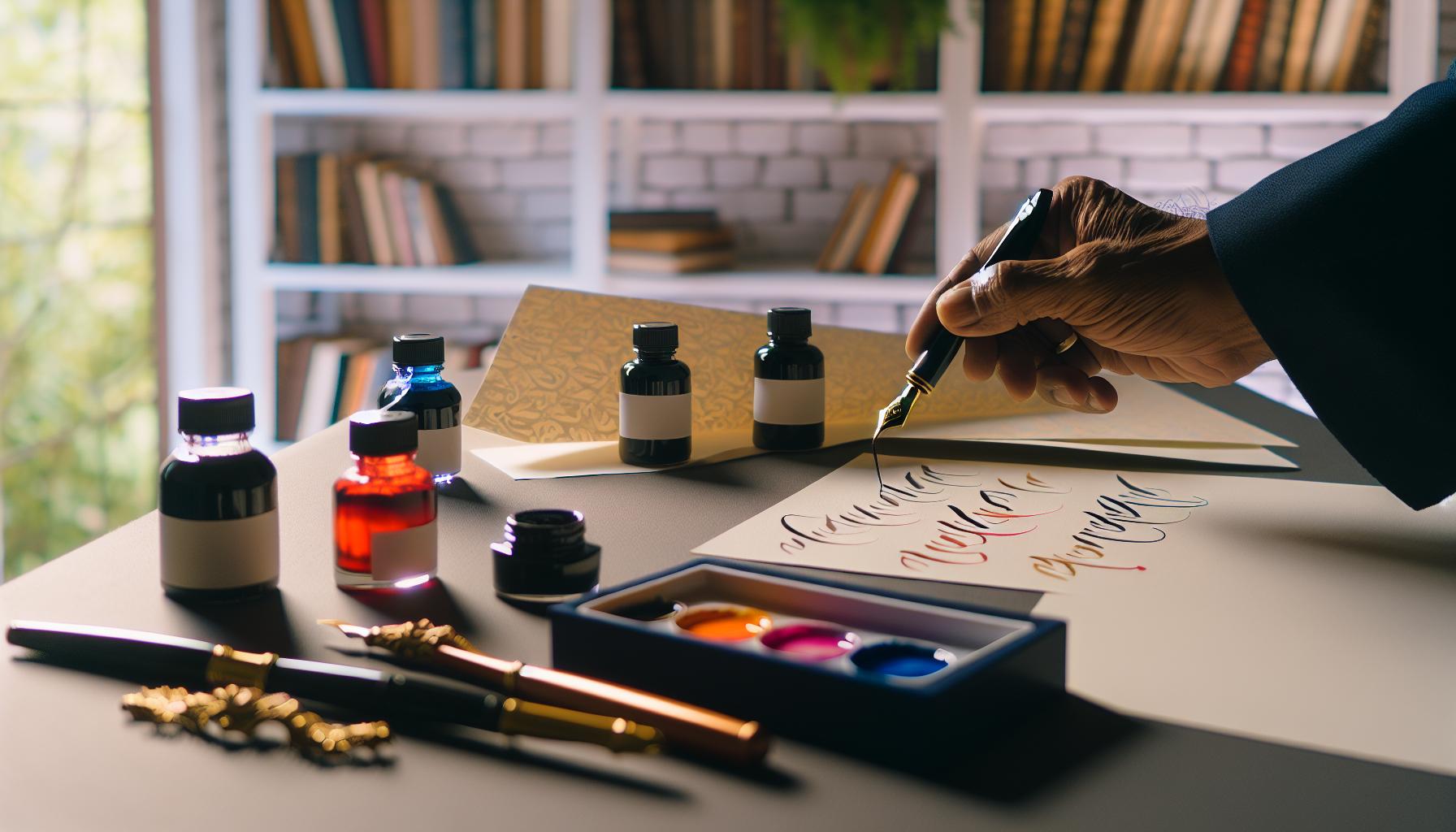
Ink Selection: Enhancing Your Calligraphy Experience
Choosing the right ink can make or break your calligraphy experience. The beauty of fountain calligraphy lies not just in the nib or the grip, but significantly in the ink you choose. It influences everything-flow, saturation, and drying time-all of which can affect your comfort and control while writing. Sometimes, experimenting with different inks is the key to unlocking that perfect writing experience.
When selecting your ink, start with these critical factors:
- Flow: You want an ink that flows smoothly without skipping. Look for quality brands specifically designed for fountain pens. They often have a balance that prevents clogging while ensuring consistent ink delivery.
- Color: The color you choose affects not just the visual aesthetic but also how comfortable you feel while writing. Softer shades might help ease tension during long sessions, while bold colors can energize your work.
- Drying Time: Consider how quickly the ink dries on your chosen paper. If it takes too long, your hand might unintentionally smudge your work. I recommend testing a few ink samples to see how they behave with your preferred paper.
- Water Resistance: Especially if your work will be displayed or handled often, choose an ink that’s water-resistant. There’s nothing worse than a beautiful script getting ruined by a little moisture!
Many calligraphers, myself included, enjoy keeping a small ink collection. This way, you can match your ink choice to your mood, style, and occasion. Some days call for a classic black or blue, while other projects might inspire something vibrant and playful. Remember, the goal is engagement-both with the medium and your creative expression. So, sample a few different brands and colors, find your favorites, and enjoy the journey that each different ink brings to your fountain pen experience.
By understanding the importance of ink selection, you will enhance not just the look of your calligraphy, but also the joy of writing itself.
Different Nibs and Their Impact on Your Writing
Choosing the right nib for your fountain calligraphy pen can dramatically transform your writing experience. The nib isn’t just a small piece of metal at the end of your pen; it’s the gateway to your personal style, and it directly influences how your ink flows onto the page. Different nibs produce various line widths and styles, which can significantly affect the overall look of your calligraphy.
When it comes to nib types, you’ll encounter a range of options, from fine to broad and everything in between. A fine nib is excellent for detailed work and intricate designs, making it a favorite for precision tasks like small lettering or delicate flourishes. Conversely, a broader nib can create bold strokes that enhance visibility and add a dynamic flair to larger lettering styles. If you’re looking to experiment, consider a medium nib as a versatile choice-it strikes a balance between the two extremes, allowing for both details and broader strokes.
The material of the nib also plays a vital role in your writing experience. Stainless steel nibs are more common and tend to be robust and reliable, perfect for beginners. Gold nibs, while more expensive, offer a smoother writing experience and provide a slight flex that can adapt to your writing pressure, delivering a more personalized touch. If you want to experiment with the feel of different nibs, many brands offer nib units that can be swapped out easily, allowing you to find the perfect match for your writing style.
Ultimately, your nib choice should complement not just the ink you’re using but also your comfort and control while writing. Play around with different sizes and materials. You’ll soon discover that a nib can express your unique personality and elevate your calligraphy practice, transforming ordinary writing into an art form. So, take the plunge, try various nibs, and watch your calligraphic skills flourish!
Practice Makes Perfect: Exercises for Better Control
Practicing with your fountain calligraphy pen doesn’t just enhance your skills; it builds a deeper, more intimate connection with your tool. Remember, mastery isn’t instant-it’s forged through consistent practice. Here are some engaging exercises to refine your control and boost your confidence.
Basic Strokes
Start with the fundamentals. Draw vertical, horizontal, and diagonal lines, focusing on pressure and direction. Gradually vary the pressure to create different line thicknesses. This practice helps you gain familiarity with how much pressure your nib requires, which is crucial for achieving diverse strokes in calligraphy.
Shapes and Loops
Once you’re comfortable with lines, move on to shapes like circles, ovals, and loops. These forms are essential components of many calligraphic letters. The key here is repetition-make these shapes large and small, focusing on uniformity. Try to create consistent loops that can serve as guides for letters such as “o” and “e.”
Letter Practice
Pick a few letters-preferably those that share similar strokes (like “a,” “d,” and “g”). Write each letter in various sizes and styles, concentrating on maintaining smoothness and control. Consider using guides to help with proportions. As you practice, you’ll begin to understand how to balance your grip and adjust your writing pressure to achieve different effects.
Spacing and Alignment
Good calligraphy isn’t just about the letters; it’s also about spacing. Practice writing phrases or words while paying close attention to the distance between characters. Use lined paper or a ruled template for guidance. Keep your letters aligned and spaced evenly, which is vital for creating visually appealing calligraphy.
Remember, consistency is key. Put aside 15-30 minutes a day for these drills, and don’t be afraid to experiment. Every stroke you make is a step toward developing your unique style. Let your pen flow, and enjoy the process of creating art with every word.
Troubleshooting Common Fountain Pen Issues
It’s frustrating when your fountain pen misbehaves, especially in the middle of a creative flow. Understanding how to troubleshoot common issues can save you time and keep your calligraphy practice running smoothly. Let’s dive into some frequent problems you might encounter and how to resolve them.
One of the most common issues is skipping. This can happen due to dried ink in the nib or insufficient ink flow. If you notice your pen skipping, first check the ink level. If you’re good there, try gently cleaning the nib with warm water. Soak it for a few minutes and then test the pen again. If it continues to skip, the nib might be misaligned. Carefully adjust the tines of the nib using a magnifying glass to ensure they’re evenly spaced.
Another problem is ink blotting, which can ruin an otherwise perfect piece. Blotting often occurs if the nib is too saturated or if you’re using too much pressure while writing. To avoid this, try writing with a lighter hand and set your pen down for a moment to let excess ink flow off. Switching to a finer nib can also help control ink release, making your work cleaner.
Lastly, if your pen feels scratchy against the paper, it might be due to the paper texture or the nib itself. Experiment with different types of paper-smooth paper often works best for calligraphy. If the nib is damaged or too dry, consider changing it out for a new one. Regular maintenance, like flushing your pen and keeping it stored properly when not in use, can prolong its life and enhance your writing experience.
By being proactive and knowledgeable about these common issues, you can focus on your calligraphy without interruptions. Remember, every challenge is an opportunity to refine your technique.
Maintaining Your Fountain Pen: Care Tips for Longevity
To keep your fountain pen in prime condition, regular maintenance is key. A well-cared-for pen not only performs better but also lasts longer, enhancing your calligraphy experience. Here’s how to ensure your fountain pen remains your reliable companion.
Start with the basics: clean your fountain pen regularly. After each use, especially with vibrant or specialty inks, it’s important to flush the nib and feed with clean, lukewarm water. This prevents ink from drying and clogging the nib. If you’ve been using a particularly stubborn ink, you might need to soak the nib overnight. Just ensure the cap is off to avoid ink pooling.
Next, pay attention to storage. Store your pen horizontally or with the nib facing up. This helps maintain the ink level in the feed, preventing it from drying out and ultimately skipping when you write. If you anticipate a long break from using your pen, consider cleaning it thoroughly and letting it dry before storing it away. It’s also a good idea to use a pen case to protect it from dust and accidental damage.
Humidity can affect the ink and the nib, so store your pen in a climate-controlled environment. Avoid extreme temperatures and high humidity to keep the ink flow consistent. If you notice ink drying too quickly, it may be time to look at your ink and paper combination as well.
Lastly, treat your nib gently. It should glide smoothly over your paper-if it feels scratchy, check for nib bending or dirt buildup. Use a soft cloth to wipe down the nib and feed before and after use. If your nib is bent, instead of panicking, gently adjust it back with precision. Regularly taking these simple steps will not only help you enjoy your fountain pen but also boost your calligraphy skills significantly. Treat your pen well, and it will reward you with smooth, beautiful writing every time.
Exploring Styles: How Grip Affects Calligraphy Techniques
When you dive into the world of fountain calligraphy, how you hold your pen is not just a matter of comfort-it can radically transform your writing style and technique. A good grip influences the flow of your ink, the precision of your strokes, and even the endurance of your hand during longer writing sessions. There’s no one-size-fits-all approach here; your grip should feel natural and fit your unique writing needs.
Experimenting with different grips can reveal your preferred style. For instance, a traditional tripod grip, where the pen rests between your thumb and index finger while the middle finger supports it from below, allows for excellent control and fluidity. Alternatively, some calligraphers favor a more relaxed grip, keeping the pen loosely held, which can help reduce fatigue and promote longer writing sessions. Adjusting your grip can also change how you execute specific letters; a firmer grip may yield sharper angles, while a looser one could create softer curves.
It’s essential to pay attention to your fingers’ positioning. Keeping the grip closer to the nib allows for intricate detail and better control over delicate strokes, which is especially valuable in flourishing. But if you find your hand cramping, consider shifting a bit further back. This not only alleviates strain but can also provide a different perspective on the ink flow-sometimes, giving your hand more space can lead to smoother writing.
Incorporating variations in grip and experimenting with pen angles can also enrich your style. Each slight adjustment can lead to significantly different results in your calligraphy. Try recording your writing with different grips to see which feels best and produces the results you desire. Writing should be enjoyable, so finding that sweet spot where comfort meets control will elevate your calligraphy and keep your enthusiasm flowing.
Personalize Your Experience: Choosing the Right Paper
Choosing the right paper for your fountain calligraphy can make all the difference in achieving beautiful, flowing letters. The texture, weight, and absorbency of the paper will directly influence how your pen glides, how much ink it absorbs, and the overall appearance of your work. Experimenting with different papers is key to finding what feels best for your writing style and techniques.
When selecting paper, consider the following factors:
- Texture: Rougher papers can create a more textured look but may slow down your writing. Smoother papers allow for easier gliding and can result in cleaner lines.
- Weight: Heavier papers (usually 100gsm or more) can handle ink better, preventing bleed-through and warping. Lightweight papers might be suitable for practice but could disappoint in finished pieces.
- Absorbency: Some papers absorb ink quickly, which is great for preventing smudges, while others allow for a bit of ink pooling, great for creating rich letters but risky for bleeding.
Additionally, try various types specifically designed for calligraphy, like cotton papers or specialty watercolor papers. They not only hold ink beautifully but also enhance the tactile experience of writing. You might find that certain combinations of ink and paper lead to breathtaking results or that others don’t suit your flow, like finding the right pen grip.
Ultimately, the paper you choose should complement your writing style and techniques. Don’t hesitate to test out samples at your local art supply store or invest in an assortment pack to truly find what resonates with your calligraphy journey. The right paper can elevate your work, making your calligraphy not just a task, but an artful experience.
Mastering Fountain Calligraphy: Tips from the Pros
Mastering the art of fountain calligraphy starts with how you hold your pen. A proper grip not only enhances your control but also ensures comfort during long writing sessions. Many beginners squeeze their pens too tightly, leading to fatigue and even cramping. Instead, aim for a relaxed grip that allows the pen to flow smoothly across the paper.
To find your ideal hold, start by letting the pen rest lightly between your thumb and index finger, while your middle finger provides support from underneath. This triangular grip creates balance-an essential factor for precise movements. Consider experimenting with different grips during practice. For instance, the ‘pencil grip’ offers sturdy control, while the ‘modified tripod grip’ can help achieve finer details. Both techniques can enhance your writing, but it’s crucial to choose what feels most natural for you.
When you find your grip, think about the angle at which you hold the pen. Your nib should ideally be at a 45-degree angle to the paper. This position helps the ink flow freely and prevents the nib from snagging on the page. If you’re struggling with ink flow, check your angle-it might need adjusting for optimal performance.
Lastly, don’t overlook posture. Your writing position directly influences your grip and overall comfort. Sit up straight and keep your shoulders relaxed to avoid tension. Adjust your chair and desk height to ensure a comfortable, ergonomic setup. Once you have your grip and posture dialed in, regular practice will help solidify these techniques, enabling you to create beautiful calligraphy with ease.
Frequently Asked Questions
Q: What is the best way to hold a fountain calligraphy pen for beginners?
A: For beginners, the best way to hold a fountain calligraphy pen is to grip it lightly between your thumb and index finger, with your middle finger supporting the pen underneath. Maintain a relaxed hand to prevent tension, allowing for greater control and smoother strokes. Check out the section on The Perfect Grip for detailed techniques.
Q: How does my grip affect my calligraphy style?
A: Your grip significantly influences your calligraphy style. A firm grip can create more pressure on the nib, affecting line width, while a looser grip allows for fluid and varied strokes. Experimenting with different grips can enhance your overall technique. For more on grip techniques, refer to the Exploring Styles section.
Q: Why is posture important when using a fountain pen?
A: Posture is crucial for comfort and control while writing with a fountain pen. Good posture reduces fatigue and promotes fluid movements. Ideally, sit up straight with your feet flat on the ground, allowing your arm to move freely. For more tips on positioning, see Posture Matters in the article.
Q: How can I improve my control when using a fountain pen?
A: To improve control, practice slow, deliberate strokes and experiment with different angles. Using practise exercises, such as loops and swirls, can develop muscle memory and refine your technique. Check out the Practice Makes Perfect section for useful exercises.
Q: What should I do if my fountain pen skips while writing?
A: If your fountain pen skips, ensure the nib is clean and properly aligned. Sometimes, simply changing the writing angle can help. Also, check the ink flow by ensuring the converter or cartridge is filled. Refer to Troubleshooting Common Fountain Pen Issues for more solutions.
Q: How often should I clean my fountain pen for optimal performance?
A: To maintain optimal performance, clean your fountain pen every one to two weeks, especially if you switch inks frequently. Clean it more often if the ink dries up inside the nib. For detailed care tips, see the Maintaining Your Fountain Pen section.
Q: Can I use different types of paper with my fountain pen?
A: Yes, different types of paper can dramatically affect your writing experience with a fountain pen. Look for paper specifically designed for fountain pens, which typically has a smooth finish to prevent feathering. For personalized recommendations, refer to Choosing the Right Paper section.
Q: What common mistakes should I avoid when holding a fountain pen?
A: Common mistakes include gripping the pen too tightly, which causes hand fatigue, and holding it at an incorrect angle, which can lead to skipping or inconsistent lines. Focus on relaxation and the correct grip for better results. Detailed techniques are available in the The Perfect Grip section.
To Conclude
Now that you’ve mastered how to hold a fountain calligraphy pen, you’re well on your way to creating stunning letters and designs with effortless control and comfort. Remember, the right grip not only enhances your writing experience but elevates your artistic flair! If you have any questions or need further tips, don’t hesitate to drop a comment below-I’d love to help.
For more insights on honing your skills, check out our guides on “Choosing the Best Fountain Pen for Beginners” and “The Art of Calligraphy: Tools and Techniques.” And don’t forget to subscribe to our newsletter for exclusive tips and resources to keep your calligraphy journey vibrant and inspiring. Each stroke you take is a step toward becoming the calligrapher you aspire to be-so grab your pen and let’s get writing!