

Getting your calligraphy pen to work can be a frustrating experience, especially when you’re eager to start creating beautiful lettering. Many beginners run into common problems like ink flow issues or nib malfunctions, which can turn your artistic journey into a battle of wills with your tools. Did you know that simple solutions can be the key to unlocking your pen’s full potential? In this guide, we’ll explore how to troubleshoot and fix these issues, empowering you to enhance your calligraphy skills and bring your creative visions to life. Whether you’re experiencing ink spills, smudges, or inadequate flow, you’re not alone, and we’re here to help. Keep reading to discover quick fixes and tips that will keep your pen performing beautifully, so you can focus on what you love-expressing yourself through art.
How to Identify Calligraphy Pen Issues
Identifying issues with your calligraphy pen can be a game-changer. If your strokes aren’t flowing as they should, it’s crucial to pinpoint the problem quickly. Start by observing the ink flow. If your pen skips, hesitates, or produces uneven lines, the culprit is often a clogged nib or dry ink. After use, ink can dry out or cakes on the nib, preventing a smooth flow.
Inspecting the nib is key. Gently touch the tip of the nib to see if there’s any resistance. If it feels gritty or blocked, cleaning it could be your first step. Also, check for any signs of damage or misalignment. A bent nib or improper positioning can lead to inconsistent writing. If you notice that only certain parts of the nib are making contact with the paper, it may require realignment or adjustment to function properly.
Additionally, consider the ink you’re using. Some inks are thicker and can lead to clogging more easily, especially if left in the pen for too long. Make sure to use quality ink suited for your specific pen type. If you suspect your pen’s issues are more systemic, such as nib tension requiring adjustment, don’t hesitate to explore those feelings too. Tension can affect how the nib interacts with the paper, leading to undesirable results. Understanding these common indicators is essential for keeping your calligraphy experience smooth and enjoyable.
Common Problems with Calligraphy Pens
If you’ve ever felt the frustration of a calligraphy pen that just won’t cooperate, you’re not alone. Many artists encounter common hurdles that can easily disrupt their workflow. Understanding these frequent problems is the first step to avoiding them and ensuring a smooth writing experience.
One significant issue is ink flow problems. A pen might skip, hesitate, or produce splotchy lines, which can usually be traced back to a clogged nib or dried ink. Even something as simple as dust or residue can interrupt the ink’s path. Frequently cleaning your nib can prevent this annoyance. Pay attention to the type of ink you’re using, as some inks are thicker and more prone to clogging – particularly when left in the pen too long.
Nib misalignment is another common culprit. If you’ve noticed inconsistent lines, take a close look at your nib. It might be bent, or the alignment could be off. Check if the nib’s tines are equally spaced; a misalignment can lead to uneven ink flow. Sometimes, a gentle adjustment is all it takes to get your nib back in the game.
Lastly, don’t underestimate the impact of your writing angle. If you’re used to writing with everyday pens, it might feel natural to hold your calligraphy pen at a similar angle. However, this can cause the nib to drag against the paper, leading to poor ink flow and strain. Experimenting with different angles could significantly improve your experience. By recognizing and addressing these common issues, you can turn frustration into a fluid, enjoyable calligraphy session.
Tips to Unclog a Calligraphy Pen
If you’ve ever faced the frustration of a calligraphy pen that refuses to cooperate, you’re not alone. It’s a common ordeal for many artists who depend on smooth ink flow for their creations. But fear not! Unclogging your calligraphy pen can be straightforward with a few practical techniques.
Start by soaking the nib in water. This method works wonders, especially if you suspect dried ink or residue is the culprit. Just a few minutes in some warm water can help loosen stubborn clogs. For more persistent issues, mix a drop of dish soap with warm water and soak the nib again. This gentle cleaning solution can break down any remaining ink and debris.
Another effective technique involves using a soft syringe or bulb to force water through the nib. Make sure to create a good seal around the nib to maximize water flow. If you’re dealing with particularly thick ink or a severe clog, a little ammonia can do wonders. Mixing a drop of ammonia with water can help dissolve the blockage-just be cautious and rinse thoroughly after to avoid any residue damage to your pen.
Lastly, always ensure your ink cartridge or reservoir is securely in place. A loose cartridge can lead to improper ink flow, mimicking a clog. If you’re regularly encountering clogs, consider the type of ink you’re using. Some inks are notoriously prone to drying out, so switching to a more fluid ink can save you future aggravation. With these tips, you’ll be back to creating beautiful calligraphy in no time!
Choosing the Right Ink for Your Pen

When it comes to calligraphy, the ink you choose can make or break your experience. The right ink not only complements your style but also ensures smooth and consistent writing. Whether you’re using a fountain pen, a dip pen, or a brush pen, understanding the nuances of different inks is crucial.
Start by considering the type of pen you’re using. For dip pens, many artists swear by Winsor & Newton Calligraphy Ink for its reliability and smooth flow, while others experiment with different brands, like Rotring or even some generic inks from Asian markets[2].
Ink viscosity plays a significant role in performance. Thin inks flow more easily and are less likely to dry in the nib, making them ideal for beginners. However, if you’re aiming for bold, vibrant results, you might lean towards thicker, more saturated inks. Keep in mind that pigment-based inks are more opaque and can provide a richer finish, while dye-based inks offer vibrant colors but may require careful handling to prevent drying out in the nib.
To avoid frustration down the line, always test a new ink with your specific pen setup before committing to a large project. A small swatch can save you from future headaches and ensure your ink choice pairs well with your nib’s characteristics. Finally, always be mindful of the storage and longevity of your inks; keeping them tightly capped and away from direct sunlight will help maintain their quality. Finding the right ink may take some experimentation, but doing so is key to enhancing your calligraphy practice.
How to Adjust Nib Tension and Alignment
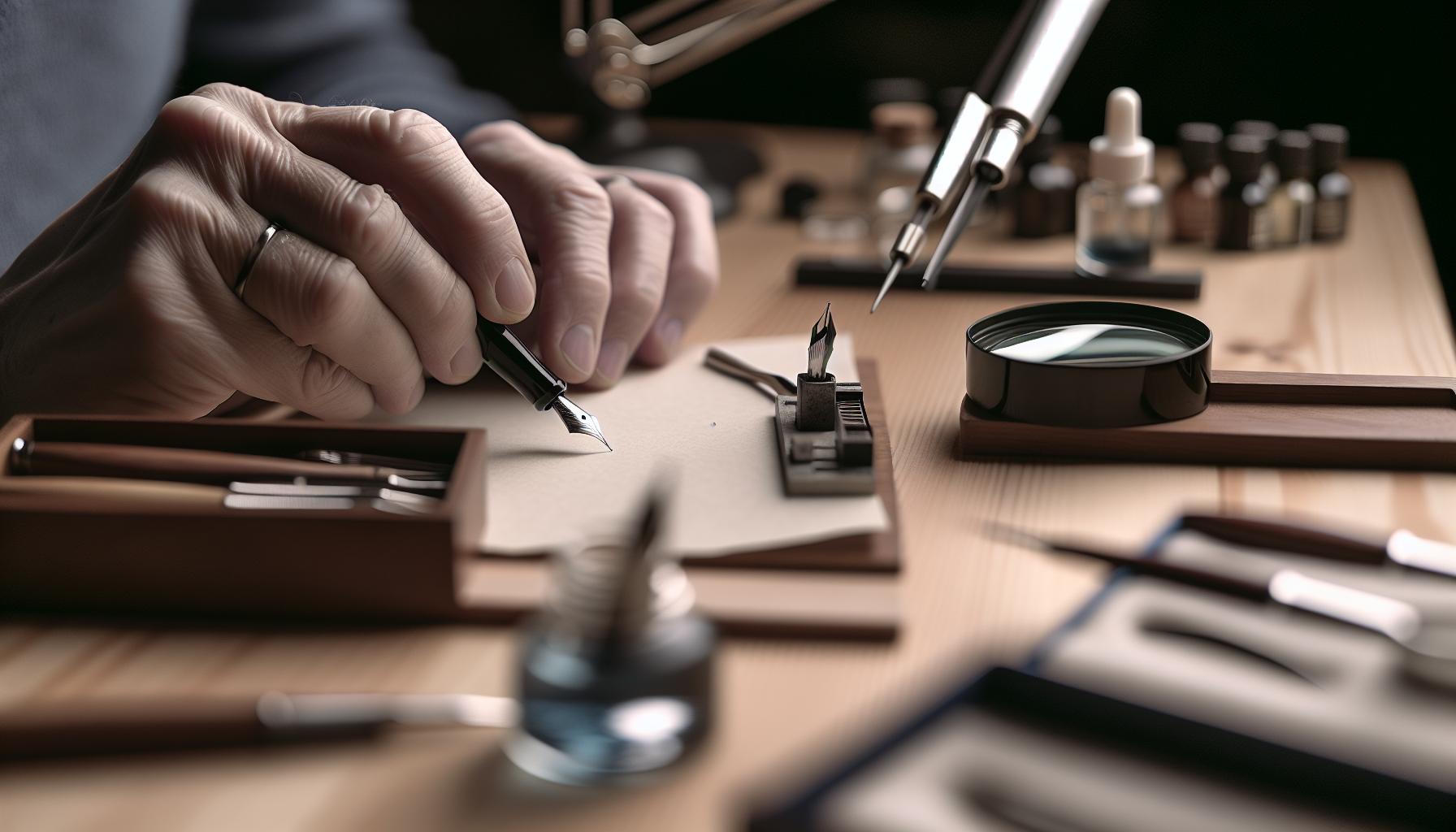
Getting your nib tension and alignment just right is crucial for smooth, effortless calligraphy. A nib that’s too tight or misaligned can cause frustrating ink flow issues, making it nearly impossible to create those beautiful, sweeping letters you envision. It may feel daunting, but adjusting nib tension and alignment is a straightforward process that every calligrapher can master with a little practice.
To start, inspect your nib for any visible bends or misalignment. You want the tines-the two parts of the nib that separate to allow ink flow-to sit parallel to each other. If they’re touching, you’ll want to gently adjust them by applying pressure to create a slight gap. Use your fingers or pliers with a soft grip; avoid using excessive force to prevent permanent damage. Test by gently pulling the nib apart and releasing it-this should create a bit of tension, which is essential for good ink flow.
Next, if you find your nib too loose, it can affect control during writing. Instead of feeling like a natural extension of your hand, it may wobble. To adjust the tension, carefully pinch the tines together slightly at their base. You’ll want to feel some resistance, but not so much that it hinders the ink flow. Always do a small test stroke on scrap paper after each adjustment to gauge how it feels and flows.
Remember, practice makes perfect. Adjusting your nib might take a few tries to get it just right. Don’t rush the process; make minute adjustments and test frequently. Nib alignment and tension affect your overall writing experience significantly, leading to better control and a more enjoyable creative process. By understanding and applying these simple techniques, you’ll be able to tackle one of the most common issues in calligraphy, allowing your creativity to flow without the worry of a faulty pen.
Cleaning Techniques for Calligraphy Pens

Cleaning your calligraphy pen is essential for maintaining its performance and prolonging its life, yet it’s often overlooked. Neglecting to clean your pen regularly can lead to ink buildup, which not only affects flow but can also damage the nib and other components. Here’s how to keep your pen in prime condition.
Begin by flushing your pen with water after each use. For fountain pens, this means removing the cartridge or converter and running cool water through the nib until it runs clear. This simple step prevents ink from drying up within the nib and clogging it. If you’re working with a dip pen, make sure to rinse the nib thoroughly in a bowl of water, taking care to avoid immersing the entire pen, especially if it’s a wooden body.
For more stubborn ink residue, a gentle soak can be beneficial. Fill a small container with water and place your nib in it for about 10-15 minutes to soften any hard deposits. After soaking, use a soft brush or cloth to wipe the nib clean. It’s crucial to avoid harsh chemicals or abrasive materials, as these can damage the delicate structure of your pen.
Pro Tips for Effective Cleaning
- Use distilled water: This prevents mineral deposits from tap water, which could clog your pen further.
- Regular maintenance: Make cleaning a part of your routine. If you use multiple colors or types of ink, clean the pen between changes.
- Dry properly: After cleaning, let the nib air dry completely before reassembling the pen to avoid moisture damage.
- Store upright: Store your calligraphy pens in a way that keeps the nibs upright. This helps prevent ink from pooling in the nib, which can lead to clogs.
By adopting these cleaning techniques, you’ll help ensure that your calligraphy pen flows smoothly and performs at its best for many writing adventures ahead. The more you care for your tools, the better your calligraphy results will be!
Storing Your Calligraphy Pens Properly
is just as crucial as cleaning and maintaining them. An often-overlooked aspect, proper storage can significantly extend the life of your pens and ensure they perform beautifully whenever you need them. Did you know that how you position your pens can directly affect ink flow? Keeping your pens in the right position will help prevent clogs and maintain their precision.
Always store your calligraphy pens upright. This is especially important for fountain pens, as storing them upside down or horizontally may cause ink to pool in the nib, leading to leaks or clogs. If you’re using a dip pen, you might be tempted to toss it into a drawer or carry it loose in your bag. Instead, consider getting a protective case or a dedicated pen holder to keep the nibs elevated. Not only does this prevent damage, but it also enhances airflow, reducing the chance of ink drying in the nib.
It’s also important to consider environmental factors. High temperatures and humidity can damage your pens, affecting both the ink and pen materials. Find a cool, dry place to store your collection, away from direct sunlight and extreme temperatures. For further protection, consider using silica gel packets inside your pen storage area to absorb excess moisture and keep your pens dry.
Lastly, be mindful of your pen’s nibs. If you use various styles, group your pens accordingly. This not only makes them easy to find but also prevents mixing inks unintentionally. After all, no one wants a beautiful project marred by an unwanted color! Invest in a quality storage solution that allows you to showcase your collection while protecting it. Your pens are your tools; treat them well, and they’ll reward you with exquisite writing for years to come.
Understanding Different Nib Types

Understanding calligraphy nib types can transform your writing experience. With various nib characteristics, each can make or break your calligraphy projects. It’s not just about aesthetics; the right nib can enhance flow, control, and line variation. Let’s dive into the essential types you should know.
Types of Calligraphy Nibs
- Flexible Nibs: These are great for those who want to create dramatic thick and thin lines. They flex under pressure, allowing for varying line widths based on how much pressure you apply. They’re perfect for traditional calligraphy styles.
- Stiff Nibs: If you prefer consistent lines without the fuss of flexing, stiff nibs are your best friend. They provide uniform thickness, making them ideal for beginners or for scripts requiring a steady hand.
- Broad Nibs: Broad nibs offer a wider ink flow, which is fantastic for highlighting and creating bold lettering. They’re often employed in modern calligraphy styles where impact is key.
- Chiseled Nibs: Designed for creating sharp, angular letter forms, chiseled nibs give you control over the precise shape of each stroke, perfect for gothic or Roman styles.
- Pointed Nibs: These versatile nibs can be used for a range of scripts from Copperplate to Spencerian. They can provide fine lines and allow for expressive flourishes, making them popular among calligraphy artists.
Choosing the right nib type depends heavily on the style of calligraphy you want to achieve. For instance, if you’re aiming for a modern, fluid style, a flexible or pointed nib might be ideal. Conversely, for a more structured, formal look, stiff or broad nibs could serve you better.
Comparative Overview
| Nib Type | Best For | Characteristics |
|---|---|---|
| Flexible Nib | Traditional Styles | Varied line thickness, responsive to pressure |
| Stiff Nib | Consistent Lines | Hardly flexes, uniform line width |
| Broad Nib | Bold Lettering | Wider ink flow, striking appearance |
| Chiseled Nib | Sharp Letter Forms | Creates angular strokes, precise |
| Pointed Nib | Versatility | Fine lines, good for flourishes |
Understanding these nib types allows you to select the perfect pen for your creative intentions, unlocking the full potential of your calligraphy. Remember, your nib is as essential to your artistry as the ink you choose. So experiment, find what feels right, and let your pen dance!
Maintenance Tips for Long-Lasting Use
Taking care of your calligraphy pen goes well beyond just cleaning it; it’s about building a relationship with your tool that enhances its lifespan and your writing experience. To ensure your calligraphy pen remains in optimal condition, consider these essential maintenance tips that’ll transform it from a simple instrument into a trusty companion for your artistic endeavors.
First, always clean your pen after each use. Dried ink is the primary cause of many writing issues, so make it a habit to rinse the nib thoroughly in water (or a suitable cleaning solution) to remove any residual ink. If the nib is particularly gunky, you might even let it soak briefly. Just make sure to avoid excessive moisture near the reservoir to prevent any damage. Invest in some soft cloths or paper towels to keep things tidy during this process. Keep in mind: a clean nib translates to smoother, uninterrupted writing.
Storage is another key aspect of maintenance. Always store your pens upright, preferably with the nib side up. This position prevents ink from pooling, which can clog the nib and lead to frustrations later on. If you use multiple colors for different projects, consider a dedicated case that allows quick identification and easy access while preventing spills. A dedicated calligraphy pouch not only protects your pens but can also become an organizational asset that enhances your workflow.
Finally, remember that different nib types demand different levels of care. Flexible nibs, for example, might require more attention due to their design. Make sure to check their alignment periodically, as misalignment can lead to uneven ink flow. If you feel your nib isn’t performing as it used to, try adjusting the tension or alignment lightly. It might be a subtle tweak that yields impressive results.
Incorporating these basic yet effective maintenance practices into your routine will pay off immensely. You’ll find that your calligraphy pen not only lasts longer but also becomes more responsive, ultimately making your writing sessions more enjoyable. Happy writing!
When to Replace Your Calligraphy Pen
It’s frustrating when your calligraphy pen starts letting you down, but knowing when to replace it can save you time and headaches. If you find that no amount of cleaning or adjusting is making a difference, it might be time to consider that your pen has reached the end of its life. Don’t let a stubborn nib keep you from enjoying your writing; recognize the signs that it’s time for a new pen.
The most obvious indicator is when the nib consistently skips or scratches the paper, despite your best maintenance efforts. If you’ve cleaned it thoroughly and checked for any alignment issues but still experience inconsistent ink flow or poor performance, it’s likely time for a replacement. Pay attention to how the nib feels during use-if it’s not gliding smoothly, or if you find yourself applying more pressure than before, this can signify wear and tear.
Moreover, if the nib seems damaged or bent after years of use, it could compromise your lettering quality. Look out for visible wear, such as frayed tines or an uneven tip, which can severely affect your strokes. In some cases, you may also experience rust or corrosion, especially if the nib hasn’t been cleaned properly over time. Even if you adore a particular pen, sometimes it’s just past its prime, and investing in a new one is essential for a satisfying writing experience.
Consider your writing needs as well. If you’ve developed a more refined approach or different style, a new nib or pen with the right characteristics can enhance your practice and creativity. So, don’t hesitate. When in doubt, test a new pen. It might just rekindle your passion for calligraphy with smoother transitions and sharper lines. Keeping these factors in mind will help ensure that you’re always working with the best tools available for your artistic expression.
Advanced Techniques for Trouble-Free Writing
It’s incredibly satisfying when your calligraphy pen flows smoothly, allowing creativity to shine through each stroke. But there are advanced strategies you can implement to ensure that your writing experience remains trouble-free. With the right techniques, you can overcome common hurdles and make the most out of your calligraphy practice.
Consistent Ink Flow Techniques
One of the most frustrating issues is inconsistent ink flow. To solve this, consider using a light touch when writing. Pressure can cause the nib to dig into paper and block ink channels. If your pen stops flowing, gently draw the nib backward across the page to draw ink down into the nib. Another trick is to hold the pen at a slight angle; a 30-degree tilt can help in maximizing ink flow while allowing for smooth strokes.
Also, regularly switching between different types of ink can lead to clogging if not managed well. Always choose inks that are designed for the type of nib you are using-fine nibs often work best with liquid, less viscous inks. Experimenting with ink viscosity can help maintain a constant flow and prevent clogs.
Nib Care and Maintenance
Your nib’s condition plays a crucial role in your writing experience. Start with diligent cleaning. After each use, wipe the nib with a soft cloth to remove any residual ink. If you’re using wet, glossy paper, consider having a dedicated nib for that to prevent cross-contamination. Periodically, clean it using warm water or a specialized nib cleaner to eliminate built-up residue that affects performance.
Moreover, adjusting nib tension and alignment is vital. If you notice that your nib is scratching the paper or not making contact, gently bend it to align the tines. Be cautious-too much pressure can damage the nib. This adjustment can transform a frustrating tool into a precise writing instrument.
Choosing the Right Paper
Don’t underestimate the importance of paper quality. The texture and weight can significantly impact how ink flows from your pen. Smooth, high-quality paper reduces friction and allows for clean lines without skipping. If you’re experiencing issues while using less expensive paper, switch to a heavier weight designed for calligraphy. It might cost a bit more, but the results are worth it.
Experimenting with Techniques
Lastly, don’t hesitate to try out different writing techniques. From varying your grip to changing your angle, experimentation is key to finding what works best for you. For instance, if you’re used to a traditional grip, try the “pencil grip” or the “choke grip” to see if it alters your comfort and control.
Incorporating these advanced techniques into your calligraphy practice can lead to smoother writing sessions and more enjoyable results. Remember, the goal is to make your pen work for you, giving you the freedom to explore your artistry without frustration. Happy writing!
Resources for Calligraphy Pen Enthusiasts
For those passionate about calligraphy, having access to the right resources is essential for overcoming challenges and enhancing your skills. A wealth of information is at your fingertips, from online tutorials to forums dedicated to calligraphy enthusiasts. Engaging with these resources can drastically improve your technique and help troubleshoot common pen issues, ensuring an enjoyable writing experience.
Start by exploring reputable online platforms like YouTube, where countless channels offer step-by-step videos on maintaining your pens and practicing your strokes. For example, the video on “How to Clean a Dried Out Fountain Pen” covers basic maintenance that can prevent ink flow issues [[2]]. Websites dedicated to calligraphy also provide valuable insights, such as detailed care instructions for nibs and cartridges, aligning with manufacturer recommendations to keep your tools in top-notch condition [[1]].
Additionally, joining community groups-whether on social media or dedicated forums-can connect you with fellow calligraphy lovers. These communities often share their own struggles and solutions, which can lead to discovering techniques you haven’t tried yet. You can ask questions about specific issues like ink compatibility or the best paper types, or get recommendations on how to fix frequent problems.
Books on calligraphy can also be fantastic resources. Look for titles that cover both the art and science of using calligraphy pens. They often include sections on troubleshooting common problems and advancing beyond beginner techniques. Whether it’s adjusting nib tension or finding the right ink, having a go-to guide will empower you to tackle any obstacle confidently.
Embrace these resources, actively engage, and don’t shy away from asking for help. Calligraphy is as much about community as it is about personal practice!
Frequently Asked Questions
Q: Why is my calligraphy pen skipping while writing?
A: Skipping can be caused by a clogged nib or insufficient ink flow. Try cleaning the nib with warm water and a soft brush to remove any dried ink. Ensure you’re using the right ink density for your pen type and check that the nib is properly aligned.
Q: How do I know when to replace my calligraphy pen nib?
A: Replace your nib if you notice fraying, excessive wear, or if it no longer produces a clean line. If cleaning and adjusting don’t restore its performance, it’s time for a new nib. Regular maintenance can help prolong its lifespan.
Q: Can I use any ink in my calligraphy pen?
A: Not all inks are compatible with calligraphy pens. Always use inks recommended by the manufacturer. Fountain pen inks, for instance, are suitable for cartridge pens, while dip pens may require specific calligraphy inks to achieve the desired consistency and flow.
Q: What should I do if my calligraphy pen ink won’t flow?
A: Ink flow issues can often be resolved by unclogging the nib. Try soaking the nib in warm water overnight, then gently flush it with more warm water. For cartridge pens, ensure the cartridge is properly seated or replace it if it’s empty.
Q: Why is my calligraphy pen leaking ink?
A: Leakage can result from overfilling the ink reservoir, a cracked nib, or an improperly sealed cartridge. Inspect the pen for damage and only fill it as indicated. If gelatin or gel ink is causing the leak, switch to a compatible ink type.
Q: How do I store my calligraphy pens to prevent problems?
A: Store your calligraphy pens upright with the nib facing up to prevent ink from clogging it. Keep them in a cool, dry place away from direct sunlight. For longer storage, empty the ink and clean the pen to avoid drying out components.
Q: What factors should I consider when choosing a calligraphy pen?
A: Consider the type of nib, ink compatibility, and your writing style. A flexible nib allows for varied line widths, while a stiffer nib suits consistent strokes. Ensure the pen feels comfortable in hand, enhancing your calligraphy experience.
Q: How can I fix a bent nib on my calligraphy pen?
A: Carefully straighten a bent nib by gently adjusting it with your fingers or a pair of needle-nose pliers. Be cautious not to exert too much force, as overly aggressive adjustments can damage the nib’s fine structure.
Wrapping Up
Now that you’ve armed yourself with the knowledge to fix your calligraphy pen woes, it’s time to put it into action! Whether you’re dealing with ink flow issues or nib alignment, tackle these common problems head-on, and let your creativity flow beautifully. Remember, the right tools make all the difference-consider checking out our guides on selecting the perfect calligraphy pen or exploring the best techniques to enhance your skills.
Join our community of calligraphy enthusiasts by subscribing to our newsletter for more tips and tricks or sharing your experiences in the comments below. Don’t forget to visit our product pages for high-quality pens and supplies that can elevate your writing game. Your masterpiece awaits-get started today and keep the ink flowing!