

Filling a calligraphy pen with ink cartridges may seem daunting at first, but it’s a simple skill that can greatly enhance your writing experience. Did you know that smooth ink flow is crucial for achieving the beautiful strokes that make calligraphy so captivating? If you’ve ever struggled with ink blots or inconsistent lines, mastering this process will help you avoid those frustrations and elevate your art.
In the following steps, you’ll learn how to effortlessly insert ink cartridges into your pen, ensuring a clean, seamless write every time. Whether you’re a beginner wanting to explore the art of beautiful writing or an experienced calligrapher seeking to streamline your setup, this guide is packed with practical advice. Let’s dive in and unlock the potential of your calligraphy supplies!
Choosing the Right Ink Cartridges for Your Calligraphy Pen
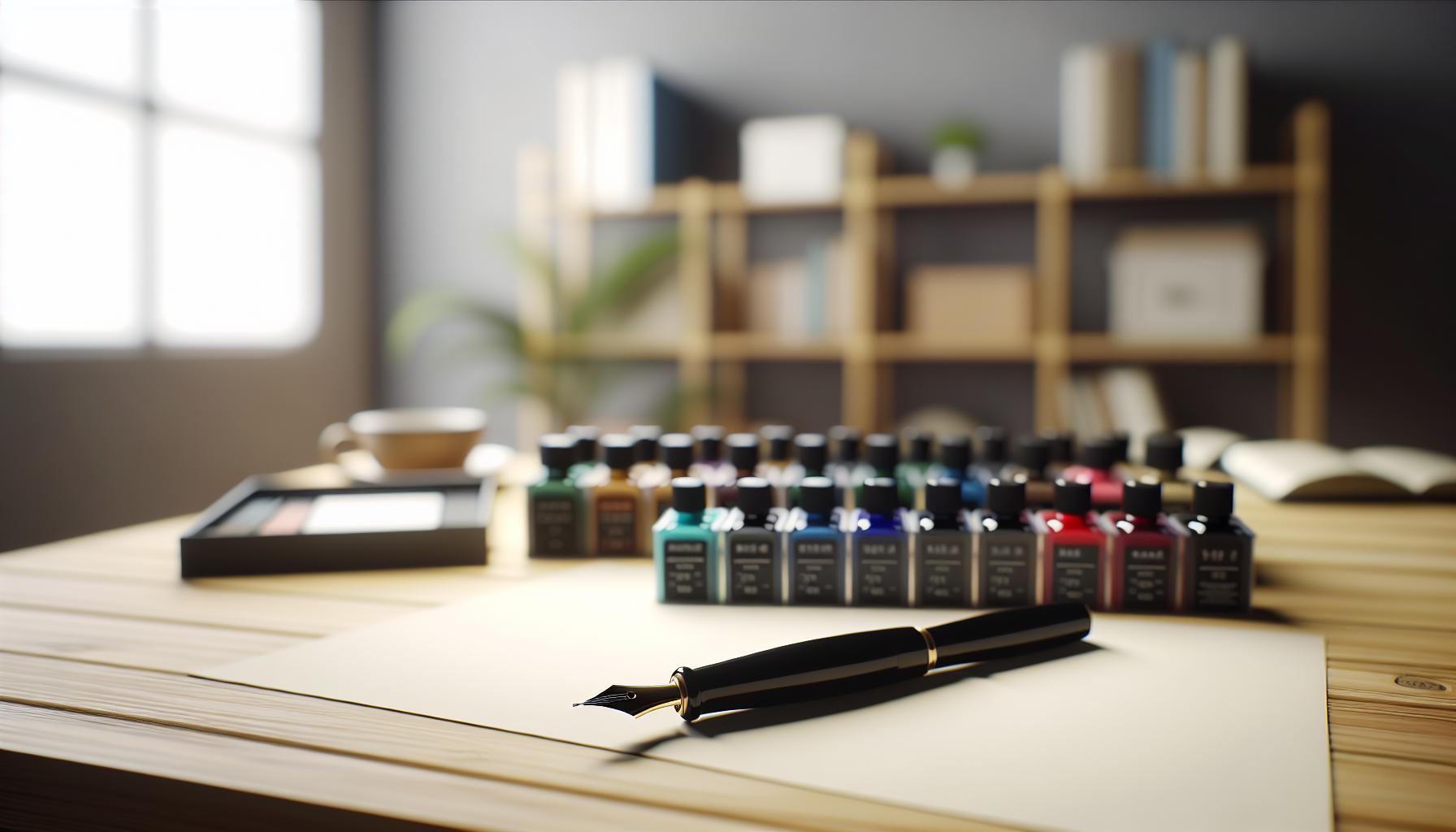
can significantly enhance your writing experience. Not all inks fulfill the artistic and technical demands of calligraphy; the right choice can make a world of difference in achieving fluid lines and vibrant colors. First and foremost, consider the ink type: dye-based inks offer bright colors and smooth flow, while pigment-based inks provide durability and fade resistance. If you’re a beginner, starting with a dye-based ink can help you master the basics of calligraphy without worrying about clogging.
In addition to ink type, you’ll want to pay attention to the viscosity and surface tension of the ink. Thicker inks might cause flow issues in finer nibs, while overly thin inks can bleed through paper. Look for brands that specialize in calligraphy or fountain pen inks, as they often provide formulations specifically designed for these creative endeavors. Brands like Sakura, Pelikan, and J. Herbin have great reputations for producing high-quality inks that perform well in calligraphy pens.
Finally, always check for compatibility with your specific calligraphy pen. Some pens are designed to work with proprietary cartridges, while others may use standard ink cartridges or converters. Before making a purchase, verify that the cartridge fits your pen model to avoid any frustrating mishaps during your creative process. Whether you’re aiming for a rich, dark black or a vibrant hue for special projects, investing time in selecting the right ink can elevate your calligraphy to new artistic heights.
Essential Tools to Have Before You Start
Before embarking on your calligraphy journey, having the right tools is crucial for success. Imagine diving into a beautiful project only to realize you’re missing the essentials. Preparation can elevate your work and creativity significantly. Here’s what you need to set the stage for an enjoyable and smooth writing experience.
- Calligraphy Pen: Choose a quality pen that suits your style. Consider whether you prefer a dip pen, fountain pen, or a cartridge-based pen. Each has its unique flair and feel, so it’s worth trying a few to see what connects with you.
- Ink Cartridges: Stock up on compatible ink cartridges. Look for reputable brands that offer a range of colors and formulations. If you’re using a fountain pen, ensure the cartridges match your pen’s specifications.
- Paper: Not just any paper will do. High-quality, smooth paper will prevent bleeding and feathering and will enhance the beauty of your calligraphy. Papers designed specifically for fountain pens or calligraphy will provide the best results.
- Nib and Holder: If you opt for a dip pen, select a variety of nibs to experiment with different line widths and styles. A comfortable holder can make all the difference in your writing experience.
- Ruler and Pencil: Use these to outline guidelines for your writing. This helps maintain straight lines and consistent lettering, especially important for beginners still mastering their technique.
- Cleaning Supplies: Keep some cleaning supplies handy, such as a soft cloth and warm water. Regular maintenance will prolong the life of your pen and keep your nibs in optimal condition.
Having these tools at your disposal not only prepares you for the technical aspects of calligraphy but also opens up a world of creative possibilities. You’ll feel more confident tackling complex designs and styles when you’re properly equipped. So gather your supplies, and get ready to transform your ideas into elegant, flowing letters!
Step-by-Step Guide to Loading Ink Cartridges
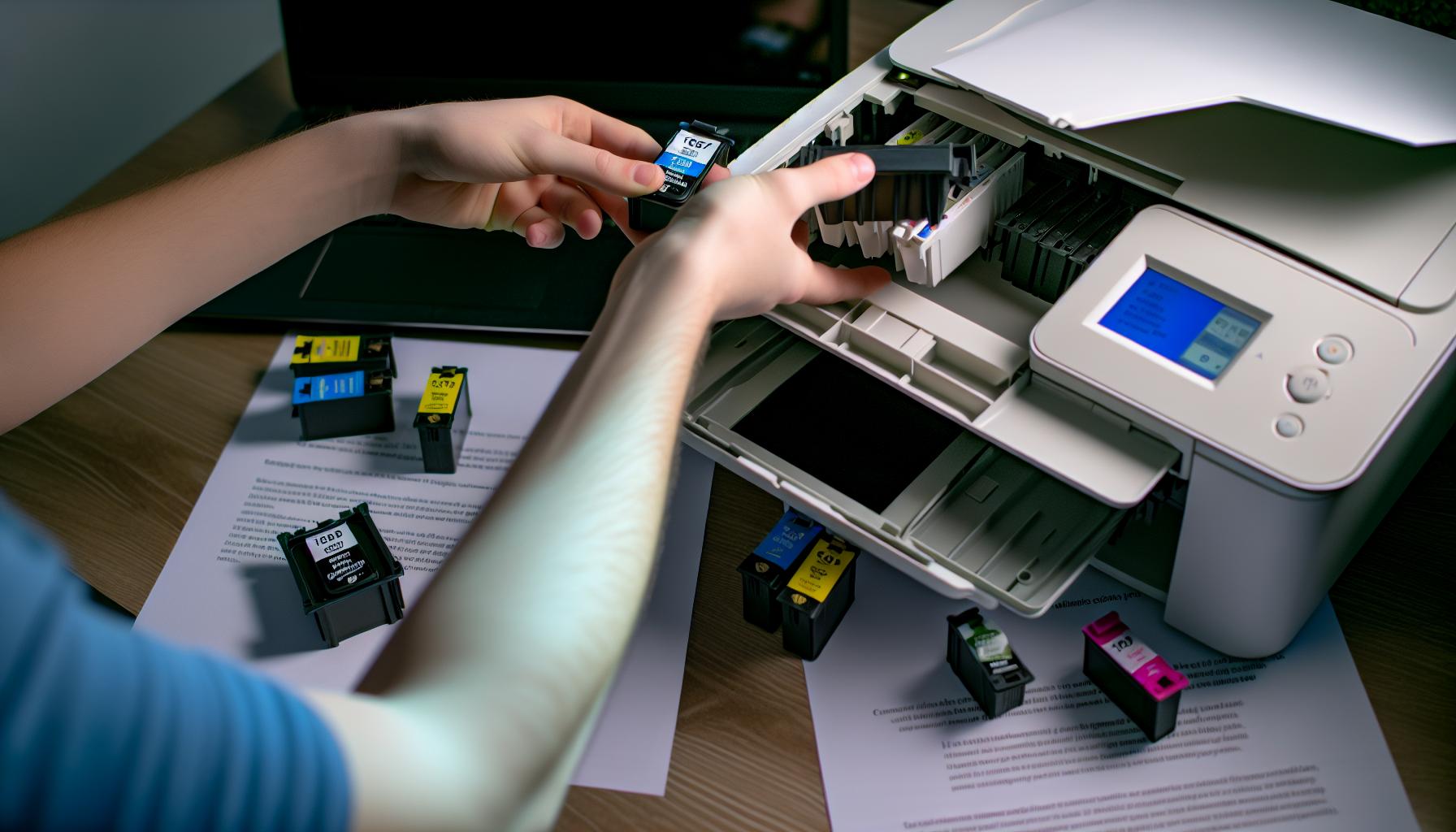
Loading ink cartridges into your calligraphy pen should be a seamless process, but it can sometimes feel daunting if you’re new to the craft. A few simple steps can make all the difference in ensuring your pen is ready for beautiful writing. Here’s a straightforward guide to help you set up your pen with ease.
First, gather your materials: the ink cartridge appropriate for your pen model and your calligraphy pen itself. Start by carefully removing the barrel of your pen if it’s attached. Depending on your pen’s design, you might just need to twist or pull it apart. Once the barrel is off, locate the ink chamber and any existing cartridge; if an old cartridge is present, gently pull it straight out. Be cautious during this step, as some ink may leak, so have a towel or cloth ready to catch any spills.
Next, take your new ink cartridge and hold it upright. Insert the cartridge into the chamber, ensuring it fits snugly and is aligned with any guides or grooves. You may feel a slight resistance, which is normal as the cartridge is secured in place. If your pen has a push-type mechanism, press firmly until you hear a click indicating it’s locked in. Now that the cartridge is seated properly, reattach the barrel of your pen.
To get the ink flowing, you might need to activate the cartridge. This could involve gently squeezing it or tapping the nib on a piece of scrap paper to encourage ink to flow down to the nib. Let it sit for a moment to allow the ink to saturate the nib fully. Once you see the ink, you’re ready to begin your calligraphy journey.
Taking care to follow these steps not only streamlines the loading process but also enhances your overall experience with your calligraphy pen. Enjoy the art of writing and the joy of seeing your letters come to life with each stroke!
Common Mistakes to Avoid When Filling Your Pen
Filling your calligraphy pen with ink cartridges should feel like an exciting step into the world of exquisite writing, yet many beginners trip over a few common pitfalls. One major mistake is assuming that all ink cartridges fit all pens. Each pen has specific cartridge sizes and types, so always double-check compatibility before diving in. Picking the wrong cartridge can lead to frustrating leaks or a pen that simply won’t work.
When it comes to inserting the cartridge, paying attention is key. A prevalent error is not pushing the cartridge in firmly enough, which can prevent proper engagement with the ink chamber. You might think you’ve done it right, but even a tiny gap can cause air pockets and lead to a dry nib. If your pen requires you to hear a click when the cartridge locks in place, don’t skip that!
Also, activating the ink cartridge can be a challenge. A common blunder is over-squeezing the cartridge in an attempt to get the ink flowing, which can lead to messy leaks. Instead, gently tap the nib on a piece of scrap paper or hold the pen upside down for a bit. This lets gravity help the ink move to where it’s needed without the flood of ink you might get from excessive pressure.
Lastly, don’t overlook cleaning the pen regularly. Ink remnants can clog the nib, making it difficult for your pen to flow nicely when filled. Make cleaning part of your routine; a quick rinse after each session can save you from future headaches. Embracing these simple tips will enhance your experience and keep your writing smooth and enjoyable every time.
Tips for Maintaining Your Calligraphy Pen
To keep your calligraphy pen performing at its best, adopting a solid maintenance routine is essential. Many beginners overlook this aspect, but regular care can extend the life of your pen and ensure your writing experience remains enjoyable. A well-maintained pen not only enhances the flow of ink but also allows your creativity to flourish without interruption.
Start by cleaning your pen after each use, particularly if you’ve been using colored or permanent inks. Residue can build up and clog the nib, which leads to inconsistent ink flow. To clean it, gently disassemble the pen (if applicable) and rinse the nib under warm water. For more thorough cleaning, soak the nib in warm water for about 15 minutes. Avoid using harsh chemicals; they can damage the pen’s components. If you notice any stubborn ink stains, a small amount of ammonia-free soap can help without harming the finish.
Another key point is to store your pen properly. Keep it lying flat or with the nib pointing up, as this prevents ink from settling and clogging the feed. Many calligraphy pens come with protective caps, so always use them when the pen is not in use. Additionally, avoid exposing your ink cartridges to extreme temperatures; both heat and cold can affect ink viscosity, which may lead to poor performance.
Finally, regularly check your ink supply. It’s easy to forget about the ink level, especially in the heat of a creative session. Running out of ink mid-project can be frustrating! Make a habit of keeping extra cartridges on hand or learn how to refill your cartridges if applicable. By prioritizing these maintenance tips, you can enjoy a smooth writing experience and keep your passion for calligraphy alive.
Troubleshooting Ink Flow Issues in Calligraphy Pens
Ink flow issues can be one of the most frustrating experiences for anyone using a calligraphy pen. If you find your pen skipping, sputtering, or completely dry, it’s not just a minor inconvenience-it can derail your entire creative process. Knowing how to troubleshoot these problems can transform your writing experience and keep your artistic flow uninterrupted.
First things first, check the ink cartridge. Make sure it’s properly seated in the pen; sometimes, a cartridge that’s not fully engaged can cause flow issues. Remove the cartridge and reinsert it firmly. If you’ve recently replaced the cartridge, ensure that it’s the right type for your pen. Some pens are specific about compatible cartridges. If the ink is low or empty, simply replace it. A common beginner mistake is to not realize how quickly ink can run out, especially during lengthy projects.
Next, examine the nib and the feed. If there’s any dried ink residue or if the nib appears clogged, it can significantly impact ink flow. To remedy this, carefully clean the nib under warm running water, ensuring all debris is removed. For a more thorough clean, soak the nib in water for about 15 minutes. This can loosen any stubborn ink that’s affecting performance. Remember, avoiding harsh chemicals is crucial-gentle methods are your best friend here.
Finally, consider the ink viscosity. Not all inks behave the same, and if you’re working with a heavily pigmented ink or one that’s particularly thick, it might not flow properly. Switching to a different ink brand or formulation can often resolve these issues. Additionally, the temperature of your workspace can affect how ink flows; keep an eye on your environment and persevere through those chilly winter months with warm hands and a warm workspace.
By adopting these troubleshooting steps, you can ensure a smooth writing experience. Don’t let ink flow issues stand in the way of your creativity-detect, address, and continue to push your calligraphic limits!
How to Clean Your Calligraphy Pen After Use
Cleaning your calligraphy pen after each use is crucial for maintaining its performance and extending its lifespan. Many people underestimate this step, thinking a simple wipe down will suffice, but just like any tool, keeping it clean ensures flawless execution on your next project. Imagine this: you finish creating an exquisite piece, only to find your pen is clogged or the ink has dried, ruining your momentum. Let’s avoid that scenario.
Start by removing the ink cartridge carefully. If you’re using a disposable cartridge, make sure to dispose of it properly. For converters, you’ll want to empty out any leftover ink. Rinsing your nib under warm, running water is a great first step; this helps dislodge any dried ink particles. Use a soft cloth to gently wipe the nib and feed, ensuring no remnants remain. If your pen allows it, you can sometimes take the nib section apart for a more thorough cleaning-just be sure to consult your pen’s manual if you’re unsure how to do this.
Deep Cleaning
If your pen needs a deeper clean, soak the nib in a cup of water for about 15 minutes. This softens any lingering ink that may be causing blockages. After soaking, rinse it under running water again. Avoid using harsh soaps or chemicals; a gentle rinse is usually all it takes. For stubborn ink stains, consider a mixture of water and a few drops of gentle dish soap, but make sure to rinse thoroughly afterward.
Next, dry the nib and feed completely using a lint-free cloth. It’s crucial to ensure that moisture doesn’t linger, as this can lead to mold or corrosion over time. After everything is dry, reassemble your pen, and if it’s not going to be used for a while, store it upright to prevent ink from settling in the nib.
Cleaning your calligraphy pen may seem like a small task, but it’s incredibly important. Regular maintenance not only keeps your pen in top condition but also elevates your calligraphy experience. You’ll find that each stroke flows smoother, and your creativity will shine without interruptions caused by ink issues. So, make cleaning a part of your routine, and your calligraphy will thank you for it!
Exploring Alternative Ink Options for Calligraphy
Choosing the right ink for your calligraphy pen isn’t just about color; it’s about enhancing your entire writing experience. Many calligraphers overlook the vast array of alternative ink options available, which can drastically change the look and feel of your work. Whether you’re after vibrant colors, unique textures, or specialty properties like shimmer and metallic finishes, exploring these options can elevate your calligraphy projects to new heights.
You might want to consider handmade inks or natural inks made from plant materials. These often provide rich, organic colors and can yield stunning results on fine paper. They can be a bit thicker than standard inks, so be sure to test their flow in your pen before committing to them for a big project. Another option is using pigmented inks, which offer superior lightfastness, making your work last longer. These inks are especially beneficial if you’re working on pieces meant for display.
Inks designed specifically for calligraphy also come in a variety of unique formulations. For example, iron gall ink, a historical choice, provides a deep, rich black that ages beautifully over time. Also consider fountain pen inks, available in an array of colors and properties, which can be used in converters. Some even have shading qualities that add depth to your strokes. Just keep in mind that not all inks are compatible with every nib, so experimentation is key.
Tips for Selecting Alternative Inks:
- Test Before You Use: Always do a test run on scrap paper to see how the ink flows and its final appearance.
- Watch for Clogging: Some thicker inks might require more frequent cleaning of your nib to prevent clogging.
- Combine Inks: Mixing inks can create custom shades, but make sure to blend on a palette instead of in the cartridge to avoid issues.
These alternatives aren’t just functional-they’re a way to express your artistic vision. Trying out new inks can open up a world of creativity, allowing you to explore different effects and styles that resonate with your unique approach to calligraphy. So, don’t hesitate; dive into the vibrant world of alternative inks, and watch your calligraphy transform!
Enhancing Your Calligraphy Experience with Proper Inking Techniques
Getting the ink flow just right can make or break your calligraphy experience. When you fill your pen with ink cartridges, the technique you use can significantly influence your writing quality. Proper inking techniques can ensure smooth lines, consistent ink flow, and a pleasurable writing experience. Here’s how to enhance your calligraphy with a few simple adjustments and techniques.
First, always consider the angle at which you’re holding your calligraphy pen. A consistent angle helps the nib glide smoothly across the page. Most calligraphers recommend maintaining a 45-degree angle. This position allows the nib to flex properly and delivers optimal ink flow. If you notice your pen skipping, it might be due to an incorrect angle, so adjust accordingly and practice to find what feels comfortable and effective for you.
Next, the running out of ink mid-stroke can be incredibly frustrating. To prevent this, continually monitor your ink supply and learn to gauge when your pen is getting low. Even with cartridges, some can run out faster than others. A quick tip is to keep an extra cartridge handy during longer writing sessions, so you don’t lose your momentum. Additionally, if your pen allows for it, consider using a converter with bottled ink for a more consistent flow and the option to choose from a wider variety of inks.
Cleaning your nib and pen body regularly is crucial for maintaining optimal performance. Even a small amount of dried ink can disrupt flow, causing skips and blotches. Use a soft cloth or a microfiber cloth to wipe down the nib after each session. Depending on the ink used, a simple wash with warm water may suffice, but make sure to dry it thoroughly to prevent rust and corrosion.
Lastly, don’t shy away from experimenting with different inking speeds and stroke pressures. Each nib has its unique characteristics and responds differently to how you write. Slow, steady strokes can help you understand how pressure affects line thickness and ink flow. Conversely, trying faster strokes can teach you how to achieve a more dynamic appearance. Keep a practice notebook to explore these variations and find what works best for your style and the effects you want to achieve.
By mastering these techniques, you’ll not only improve the functionality of your pen but enhance the artistry of your calligraphy. Happy writing!
Creative Calligraphy Projects to Try After Inking
Once you’ve filled your calligraphy pen and honed your inking skills, it’s time to put that ink to good use with some creative projects! Calligraphy isn’t just about perfecting letters; it’s an art form that opens up a world of creative possibilities. Here are some engaging projects that will let you showcase your newfound skills and inspire others along the way.
Personalized Cards and Invitations
One of the most rewarding projects is creating personalized cards or invitations. Whether it’s for birthdays, weddings, or thank-you notes, custom designs add a personal touch. Use your calligraphy skills to craft elegant headers or heartfelt messages. Experiment with different paper textures and colors to elevate your design. Don’t forget to add embellishments like watercolor backgrounds or gold accents for an extra wow factor.
Artistic Quotes and Sayings
Creating framed art pieces featuring your favorite quotes can be a simple yet powerful project. Choose a quote that resonates with you or reflects your personality. Play with different lettering styles, sizes, and layouts to create visual interest. You can even incorporate illustrations or border designs that complement your calligraphy. These pieces can add character to any room and make thoughtful gifts for friends and family.
Customized Gift Wrap and Tags
Elevate your gift-giving game by making your own wrapping paper and gift tags. Use large sheets of plain paper and practice your calligraphy by writing cheerful phrases, doodles, or the recipient’s name. For gift tags, experiment with different shapes and embellishments. Not only does this add a personal touch, but it also showcases your creative flair!
Calligraphy Journals and Practice Sheets
Consider creating custom journals or practice sheets. Design covers with your calligraphy and fill the pages with inspiring prompts or gorgeous lettering exercises. This not only serves as a personal project but can also be a great gift for fellow calligraphers or a fun way to motivate yourself to keep practicing.
These projects not only reinforce your skills but also allow you to express your creativity and share that with others. Dive in, make mistakes, and most importantly, have fun! Your calligraphy journey is what you make of it, so let your imagination run wild.
FAQ
Q: What type of ink cartridges are compatible with my calligraphy pen?
A: Most calligraphy pens are designed to use specific types of ink cartridges. Check the manufacturer’s guidelines for your pen model to find compatible cartridges. Popular brands often include companies like Pilot, Caran d’Ache, and Schaeffer. Always opt for high-quality cartridges to enhance your writing experience.
Q: How do I know when to refill my calligraphy pen’s ink?
A: It’s time to refill your calligraphy pen when you notice a significant drop in ink flow or if the ink color appears faded. Regular checks-especially after long writing sessions-can help you avoid interruptions. Maintaining your pen and ink levels ensures a smoother writing experience.
Q: Can I use bottled ink with ink cartridges?
A: Yes, but you’ll need a converter that fits your pen. This allows you to fill your pen directly from a bottle of ink instead of using cartridges. Many calligraphy enthusiasts prefer bottled ink for a wider variety of colors and types, making it a popular option for custom projects.
Q: What should I do if my ink cartridge is clogged?
A: If your ink cartridge is clogged, try gently squeezing the cartridge to release ink. Alternatively, remove the cartridge and soak the nib in warm water for a few minutes to help dissolve any dried ink. Make sure to clean the nib thoroughly after soaking before reattaching it.
Q: How do I store my calligraphy pens with ink cartridges?
A: Store your calligraphy pens horizontally when they are filled with ink. This prevents the ink from pooling in one area and ensures consistent ink flow. If storing for a long time, consider emptying the cartridges to avoid drying out the ink or damaging the nib.
Q: Why do some calligraphy pens use converters instead of cartridges?
A: Converters allow calligraphy enthusiasts to use bottled ink, providing access to a broader color spectrum and types of ink. This flexibility is beneficial for artists wanting to experiment with different inks, giving more creative options than standard cartridges typically provide.
Q: What maintenance is needed for a calligraphy pen after using ink cartridges?
A: After using ink cartridges, it’s essential to clean your calligraphy pen. Flush the nib and feed with warm water to remove any residual ink. This prevents clogs and ensures smooth writing for your next use. Proper maintenance extends the life of your pen and maintains ink quality.
Q: Is it safe to mix different ink brands in my calligraphy pen?
A: Generally, it’s not recommended to mix different ink brands in your calligraphy pen. Various inks have different formulations, which can lead to clogs or damage. If you want to switch inks, always clean your pen thoroughly before using a different brand or type.
The Way Forward
Now that you know how to fill a calligraphy pen with ink cartridges, you’re ready to unleash your creativity! Don’t let the fear of messy refills hold you back from the beautiful art of calligraphy. Remember, practice makes perfect. If you found this guide helpful, check out our articles on “Choosing the Right Ink for Your Calligraphy Pen” and “Top 5 Calligraphy Techniques for Beginners” to deepen your skills and enhance your writing style.
We’d love to hear about your experiences! Share your thoughts in the comments below, or connect with us on social media. And don’t forget to subscribe to our newsletter for more tips and exclusive content straight to your inbox. Keep writing, keep creating, and let’s bring your artistic vision to life!