

If you’ve ever admired beautifully crafted letters and wondered how to achieve that elegance yourself, you’re in the right place. Drawing with a calligraphy pen isn’t just an art; it’s a way to express yourself creatively and add a personal touch to any project. Whether you’re looking to enhance your invitations, create stunning art pieces, or simply want to explore a new hobby, mastering the calligraphy pen opens up a world of possibilities.
Many struggle with finding the right techniques, often feeling intimidated by the tools or uncertain about where to start. Don’t worry-this guide will demystify the process and provide you with practical tips to elevate your skills. You’ll discover how to harness the unique characteristics of your calligraphy pen to create striking illustrations that will impress anyone. So, grab your pen, and let’s dive into the enchanting world of calligraphy!
Understanding the Basics of Calligraphy Pens
When diving into the art of calligraphy, understanding the various types of calligraphy pens is essential. Each pen offers a unique way to express your creativity, whether you’re a beginner or looking to refine your skills. Calligraphy pens come in several forms, including fountain pens, dip pens, and brush pens, each suited for different techniques and styles. This is where your personal preferences begin to shape your journey.
Fountain pens, especially those designed specifically for calligraphy, often feature interchangeable nibs that allow for a range of line thicknesses. For example, the Kaweco Sport fountain pen set includes multiple nibs, enabling artists to explore various styles from fine script to more dramatic lettering [2]. On the other hand, dip pens are favored for their versatility and ability to produce richer ink saturation and texture. They require a bit more preparation as you’ll need to dip the nib into ink, which can add a tactile element to your writing ritual.
Brush pens blend the best of both worlds by offering the flexibility of traditional brushstroke techniques with the convenience of a pen. Ideal for those who enjoy vibrant colors and smooth flow, brush pens allow artists to play with pressure and angle, creating dynamic variations in line thickness. Whether opting for classic black ink or vibrant colors, choosing the right pen is crucial for achieving your desired aesthetic.
As you experiment with different pens, pay attention to how each one feels in your hand. Personal comfort can significantly influence your control and precision, which are vital in calligraphy. Take your time to try out various styles and see which pen resonates with your artistic intent. Just like finding the perfect paintbrush or pencil, searching for your ideal calligraphy pen can open up new channels of creativity.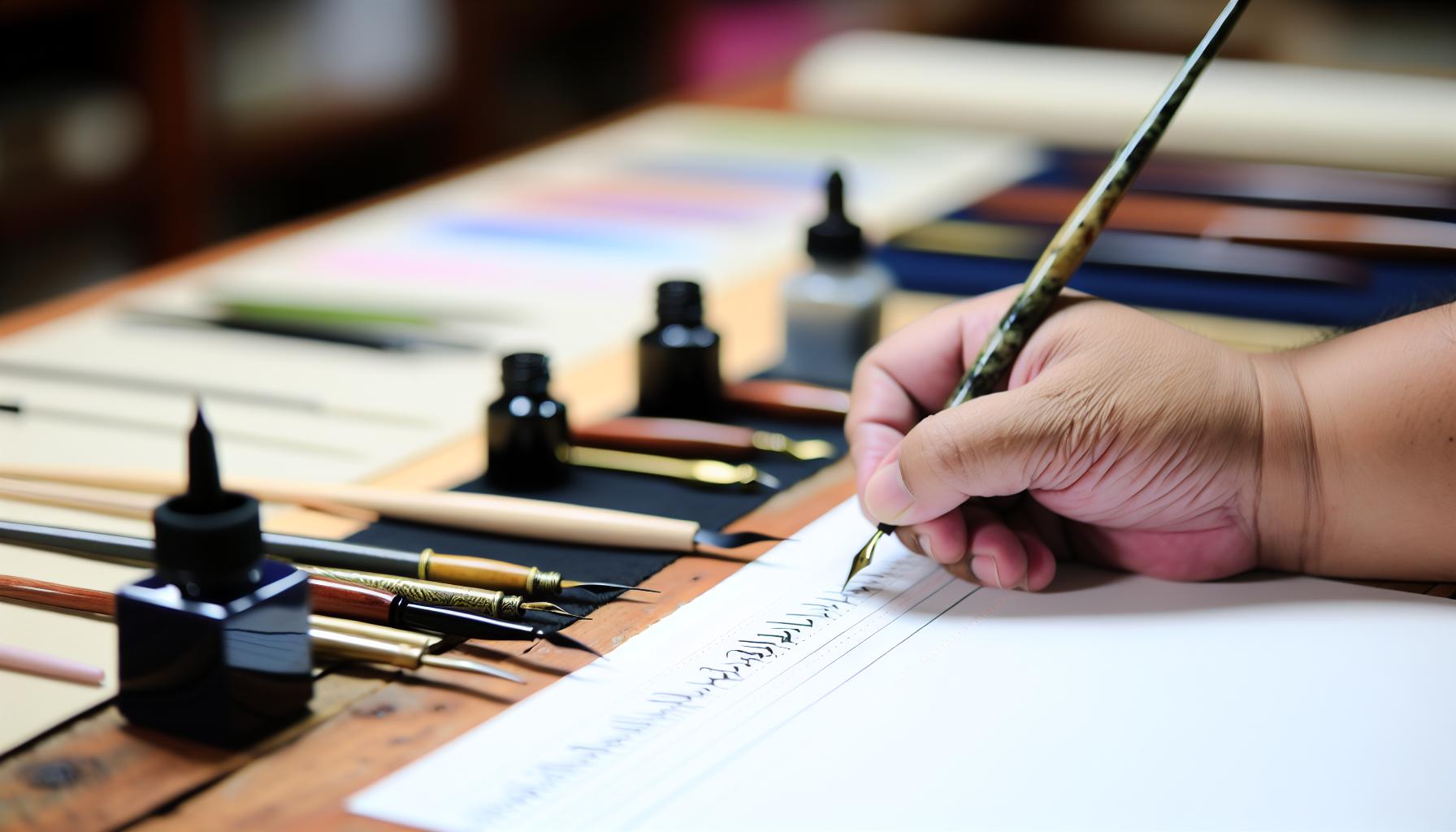
Choosing the Right Calligraphy Pen for Your Style
Choosing the right calligraphy pen can make all the difference in your creative journey. With so many options available, it’s essential to understand how each type of pen aligns with your personal style and needs. Whether you’re just starting or you’ve been practicing for a while, the right pen can enhance your writing experience and improve your results.
Firstly, consider the types of calligraphy pens. Fountain pens are an excellent choice for those who appreciate the smooth flow of ink. A fountain pen like the Kaweco Sport allows you to change nib sizes, giving you flexibility in line thickness for different styles and techniques. If you enjoy rich, saturated colors and varied textures, dip pens might be your best friend. They require a bit of practice since you’ll need to dip them in ink, but they offer a traditional and tactile experience that’s hard to beat.
Alternatively, if you’re drawn to the vibrancy and spontaneity of brushed strokes, brush pens combine the advantages of both drawing and writing tools. They allow for dynamic variations in thickness depending on how hard you press, making them perfect for modern styles like brush lettering. Experimenting with these pens will reveal which feels most comfortable in your hand and best suits your artistic intent.
Lastly, don’t underestimate the power of personal comfort. Pick up a few pens and see how they feel. The right grip and weight can significantly affect your control and precision. As you explore different pens, trust your instincts-your choice should resonate with your creative voice. Testing out various options can unlock new techniques and styles, so give yourself the freedom to play and discover.
Essential Techniques for Beginners to Start Drawing
To dive into the world of calligraphy drawing, it helps to start with a few solid techniques that will set the foundation for your skills. First off, practice holding your pen correctly. A relaxed grip can make a significant difference in your control. Place your fingers on the barrel of the calligraphy pen, ensuring you can move it fluidly without strain. Try to keep your wrist flexible; locking it will prevent you from achieving smooth, flowing strokes.
Next, focus on mastering basic strokes. Each letter in calligraphy is essentially an assembly of simple strokes. Spend some time just experimenting with upstrokes and downstrokes. An upstroke should be light and thin, while a downstroke should be thicker and more pronounced. Practicing these strokes repeatedly allows your muscle memory to develop, making it easier to form letters and words later on.
Creating Consistent Lettering
Once you feel comfortable with basic strokes, start practicing individual letters. It’s often helpful to break letters down into their component strokes-this makes it easier to visualize how each letter is formed. For example, the letter ‘A’ starts with a diagonal stroke, followed by a downstroke and a crossbar. Don’t rush this step; consistency is key! Using lined paper can help maintain uniformity in height and spacing.
Don’t neglect the importance of spacing and alignment. Proper spacing between letters and words significantly affects the overall appearance of your calligraphy. Take a moment to think about how letters relate to one another. You can even sketch out guidelines lightly with a pencil, then go over them in ink once you’re satisfied with the layout.
As you work through these initial techniques, remember that patience is crucial. Each practice session, no matter how short, adds up to improvement. You’ll find that the more you draw with intention, the more natural it will become, and soon you’ll be ready to tackle more complex designs and styles. Trust in the process, and let your unique voice flourish on the page.
Exploring Different Calligraphy Styles and Their Uses
Understanding various calligraphy styles can elevate your writing from simple penmanship to a beautiful art form. Each style carries its unique history and aesthetic, catering to different purposes and personal preferences. For instance, if you’re looking to create something with elegance and formality, the *Copperplate* style, with its fluid curves and distinctive loops, could be perfect for invitations or certificates. Conversely, for a more modern and playful touch, you might lean towards *brush lettering*, which incorporates vibrant colors and expressive strokes, ideal for social media graphics or personal projects.
When exploring different calligraphy styles, it’s essential to consider their applications:
- Italic: Known for its slanted letters and varied stroke widths, this style is perfect for invitations, greeting cards, and any project where you want to convey formality.
- Gothic: With its dark, bold lines and ornate forms, Gothic calligraphy adds a dramatic flair to manuscripts and artworks, making it a go-to for a medieval or fantasy theme.
- Modern Calligraphy: Emphasizing personal expression, this style allows for creativity and flexibility, suitable for everything from weddings to personalized gifts.
- Brush Script: Utilizing soft, sweeping movements, brush script lends itself well to casual settings like thank-you notes or casual signage.
Practicing these various styles not only improves your overall skill but also allows you to discover which resonates with your artistic voice. Spend time experimenting with each, noting what feels natural and enjoyable. You might find joy in the crisp precision of Copperplate while enjoying the freeform nature of Modern calligraphy, leading to a unique blend that reflects your personality.
### Finding Your Niche
As you dive deeper, consider how these styles can fit into your projects. For example, if you’re planning a wedding, mastering Italic can help create elegant place cards and signage. If you’re an artist looking to combine calligraphy with illustration, brush lettering could be the perfect fit for your branding or merchandise. The key is to play around with the styles, infusing your creativity and passion, turning what begins as practice into polished pieces that tell your story.
Creative Illustration Tips to Enhance Your Calligraphy
To elevate your calligraphy, consider integrating creative illustrations that complement and enhance your handwritten elements. Combining imagery with your text can transform a simple piece into a stunning work of art, making your projects more engaging and memorable. Here are some strategies to help you blend calligraphy with illustrative techniques effectively.
One effective approach is to use simple floral motifs or geometric shapes around your calligraphy. These elements can add an elegant touch and frame your text beautifully. For example, try adding small flourishes-like vine accents or stars-that echo the style of your lettering. Keeping the illustrations subtle ensures they enhance rather than overshadow your calligraphy. Consider using a light touch with your pen to create these accents, ensuring they’re delicate yet effective.
Another method is to play with color. If you’re using colored ink for your calligraphy, coordinate it with your illustrations. For instance, if you write in deep blue, consider creating accompanying illustrations in lighter or more vibrant shades of blue or even a contrasting color scheme that still complements the overall look. Watercolor effects can be particularly striking here; splash a bit of color around your lettering for an organic, artistic feel that captures attention without being overwhelming.
When it comes to layout, don’t hesitate to experiment with composition. Place your calligraphy on a diagonal or let it flow around your illustrations instead of sticking to a straight line. This dynamic arrangement can add visual interest and encourage viewers to follow the flow of your piece. Experimenting with different placements and sizes of both text and illustrations will help you find a balance that feels right for your unique style.
Lastly, be mindful of negative space-it can be just as powerful as the artwork itself. Leaving areas blank can create breathing room and highlight both your calligraphy and your illustrations. This can be especially effective in larger pieces or when you want to draw attention to a specific word or phrase.
By experimenting with these creative illustration techniques, you’ll not only enhance your calligraphy but also develop your artistic voice. Don’t be afraid to step outside the lines-each unique blend of text and image you create is a reflection of your individual style.
Combining Calligraphy with Other Art Forms
Blending calligraphy with other art forms can transform your work into a multidimensional masterpiece. The beauty of calligraphy lies not just in the letters you form, but in how you can integrate various artistic elements to create something unique and personal. Think of how watercolor backgrounds can enhance the flow of your lettering or how illustration can emphasize the message you’re conveying. When you combine these different forms, you not only elevate your calligraphy but also expand your creative expression.
One exciting way to merge calligraphy and illustration is through storytelling. Create a narrative piece where your letters dance around illustrations that depict scenes or emotions. For instance, if you’re writing a love letter, consider incorporating delicate floral drawings that weave around the text, enhancing the romantic tone. You don’t need to be a master artist; even simple sketches can add incredible value. Use your calligraphy to guide viewers through the illustrations, making them feel like part of the story.
Another approach is to experiment with mixed media. Use textured papers, inks, or even digital tools to create layers in your artwork. Combining traditional calligraphy with modern techniques can lead to unexpected and beautiful results. For example, start with hand-lettered quotes on textured paper and then scan them to overlay digital illustrations. This interplay between tactile and digital can open up new avenues for your creativity and make your pieces stand out.
Finally, don’t shy away from using patterns and designs as the backdrop for your lettering. Whether it’s a geometric pattern or a splash of colors, a compelling background can highlight your calligraphy rather than compete with it. Consider using bold colors that either contrast with or complement your lettering, creating a visual balance that draws the viewer’s eye.
By merging calligraphy with other art forms, you stretch your creative boundaries and discover new dimensions in your artistic practice. This holistic approach not only makes your calligraphy more engaging but also allows your unique style to shine through. So grab your pen, pick up some different art supplies, and start exploring the endless possibilities!
Common Mistakes to Avoid When Drawing with Calligraphy Pens
When diving into the art of calligraphy, it’s easy to make some common blunders that can hinder your progress. Knowing what to avoid is just as crucial as honing your skills. A frequent misstep is using too much pressure on the pen. Calligraphy pens, especially ones with flexible nibs, are designed to respond to varying pressure. If you press too hard, you risk damaging the nib and ruining the fluidity of your strokes. Instead, practice applying light pressure, allowing the nib to create beautiful thick and thin lines effortlessly.
Another mistake is neglecting to practice consistent spacing and sizing of your letters. In calligraphy, uniformity is key to achieving a polished look. Skipping the basics of guidelines can lead to disproportionate letters that clash visually. Consider using a template or drawing faint guidelines on your paper to maintain even spacing and alignment. This foundational practice will pay off significantly as you progress, giving your work a clean and professional appearance.
Additionally, many enthusiasts rush the drying time between layers or colors. If you’re layering ink or adding illustrations, patience is vital. Smudging can occur when you don’t allow each layer to dry fully. Taking a moment to ensure everything is dry before you proceed to the next step will save you from potential frustration and wasted materials.
Lastly, don’t overlook the importance of choosing the right materials. Using cheap paper might seem like a good way to save money, but it often leads to bleed-through and fraying edges. Invest in quality calligraphy paper designed for the medium you’re using. This simple choice can dramatically enhance the overall appearance of your final artwork, making your calligraphy shine. Remember, in this art form, every detail counts, and avoiding these mistakes will elevate your practice.
Inspiration: Famous Calligraphy Artists to Follow
You might feel stuck or uninspired in your calligraphy journey, but looking to the masters can reignite your passion and creativity. There are remarkable calligraphers out there who have shown us the diverse ways to wield a calligraphy pen, and their work can serve as a powerful source of motivation and learning.
One artist that stands out is Jessica Hische, known for her vibrant and whimsical lettering styles. Her blend of traditional calligraphy and modern design has made her a favorite among creatives. Hische’s projects, from book covers to elaborate invitations, illustrate how calligraphy can transcend mere writing and become a dynamic form of art. Follow her on social media to witness her daily endeavors and gather fresh ideas for your own work.
Another influential figure is Becca Stadtlander, who combines calligraphy with stunning illustrations. Her beautiful compositions not only showcase her calligraphy skills but also display how integrating various art forms can enhance your projects. Stadtlander’s work emphasizes the importance of creativity in calligraphy, encouraging you to experiment with different styles and techniques.
If you’re interested in more traditional approaches, consider investigating the works of Brody Neuenschwander. His unique execution of contemporary script within various settings, including film and stage design, showcases the versatility of calligraphy. Neuenschwander’s philosophy on blending traditional skills with modern concepts can guide you in developing your own artistic voice.
By following these artists and studying their work, you can gain insights into techniques, styles, and the creative process. Each brings a distinct perspective to the art of calligraphy, encouraging you to push boundaries and explore new ways of expression. Don’t hesitate to draw inspiration from their journeys-your next masterpiece could be just one stroke away.
Step-by-Step Projects for Practicing Calligraphy Drawing
Starting your journey with calligraphy can feel overwhelming at first, but taking on step-by-step projects makes it both manageable and enjoyable. Practicing through specific projects helps you improve your skills while allowing you to see tangible results. Each project can be broken down into smaller tasks, making it easier to progress and build your confidence.
One straightforward project to try is creating a personalized greeting card. Start by selecting a short quote or a simple message. Use your calligraphy pen to write it out on high-quality cardstock. Focus on the layout, adjusting the size and spacing of your letters. As a next step, consider embellishing the card with decorative flourishes or illustrations around the text. This not only enhances the aesthetic but also provides practice in integration of illustrations with words.
Another engaging idea is to create a calligraphic poster. Choose a theme, like a favorite song lyric or inspirational phrase. Write out your text in different styles of calligraphy, experimenting with slants and sizes for visual interest. To make it a bit more advanced, incorporate colors that complement your design. Once complete, you can frame your piece, making it a unique decoration for your space or a thoughtful gift.
For those looking to combine calligraphy with digital art, practice creating social media posts. Use design software to mock up a post featuring your calligraphy. This project combines traditional skills with modern tools, offering a new platform for your creativity. Play with backgrounds, fonts, and layouts until you find a combination that shines.
Each project gives you the chance to hone your abilities while keeping the process fun and engaging. Don’t forget, it’s all about exploration and growth. Allow yourself the freedom to make mistakes; they can lead to the most striking discoveries in your calligraphy journey!
How to Care for Your Calligraphy Pens and Tools
To truly enjoy the art of calligraphy, caring for your pens and tools is essential. A well-maintained pen can make all the difference in your writing experience, enhancing both your creativity and the final outcome of your work. Did you know that regular maintenance can extend the life of your favorite pens? Here’s how to keep them in prime condition.
First, always clean your pens after each use, especially if you’ve used thick inks or acrylics. The process is straightforward: rinse the nib under cool water until the water runs clear. For stubborn inks, soak the nib in a mixture of water and a little dish soap for about 10 minutes. Be sure to let it dry completely before storing it away. This simple step prevents clogging and ensures smooth flow when you pick it up next time.
Storage Matters
Where and how you store your tools can make a big difference, too. Keep your calligraphy pens upright in a holder to avoid damaging the nib. For dip pens, protect the nib by securing it in a soft pouch or case. If you use bottled ink, always close the lid tightly after use to prevent it from drying out. And remember, extreme temperatures can affect your inks, so store them in a cool, dark place.
Regular Inspection
Lastly, regularly inspect your tools. Look for any fraying nibs or cracks in the pen body that could affect your writing. Replace any damaged parts immediately. Investing in a few high-quality tools means you won’t have to worry about replacements often, plus you’ll enjoy the benefits of superior performance.
Taking these steps not only preserves your tools but also enhances your overall calligraphy experience. You’ll find that a little care goes a long way in helping you create beautiful, flowing letters with ease!
Elevate Your Artwork: Advanced Calligraphy Techniques
To truly elevate your calligraphy art, mastering advanced techniques can make all the difference in transforming your pieces from simple letters into stunning works of art. If you think calligraphy is just about writing fancy letters, think again. It’s a way to express creativity, and incorporating advanced techniques can add depth and character that captivate your audience.
One effective method is layering. Start with your basic strokes, then once dry, add another layer in a contrasting color or a different kind of ink. For example, you can create a dramatic effect by writing in a dark ink and then tracing over it with a metallic or shimmering pen. This simple trick adds dimension and catches the light beautifully, enhancing the overall visual impact of your pieces.
Exploring Flourishes
Flourishes are another hallmark of advanced calligraphy. Adding loops, swirls, and embellishments to your letters can infuse each word with personality and flair. However, balance is key-overdoing it can overwhelm your design. Focus on accentuating certain letters, particularly in the initials of names or headings. Practice these flourishes separately until you feel confident enough to integrate them into your work.
Utilizing Color Theory
Incorporating color theory into your designs can further elevate your artwork. Experiment with color harmonies-complementary colors can create striking contrasts, while analogous colors provide a more soothing appearance. You can also blend colors on your nib for a gradient effect. Applying this technique requires patience, so practice with scrap paper before you commit to your final piece.
Advanced techniques in calligraphy aren’t just about learning new skills; they’re about finding your unique style and voice. Don’t shy away from experimentation-each effort is a step towards honing your craft. Engage with different styles, explore your creativity, and watch your calligraphy evolve into a personalized art form that reflects your passion and individuality.
Share Your Calligraphy Art: Building an Online Presence
Sharing your calligraphy art online can be a game changer for your creative journey. It’s not just about showcasing your work; it’s a way to connect with a community of like-minded artists and potential clients. Start by selecting the right platforms-Instagram and Pinterest are fantastic for visual artists, while TikTok offers short videos that can easily go viral. Each platform has its unique audience, so tailor your content accordingly.
To effectively build your online presence, consistency is key. Develop a posting schedule that keeps your audience engaged without overwhelming them. Share not only finished pieces but also behind-the-scenes content. Document your process, showcase your tools, and highlight your workspace to give followers insight into your artistic journey. Use engaging captions that tell the story behind each piece; people love connecting emotionally with art.
Interacting with your audience is just as important as creating the art itself. Respond to comments, ask for feedback, and even hold Q&A sessions. You can poll your followers on what they’d like to see next. Consider collaborating with other artists or participating in community challenges-these tactics help increase your visibility and attract new followers.
Don’t forget to utilize relevant hashtags and engage with trending topics to expand your reach. For example, if you’re sharing a piece inspired by a season or event, use related tags to draw in viewers interested in that theme. And above all, stay true to your style; authenticity resonates with people, making your calligraphy not just art, but a personal expression worth following.
FAQ
Q: What types of paper are best for calligraphy when drawing?
A: The best paper for calligraphy is smooth, heavyweight paper that prevents bleeding and feathering. Look for cardstock or specifically designed calligraphy paper. It enhances ink flow and allows for clean, crisp lines, essential for beautiful illustrations. For practice, use lower-quality paper, but always switch to high-quality for final pieces.
Q: How can I practice calligraphy drawing without feeling overwhelmed?
A: Start by practicing basic strokes and simple letters. Break down your practice sessions into small, manageable chunks, focusing on one aspect at a time, like curves or angles. Use templates or guides to help maintain consistency. Consistent practice, even for just 10 minutes daily, will build your skills without overwhelming you.
Q: What are some unique ways to incorporate calligraphy into illustrations?
A: You can combine calligraphy with illustrations by adding decorative borders, integrating text into images, or using calligraphy as the focal point of your artwork. Experiment with layering and blending styles; for example, balance bold calligraphy with delicate illustrations for an eye-catching effect.
Q: What common issues arise when drawing with a calligraphy pen?
A: Common issues include ink flow problems, uneven pressure, and improper angle technique. To resolve these, ensure your pen nib is clean, practice maintaining a consistent angle, and experiment with pressure to achieve varied line thickness. Regular cleaning and maintenance are key for smooth operation.
Q: Can I use a calligraphy pen for modern hand lettering styles?
A: Absolutely! Calligraphy pens are ideal for modern hand lettering. Their flexible nibs can create thick and thin lines, making them perfect for stylish lettering. Experiment with different styles to discover how calligraphy enhances your hand lettering projects for a unique aesthetic.
Q: How do I properly clean and maintain my calligraphy pens?
A: To clean calligraphy pens, flush the nib with warm water immediately after use, especially if you used soluble inks. For pigment inks, use a nib cleaner or soak them in water overnight. Regular maintenance will extend the life of your pens and maintain ink quality for sharp results.
Q: What are some tips for finding inspiration in calligraphy art?
A: Start by exploring works from famous calligraphers, joining online forums, and following social media accounts that share art. Attend workshops or local art shows to meet other artists. Keep a journal of ideas and themes that inspire you while practicing regularly to develop your unique style.
Q: How can I enhance my calligraphy skills quickly?
A: Rapid improvement requires focused practice. Set specific goals for each session, track your progress, and seek feedback. Join online courses or communities for support and inspiration. Also, study the work of established calligraphers to learn techniques and styles that resonate with you, enhancing your skills effectively.
Key Takeaways
You’ve done an amazing job learning how to draw with a calligraphy pen! Remember, practice is key-don’t hesitate to revisit your favorite techniques and sketch some creative illustrations. Need more inspiration? Check out our guide on mastering calligraphy techniques and explore our tips for selecting the right calligraphy tools to elevate your skills further.
If you found this video helpful, hit that subscribe button and join our community! Feel free to leave a comment or share your own calligraphy creations with us. We love seeing your progress and learning from your experiences. And don’t forget to check out our latest articles on creative lettering styles and how to troubleshoot common calligraphy issues-they might just answer any questions that pop up next! Keep creating and we’ll see you in the next video!