
Did you know that mastering calligraphy can transform your handwritten notes into stunning pieces of art? In “How to Draw Calligraphy with a Pen: Artistic Lettering Skills,” you’ll discover the essential techniques to elevate your lettering from mundane to magnificent. Whether you want to enhance invitations, personal journals, or gifts, calligraphy adds a personal touch that captivates.
Many beginners feel overwhelmed by the idea of creating beautiful letters, but with the right guidance, it’s easier than you think. This guide is designed to help you navigate the basics and tackle each aspect of calligraphy step by step. As you progress, you’ll not only develop technical skills but also find joy in expressing your creativity. So, if you’re eager to unlock the secrets of elegant writing, dive in and let’s embark on this artistic journey together! Get ready to bring your words to life with confidence and style.
Understanding Calligraphy: The Essentials You Need
Calligraphy is an art form that beautifully marries creativity and precision, allowing you to express emotions and ideas through stylized lettering. At its core, calligraphy is about creating beautiful letters that make your written words stand out. Whether you’re aiming to personalize invitations, create wall art, or simply enjoy the meditative practice of lettering, understanding the essentials of calligraphy is key.
To get started, recognize that calligraphy involves more than just putting pen to paper. It requires familiarity with the foundational elements: the baseline, ascender line, and cap line, which guide the height and spacing of your letters. The pen angle also plays a crucial role; a gentle tilt can make a world of difference in line quality, transforming basic strokes into striking features. Different writing tools produce varied effects, with quills and metal nibs often creating the classic calligraphic look characterized by elegant thick and thin lines.
Moreover, mastering the basic strokes is indispensable for building your skills. Once you’re comfortable with the fundamental styles, you can progress to crafting unique letterforms. Keep in mind that patience and consistency are vital. Set aside regular practice time to develop muscle memory and control, allowing your individual style to emerge naturally over time. Understanding these basics is your first step towards creating stunning calligraphic works that captivate and inspire.
Choosing the Right Calligraphy Pen and Tools
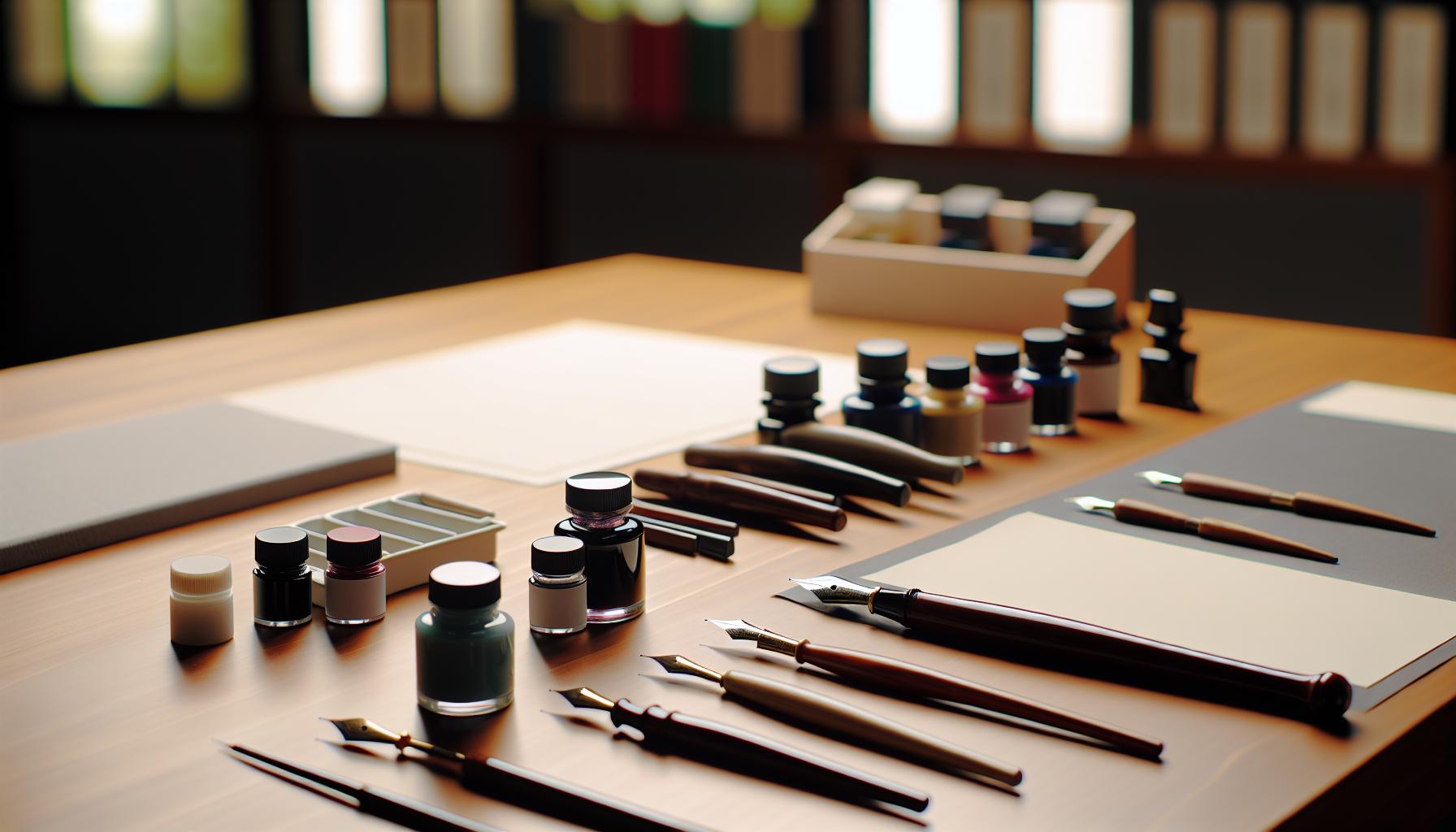
When venturing into calligraphy, choosing the right tools can elevate your practice from ordinary to extraordinary. The pen you wield is not just an instrument; it’s an extension of your creativity. Whether you’re a novice or looking to refine your skills, selecting the right pen and accessories can profoundly impact your work.
Start with the foundation: the pen. For traditional pointed pen calligraphy, a flexible nib pen is essential. These pens allow for a variety of line thicknesses, creating the contrast that characterizes beautiful letterforms. Brands like Nikko G or Brause are highly regarded among calligraphers for their reliability and ease of use. If you’re exploring brush lettering, try a brush pen with a flexible tip-these are user-friendly and perfect for practicing strokes and letterforms without the fuss of ink pots and nibs.
Next, consider your ink. High-quality ink can make a significant difference in your results. Many calligraphers prefer dipping ink for its versatility. Sumi ink and India ink are excellent choices, while fountain pen inks can also work well for certain styles. If you’re pursuing Arabic calligraphy or other specific scripts, you’ll need specialized inks, such as lamp black ink, which provides rich, opaque coverage. Always test inks on your chosen paper before committing to a project to ensure they create the desired effect.
Finally, don’t overlook paper. The surface you write on greatly influences your pen’s performance. Smooth, high-quality paper designed for calligraphy minimizes feathering and bleeding. Brands like Rhodia or Clairefontaine offer excellent options. For practice sheets, look for specifically designed calligraphy practice paper that has guidelines to help you maintain correct proportions and spacing.
In summary, the right calligraphy pen, ink, and paper create a perfect triad that can enhance your lettering experience. Experiment with different combinations to discover what feels best for you, and don’t hesitate to invest in quality tools-they’ll reward you with better results and a more enjoyable practice. Happy lettering!
Mastering Basic Calligraphy Strokes
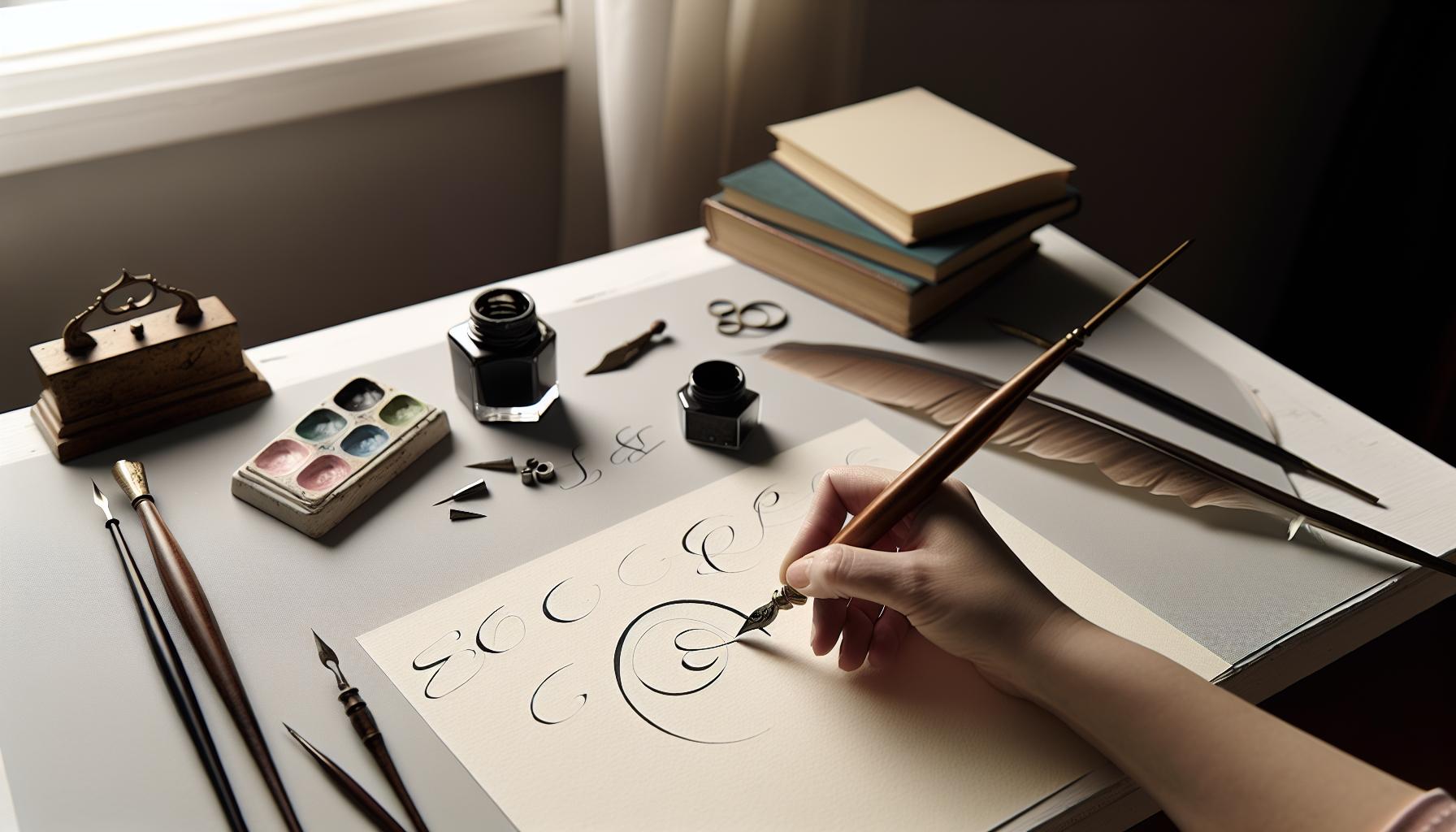
To truly excel in calligraphy, mastering the fundamental strokes is non-negotiable. These strokes are the backbone of every letter you’ll create, and they lay the groundwork for developing your unique style. Whether you’re using a pointed pen or a brush pen, familiarizing yourself with these basic motions will not only improve your consistency but also deepen your understanding of the art form.
Start by practicing simple strokes such as upstrokes, downstrokes, and curves. Each of these strokes has a different pressure application-upstrokes should be light and delicate, while downstrokes demand more pressure to create a bold line. This contrast is what brings life and character to your calligraphy. Here’s a quick guide:
- Upstrokes: These are the lighter strokes made when you pull the pen upward. Aim for a smooth, controlled motion.
- Downstrokes: Apply more pressure as you pull the pen down. These strokes should be thicker and more pronounced, showcasing the width of the nib.
- Curves: Practice rounded motions by combining upstrokes and downstrokes fluidly. This is crucial for letters like “o” or “c.”
As you practice these strokes, it’s helpful to use guidelines. Draw faint horizontal lines across your practice paper to guide the height of your letters and keep your strokes consistent. With repetition, you’ll develop muscle memory, making the strokes feel more natural over time.
Don’t forget to watch your pen angle! The angle can significantly affect the stroke outcome. For pointed pen calligraphy, typically use a 45-degree angle to maximize the nib’s flexibility. Keeping an eye on your grip also helps; a relaxed grip allows for better control and fluidity.
Lastly, perform these exercises daily. Even just 10-15 minutes can lead to noticeable improvements. The beauty of calligraphy lies in patience and practice, so embrace the process. Each stroke you perfect brings you one step closer to letting your creativity flourish on the page.
Creating Beautiful Calligraphy Letters
is all about finding the right balance between precision and artistry. Your goal is to combine technique with personal expression, and there are several key elements that can help elevate your lettering. First, it’s essential to pay attention to the anatomy of each letter. This means understanding the structure and the unique characteristics that define both uppercase and lowercase forms. In calligraphy, every curve, loop, and line has a purpose, and mastering these will give your letters a distinctive flair.
Use guides to maintain consistent height and spacing, and always keep your pen movements fluid. An important point is to establish a rhythm in your writing; this will help you achieve the necessary fluidity for beautiful letters. Engage your whole hand, not just your fingers, allowing for controlled, sweeping motions that result in elegant strokes.
Practice with varied pressure. A hallmark of calligraphy is the contrast between thick and thin lines. Play with your grip and discover the best angle for your pen-most calligraphers find that a 45-degree angle works wonders, especially for pointed pen techniques. Focus on how much pressure you’re applying during downstrokes versus upstrokes; this differentiation creates the bold contrast that’s so visually striking.
Don’t shy away from embellishments! Adding small flourishes can completely transform a simple letter into something special. Use swirls, loops, and extra curls tastefully; it’s easy to overdo it, so keep your design balanced and sophisticated. Lastly, remember that beauty also lies in imperfections. Embrace each letter as a unique expression of your style-perfection isn’t the goal, but rather a journey of improving and enjoying the craft. Practice daily, and soon, you’ll create stunning calligraphy pieces that reflect your artistic voice.
Exploring Different Calligraphy Styles
There’s a whole world of calligraphy styles waiting for you to explore, and finding one that resonates with your personal aesthetic can unlock a treasure trove of creativity. Each calligraphy style reflects a unique cultural history and artistic flair, making your handwritten pieces not just letters, but expressions of art. Whether you aim to create elegant wedding invitations, personalized gifts, or simply want to enhance your note-taking, understanding different styles is crucial.
Popular Calligraphy Styles
Some of the most widely recognized calligraphy styles include:
- Italic: Known for its slanted letters and fluid strokes, Italic is a fantastic entry point for beginners. Its elegance makes it suitable for everything from casual notes to formal invitations.
- Copperplate: This style features dramatic variations in line thickness, achieved through the pointed pen technique. It’s characterized by its loops and swirls, bringing a sophisticated touch to any project. Perfect for formal events!
- Gothic: Often referred to as Blackletter, Gothic calligraphy dazzles with its intricate, bold forms. It’s a historical style that makes a striking impact, ideal for certificates or dramatic artwork.
- Brush Lettering: Utilizes brush pens to create robust and modern strokes. This style is fun and versatile, making it a favorite among many contemporary artists and crafters.
- Modern Calligraphy: This is where tradition meets spontaneity. It allows more freedom and fun, letting your personality shine through your strokes and designs.
Choosing a style can feel overwhelming, but don’t forget to have fun with it. Many calligraphers blend styles, picking features they love, so feel free to experiment. The right style can inspire you and elevate your creative projects, enhancing the overall aesthetic of your work.
As you practice, try recreating different styles to see what resonates most with you. Use online resources or calligraphy workshops to watch demonstrations and gain insights into techniques specific to each style. With dedication and time, you’ll not only find your favorite style but also develop your unique voice within the expansive art form of calligraphy.
Tips for Practicing Calligraphy Regularly
To truly develop your calligraphy skills, consistency is key. Regular practice not only helps you refine your technique but also builds muscle memory, which is essential for smooth and fluid writing. Even setting aside just 15-30 minutes a day can make a significant difference over time. Here’s how to make your practice sessions effective and enjoyable.
First, create a dedicated space for your calligraphy practice. Having a specific spot that inspires you can enhance your focus and motivation. Whether it’s at a sunny window, a cozy corner, or a home office, make it your personal calligraphy nook. Stock it with all your necessary tools-pens, paper, and any resources or reference materials. This way, when you sit down to practice, everything is within reach, and you can dive right into it without distractions.
Next, structure your practice sessions. Start with warm-up exercises to loosen your hand and familiarize yourself with the pen’s movement. Focus on basic strokes, as these are the building blocks for more advanced lettering. Incorporate practice sheets or templates to guide your strokes and letters. It’s also beneficial to set specific goals for each session, like mastering a particular letter or style. This targeted practice helps you measure your progress and keeps you motivated.
Engaging with a community can also elevate your practice routine. Joining calligraphy groups online or attending workshops will not only provide inspiration but also opportunities for feedback and tips from fellow calligraphers. Watching others can expose you to new techniques and styles you might want to incorporate into your own work.
Lastly, don’t forget to have fun with it! Explore different styles and allow yourself to experiment. Occasionally, try using different materials-like different types of ink or paper-to discover how they affect your writing. Keeping your practice lighthearted can ignite your creativity and keep your routine fresh.
Calligraphy is an ongoing journey, and with regular practice, you’ll not only improve your skills but also find joy in the art of beautiful lettering.
Enhancing Your Calligraphy with Flourishes
To elevate your calligraphy from simple lettering to exquisite art, adding flourishes is a game changer. Flourishes are those decorative elements that can transform a basic letter or word into a stunning visual piece. They add personality and flair, drawing the eye and captivating your audience. But how do you incorporate these delicate details without overwhelming your work? Here’s the scoop.
Start with basic shapes and motions. Flourishes often stem from the fundamental strokes in calligraphy. As you master your basic letterforms, pay attention to your upstrokes and downstrokes. Experiment with adding swirls, loops, and tails to the ends of your letters or connecting them with elegant arcs. This is especially effective on uppercase letters where there’s more space to play. Think of it as a dance; each stroke flows into the next, creating a harmonious balance.
Next, focus on placement. You don’t want every single letter to be laden with flourishes-this can create visual chaos. Choose specific letters, especially at the beginning and end of words, to adorn with flourishes. For instance, long ascenders like ‘h’ or ‘k’ can be extended dramatically, and descenders like ‘g’ or ‘y’ can swoop down elegantly. This approach maintains legibility while adding sophistication.
It’s also crucial to consider the overall composition of your piece. Flourishes should complement your lettering style rather than dominate it. If you’re using a more restrained script, subtle flourishes can provide a perfect accent. On the other hand, for bolder styles, consider more dramatic flourishes that match their energy. Remember, contrast is key; balance bold letters with lighter, airy flourishes to create a dynamic visual interest.
Finally, don’t hesitate to practice and refine your flourishes. Use practice sheets that allow you to play with different styles of flourishes. By repeatedly drawing the same embellishments, you’ll gain confidence in your movement and ensure that your flourishes remain fluid and natural. Over time, you’ll develop a personal flourish style that reflects your personality and skills.
Incorporating flourishes isn’t just about adding embellishments-it’s a way to express your artistic voice. Embrace experimentation, and soon you’ll find that these delicate details not only enhance your calligraphy but also deepen your connection to the art.
Common Mistakes and How to Avoid Them
It’s easy to fall into common pitfalls when you’re learning calligraphy. These mistakes can slow your progress and frustrate your creative flow. But identifying them early can help you develop your skills faster and create more beautiful lettering. One major mistake is holding your pen too tightly. This often leads to fatigue and uneven strokes. Instead, try to grip your pen with a light touch; the pen should feel like an extension of your hand, not a tool you’re struggling to control.
Another common error is neglecting your strokes’ direction and pressure. Calligraphy is all about contrast-upstrokes should be lighter, while downstrokes are thicker. Failing to apply this technique can make your writing appear flat and uninteresting. Take time to practice basic stroke exercises, focusing on how different pressures affect your lines. It’s also crucial to understand your pen’s angle; a consistent angle produces smoother, more uniform lines.
Many beginners also rush through their practice sessions, which can lead to mistakes that become ingrained habits. Instead, set a deliberate pace. Slow down when practicing, allowing yourself to focus on form and technique. You’ll find this approach leads to more satisfying results over time. Don’t hesitate to create practice sheets with varying letters and strokes-these are key tools for improving your muscle memory.
Lastly, a frequent oversight is skipping the setup and preparation stage. Before starting a project, ensure your workspace is tidy and your materials are ready. Quality paper and the right ink can significantly impact your work. Experiment with different tools to see what feels most comfortable for you. This foundational step will enhance your calligraphy experience, leading to more enjoyable and productive practice sessions. By staying aware of these common mistakes and focusing on refinement, you’ll elevate your calligraphy skills effectively.
How to Compose Calligraphy with Meaning
Creating calligraphy that resonates with meaning is about more than just skill; it’s about intentionality and expression. Each stroke should convey your message, transforming plain letters into an emotional experience. Start by considering what you want to express. Whether it’s a quote that inspires you or a personal message, the words you choose lay the foundation for your composition. Choosing words that evoke feelings or tell a story will guide you in your artistic journey.
Next, think about the composition itself. Balance and alignment are crucial in calligraphy. You want your text to flow well on the page. Use guiding lines to ensure consistency in letter heights and spacing. Play with different layouts-centered alignments, staggered lines, or even circular patterns can all enhance the visual impact of your words. As you design, remember that every element should serve a purpose. Some aspects, like the size of your letters, can emphasize key parts of your message.
Incorporate decorative elements to enhance your composition’s meaning. Flourishes, illustrations, or even borders can complement your text without overwhelming it. Use these embellishments to draw attention to particular words or phrases, creating a visual hierarchy that guides the viewer’s eye. Experiment with color as well. A carefully chosen palette can evoke different emotions-soft pastels might feel calming, while vibrant hues can energize.
Finally, don’t shy away from repeating certain themes or motifs throughout your work. Repetition creates unity and reinforces the core message you wish to convey. Whether it’s a specific flourish, a shape, or even a recurring color, these elements can stitch your composition together, making it feel cohesive and intentional. As you practice, remember that meaningful calligraphy isn’t just about how it looks; it’s about how it communicates. Let your personality and emotions shine through each piece you create.
Incorporating Calligraphy into Art Projects
There’s something truly special about merging calligraphy with other art forms. Imagine turning a simple phrase into a visual masterpiece that captures attention and evokes emotion. Calligraphy isn’t just about beautiful writing; it can serve as a stunning focal point within larger art projects. Whether you’re creating handmade cards, wall art, or personalized gifts, incorporating calligraphy can elevate your work to a whole new level.
One effective way to fuse calligraphy with art is to create mixed-media projects. For instance, you might start with a watercolor or acrylic background, allowing the colors to flow freely. After the paint dries, use your calligraphy skills to overlay a meaningful quote or personal message. This juxtaposition not only adds depth but also brings a unique texture and vibrancy to your piece. You can also enhance your artwork by experimenting with different writing tools; try using a brush pen for a softer look or a dip pen for more defined edges.
Think about incorporating calligraphy into home décor as well. Create signs with motivational quotes, or personalize items like mugs, tote bags, or even cushion covers with your lettering. There are endless possibilities! You can use vinyl for a cleaner, modern look or hand-letter directly onto these surfaces for a cozy, handmade touch. Whichever method you choose, your calligraphy will undoubtedly add a unique charm.
Lastly, don’t underestimate the power of collaborations. Partnering with artists from different disciplines-like illustrators, photographers, or graphic designers-can yield incredible results. Your lettering can complement visual elements, providing a narrative that ties the entire project together. Collaborations often bring fresh perspectives and innovative ideas that push your creative boundaries. By integrating your calligraphy with other artistic expressions, you foster a more enriching experience for both you and your audience. Embrace the process, have fun, and let your creativity flow!
Showcasing Your Calligraphy: Display Ideas
There’s something magical about displaying calligraphy-it transforms simple text into an art form that captures attention and evokes emotions. Whether you’re showcasing your work at a craft fair, decorating your home, or creating a unique gift, the way you present your calligraphy can enhance its beauty. Here are some creative ideas for displaying your calligraphy that will leave a lasting impression.
Framing Your Artwork
One of the most straightforward yet effective ways to showcase calligraphy is through framing. Choose frames that complement the style and color of your lettering. Consider using floating frames for a modern touch, where the calligraphy appears to be suspended between two panes of glass. This not only highlights your work but also adds depth and dimension. Additionally, remember the importance of matting; a well-chosen mat can accentuate your lettering and elevate the overall aesthetic.
Incorporating Calligraphy in Home Décor
Integrate your calligraphy into everyday home décor. Create motivational quote prints and frame them for your office or living space. You might also consider crafting signs for various rooms-like a lovely “Welcome” sign for your entryway or a “Kitchen” label for your culinary space. Personal touch is key; hand-lettering these signs on reclaimed wood or canvas can give them a rustic charm that resonates with visitors.
Using Various Display Techniques
Explore unique ways to display your calligraphy. Cloth banners, for instance, can add a whimsical touch to events or home spaces. Hang a beautiful piece of calligraphy on a dowel rod, allowing it to softly sway in the breeze. Another great idea is to craft calligraphy on items like mugs, tote bags, or cushions. This adds a personalized element to everyday objects, making them both functional and artistic.
Participating in Markets and Exhibitions
If you’re looking to showcase your calligraphy on a larger scale, consider participating in local craft markets or exhibitions. Create an inviting booth display by layering different calligraphy pieces-ranging from framed art to smaller cards and prints. Engage your audience by offering custom calligraphy services at your booth, allowing visitors to request personalized pieces on the spot. This interaction not only showcases your skills but also fosters a connection with your audience.
By thoughtfully choosing how to display your calligraphy, you can enhance its appeal and allow others to appreciate the art form’s beauty. Use these ideas as a springboard to experiment and find what resonates best with your personal style and your audience’s tastes. Your calligraphy deserves a spotlight-let it shine!
Resources for Further Calligraphy Learning
There’s a wealth of resources available for anyone looking to dive deeper into the art of calligraphy. Whether you want structured lessons or just some fun practice sheets, the options are practically endless. One standout option is the Calligraphy Masters Resource Pack, which offers a comprehensive selection of practice worksheets, guidelines, and exemplar alphabets tailored for different scripts. You can access this by signing up for their newsletter, ensuring you stay updated with the latest resources and tips [1].
If you’re leaning towards modern calligraphy and want hands-on tools to get started, consider the Eloise, Violet, and Suzy worksheets. These are designed to cater to various styles of hand lettering and are great for beginners and intermediates alike. You can find them on platforms like Etsy, often with special discount codes to make them even more accessible [2]. Additionally, many resources frequently offer free introductory courses-like the 7-day hand lettering course, which breaks down techniques and offers daily practice tips [2].
Lastly, for a more personalized journey, don’t underestimate the value of community. Joining forums or social media groups dedicated to calligraphy can provide both motivation and feedback on your work. Engaging with others also helps you discover new content, tutorials, and inspiration that’s often not listed elsewhere. Seek out local workshops or online classes; they can significantly enhance your learning curve while connecting you with fellow enthusiasts. Remember, consistent practice is key, and the right resources can make this journey not just productive but also enjoyable!
FAQ
Q: What are the essential techniques for beginners learning calligraphy?
A: Essential techniques for beginners include practicing basic strokes, creating consistent letterforms, and mastering spacing. Start with simple shapes like ovals and lines, then progress to letters. Regular practice will enhance your control and help you develop a unique style. Check the “Mastering Basic Calligraphy Strokes” section for detailed guidance.
Q: How can I improve my calligraphy practice routine?
A: To improve your calligraphy practice routine, establish a consistent schedule, set specific goals, and incorporate exercises focusing on different styles. Use a variety of pens and papers to explore textures. Include warm-up sessions and review your progress regularly. For more tips, see “Tips for Practicing Calligraphy Regularly.”
Q: What are common mistakes in calligraphy and how can I avoid them?
A: Common mistakes include inconsistent letter spacing, poor pressure control, and neglecting foundational strokes. To avoid these issues, practice slowly and focus on precision. Use guides to maintain proper spacing and regularly review your work to identify areas for improvement. Check the “Common Mistakes and How to Avoid Them” section for more insights.
Q: How do different calligraphy styles affect my artistic lettering?
A: Different calligraphy styles, such as Gothic, Italic, or Brush Script, can dramatically change the feel and impact of your lettering. Each style has unique characteristics and purposes. Experimenting with various styles can enhance your creativity and versatility in art projects. Explore styles in the “Exploring Different Calligraphy Styles” section for inspiration.
Q: Can I use calligraphy in digital art projects?
A: Yes, you can integrate calligraphy into digital art projects by using graphics tablets or software that mimics calligraphy styles. This allows for enhanced creativity and flexibility. Practice traditional techniques for best results, then experiment with digital mediums. The “Incorporating Calligraphy into Art Projects” section will help you get started.
Q: What tools do I need to start drawing calligraphy?
A: To start drawing calligraphy, you need a suitable pen (like a dip pen or brush pen), quality paper, and ink. Additional tools like rulers or guides can help maintain uniform letter spacing. Ensure you choose a pen that feels comfortable in your hand. Refer to “Choosing the Right Calligraphy Pen and Tools” for detailed recommendations.
Q: How can I showcase my calligraphy work effectively?
A: You can effectively showcase your calligraphy work by displaying finished pieces in frames, creating digital portfolios, or sharing on social media platforms. Participate in local art shows or workshops for exposure. Explore display ideas in the “Showcasing Your Calligraphy: Display Ideas” section for tips on presenting your art.
Q: Why is practicing calligraphy important for artistic development?
A: Practicing calligraphy is crucial for artistic development as it improves motor skills, fosters patience, and enhances creativity. Regular practice helps you refine your style, leading to greater confidence in your abilities. The journey of learning calligraphy enriches your overall artistry and self-expression.
Closing Remarks
You’ve unlocked the art of calligraphy! Now, don’t let those skills go to waste. Practice is key! Explore our advanced techniques in “Mastering Calligraphy Flourishes” for those nuanced touches that will elevate your work. Got questions or want feedback? Drop a comment below or share your progress with our thriving community-it’s the perfect place to find motivation and inspiration!
Ready to take the next step? Sign up for our newsletter to get exclusive tips and resources delivered straight to you. Whether you’re crafting beautiful invitations or journaling creatively, make your letters come alive. Remember, practice daily, and experiment fearlessly. Your calligraphy journey is just beginning, and we’re excited to see where it takes you!