

Calligraphy doesn’t have to be confined to traditional tools. Using sketch pens can unleash your creativity in ways you might not expect! These versatile instruments provide the flexibility and control needed for beautiful lettering while allowing you to experiment fearlessly. Whether you’re a beginner wanting to explore new art forms, or a seasoned calligrapher seeking fresh inspiration, you’ll find sketch pens open up exciting possibilities. In this guide, we’ll delve into the techniques that will transform your writing into stunning works of art. Get ready to create eye-catching designs that express your unique style and personality. So, grab your pens, and let’s dive into the art of calligraphy with a twist!
Understanding the Basics of Calligraphy with Sketch Pens
Beautiful lettering is more accessible than ever, thanks to the versatility of sketch pens. These tools often feature flexible nibs that allow for varied line thickness, making them perfect for creating stunning calligraphy. One captivating aspect of using sketch pens is their ability to produce bold, expressive strokes with minimal effort. You can unleash your creativity whether you’re a beginner or looking to refine your skills.
To get started with calligraphy using sketch pens, understanding the basic strokes is essential. These strokes form the foundation of most lettering styles. Begin by practicing simple upstrokes and downstrokes to feel the pen’s movement. As you get comfortable, move on to curves and loops, which will help you shape letters beautifully. Remember, calligraphy is as much about rhythm as it is about form. Take your time and enjoy the process-the more relaxed you are, the better the results.
Another benefit of sketch pens is their broad range of colors. This allows you to experiment with vibrant combinations, opening doors to unique lettering styles. Consider trying out gradients by blending two or more colors for an eye-catching effect. Don’t shy away from playing around with different techniques, like using the pen at various angles or layering colors for depth. These creative approaches will not only enhance your calligraphy but also reflect your personal style.
Incorporating sketch pens into your calligraphy routine can feel like an endless journey of exploration. As you practice, document your progress, and collect your favorite pieces; this can serve as both motivation and a reference as you grow in your skills. The key takeaway is to enjoy creating and let your personality shine through your work. With sketch pens, the beautiful art of calligraphy is at your fingertips.
Essential Tools for Calligraphy Beginners
To dive into the world of calligraphy, having the right tools can make a significant difference in your experience and the quality of your work. For beginners, settling on a few essential items can transform your journey from daunting to delightful. Here’s what you need to get started with calligraphy using sketch pens.
First and foremost, your choice of sketch pens is crucial. Select pens that feature flexible nibs, allowing for variability in line thickness. This flexibility enables you to create both bold strokes and delicate details, essential for beautiful lettering. Look for a starter set that offers a range of nib sizes. If you’re unsure, consider brands like Pilot, which produce reliable calligraphy pens with various nib options suitable for beginners.
In addition to pens, a high-quality sketchbook or practice paper is important. You’ll want paper that minimizes bleed-through and allows your sketches to shine. A smooth, thick paper is ideal as it provides a stable base for those sweeping strokes. Don’t forget a ruler and a pencil for guidelines, especially as you practice. Keeping your letters consistent in size and spacing will help you develop a cleaner, more polished look.
Another tool worth mentioning is a blending pen or a water brush, particularly if you want to explore color blending techniques. These tools enable you to merge colors seamlessly, adding depth to your designs. You might also want to have a color wheel on hand to help with color theory, ensuring your combinations are visually appealing.
Finally, always keep an eraser handy to tidy up any sketches or lines that go awry. Mistakes are part of the learning process, and being prepared helps you approach your practice with confidence. Investing in these essential tools will not only set a solid foundation for your calligraphy skills but also make your creative sessions more enjoyable and productive.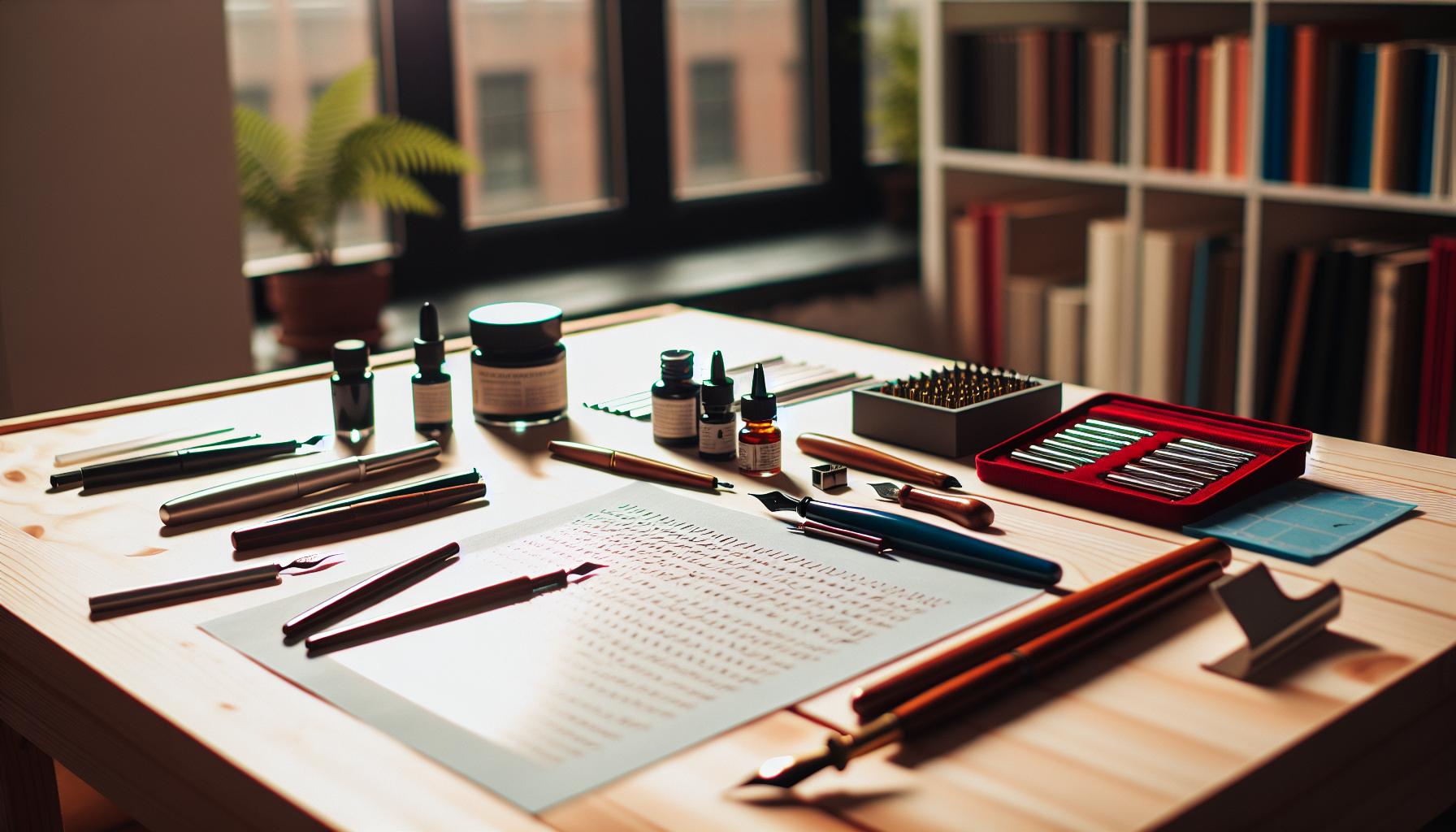
Mastering Basic Calligraphy Strokes
Mastering the foundational strokes of calligraphy is essential for anyone looking to create beautiful lettering with sketch pens. Think of these strokes as the building blocks of your art-once you understand them, you’ll unleash your creativity and develop your unique style.
Start with the basic movements: upstrokes and downstrokes. Upstrokes should be light and delicate, often achieved by lifting your pen with minimal pressure. Downstrokes are where you can apply more pressure, resulting in bolder lines. Practicing these fundamental strokes repeatedly is crucial. You might even consider creating a stroke guide to help track your improvement.
To get specific, here’s a simple exercise: create a series of vertical lines, alternating between upstrokes and downstrokes. Focus on maintaining consistent width and angle. Then, practice curves, loops, and swirls. These motions are essential for letters such as “e”, “g”, and “s.” You’ll find that repetition builds muscle memory, making each letter you form more fluid and natural.
Another effective technique is to isolate each letter and break it down into its basic strokes. For instance, the letter “a” can be simplified into a couple of loops and lines. Sketch it out slowly at first, focusing on the pen’s pressure and movement before speeding up. This method not only enhances your control over each stroke but also gives you a clearer vision of how letters evolve on the page.
Finally, don’t underestimate the power of practice sheets. You can find free templates online or create your own, guiding your pen for each stroke. Challenge yourself to vary the styles and angles as you become more comfortable. Mastery takes time, but with patience and practice, you’ll develop the confidence to tackle more complex lettering styles, transforming your approach to calligraphy with sketch pens.
Creative Techniques for Unique Calligraphy Styles
Creating unique styles in calligraphy isn’t just a skill; it’s an adventure in self-expression. When you’re armed with sketch pens, you have the opportunity to explore a range of creative techniques that can transform your lettering into art. Here’s how to break free from traditional styles and infuse your personality into your work.
One of the most effective ways to create unique lettering is by experimenting with pressure techniques. Varying the pressure on your sketch pen can drastically change the thickness of your lines. Start with gentle strokes for an elegant feel, then switch to heavier, bolder downstrokes to add drama. Try blending different pressures within the same letter: perhaps a thin upstroke morphs into a chunky downstroke, giving your work a modern twist.
Additionally, combining techniques can elevate your calligraphy. For instance, consider integrating watercolor effects. After sketching your letters, apply a light wash of color around them. This creates a stunning contrast that makes your lettering pop. You can also experiment with ombre styles, blending two or more colors in a single letter to create a dynamic look. This technique works particularly well for headers or significant quotes, drawing attention and adding depth.
Don’t forget to explore decorative embellishments. Flourishes, dots, and floral designs can be added around your letters to create a cohesive piece. Simple vine patterns or dot clusters can bring a whimsical touch, transforming straightforward lettering into intricate designs. Think about how these elements can complement your words – let them extend from the letters themselves for a seamless integration.
In essence, don’t shy away from mixing your mediums and styles. Whether it’s incorporating digital tools or using different textures through various paper types, the goal is to find what resonates with you. Keep pushing boundaries; calligraphy with sketch pens is about discovering your voice and letting it shine through in every stroke.
Choosing the Right Sketch Pen for Calligraphy
Choosing the right sketch pen can make or break your calligraphy experience. With so many options out there, it’s essential to understand what differentiates one pen from another. Start by considering the nib type. For beginners, pens with a flexible nib allow for a degree of pressure variation, helping you create beautiful thick and thin lines. Brands like Pilot’s Parallel Pens or Dual Sided Calligraphy Markers are popular choices that bring versatility to your strokes.
Next, think about ink flow. The best sketch pens have a consistent ink flow that prevents skipping, ensuring smooth writing. Brush pens provide a different experience, allowing for fluid movements that can easily yield expressive styles. Try a few different brands and styles to see which one feels most natural in your hand. Remember, the right pen should feel comfortable, not cumbersome.
Color selection is also a significant factor. Brush markers come in an array of vibrant shades, letting you play with color theory and blending techniques to create stunning pieces. Consider investing in a few basic colors and then expand your collection as your style develops. Investing in a mixed set of colors can open up new avenues for creativity, encouraging you to experiment and innovate your calligraphy art.
Lastly, don’t overlook the paper you use alongside your sketch pens. Smooth, bleed-proof paper ensures that your ink applies evenly, avoiding smudges and maintaining the integrity of your beautiful lettering. Always test your pen on your chosen paper before diving into a project; this simple step can save you a lot of frustration later on. With the right sketch pens in hand, you’ll be well on your way to creating stunning calligraphy that reflects your unique style.
Designing Beautiful Lettering with Sketch Pens
is not just about putting ink to paper-it’s about making your mark, literally and creatively. With the right techniques and a dash of imagination, your calligraphy can transform from ordinary text to stunning art that speaks volumes. Here’s how you can elevate your lettering game.
Start by understanding the fundamentals of creating effective shapes and forms. Each letter you craft should be distinct yet cohesive with its neighbors. Practice basic shapes and strokes that compose your letters. Making smooth, consistent strokes is key. If you’re working with a brush pen, experiment with the pressure you apply-the more pressure you use while drawing downward strokes and less when going upwards, the more pronounced the contrast between thick and thin lines will be. This variance in width helps your letters pop and adds character.
Once you’re comfortable with the basic letterforms, think about adding flair to your designs. Play with embellishments like swashes, loops, and flourishes. For instance, extending the tail of a ‘g’ or adding a curlicue at the end of a phrase can introduce a playful or elegant vibe, entirely transforming the letter’s personality. A great way to brainstorm these features is to emulate styles you admire; there’s nothing wrong with incorporating ideas from your favorite calligraphers.
Color and Contrast are also vital components in creating enchanting lettering. Sketch pens often come in vibrant colors. Use this to your advantage by choosing a color palette that resonates with your theme. A contrast between light and dark shades can make your work stand out. You might even consider layering colors or using blending techniques to create depth and interest. This could mean practicing color transitions or gradients in small samples before applying them to your final work.
Lastly, don’t underestimate the importance of composition. Where you position your lettering can influence its impact. Whether it’s centered, aligned to the left, or scattered creatively across the page, the layout draws the viewer’s eye differently. Try using doodles or motifs to frame your text strategically. Don’t be afraid to break the rules-sometimes, the most unconventional layouts yield the most striking results.
Experiment with these techniques, and you’ll soon discover your unique style, creating lettering that not only conveys words but also tells a story. Every pen stroke gives you an opportunity to express yourself-so grab those sketch pens and let your creativity flow!
Exploring Color Theory in Calligraphy
Understanding color theory can revolutionize your calligraphy. Colors aren’t just decoration; they evoke emotions, create meaning, and enhance the overall aesthetic of your work. When using sketch pens, you have a fantastic opportunity to explore a spectrum of colors that can transform even the simplest words into powerful visual statements.
One of the foundational aspects of color theory is understanding the color wheel. Primary colors (red, blue, yellow) mix to form secondary colors (green, orange, purple), and further combinations produce tertiary colors. Try to play with complementary colors-those opposite each other on the wheel, like blue and orange. This contrast creates visual excitement and attention. If you’re going for a softer feel, explore analogous colors, which sit next to each other on the wheel. For instance, using shades of blue, teal, and green can induce a calming effect and lend your work a more cohesive look.
Don’t overlook the impact of hue, saturation, and brightness. A bright, saturated red can convey passion, while a softer, muted pink might express tenderness. Think about what you want your letters to communicate. You might experiment with varying saturations to find the perfect mood-subtle pastel shades for gentle greetings or bold, vibrant tones for striking invitations. Layer colors by creating gradients for your strokes. A smooth transition from one color to another can add depth and dimension, making individual letters pop.
Lastly, consider the composition of colors in relation to your letters. The placement of different colors can guide the viewer’s eye and emphasize key words. For example, highlight important phrases in a bright color while using softer tones for background text. This approach establishes a visual hierarchy and ensures your calligraphy communicates not just through words but through color as well. Remember, experimenting is key. Test various combinations and observe how they affect your overall design. With sketch pens in hand, let your exploration of color theory breathe life into your calligraphy!
Tips to Enhance Your Calligraphy Skills
The journey to mastering calligraphy, especially with sketch pens, is as much about practice as it is about understanding your tools and technique. One of the best tips I can offer is to set aside dedicated practice time. Just like learning a musical instrument, consistent practice helps you develop muscle memory. Start with simple strokes: practice lines, loops, and swirls. These foundational movements are the building blocks for beautiful lettering.
Another essential aspect is experimenting with different pressures on your strokes. When using sketch pens, the amount of pressure you apply drastically changes the thickness of the lines. Try variations of pressure in your practice, turning thick and thin strokes into an expressive part of your writing style. It’s a simple change that can add a lot of character to your calligraphy.
Additionally, always have a reference alongside you. Whether it’s a style guide or examples from other artists, having inspirational designs helps you see the possibilities. A quick glance at another artist’s work can spark ideas and give you the confidence to try new styles. Don’t hesitate to emulate styles you admire-this is one of the fastest ways to learn and refine your own voice.
Lastly, don’t shy away from feedback. Share your work with friends or online communities and be open to constructive criticism. Engaging with others not only provides encouragement but also fresh perspectives that can help you grow. Remember, every artist was once a beginner, so embrace the learning process and enjoy your creative journey!
Common Mistakes in Calligraphy and How to Avoid Them
Starting your journey into calligraphy with sketch pens can be incredibly rewarding, but it often comes with pitfalls that many beginners fall into. One common mistake is not using the right grip. The way you hold your pen affects your control and the fluidity of your strokes. If you’re holding the pen too tightly, you may find your strokes jerky and uneven. Aim for a relaxed grip; this will allow for smoother movements and more natural variations in line thickness.
Another frequent error is neglecting the importance of practice and consistency. Some new calligraphers jump straight into complex designs without thoroughly mastering basic strokes and letters. Consider dedicating time each day to practice fundamental movements like loops, downstrokes, and upstrokes. This practice builds the muscle memory necessary for producing beautiful lettering. Remember, it’s about forming a strong foundation; the intricate styles will come more easily once you’re confident in your basic skills.
Choosing the wrong type of sketch pen can also derail your efforts. Not all sketch pens are created equal for calligraphy. You’ll want to select pens that are specifically designed for this purpose, as they provide better control and more consistent ink flow. Test out a few different types and see which ones feel comfortable and perform well for your style. The right tools are crucial, and a little trial and error can lead you to your favorites.
Finally, many budding calligraphers overlook the importance of working with a practice guide or template. Relying solely on freehand can lead to frustration. Guides help you develop consistent letterforms and give you a visual reference to aspire to as you hone your skills. There are plenty of resources available online, from freebies to paid templates, that can serve as great assets in your practice sessions.
By avoiding these common mistakes-focusing on grip, practicing fundamentals, choosing appropriate materials, and utilizing guides-you’ll set yourself up for success in your calligraphy journey. Embrace the process, enjoy the learning, and watch your skills flourish!
Inspiring Calligraphy Projects and Ideas
Embracing calligraphy with sketch pens opens up limitless creative possibilities, turning simple projects into stunning art pieces. Whether you’re looking to beautify your home, craft a unique gift, or simply enjoy the process of creating, there are plenty of inspiring projects to ignite your passion for this elegant art form.
Start with personalized greeting cards. They’re always a hit, especially when designed for special occasions. Use your sketch pen to create beautiful lettering on blank cards, adding flourishes and decorative elements that resonate with the event’s theme. Include a heartfelt message inside, and you’ve got a memorable gift that shows you care. For more flair, experiment with layering colors or incorporating watercolor backgrounds to enhance your calligraphy.
Another fantastic project is creating custom wall art. Select quotes or phrases that inspire you or resonate with your audience. Frame your calligraphy work in a stylish frame or mount it on canvas. Consider combining different lettering styles or colors to add depth. This not only beautifies your space but also acts as a personal statement piece. You can also create a series with seasonal quotes to change throughout the year, keeping your decor fresh and inspiring.
Don’t overlook practical items like planners or journals. Personalize the cover with your calligraphy skills to make your planner uniquely yours. You can even embellish the pages with headers or motivational quotes in your handwriting. This encourages creativity and makes every writing session feel special. Using sketch pens for this allows you to play with different thicknesses and styles, giving each page its own character.
For a quick and fun project, try making bookmarks. They’re simple yet effective, and you can whip them up in no time. Use beautiful letters to write quotes from your favorite books. Not only will you enjoy using them, but they also make great gifts for fellow book lovers. You can even laminate them to ensure durability.
Lastly, explore creating personalized items for special events or celebrations, like wedding signage or baby shower decorations. These can include elegantly written names, dates, and meaningful phrases that beautifully tie in with the occasion. Think of using different paper textures and colors to match the event’s theme. Engaging in these projects not only hones your skills but also adds a personal touch to special moments.
Inspiration is everywhere; all it takes is a bit of imagination and the right tools. Dive in, let your creativity flow, and remember-the beauty of calligraphy with sketch pens lies in the unique mark you leave behind.
Resources for Further Calligraphy Learning
When diving into the world of calligraphy with sketch pens, it’s easy to feel overwhelmed by the options available for learning and improvement. However, the right resources can significantly enhance your skills and confidence. Start by checking out a variety of online platforms that offer tutorials, workshops, and community support. Websites like Skillshare and Udemy have extensive courses on calligraphy basics and advanced techniques that can cater to both beginners and those looking to refine their skills.
Joining online communities on platforms like Instagram or Facebook can be incredibly beneficial. You’ll find countless artists sharing their work, tips, and techniques. Participating in challenges or hashtag movements can inspire you and keep you motivated. Additionally, Pinterest is a great source for visual inspiration. You can find countless ideas for projects, styles, and even step-by-step guides to improve your technique. For example, searching for “calligraphy with sketch pens” can yield a treasure trove of images and resources that could spark a new idea or direction in your work [[1]].
Don’t underestimate the power of books either. Titles focused on hand lettering and calligraphy can provide you with foundational knowledge and artistic inspiration. Look for books that include practice exercises or focus on specific techniques related to sketch pens. Additionally, incorporating some local resources, like art stores hosting classes or workshops, can provide hands-on experience and personal feedback from instructors.
Lastly, for ongoing improvement, remember to track your progress. Keeping a calligraphy journal where you practice various strokes and styles not only shows your growth but also serves as a personalized resource for reflection. It’s an invaluable tool as you experiment with different techniques, tools, and color theories, allowing you to refine your unique style over time. Stay curious, keep practicing, and utilize these resources to elevate your calligraphy journey!
Showcasing Your Calligraphy: Best Practices and Tips
If you’ve been crafting beautiful calligraphy with sketch pens, you know that showcasing your work effectively can elevate it to a whole new level. Whether you aim to share it on social media or display it in your home, presentation matters. Start by considering lighting – natural light is your best friend. Aim to photograph your pieces in soft, natural light to capture their true colors and details. Avoid harsh shadows and glares, which can distort the vibrancy of your inks.
Next, think about your background. A simple, neutral backdrop can make your lettering pop. Use materials like white paper, wood, or even fabric to create a canvas that draws attention to your calligraphy. For a creative touch, you might experiment with textured surfaces, like old books or patterned tablecloths, that subtly complement your work.
Digital Showcasing Tips
When showcasing your calligraphy online, consider the following:
- Consistency: Maintain a cohesive style across your portfolio. Whether it’s the color scheme or the way you frame your pieces, consistency helps establish your aesthetic.
- Engagement: Don’t just post; engage! Share stories behind each piece, the techniques you used, or even the challenges you faced. This builds a connection with your audience.
- Use Hashtags Wisely: On platforms like Instagram, relevant hashtags can dramatically increase your visibility. Use popular tags related to calligraphy, lettering, and your specific style.
Finally, when presenting your work in all its glory, consider framing your favorite pieces. A well-chosen frame can enhance the beauty of your calligraphy, adding an elegant touch. For a modern twist, try floating frames or shadow boxes that allow the artwork to take center stage. Remember, the goal is to let your creativity shine and inspire others while reflecting your unique style.
Faq
Q: What are the different types of sketch pens suitable for calligraphy?
A: There are several types of sketch pens suitable for calligraphy, including dual-tip pens, brush pens, and fineliner pens. Brush pens are great for achieving varying stroke widths, while fineliners provide precision. For decorative effects, try metallic or glitter sketch pens to add flair to your projects.
Q: Can beginners start calligraphy with sketch pens?
A: Absolutely! Sketch pens are user-friendly and versatile, making them ideal for beginners. They allow for experimentation without the pressure of using traditional ink. Start with basic strokes and practice letters to build your confidence before moving on to more complex styles.
Q: How do I improve my calligraphy skills with sketch pens?
A: To improve your calligraphy skills, practice regularly and focus on basic strokes. Experiment with different nib sizes and types of sketch pens. Additionally, analyzing your work can help identify areas for improvement. Consider sharing your progress in online forums for constructive feedback.
Q: What paper works best for calligraphy with sketch pens?
A: The best paper for calligraphy with sketch pens is smooth and heavyweight. Options like Bristol or marker paper prevent bleed-through and allow for smooth strokes. Practice pads specifically designed for calligraphy can further enhance your experience by providing ideal conditions for your artwork.
Q: How can I add color to my calligraphy using sketch pens?
A: You can add color to your calligraphy by layering different sketch pen colors or using a gradient technique. Overlay colors for a vibrant effect or use lighter shades for subtle backgrounds. Don’t forget to experiment with blending techniques to create stunning visual results.
Q: What are some creative projects I can do using sketch pen calligraphy?
A: Creative projects include personalized greeting cards, custom wedding invitations, and decorative wall art. You could also try making quotes with different styles or journaling using your calligraphy skills. Consider combining calligraphy with illustrations for a unique touch.
Q: How do I prevent smudging when using sketch pens for calligraphy?
A: To prevent smudging, allow your calligraphy to dry completely before handling it. Use archival ink sketch pens that are less prone to smudging. Additionally, consider placing a sheet of scrap paper underneath your hand while writing to avoid accidental smears.
Q: Are there online resources for learning calligraphy with sketch pens?
A: Yes, there are many online resources available, including video tutorials and free practice worksheets. Websites like YouTube offer comprehensive guides, while platforms such as Pinterest showcase various techniques and styles. Joining online communities can also provide additional support and inspiration.
Insights and Conclusions
Congratulations on taking the first step into the wonderful world of calligraphy with sketch pens! Remember, the creativity you unleash with every stroke not only beautifies your projects but also enhances your personal expression. If you’re eager to dive even deeper, check out our guide on calligraphy tools and discover the best pens to elevate your skills. Additionally, our step-by-step tutorial on flourishing techniques can add an exquisite touch to your lettering.
Don’t wait-grab your sketch pen and start practicing today! Share your progress with us in the comments below, and don’t forget to tag us on social media. Your journey in calligraphy doesn’t have to end here; explore more tips and tricks on our site, and consider signing up for our newsletter for exclusive insights and resources. Unlock your potential, embrace the artistry of calligraphy, and let your creativity flow!