
Cleaning your calligraphy pen tip is essential for maintaining its performance and extending its lifespan. Did you know that a well-maintained nib can make all the difference between smooth, flowing lines and frustrating skips? Many calligraphers overlook this crucial step, often leading to disappointing results and increased wear on their beloved tools. By knowing how to properly clean and care for your nib, you not only preserve your investment but also enhance your writing experience.
In this guide, we’ll explore simple yet effective techniques to keep your calligraphy pen tip in top shape. You’ll learn how to efficiently remove ink buildup, why regular cleaning is essential, and quick maintenance tips that fit easily into your creative routine. Ready to elevate your calligraphy game? Let’s dive into the secrets of cleaning your nib for flawless writing!
How to Identify Clogged Calligraphy Pen Tips
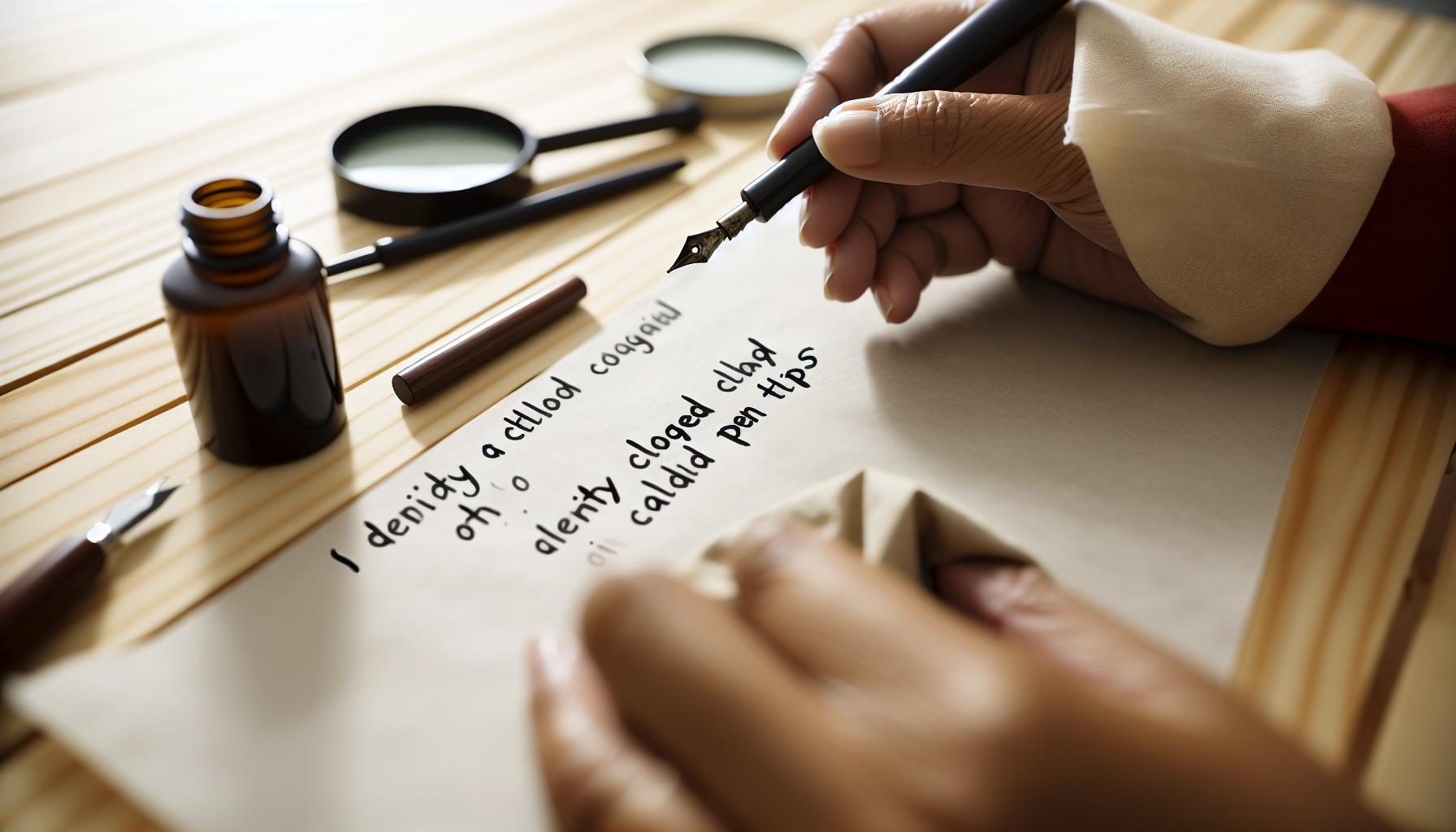
You might be surprised to learn that even the finest calligraphy pens can succumb to clogs. Knowing how to identify a clogged pen tip is essential-not just for your sanity, but for the quality of your art. A clogged tip can lead to uneven ink flow or, worse, completely dry strokes that disrupt your creative flow. Seeing ink skip, blob, or run dry? It’s a sign your pen is potentially clogged. Here’s how to diagnose the issue effectively.
First, observe the ink flow when you write. If you notice inconsistent lines, skip patterns, or excessive pressure needed to produce ink, your pen tip might be blocked. You can also check the nib for signs of dried ink buildup. A visual inspection can reveal hardened ink at the tip, particularly if the pen hasn’t been used for a while. If you see an inky residue or crusty deposits, that’s a clear indicator of a clog.
Another easy test? The “ink drop” technique. Simply drop a small amount of ink onto a piece of paper and try to write. If your pen fails to draw up the ink properly or has trouble moving smoothly across the surface, you’re facing a clog. Remember to check the area around the nib and feed; if there’s a visible barrier of ink or other debris, that’s likely where the issue lies. By recognizing these signs, you can tackle clogs before they really hinder your lettering masterpiece.
Signs of a Clogged Tip
- Inconsistent ink flow: Skipping or blobbing while writing.
- Visual inspection: Dried ink or residue on the nib.
- Ink drop technique: Difficulty drawing ink onto paper.
Pay attention to these signs regularly, especially after long periods of use or after letting your pen sit idle. Early detection can save you from deeper frustrations down the line.
Essential Tools for Effective Cleaning
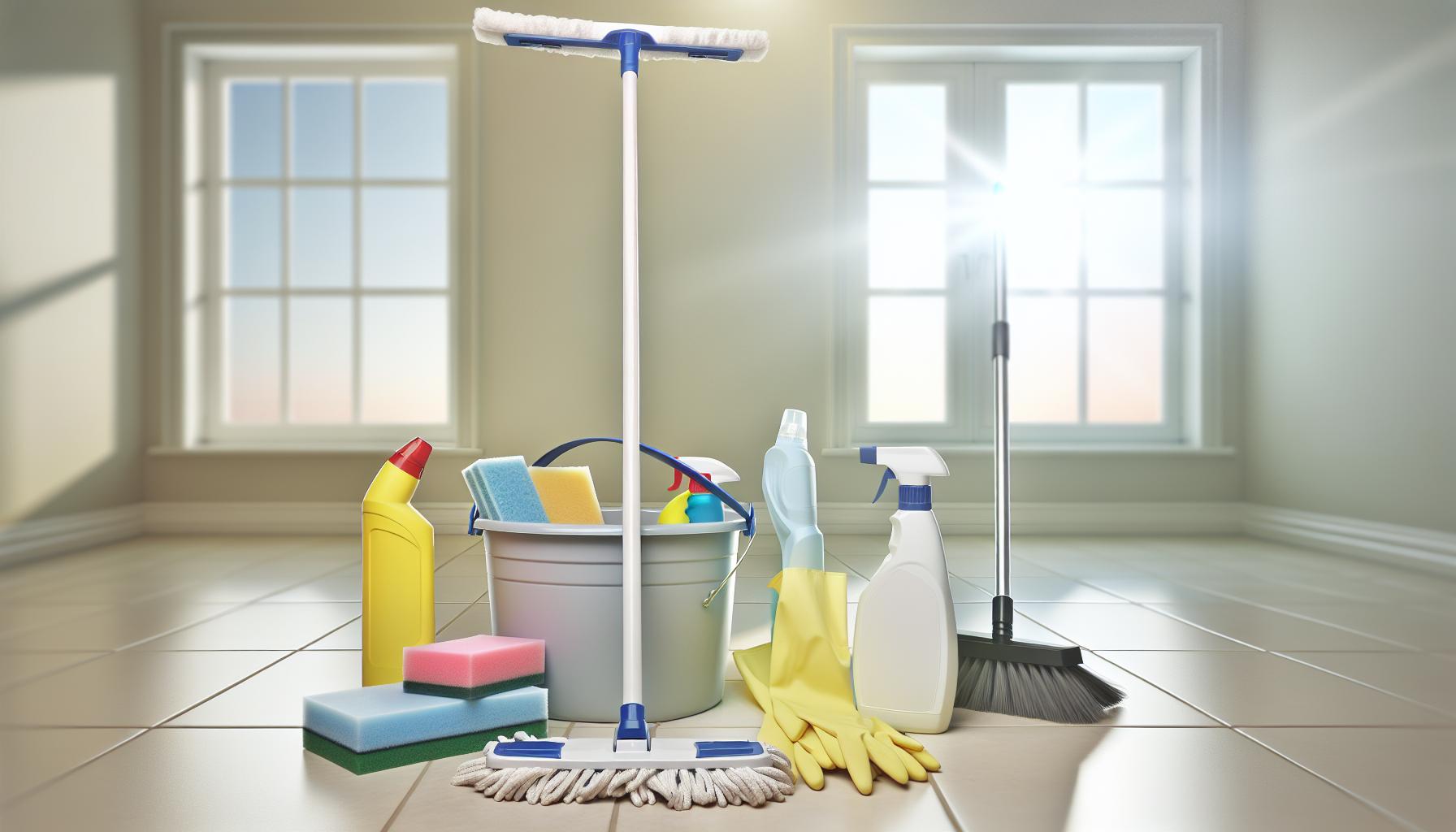
To keep your calligraphy pens performing at their best, having the right tools on hand can make all the difference. Cleaning a nib isn’t just about having water nearby; it requires a few essential items that will help you tackle any ink-related challenges with ease and efficiency.
First, a good source of water-whether cold or warm-should be your go-to. It’s crucial for rinsing out the nib after each use to prevent ink from drying and clogging the tip. Just remember, never use hot water, as it can damage the nib. Alongside water, a mild soap or dish detergent is your best friend. A gentle scrub with soap helps remove stubborn ink residue without harming your nib.
You’ll also benefit from a soft toothbrush or a dedicated cleaning brush. These tools allow you to reach into the tiny crevices of the nib and feed, ensuring thorough cleaning. If you’re dealing with dried ink, a small bowl or dish can help keep everything contained while you clean. For those persistent clogs, consider keeping a cleaning solution specifically designed for ink removal-just be cautious and check the manufacturer’s recommendations to avoid any damage.
Lastly, having a microfiber cloth on hand is essential for drying your nib. They’re gentle and effective, perfect for restoring your nib to top condition for your next calligraphy session. By stocking up with these tools, you’ll make cleaning your calligraphy pen a straightforward task, which means more time for you to unleash your creativity on paper.
Step-by-Step Guide to Cleaning Your Pen Tip
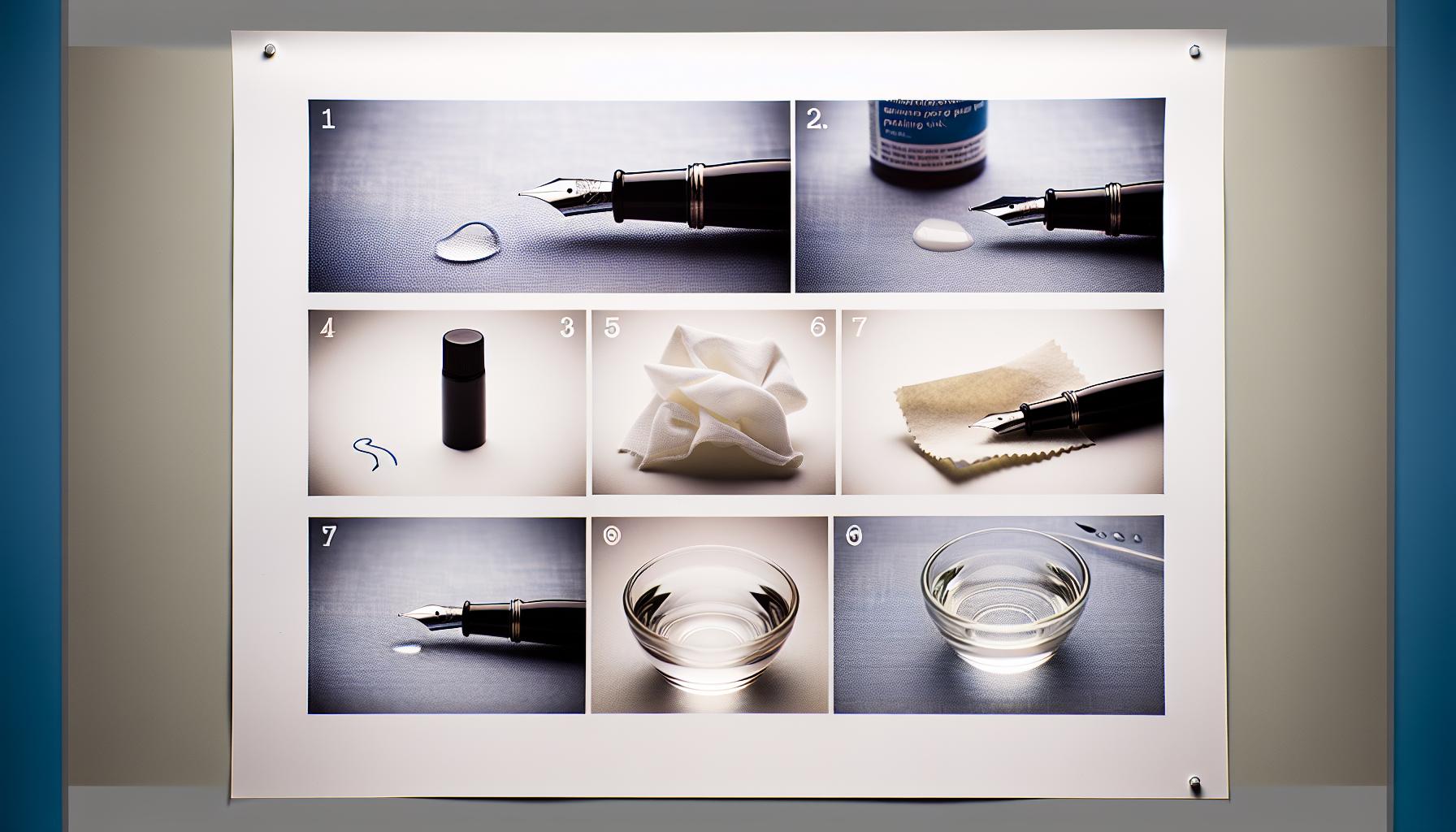
To keep your calligraphy pen performing at its best, cleaning your pen tip regularly is vital. A well-maintained nib means you can enjoy a smoother writing experience and prevent the frustration of interruptions caused by clogs. Here’s a straightforward, step-by-step guide to ensuring your pen tip is always ready for your next masterpiece.
Start by preparing your workspace and essential tools. Gather your water source (avoid hot water!), mild soap, a soft toothbrush or dedicated cleaning brush, and a microfiber cloth. Once you’re set up, it’s time to take action.
Step 1: Rinse the Nib
Gently swish your nib in a bowl or under a stream of lukewarm water, allowing the ink to loosen. Make sure that both the tip and sides of the nib are submerged. Rinse until the water runs clear, which should take just a few seconds. This initial rinse will remove most of the ink residue.
Step 2: Clean with Soap
If ink residue remains, apply a drop of mild soap to your toothbrush and gently scrub the nib. Focus on the tines and any grooves that may trap ink. Don’t press too hard; you want to clean, not damage your nib. Rinse thoroughly under running water to remove any soap remnants.
Step 3: Dry the Nib
Once your nib is clean, gently shake off excess water and use the microfiber cloth to dry it. Be sure to avoid any harsh rubbing; just blot it softly. Ensure it’s completely dry before storing it away or using it again to prevent rust or further ink clogging.
By following these simple steps, you can maintain the integrity of your calligraphy pen and keep your creativity flowing. Regular cleaning helps prevent clogs and extends the life of your nib, ensuring that it remains an essential tool in your artistic arsenal. Remember, happy nibs make for happy writing!
Best Practices for Maintaining Ink Flow
To keep ink flowing smoothly from your calligraphy pen, you need to adopt some best practices that go beyond just cleaning. A well-maintained nib is your best ally in achieving that flawless, consistent line, whether you’re creating elegant scripts or intricate illustrations.
First, always use the right ink. Different inks have varying viscosities, which can impact the flow. Water-based inks are generally easier to work with and clean. Avoid overly thick or viscous inks that could lead to clogs. If you’re experimenting, try a small batch first to see how it performs with your nib. Also, remember to regularly check and change your ink. Don’t let leftover ink sit in your pen for long periods, as it can dry out and create blockages.
Another key tip is to keep your nib well-hydrated. After cleaning, if you’re not using your pen right away, dip the nib into a bit of clean water or store it in a way that prevents the ink from drying out. When you’re ready to write again, gently squeeze a few drops of ink from the reservoir. This action helps to prime the nib and keeps the ink flowing freely.
Be mindful of your writing technique as well! Avoid pressing down too hard, which can restrict ink flow. Instead, let the pen glide over the paper, maintaining a gentle touch. Regularly clean your pen, even if it seems to be working fine. A quick rinse after each use can prevent buildup and ensure that your ink moves through the nib without hindrance.
Ultimately, it all comes down to routine care and informed choices. By integrating these practices into your workflow, you’ll maintain excellent ink flow and ensure that your calligraphy experience remains smooth and enjoyable. Happy writing!
Common Mistakes to Avoid When Cleaning
Improper cleaning techniques can wreak havoc on your calligraphy pen, leading to frustrating ink flow issues. One of the most common mistakes is relying solely on water for cleaning. While rinsing can be beneficial, it’s not always enough to dissolve stubborn ink residue, especially from pigment-based inks. Instead, consider using a gentle cleaning solution designed for nibs or fountain pens. This will help break down dried ink and restore your pen’s performance without the risk of damaging the nib.
Another pitfall is cleaning the nib too aggressively. Many beginners might feel tempted to scrub the nib with abrasive materials, thinking it will enhance cleanliness. Wrong move! This can scratch the nib and compromise its smoothness. A soft cloth or a delicate brush is all you need for effective cleaning. Treat your nib with the gentleness it deserves-after all, it’s your tool for creating exquisite art.
It’s also easy to forget the importance of drying the nib properly. After rinsing or cleaning, don’t just toss your pen aside. Failing to dry the nib can lead to moisture buildup, which may encourage rust or mold, especially if the pen isn’t used frequently. Instead, gently blot the nib with a soft cloth and allow it to air dry completely before storing or using it again.
Lastly, be mindful of what you store your pen with. If you keep your calligraphy pen alongside other art supplies in an unventilated case, it can lead to unwanted ink mixing or residual drying up. Maintain a clean, separate space where your pen can breathe, ensuring that you’re always ready for your next creative endeavor. By avoiding these common mistakes, you’ll keep your calligraphy experience enjoyable and your pen performing perfectly.
Different Cleaning Methods for Various Pen Types
Maintaining the performance of your calligraphy pen tips hinges on understanding the various cleaning methods tailored for different types of pens. Pens can range from dip pens with removable nibs to fountain pens that require specific care due to their intricate designs. Knowing how to approach cleaning for each type can save you a world of frustration and keep your writing smooth.
For dip pens, where the nib is usually removable, the cleaning process is straightforward. Remove the nib after use and gently rinse it under warm water. If stubborn ink residues are still present, a mild soap or dedicated nib cleaner can effectively dissolve them. Always avoid abrasive materials that could scratch the surface; soft toothbrushes work well for a gentle scrub. After cleaning, air dry the nib completely to prevent rusting.
When it comes to fountain pens, the cleaning method adjusts slightly. Many fountain pens allow you to flush out the ink reservoir. Start by filling the pen with water and drawing it through the nib until the water runs clear. This method helps to remove dried or stubborn ink. For deeper cleaning, especially with pigment-based inks, you might need to soak the nib section in a cleaning solution designed specifically for fountain pens. After soaking, run fresh water through the nib to wash away any residue before reassembling the pen.
Rollerball and gel pens typically don’t require the same intensive cleaning methods. If they clog up, often a simple method like gently shaking the pen or writing on scrap paper can bring the ink flow back. If you find yourself dealing with a long-standing clog, consider disassembling the pen (if possible) and cleaning the tip with warm water-just make sure it’s thoroughly dry before reassembling.
Finally, remember that each pen type has its specific quirks and characteristics. Experimenting with cleaning methods and paying attention to your tools will enhance your calligraphy experience. Keeping your pens clean is an investment in your craft, leading to greater precision and enjoyment in your writing.
How to Store Your Calligraphy Pens Properly
Storing your calligraphy pens properly is crucial for maintaining their performance and longevity. A well-stored pen not only looks good but also guarantees a smooth writing experience when you pull it out for your next project. One key rule of thumb: never leave your pens uncapped or in direct sunlight. This can dry out ink and warp the nibs over time.
For dip pens, always remove the nib when you’re done using it. Storing it separately helps prevent rust and keeps it clean. Use a soft cloth to wipe away any residual ink, then place the nib in a dedicated container-like a small pillbox or a dedicated nib holder. For pens with handles, you can roll up a small piece of soft fabric to wrap around the nib area, providing protection from dust and moisture.
Fountain pens require a bit more finesse. If you anticipate not using your fountain pen for an extended period, flush it with water to remove any ink residue before storing. Lay it flat in a padded case or a pen roll, which protects against accidental dropping and keeps the nib from being damaged. Always store fountain pens capped to avoid ink evaporation. Tip: avoid storing pens nib-down unless you’re using them regularly, as this can lead to clogging and uneven ink flow.
If you’re a fan of rollerball or gel pens, keeping them in a vertical position (cap side up) minimizes leakage and keeps the ink settled towards the tip. Using a pen organizer or a simple cup can keep them accessible and prevent rolling off your desk.
In summary, treat your calligraphy pens with care and give them a proper home. By storing them thoughtfully, you’ll minimize clogs, safeguard your ink’s consistency, and always be ready to create your next masterpiece. Your writing deserves that level of care.
The Importance of Regular Maintenance
Regular maintenance of your calligraphy pen is crucial for achieving smooth, consistent lines and prolonging the life of the instrument. Think of it this way: just like a car needs oil changes and tire rotations, your pen requires a little love and attention to perform at its best. Neglecting this simple upkeep can lead to clogged tips, uneven ink flow, and ultimately a frustrating writing experience.
One of the best practices is cleaning your pen tip after each use. Even a tiny bit of dried ink can create obstructions that disrupt your flow, making even the most intricate designs appear sloppy. Keep a small jar of clean water handy as you work. After finishing a session, simply dip your nib into the water and gently wipe it with a paper towel. This quick routine can save you from bigger headaches down the line.
Additionally, pay attention to the ink you use. Some inks are more prone to clogging than others, particularly those with thicker consistencies. If you notice issues like skipping or inconsistent ink flow, it might be time to switch to a different brand or type of ink, particularly for detailed work where precision is key. Regularly flushing your pen with clean water, especially if you switch colors or types of ink, can help maintain optimum performance and prevent any unwanted surprises mid-project.
In short, maintaining your calligraphy pen isn’t just about keeping it clean; it’s about ensuring your creative process remains uninterrupted. With just a few minutes dedicated to upkeep, you can preserve the quality of your writing instruments, making each stroke as smooth as the last.
Troubleshooting Common Ink Issues
If you’re serious about calligraphy, you know that ink issues can bring your creative flow to a grinding halt. Nothing’s more maddening than trying to produce a smooth line and discovering your pen won’t cooperate. Let’s tackle some of the most common ink troubles and how to troubleshoot them effectively.
First, skipping can be a major problem, often caused by a clogged nib. If your strokes feel uneven or the ink stops flowing, check if there’s any dried ink or debris stuck in the nib. A simple rinse in warm water can often break up those clogs. For deeper cleaning, dip a soft toothbrush in soapy water and gently scrub the nib. This will help remove anything stubborn that’s interfering with ink flow.
Another frequent headache is inconsistent ink flow, which can be caused by using the wrong ink or even the wrong paper. Inks that are too thick or have a high pigment content tend to stick in the nib, resulting in blotches or skips. If you notice that certain inks consistently cause issues, consider switching to a more fluid type that’s less prone to drying quickly in your pen. Additionally, using paper with a smoother texture can enhance the flow, reducing friction against the nib.
Sometimes, you may find your ink simply won’t flow at all. This could be a sign that the ink has dried inside the converter or feed, especially if the pen hasn’t been used in a while. Try submerging the nib in warm water for a short period, which can help rehydrate the ink. Afterward, flush the pen with clean water, and then refill it with fresh ink. Quality maintenance goes a long way; make it a habit to clean your pen regularly to avoid these frustrating stoppages.
Lastly, if troubleshooting doesn’t solve the problem, it may be time to inspect your nib for damage. Sometimes, a bent or worn nib can cause persistent issues that cleaning just won’t fix. If you notice discrepancies in the shape of the nib tines, it’s best to replace it. Careful attention to detail will keep your calligraphy practice smooth and enjoyable. Regular maintenance, including cleaning and checking for damage, will ensure that your pen tips stay in perfect working condition, ready for every creative endeavor.
When to Seek Professional Help
Sometimes, no matter how diligent you are about cleaning and maintaining your calligraphy pen, problems can persist. It might seem counterintuitive, but knowing when to hand off the responsibility to a professional can save you a lot of time and frustration. If you find yourself consistently battling ink flow issues, or if your previously reliable pen has suddenly gone rogue, it’s a clear sign that expert help is needed.
First, if you’ve tried every cleaning method-soaking, scrubbing, or using cleaning solutions-and still face issues like severe clogging or erratic ink flow, don’t hesitate to reach out to a professional. These experts have the tools and experience to diagnose problems that may not be visible to the untrained eye. For instance, a bent nib or a damaged feed can cause persistent hiccups that simple cleaning cannot resolve. A professional can often restore functionality or suggest the best course of action, whether that involves repair or replacement.
Another scenario to consider is when you’re dealing with specialty pens or inks. Not all calligraphy pens are created equal, and certain models require specific handling to avoid damage. If your pen is a vintage model or a high-end version, seeking help from someone who specializes in these types can preserve its integrity and enhance its lifespan. The right craftsman will understand the materials and mechanics better than most, ensuring your investment stays protected.
Lastly, if you’re not comfortable with the idea of DIY repairs or cleaning, or if you’re simply overwhelmed, seeking professional assistance can provide peace of mind. Sometimes, handling delicate tools like calligraphy pens can lead to further issues, especially if you inadvertently apply too much pressure or use inappropriate cleaning methods. Professionals can manage these tasks efficiently, ensuring your pen is treated with the care it deserves.
In short, trust your instincts. If cleaning becomes a chore rather than a creative outlet, or if you feel uncertain about handling intricate repairs, it’s perfectly acceptable-and often beneficial-to seek professional aid. Your calligraphy deserves the best, and a little expert help can go a long way in maintaining its beauty and functionality.
Cleaning Solutions: What to Use and What to Avoid
To keep your calligraphy pen performing at its best, selecting the right cleaning solutions is crucial. Many common household items can be effective, but some should be avoided to prevent damage. Here’s what to use and what to steer clear of when cleaning your pen tips.
First, stick with simple, gentle solutions that won’t harm your pen’s materials. Water is the most basic and safe option; warm water is even better if you’re dealing with dried ink. Just swish your nib in it and wipe dry with a soft cloth. For stubborn ink, mild soap can be added to the warm water. Avoid anything abrasive or overly harsh, as these can scratch the nib and damage the finish.
Cleaning Agents to Use
- Warm Water: Effective for most inks, especially water-based ones.
- Mild Dish Soap: Cuts through dried ink without harming the nib.
- Specialized Pen Cleaners: Designed specifically for calligraphy and fountain pens, these can tackle tough clogs.
Now, let’s discuss the cleaning solutions to avoid. Steer clear of any products with alcohol or strong solvents, which can degrade the nib’s material and degrade the ink flow over time. Household cleaners like bleach or ammonia can be particularly damaging and should never come into contact with your pen. Additionally, while it might be tempting to use tap water directly from the faucet, let it sit for a while before cleaning, as chlorinated water can also negatively affect your pen.
Cleaning Agents to Avoid
- Alcohol: Can corrode and dry out materials.
- Strong Solvents (like acetone): Detrimental to the nib and ink feed.
- Household Cleaners: Harsh chemicals can cause irreparable damage.
Using the right cleaning solutions not only enhances your pen’s performance but also extends its lifespan. If you’re ever in doubt, remember that simplicity often prevails. A gentle approach goes a long way in maintaining the integrity of your treasured calligraphy tools.
Q&A
Q: What are the best cleaning solutions for calligraphy pen tips?
A: The best cleaning solutions for calligraphy pen tips include warm water, vinegar, or specialized ink cleaners. Avoid using harsh chemicals that can damage the nib. For stuck ink, let the nib soak in these solutions for a few minutes, then gently wipe it clean. For more detailed cleaning methods, see the section on *Cleaning Solutions: What to Use and What to Avoid*.
Q: How often should I clean my calligraphy pen tip?
A: You should clean your calligraphy pen tip after every use, especially if you’ve switched ink colors. Regular cleaning prevents clogging and ensures optimal performance. Refer to the section on *Best Practices for Maintaining Ink Flow* for tips on keeping your pen in great shape.
Q: Why do calligraphy pen tips get clogged?
A: Calligraphy pen tips get clogged due to dried ink buildup, especially if the pen is not cleaned after each use. Inks with high pigment content are particularly prone to causing clogs. For more information on identifying clogs, check the *How to Identify Clogged Calligraphy Pen Tips* section.
Q: Can I use alcohol to clean my calligraphy pen tip?
A: Yes, you can use isopropyl alcohol to clean your calligraphy pen tip, though it may not be suitable for all types of ink. Alcohol effectively dissolves ink but can dry out some nib materials. For a safer option, opt for warm water or specific ink cleaners. See *Common Mistakes to Avoid When Cleaning* for further insights.
Q: What should I do if my pen still skips after cleaning?
A: If your pen still skips after cleaning, check for damage to the nib or a blocked feed. Adjusting the nib’s alignment and ensuring ink flow through the feed can also help. If issues persist, consult the *Troubleshooting Common Ink Issues* section for more strategies.
Q: How do I store my calligraphy pens after cleaning?
A: After cleaning, store your calligraphy pens horizontally or upright with the nib pointing up. This prevents ink from pooling in one area and ensures even ink flow. For more detailed storage tips, refer to the *How to Store Your Calligraphy Pens Properly* section.
Q: Why is regular maintenance important for calligraphy pens?
A: Regular maintenance is crucial for calligraphy pens as it enhances their performance and longevity. Proper cleaning and storage reduce the risk of ink clogs, extend the life of the nib, and improve overall writing quality. Check out *The Importance of Regular Maintenance* for more insights.
Q: What are the common cleaning mistakes to avoid?
A: Common mistakes when cleaning calligraphy pens include using abrasive materials, not drying the pen properly, and failing to clean after every use. These oversights can lead to clogs and damage. For a complete list of mistakes to avoid, see the *Common Mistakes to Avoid When Cleaning* section.
Insights and Conclusions
Thanks for joining me on this journey to keep your calligraphy pen tip in top shape! By now, you should feel confident in your ability to maintain perfect performance and extend the life of your tools. Don’t let a dirty pen hold back your creativity-grab your cleaning supplies and get started now!
If you’re eager to refine your skills further, check out our guides on choosing the right ink or mastering different calligraphy techniques. And if you’re looking for personalized tips, consider signing up for our newsletter to receive exclusive insights right to your inbox!
Got questions or tips of your own? Drop a comment below, and let’s keep the conversation going! Remember, a well-maintained pen opens the door to flawless creations-so take action today and elevate your calligraphy game!