
Calligraphy is more than just beautiful handwriting; it’s an art that allows you to express your personality and creativity. Choosing the right pen can make all the difference in your journey, whether you’re a beginner eager to dive in or an experienced artist looking to refine your skills. With so many options out there, it’s easy to feel overwhelmed. But don’t worry-finding your perfect match isn’t just about style; it’s about comfort and ease of use too. In this guide, we’ll break down the various types of calligraphy pens available, helping you discover the one that best suits your needs and unlocks your artistic potential. Ready to transform your handwriting into stunning works of art? Let’s explore!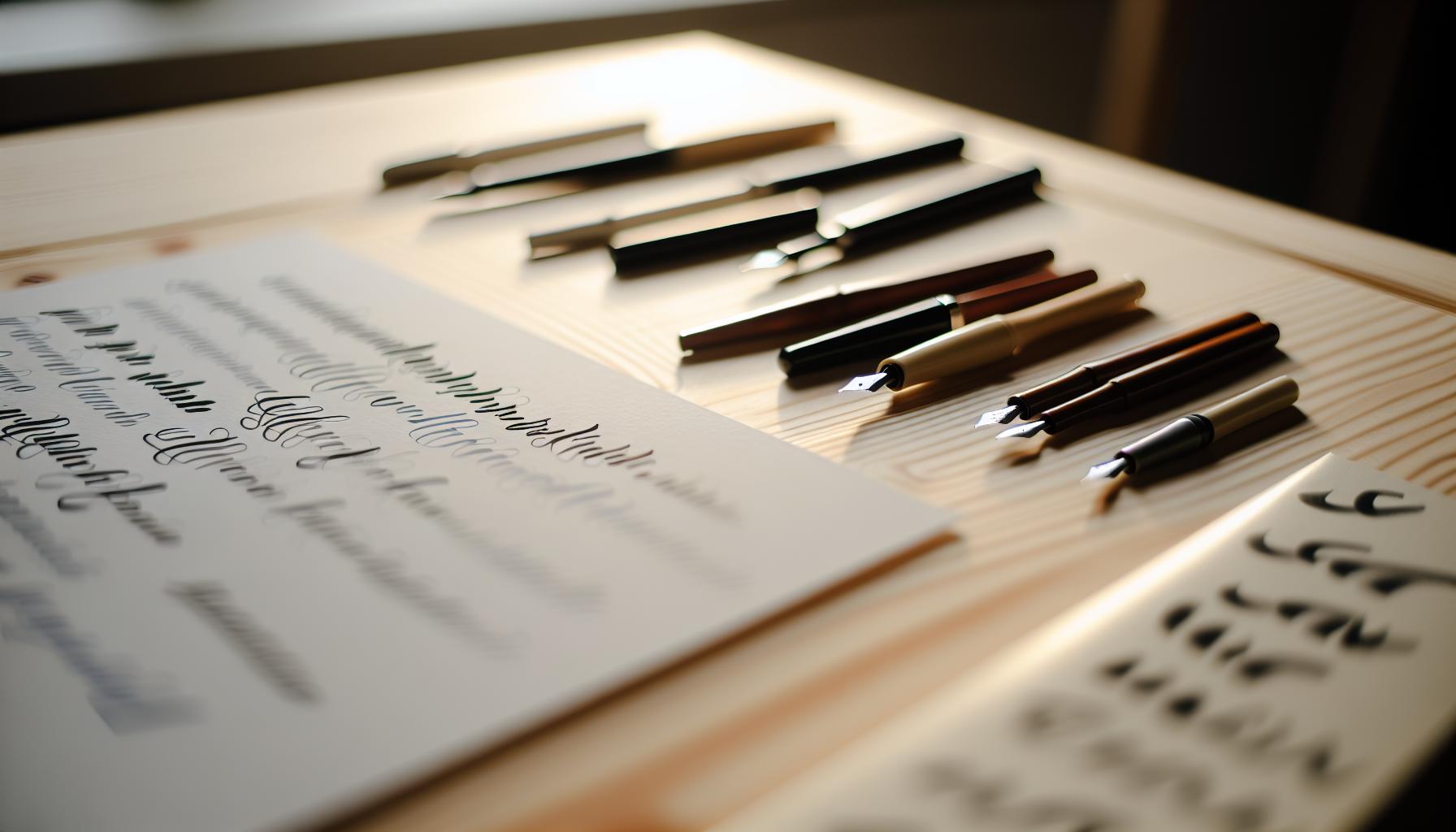
Types of Pens for Calligraphy: Which One’s Right for You?
When diving into the world of calligraphy, choosing the right pen can be both exciting and overwhelming. Each type of pen brings its own unique flair to your writing. Understanding the distinctions can help you select a tool that aligns perfectly with your artistic vision.
Fountain pens are a popular choice for many calligraphers. They offer smooth ink flow and flexibility, making them ideal for creating expressive lines. With various nib sizes available, you can customize your strokes and achieve beautiful calligraphic styles. However, they require some maintenance, like cleaning and proper ink storage.
On the other hand, brush pens offer a different experience. They’re like a paintbrush in a pen form, allowing for a wide range of strokes and styles. Brush pens are versatile and fantastic for modern calligraphy, as they enable you to create both fine and bold lines with ease. They’re also more portable and generally require less upkeep than fountain pens, making them a convenient choice for on-the-go writing.
Dip pens are a traditional option, famed for their precision and control. They consist of a nib that you dip into ink, allowing for a flexible approach to line thickness. While they can feel more nostalgic and artistic, they also require some practice to master, especially when it comes to maintaining consistent ink flow.
Ultimately, the best pen for you depends on your style and needs. Whether you prefer the smooth glide of fountain pens, the versatile strokes of brush pens, or the precision of dip pens, each type can enhance your calligraphy journey. Experiment with different options to see what resonates with your creative expression and enjoy the process of finding your perfect match!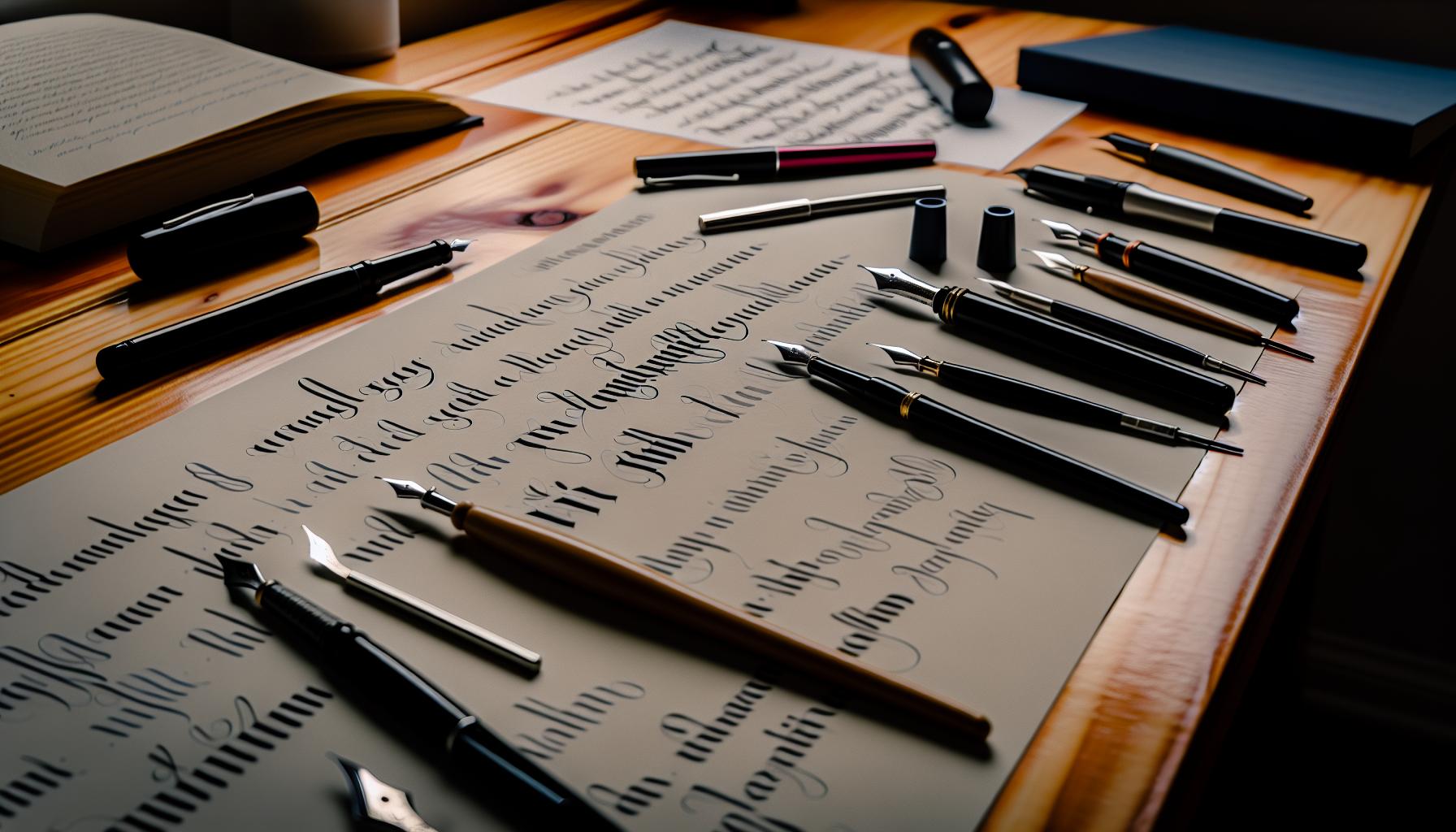
Differences Between Fountain Pens and Brush Pens
When it comes to choosing between fountain pens and brush pens for calligraphy, understanding their distinct characteristics can significantly influence your writing experience. Both options offer unique benefits, but they cater to different styles and preferences. If you’re after precision and a classic feel, fountain pens are your best bet. They glide smoothly across the page, thanks to their ink reservoirs and various nib sizes, allowing you to produce everything from fine lines to broader strokes. Many calligraphers love the control a fountain pen offers, especially for traditional scripts where consistency is key.
On the flip side, if you’re looking for versatility and a more contemporary approach, brush pens could be the tool you need. Mimicking the dynamic qualities of a paintbrush, these pens allow you to create fluid, expressive lines with ease. They are perfect for modern calligraphy styles, enabling you to vary the thickness of your strokes simply by adjusting the pressure you apply. Moreover, brush pens are typically more portable and user-friendly, requiring less maintenance since you don’t need to refill them with ink as often as you would with fountain pens.
Ultimately, your choice might come down to what you find more enjoyable. Do you prefer the smooth, controlled lines made by a fountain pen, or the expressive, artistic strokes you can achieve with a brush pen? Each one brings a different flavor to your calligraphy practice, so don’t hesitate to try both and see which feels right in your hand.
Discover the Best Calligraphy Pens for Beginners
Finding the right calligraphy pen can feel overwhelming, especially for newcomers eager to dive into this beautiful art form. With a plethora of options available, it’s crucial to select a pen that matches your skill level and style. For beginners, the ideal calligraphy pen should balance ease of use with the ability to produce stunning results.
Start with fountain pens if you’re inclined towards traditional calligraphy. They often come with interchangeable nibs, allowing you to experiment with different widths and styles. Pens like the Kaweco Sport calligraphy set are great for newbies, offering nib sizes ranging from 1.1mm to 2.3mm, which provides a solid foundation for mastering various scripts [[2](https://www.fahrneyspens.com/ItemList–Calligraphy-Pens–m-780)]. The smooth flow of ink promotes fluid writing, crucial for developing your technique.
Alternatively, brush pens are fantastic for those who lean towards a more modern approach. They combine the benefits of a brush and a pen, enabling you to create expressive strokes without the steep learning curve of traditional dip pens. These pens can easily adapt to your pressure, allowing for a dynamic range of thickness in your letters. A few popular choices for beginners include the Tombow Fudenosuke and the Pentel Touch. They require minimal maintenance and are perfect for practicing styles like modern calligraphy that prioritize flexibility and expression.
Here’s a simple guide to getting started:
- Test a few pens: Don’t settle for the first one you try. Visit a local art store if possible and test different pens to see what feels comfortable.
- Start with basic nib sizes: As a beginner, focus on medium nibs (around 1.0-1.5mm for fountain pens) or flexible brush tips for versatility.
- Consider ink type: Use water-based inks for brush pens and consider cartridge ink for fountain pens to start.
Ultimately, the best calligraphy pen is one that inspires you to practice. It’s about finding something that feels right in your hand and supports your journey into calligraphy. So, experiment, write, and enjoy the process!
Advanced Calligraphy Tools: Pens for Professionals
When you reach a professional level in calligraphy, the tools you use become essential to your style and precision. Unlike beginner pens, advanced calligraphy tools open up a world of possibilities-these pens can elevate your work from good to outstanding. Professionals often rely on a variety of high-quality pens and specialized equipment to achieve intricate designs and beautiful lettering.
Fountain pens are a favorite among seasoned calligraphers for their versatility and smooth ink flow. Look for nibs that allow you to switch between sizes easily-this flexibility lets you tackle everything from formal scripts to creative flourishes. Brands like Kaweco and Pilot offer excellent options, with interchangeable nibs that are perfect for experimenting with different techniques. Additionally, specialized calligraphy fountain pens may feature unique nib shapes designed specifically for italic or broad strokes, allowing for a cleaner, more authentic finish.
For those who appreciate the art of broad-edge calligraphy, dip pens are non-negotiable. These pens allow you to apply more pressure, producing thick downstrokes and thin upstrokes, essential for traditional scripts such as Copperplate and Gothic. While the learning curve may be steeper, once you master the technique, your lettering can achieve incredible detail and expression. Pairing a good dip pen with various nibs gives you unparalleled control of line variation. Remember, the quality of your nibs matters-a worn or subpar nib can ruin an otherwise perfect piece.
Additionally, brush pens continue to be popular among professionals, especially for modern calligraphy styles. They offer a unique ability to adapt to pressure changes, which can create stunning, fluid effects without requiring the setup and cleanup of traditional inks. Look for brush pens that mimic real brush strokes for a more authentic touch. Popular brands include Tombow and Pentel, known for their consistent performance and durability.
When choosing advanced tools, consider your specific needs. Are you focusing on precision lettering, contemporary styles, or perhaps traditional scripts? Your choice of pen can significantly impact your final piece. Don’t hesitate to invest in quality tools; they are the foundation upon which your skills can flourish. Each time you put pen to paper, remember-it’s not just about the ink but also about connecting your heart and hands through the art of calligraphy.
How to Choose the Perfect Calligraphy Pen
Choosing the right calligraphy pen can feel overwhelming, especially with the myriad of options available today. But getting it right is crucial, as the pen is more than just a tool-it’s an extension of your creativity. Different pens serve different styles and purposes, so let’s break down the key factors that will help you find your perfect match.
First, consider the type of calligraphy you want to practice. Are you drawn to the traditional elegance of Copperplate, or do you prefer the modern flair of brush lettering? For ornate scripts, fountain pens with flexible nibs may be your best bet; they allow for variation in line thickness, adding that classic touch. If you’re leaning towards the contemporary style, brush pens provide a level of versatility that lets you produce beautiful strokes with ease and finesse. Brands like Tombow and Pentel are popular for their quality and smooth flow.
Next, think about your skill level and comfort with different tools. If you’re just getting started, you might want to try dual-tip calligraphy markers that combine brush and chisel tips, making it easier to experiment without the fuss of ink and nibs. These are particularly forgiving for beginners and can offer a feel for letterforms before diving into more advanced tools like dip pens, which require more control and technique to master.
Don’t overlook the nib size and shape too. For example, a broad-edge nib is essential for traditional styles, whereas pointed nibs work wonders for finer details and modern scripts. It’s also worth trying out interchangeable nib holders if you’re serious about your practice, as they let you switch nibs based on your creative needs.
Lastly, remember that the right ink plays a significant role too. You’ll want to select inks that complement your pen choice. Some inks work better with certain nib shapes, and it’s crucial to find a combination that flows well without clogging or skipping.
In summary, the perfect calligraphy pen aligns with your style, skill level, and the specific techniques you aspire to learn. Trust your instincts and don’t hesitate to try out several types until you find what feels right in your hand. After all, the journey into calligraphy is as much about the tools you choose as it is about the art you create. Happy lettering!
Top Brands of Calligraphy Pens to Consider
When you’re diving into the world of calligraphy, choosing the right pen can significantly enhance your experience and outcome. Thankfully, there’s no shortage of brands that cater specifically to calligraphers, each offering unique features and tools to help you find your perfect match. Here are some of the top brands worth considering.
Tombow
Tombow is a favorite among both beginners and seasoned calligraphers. Their dual brush pens are particularly popular because they offer a fine tip on one end and a brush tip on the other. This allows for flexibility in design and stroke techniques, making them perfect for experimenting with different styles. The smooth ink flow and vibrant colors will inspire you to create every time you pick one up.
Pentel
Another well-respected name in the calligraphy market is Pentel. Known for their high-quality brush pens, Pentel provides options with varying brush sizes, allowing for a range of line thicknesses. Their Pocket Brush Pen is a must-try as it gives you the precision needed for intricate designs while being lightweight and portable.
Speedball is renowned for their traditional dip pens and nibs. If you’re interested in mastering classic calligraphy styles, Speedball’s comprehensive sets come equipped with various nib sizes and styles, ideal for formal scripts like Copperplate or Spencerian. They also offer ink that flows smoothly, allowing for the cleanest of lines.
Pilot
Pilot’s lineup includes their popular Parallel Pens, which are great for beginners and experts alike. These pens come with interchangeable nibs and are particularly praised for their ability to produce crisp strokes with ease. They also work well with a variety of inks, making them a versatile option for different styles.
Manuscript
For those seeking a bit of luxury, Manuscript pens are crafted with both aesthetics and functionality in mind. Their calligraphy sets often come with beautifully designed fountain pens and a selection of nibs, providing an elevated experience that’s perfect for professional work or special projects.
By exploring these brands, you’ll gain insight into their unique offerings tailored to meet your calligraphy needs. Each brand has its strengths, so consider trying a few to see which pens feel best in your hand. Remember, the ultimate goal is to find the tools that encourage your creativity and help you develop your own calligraphy style.
Maintenance Tips for Your Calligraphy Pens
Taking care of your calligraphy pens is just as important as choosing the right ones. Proper maintenance not only prolongs the life of your pens but also ensures that your writing remains consistent and pristine. Regular cleaning routines can prevent clogging and staining, which are common pain points for many calligraphers. Whether you’re using fountain pens, brush pens, or dip pens, here are some practical tips to keep your tools in top shape.
For fountain pens, flush them regularly. Always use clean water to rinse the nib and feed. After a session, a quick rinse can save you from dried ink buildup. If you’re switching ink colors, a thorough cleaning with a pen flush solution can help transition smoothly between hues without muddying your results.
When it comes to brush pens, avoid letting the tips dry out as they are often made from sensitive fibers. Store them horizontally to prevent ink from pooling, and always cap them tightly after use. If you notice fraying on the tips, it’s a sign they need replacing. Keeping an extra on hand can save your project in a pinch.
For dip pens and nibs, clean them immediately after use. Dipping them in water and gently wiping the nib will help maintain its quality. Be cautious with abrasive materials, as they can scratch the nib surface. And remember, don’t soak your nibs in water; excessive moisture can cause rust.
Ultimately, good pen maintenance is about forming habits that protect your investment. Regular cleaning and proper storage can make all the difference in achieving beautiful, smooth strokes every time you sit down to write.
Calligraphy Pen Techniques: Get Started Today
Starting your calligraphy journey can feel like stepping into a world of possibilities, where each stroke of your pen expresses your unique style. But before diving in, it’s essential to understand the techniques that will help you grasp the fundamentals and enhance your skills. Whether you’re holding a fountain pen, brush pen, or dip pen, mastering the basics will set you on the path to creating beautiful letterforms.
One foundational technique is the pressure control method. This involves varying the pressure you apply to the pen to create contrast between thick and thin lines. For instance, when drawing downstrokes, apply more pressure to achieve a bolder look. Conversely, lighten your grip on upstrokes for delicate lines. This contrast adds a dynamic quality to your lettering that captivates the eye.
Another critical technique is practicing consistent spacing. As you form letters, maintaining equal spacing between them is key to achieving a balanced appearance. Try using lined paper or a grid to guide your layout, ensuring uniformity in your work. Additionally, focus on mastering basic strokes before jumping into full alphabets. Practice strokes like loops, ovals, and straight lines, gradually building your confidence as you transition to constructing letters.
Don’t overlook the importance of posture and grip. How you hold your pen can significantly affect your control and the outcome of your writing. Experiment with different grips until you find one that feels comfortable yet provides enough stability for precision. Sitting at a proper angle also aids in fluid motion, so adjust your position to keep the ink flowing smoothly.
Lastly, immerse yourself in the community of calligraphers. Share your progress, seek feedback, and learn from others. Platforms like Instagram or local workshops can be invaluable for gaining insights and inspiration. Remember, every expert was once a beginner, so embrace the learning curve and enjoy the process! Your calligraphy journey is not just about the destination; it’s about discovering your artistic voice.
Exploring Nib Sizes: What You Need to Know
Exploring nib sizes is essential for any aspiring calligrapher. The size of the nib you choose can dramatically impact the look and feel of your writing, so understanding the differences is key to achieving your desired effect. Nibs typically range from fine to broad, and each width creates different styles of strokes, allowing you to experiment and find what suits your aesthetic best.
For beginners, a medium nib (around 1.0mm) is a great starting point. It offers a good balance between control and expressive line quality. As you gain confidence, consider branching out into broader nibs like 1.5mm or 2.0mm. These wider nibs create stunning thick and thin contrast, which is crucial for most calligraphy styles. For intricate work or small text, fine nibs (0.5mm or less) can provide precision but will require more skill to maintain flow and consistency.
Understanding Nib Types
Nib types are also worth noting. Here’s a quick overview:
- Round Nibs: Great for classic styles like Copperplate; they create soft curves.
- Flat Nibs: Ideal for broad-edged lettering, producing vibrant, bold lines.
- Flexible Nibs: Allow for dynamic pressure changes, yielding exciting variations in line thickness.
Experimenting with different nibs can also shape your calligraphic voice. As you try various sizes and types, pay attention to how they affect your writing style and the overall feel of your pieces. You might find that a softer, more flexible nib allows you to flow effortlessly while a firmer nib gives you precise control. The key is to practice regularly with each to discover their strengths and weaknesses.
Remember, there’s no one-size-fits-all with nib sizes. Take your time to learn how each one feels in your hand and what it produces on paper. As you develop your unique style, you’ll find the nib sizes that best express your artistic vision. With practice, your relationship with your nibs will evolve, leading to richer and more fulfilling calligraphy experiences.
Inks for Calligraphy: Choosing the Right Match
When it comes to calligraphy, the ink you choose can make all the difference. A well-matched ink enhances the flow of your pen, produces vibrant colors, and elevates the overall aesthetic of your work. Whether you prefer the smooth glide of traditional fountain pen ink or the bold lines created by brush pens, it’s crucial to select the right type for your needs.
First off, you need to consider the medium. For fountain pens, look for specialized calligraphy inks that have a smooth flow and good saturation. These inks prevent clogging and maintain vibrant color without feathering on your paper. Brands like Higgins and Sumi ink offer great options that lay down well and dry at a reasonable pace. If you’re using brush pens, you might prefer water-based inks, which allow for fluid strokes and can blend easily when wet-perfect for creating softer effects.
Another important aspect is the ink’s viscosity and drying time. Inks that are too thick can cause skipping or uneven lines, while ones that dry too quickly may not offer the time you need to create those beautiful sweeping motions. A handy tip? Test a few brands to see which ones work best with your pens and style. Don’t hesitate to use practice sheets until you find that sweet spot.
Lastly, remember that different projects may call for different inks. For example, if you’re working on a piece meant to withstand the elements, opt for waterproof or permanent inks. For a more delicate project, lighter, non-permanent inks may do the trick. Always keep a variety of inks handy for versatility-trust me, your calligraphy will shine when you find the perfect match!
Comparing Budget vs. Premium Calligraphy Pens
When you embark on your calligraphy journey, one of the first decisions you’ll face is whether to invest in budget or premium pens. This choice can significantly impact your experience and results. Budget pens are often a great entry point for beginners. They generally offer decent quality for the price, helping you get a feel for different styles and techniques without breaking the bank. Many are designed for ease of use, which is perfect when you’re starting out and needing to practice without fear of wasting expensive supplies. For instance, you can find affordable calligraphy sets that come with multiple nibs and a variety of inks, allowing you to experiment with different styles without significant financial commitment.
Conversely, premium pens can elevate your calligraphy game. They often feature superior build quality, more precise nibs, and better ink flow, which can lead to more satisfying and consistent results. When you use a high-quality pen, you tend to notice the subtleties in your strokes and the way the ink behaves on the page. This sensitive feedback can inspire greater creativity and improved technique. Many well-respected brands offer premium options that cater to both hobbyists and professionals, providing everything from elegant fountain pens with interchangeable nibs to handcrafted brush pens that enable intricate designs.
In comparing the two, consider the following factors:
- Cost: Budget pens typically range from $10 to $30, while premium pens can go from $50 up to several hundred dollars.
- Durability: Premium pens often last longer with proper care, while budget options might need replacement more frequently.
- Performance: The smoother ink flow and finely crafted nibs of premium pens can provide a superior writing experience, reducing strain and enhancing creativity.
- Customization: Premium pens frequently offer a wider range of nib sizes and styles, letting you tailor your tools to your specific needs.
Ultimately, your choice should align with your goals in calligraphy. If you’re just starting out, a budget pen is a low-risk way to learn. As your skills develop, exploring premium options can provide the tools you need to refine your craft and express your unique style. Don’t shy away from trying both categories; your writing journey will help you determine what truly suits your needs!
Join the Calligraphy Community: Sharing Your Journey
When you step into the world of calligraphy, you’re not just picking up a pen; you’re joining a vibrant community bursting with creativity, support, and shared passion. Connecting with fellow calligraphy enthusiasts can offer you inspiration and invaluable insights as you navigate your journey-whether you’re a beginner exploring the basics or an advanced artist perfecting your skills. Engaging with others can help you refine your technique, discover new styles, and even learn about the tools that can enhance your work.
Start by diving into online forums and social media groups dedicated to calligraphy. Platforms like Instagram and Facebook have communities where you can showcase your work, exchange tips, and ask questions. For instance, Instagram is a treasure trove of beautiful calligraphy photos and practical tutorials. Don’t be shy-post your progress and ask for feedback! Many artists are eager to share their experiences and offer constructive criticism, which can be incredibly beneficial as you develop your art.
You might also want to consider joining local workshops or classes. These hands-on experiences allow you to meet other calligraphers in person, learn from skilled instructors, and practice together. Collaborating with peers can introduce you to new techniques, materials, and styles that you might not have encountered on your own. Plus, local meet-ups often lead to lasting friendships, making your calligraphy journey even more rewarding.
Lastly, don’t underestimate the power of sharing your journey. Document your progress, challenges, and triumphs. Blog about your experiences or start a YouTube channel to reach a wider audience. By sharing your story, you might inspire others to begin their own calligraphy adventure. Remember, every artist was once a beginner, and your journey could be the encouragement someone else needs to pick up a pen and start creating.
FAQ
Q: What are the best calligraphy pens for beginners?
A: The best calligraphy pens for beginners include fountain pens with flexible nibs and brush pens for their ease of use. Starter sets like the Tombow Fudenosuke or Pilot Parallel Pen offer versatility. Explore our section on Discover the Best Calligraphy Pens for Beginners for more details.
Q: How do I choose the right calligraphy pen for my style?
A: Choosing the right calligraphy pen depends on your desired style. For precise scripts, use a fountain pen with a fine nib. If you prefer expressive strokes, opt for a brush pen. Consult the How to Choose the Perfect Calligraphy Pen section for personalized tips.
Q: Can I use regular ink for calligraphy pens?
A: Using regular ink can damage calligraphy pens, particularly fountain types. Stick to nibs and inks designed specifically for calligraphy to ensure smooth flow and avoid clogging. For ink recommendations, check our section on Inks for Calligraphy.
Q: What maintenance tips should I follow for calligraphy pens?
A: To maintain your calligraphy pens, clean them regularly, store them upright, and avoid letting ink dry inside. Proper care includes using the right cleaning tools and techniques, detailed in our Maintenance Tips for Your Calligraphy Pens section.
Q: Are nib sizes important in calligraphy?
A: Yes, nib sizes are crucial as they affect stroke thickness and line variation. For detailed work, use finer nibs, while broader nibs are great for dramatic scripts. Dive into Exploring Nib Sizes: What You Need to Know for more insights.
Q: How do I troubleshoot my calligraphy pen if it skips?
A: If your calligraphy pen skips, check for dried ink or a clogged nib. Clean the nib and make sure the ink is flowing freely. For persistent issues, refer to our Calligraphy Pen Techniques: Get Started Today guide for troubleshooting tips.
Q: What are some common mistakes to avoid in calligraphy?
A: Common mistakes include using the wrong paper, poor grip, and inconsistent pressure. Practice regularly and focus on your posture. Our Calligraphy Techniques section can help you with tips to improve your practice.
Q: Can I combine different types of calligraphy pens?
A: Yes, combining different types of calligraphy pens can enhance your work. For example, mixing brush pens with fountain pens can add depth and variety to your designs. Explore blending techniques in our article for creative ideas.
The Conclusion
Now that you’ve discovered how to choose the perfect pen for your calligraphy journey, why not put that knowledge into action? Whether it’s a pointed pen or a brush pen, finding your match can transform your writing. Don’t hesitate! Grab your ideal tool and start practicing-your beautifully crafted letters are just a stroke away!
If you’re eager to dive deeper, check out our guides on “Calligraphy Techniques for Beginners” and “Top Supplies Every Calligrapher Needs.” They’ll unlock even more tips and resources to elevate your skills. And remember, we’d love to hear your thoughts-what pen are you excited to try? Share your experiences or questions in the comments below!
Stay engaged with us by signing up for our newsletter, where you’ll get exclusive insights and inspiration directly in your inbox. Your calligraphy adventure is just beginning, and there’s so much more to explore. Let’s make those stunning letters come to life together!