
Calligraphy isn’t just an art; it’s a way to express your creativity and elevate your handwriting. Choosing the right pen is essential, as it can make or break your experience. From traditional dip pens that let you explore classic techniques to modern brush pens that offer versatility and ease, each option has its unique charm and purpose. If you’re wondering which tools will best suit your style, you’re in the right place. In this guide, we’ll dive into various calligraphy pens and help you discover which ones fit your artistic journey. Whether you’re a beginner eager to learn or an experienced calligrapher looking to expand your toolkit, the right pen can unlock your potential and bring your designs to life. Ready to explore? Let’s get started!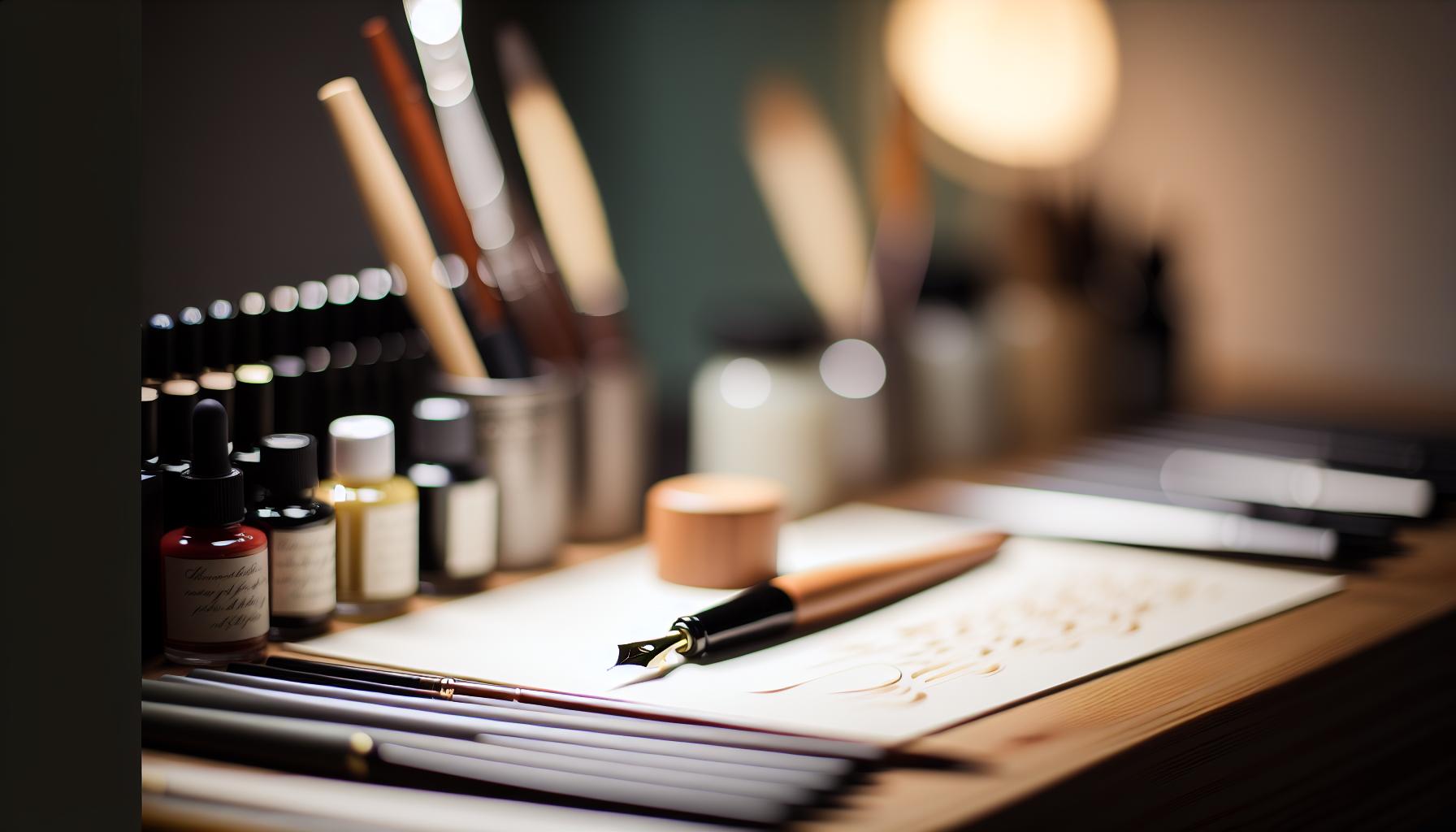
Which Calligraphy Pens Are Best for Beginners?
Starting your journey in calligraphy can be exhilarating yet a bit daunting, particularly when it comes to choosing the right pens. For beginners, the best calligraphy pens strike a balance between ease of use and versatility. Fountain pens and broad-edged pens are often recommended due to their approachable design and ability to create different styles without needing an extensive array of tools.
One standout option for those just diving into the world of calligraphy is the Pilot Parallel Calligraphy Pen. It comes in various nib sizes-each suited for different letter styles-making it perfect for experimentation. For instance, the 2.4 mm nib is excellent for beginners, offering a wider stroke that helps in developing consistent lettering without overwhelming complexity. Meanwhile, the 1.5 mm pen offers a slightly finer line for those ready to refine their technique. Each nib is user-friendly, and the pen itself is easy to handle, which is crucial when you’re just starting out.
If you’re leaning towards pointed nib pens, consider starter sets that typically include a holder, a selection of nibs, and bottled ink or cartridges. These are excellent for learning cursive styles and flourish techniques. Brands like Speedball and Brause have great options that are affordable and widely available. Compared to traditional dip pens, which can be challenging for beginners due to the need to constantly dip in ink and control pressure, fountain pens offer a more consistent ink flow and less mess.
When selecting your first calligraphy pen, you might also think about how the pen feels in your hand. Comfort will encourage longer practice sessions, which are key to mastering calligraphy. Experimenting with different types-be it brush pens for modern styles or classic dip pens for traditional forms-will enhance your learning experience. In short, the right calligraphy pen for beginners is one that not only fits your hand well but also inspires you to practice and develop your unique writing style.
Exploring Traditional Calligraphy Pens
When diving into the world of calligraphy, traditional pens hold a special place, offering a classic feel that connects you to centuries of artistry. These pens include broad-edged nibs and pointed nibs, each providing unique characteristics and enabling different styles. With just a few tools in hand, you can unlock a vast array of techniques and expressions.
Broad-edged pens, often associated with historical calligraphy styles, feature a flat nib that allows for thick and thin lines depending on the angle at which you hold them. They’re excellent for learning foundational scripts like Copperplate or Gothic. A popular choice among beginners is the Pilot Parallel Calligraphy Pen, which comes in various widths. This pen is especially forgiving, allowing you to achieve beautiful results without the mess of traditional dip pens. Its design promotes a consistent ink flow, ideal for those still mastering their grip and pressure control.
On the other hand, pointed nib pens offer a softer, more delicate touch, perfect for cursive scripts and modern calligraphy styles. These pens typically require a bit more finesse, but the beauty of pointed nib work lies in its flourishes and varied stroke widths. Opting for a starter set that includes a nib holder and a selection of nibs-like those from Speedball or Brause-can be a great way to experiment with different techniques without a hefty investment.
As you explore these traditional tools, remember that comfort is key. Find a pen that feels natural in your hand; this will encourage longer practice sessions, essential for honing your skills. The tactile experience of using these pens not only enhances your writing ability but also deepens your appreciation for the art of calligraphy. Embracing traditional calligraphy pens is about more than just technique; it’s about creating a tangible connection with a rich artistic history.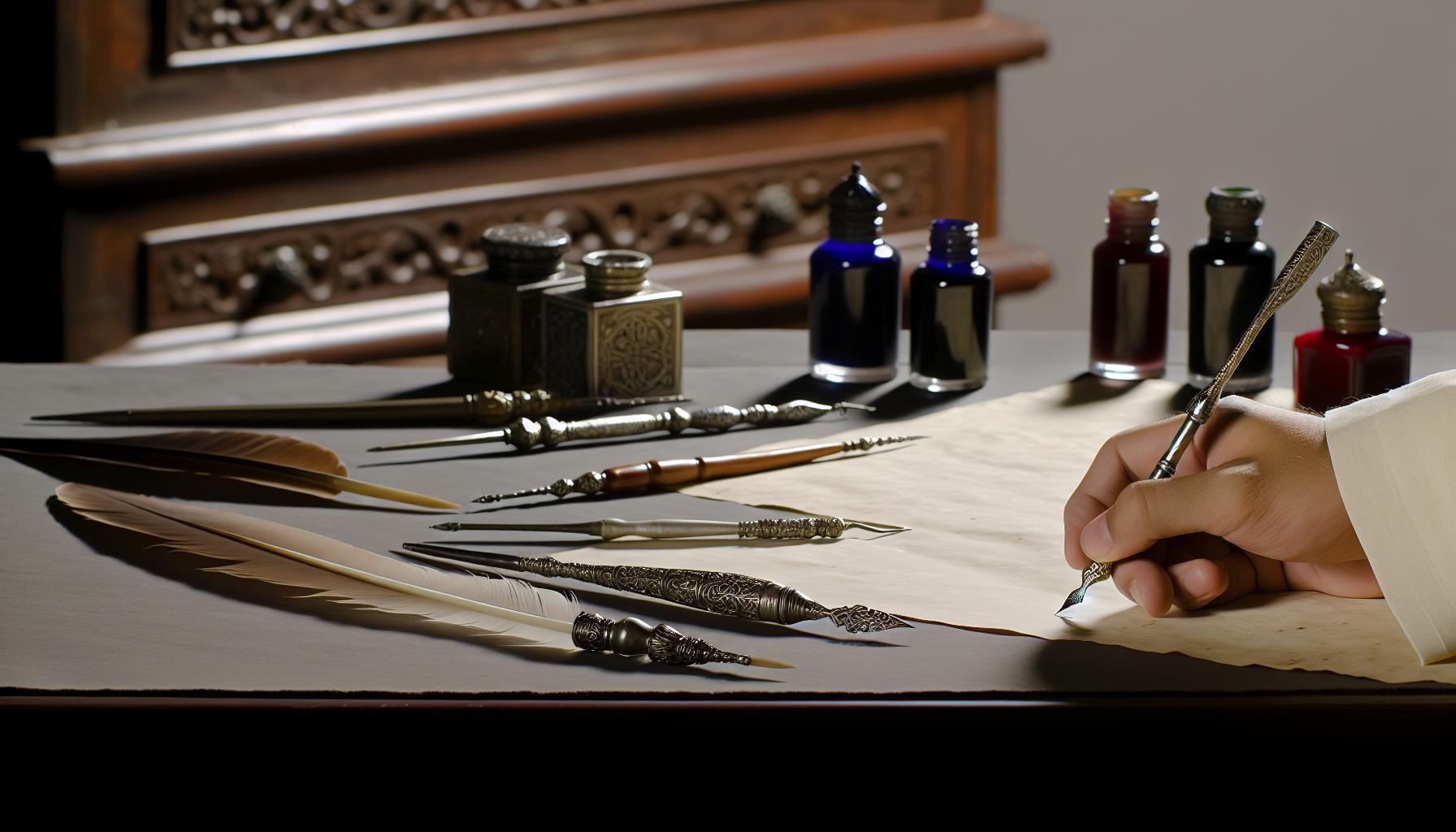
The Rise of Modern Calligraphy Tools
The calligraphy world is thriving with innovation, thanks in large part to modern tools that cater to both beginners and seasoned artists. Today, you can find a plethora of pen styles that make the practice of calligraphy more accessible and enjoyable than ever before. Modern calligraphy has sparked a revolution in the way we perceive this timeless art form, blending tradition with creativity and contemporary flair.
One of the most significant advancements in recent years is the creation of brush pens, especially those like the Tombow Fudenosuke Brush Pens. These pens come with flexible brush tips that allow for dynamic stroke variation, making it easier for newcomers to achieve that elegant look typical of traditional styles without the fuss of ink and nibs. Their precision and control empower you to experiment with different lettering styles, from bold script to delicate flourishes, bridging the gap between calligraphy and casual handwriting.
Additionally, tools like the Pilot Parallel Pen have simplified the art of broad-edged calligraphy. This pen features a unique design that allows for varying strokes, making it an excellent choice for learners interested in styles such as Italic or Gothic. It offers consistent ink flow and clean lines, which can be much more forgiving than traditional dip pens. The rise of modern calligraphy has also led to innovations in inks, helping to achieve vibrant colors and smooth application, whether you prefer a glossy finish or a matte texture.
There’s also a growing trend towards digital calligraphy, with tablets and stylus pens enabling artists to explore new dimensions of their craft. Software and apps designed for lettering provide a platform to practice and perfect techniques without the need for physical tools. This fusion of technology with traditional art forms allows for unlimited creativity, making calligraphy more versatile and relevant in today’s digital age.
In short, the modern calligraphy landscape is thriving with a variety of tools and methods, making it easier than ever to dive into this beautiful art form. Whether you’re picking up a brush pen or exploring digital tools, there’s never been a better time to express your creativity through calligraphy.
Diving into Specialty Calligraphy Pens
Exploring the world of specialty calligraphy pens reveals a treasure trove of options that cater to creative expression and precision in writing. Whether you’re delving into traditional styles or embracing contemporary flair, specialty pens enhance your calligraphy experience, making it both enjoyable and fulfilling.
One standout category is brush pens, such as the Tombow Fudenosuke, which have gained immense popularity in modern calligraphy. These pens come equipped with flexible brush tips that allow for beautiful stroke variation, enabling you to create everything from bold, sweeping lines to delicate, intricate details. They’re especially forgiving for beginners who might be intimidated by traditional dip pens. If you’re looking for versatility, brush pens can seamlessly transition between calligraphy and everyday writing, making them a great choice for those who like to blend styles.
Then there are broad-edged pens, like the Pilot Parallel Pen, which are fantastic for those aiming to master traditional scripts such as Italic or Gothic. What’s great about this pen is its ability to produce varied stroke widths with ease, thanks to its innovative design. It ensures a steady flow of ink, providing crisp, clean lines. Such pens are ideal for learning and perfecting fundamental calligraphy techniques, allowing newcomers to build their skills without the hassle of managing ink pots and dip nibs.
Finally, consider flexible fountain pens, which combine the elegance of traditional calligraphy with the convenience of modern technology. These pens typically feature specially designed nibs that offer varying degrees of flex, allowing for expressive line quality. They are particularly favored among those who enjoy both fast writing and artistic expression, as they can be filled with a range of inks that enhance creativity.
Ultimately, the right specialty pen can make a significant difference in how you approach calligraphy. It’s all about finding what feels comfortable and inspiring for your unique style. Don’t hesitate to experiment with different types until you discover the perfect match for your creative expression.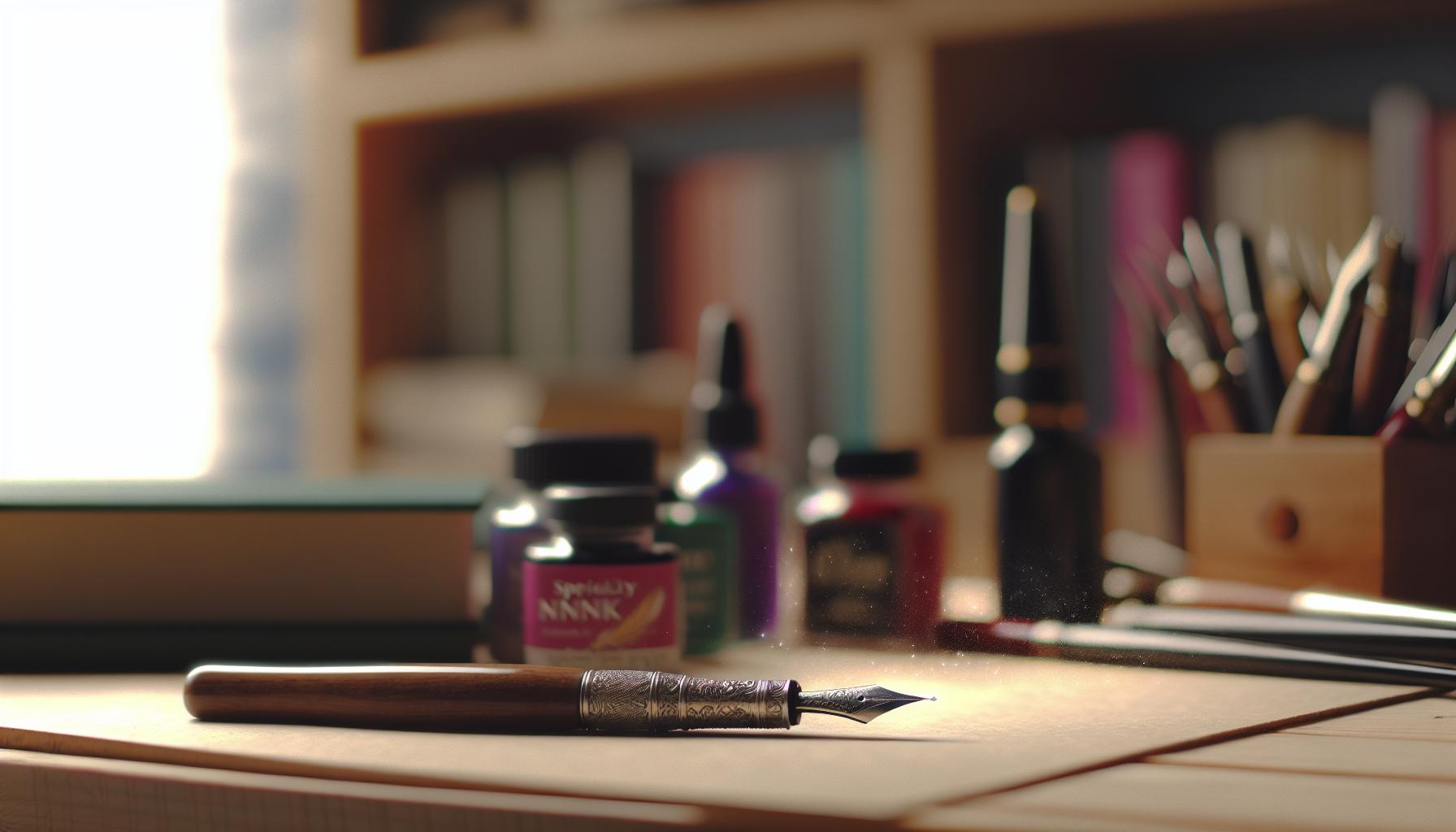
Comparing Fountain Pens vs. Dip Pens
When it comes to choosing between fountain pens and dip pens for calligraphy, understanding the unique benefits of each can make all the difference in your writing experience. Fountain pens are beloved for their convenience and ease of use. They come pre-filled with ink, making them ready to write at a moment’s notice. With a variety of nib sizes and shapes available, you can achieve a range of line qualities without the meticulous setup required by dip pens. Fountain pens are also less messy-ideal for those who want to practice their calligraphy on the go or in settings where spills are a concern.
On the other hand, dip pens hold a special place in traditional calligraphy. They require ink to be manually loaded into the nib, allowing for complete control over the ink flow and the ability to switch colors effortlessly. This hands-on approach invites a deeper engagement with the craft. The broad-edged nibs commonly used in dip pens can produce striking, varied line widths that are essential for classic styles like Gothic or Italic scripts, making them incredibly versatile for traditional calligraphy. However, they do require a bit of practice to master, especially when it comes to controlling ink flow and creating consistent pressure.
Ultimately, the choice between fountain pens and dip pens boils down to your personal style and what you hope to achieve with your calligraphy. If you’re looking for convenience and portability, a fountain pen might suit you best. If you crave that tactile experience and want to dive into more traditional techniques, then dip pens could be your ideal match. Don’t hesitate to experiment with both; the right tool will feel natural in your hand and inspire you to express your creativity fully.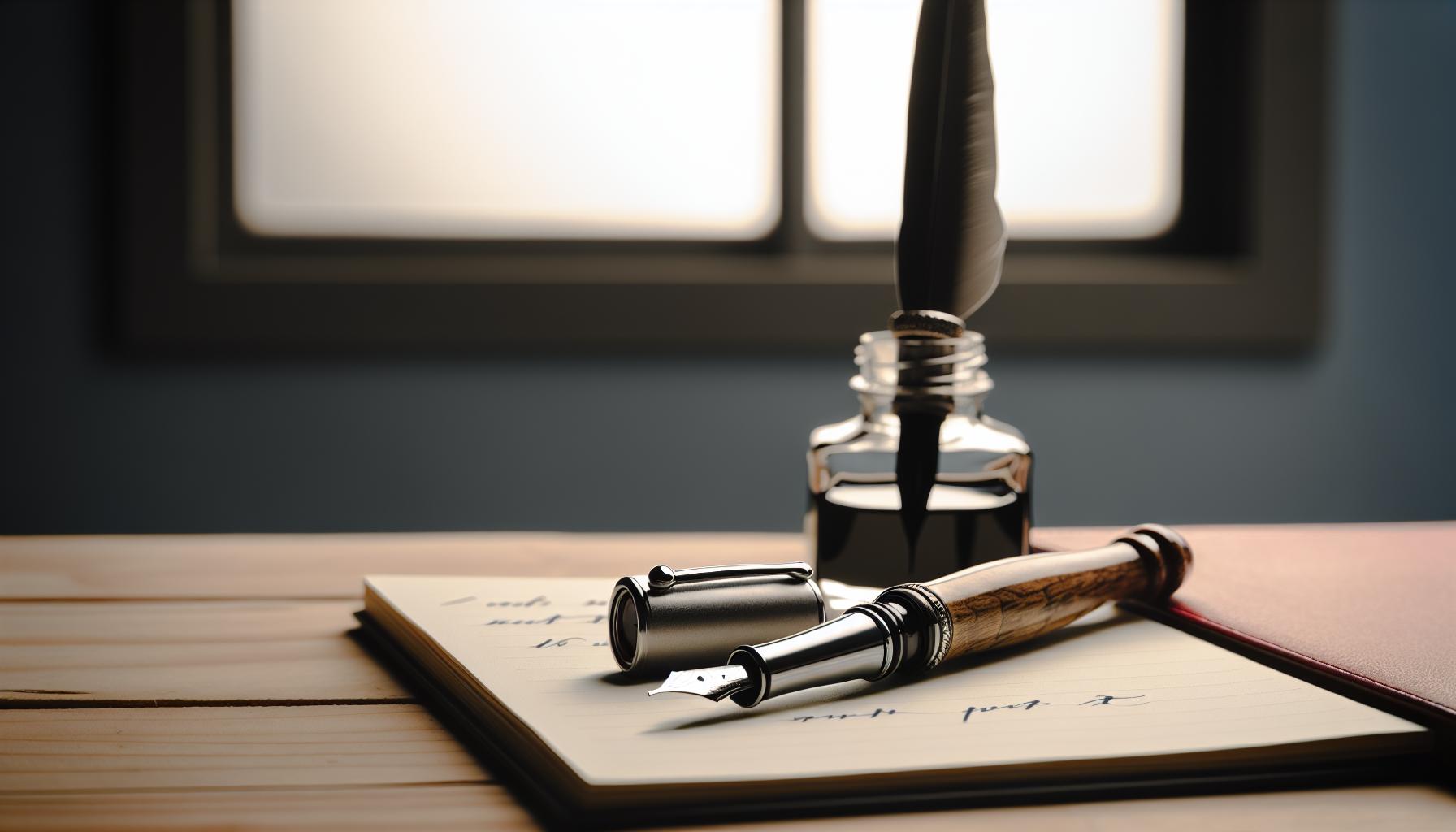
Essential Calligraphy Pen Accessories
To truly elevate your calligraphy experience, having the right accessories is essential. These tools not only enhance your writing but also ensure that you can create with both comfort and style. Here are some must-have accessories to consider when diving into the world of calligraphy, whether you’re using traditional dip pens or modern fountain pens.
Pen Holders
A quality pen holder is crucial for anyone serious about calligraphy. Whether you’re using a dip pen or a specialized fountain pen, a well-designed holder can make a significant difference in your control and comfort. Look for pen holders that feel natural in your hand and allow for varied grips. Brands often offer ergonomic designs that reduce fatigue during long writing sessions.
Ink and Ink Storage
For dip pen users, selecting the right ink is vital. Traditional calligraphy often calls for thicker inks that adhere well to the paper, while modern options expand your palette with vibrant colors and shimmering effects. Invest in a few high-quality inks and consider using ink bottles with easy-pour features to minimize spills. Fountain pen users should explore different ink cartridges or converters to match their writing style and paper type.
Paper Choices
The right paper can dramatically affect your writing experience and the final look of your work. Seek out smooth, heavyweight papers specifically designed for calligraphy, as they prevent feathering and allow for crisp lines. Consider trying multiple types to discover which best complements your ink and pen choice.
Ink Wells and Storage Solutions
For those who use multiple inks, having a dedicated ink well or storage solution can help keep your workspace organized. Look for divided storage boxes or palettes that can hold various ink colors and nibs securely. This ensures easy access and keeps everything in one place when inspiration strikes.
By curating your calligraphy toolkit with these essential accessories, you’ll not only enhance your skill but also the joy of the art form. These thoughtful additions can inspire creativity and make your writing process more enjoyable. So, whether you’re a beginner or an experienced calligrapher, investing in the right tools will pay off in your practice and results.
Best Inks for Calligraphy Pens
Choosing the right ink for your calligraphy can elevate your writing from good to stunning. With so many options available, it’s essential to know what works best for your particular style and pen type. The consistency, viscosity, color, and drying time of the ink can greatly influence your calligraphy experience, and understanding these factors is key.
For traditional dip pens, thicker inks often produce the best results. These inks, such as *India ink* or *acrylic-based inks*, offer rich color and excellent adhesion to paper. They glide smoothly from the nib, allowing for clean lines and beautiful flourishes. If you’re looking for something that adds flair, consider trying shimmering inks that can give your work a touch of elegance. Brands like *Dr. Martin’s* and *Sumi* offer options that deliver both vibrancy and sheen.
Modern calligraphy enthusiasts often gravitate towards water-based inks, like the *Tombow Fudenosuke Brush Pen inks*. These inks are perfect for brush lettering due to their flexibility and variety of colors. They’re less viscous than traditional inks, making them easier to clean and great for blending. For those using fountain pens, consider inks from brands like *Pilot* and *Noodler’s*, which offer a wide range of colors and are known for their refillable cartridges and converters that suit various styles of writing.
To summarize, when searching for the best inks:
- For dip pens: Choose thicker, more viscous inks like India ink for precision and durability.
- For brush pens: Select water-based inks for a smoother experience and vibrant colors.
- For fountain pens: Look for high-quality refillable inks that match your writing style.
Experimentation is part of the journey. Try different inks to see what responds best to your technique and preferences. Engaging with various inks can lead to exciting discoveries, enhancing not just your workflow but the overall beauty of your calligraphy.
Choosing the Right Paper for Calligraphy
When it comes to calligraphy, the type of paper you choose can make or break your experience. The right paper provides the right texture, absorbency, and finish to complement your pen and ink, allowing you to express your creativity without frustration. If you opt for the wrong type, you could end up with smudged ink, feathering, or uneven lines, which defeats the purpose of your beautiful writing.
For traditional dip pens, look for papers that are specifically designed for calligraphy, like hot-pressed watercolor paper or smooth drawing paper. These surfaces can handle thicker inks without bleeding, ensuring clean, crisp lines. Many calligraphers also swear by parchment or vellum for its luxurious feel and smooth finish, which can enhance the elegance of your script. A good rule of thumb? Test a few different kinds to see how they respond to your particular nib and ink combination.
If you’re working with modern tools, like brush pens or fountain pens, you might want to experiment with papers that are a bit more forgiving, such as mixed media paper or high-quality sketch pads. These papers often have a slightly textured surface that can add character to your letters but still provide enough smoothness for consistent ink flow. It’s also worth considering specialty calligraphy papers that come pre-lined or patterned, which can help guide your letters while you’re mastering your technique.
In summary, the key points for choosing the right paper include:
- For dip pens: Select hot-pressed watercolor or smooth drawing paper for optimal results.
- For brush pens: Try mixed media paper or high-quality sketch pads for flexibility.
- Consider specialty papers: Pre-lined or patterned options can aid beginners.
Ultimately, the best paper is one that suits your style and practice preferences. Experimentation is essential, so don’t hesitate to try various types until you find the one that feels just right for your work. Happy writing!
Techniques for Using Different Calligraphy Pens
Using the right techniques can dramatically improve your calligraphy, whether you’re wielding a traditional dip pen or a modern brush pen. Each tool has its own quirks and strengths, and mastering the techniques associated with each can turn your lettering from good to stunning.
When using a dip pen, the key lies in your grip and the pressure applied. Hold the pen at a comfortable angle, generally around 45 degrees, and let your fingers guide the nib lightly across the paper. The amount of pressure you apply will determine the thickness of your strokes; pressing down hard creates broad lines, while light pressure yields fine lines. Practicing with different nibs will also help you discover their unique responses to pressure and angle. Take time to draw basic strokes-upstrokes, downstrokes, and curves-to train your muscle memory.
Brush pens, in contrast, offer a different tactile experience. They require a more fluid motion and can handle varying pressure for dramatic effects. Start by practicing the basic strokes again, but this time focus on a smooth, continuous motion. The beauty of brush calligraphy is in the transitions; strive to maintain a consistent speed throughout your strokes, adjusting pressure to create that signature thick-and-thin line contrast. Don’t be afraid to experiment with different angles and speeds to see how they impact your lettering.
Lastly, perfecting your technique isn’t just about the pen; it also involves understanding the importance of your posture. Sit comfortably with your body relaxed and your paper positioned at a slight angle, allowing your wrist to move freely. This not only helps with control but also reduces fatigue during longer sessions. Practice consistently and have fun with it; each stroke is a chance to express your creativity. Over time, you’ll develop a style that feels uniquely yours, making your calligraphic journey even more rewarding.
For an effective start, consider these practical tips as you learn your preferred pen techniques:
- Practice regularly: Set aside time each week to develop your skills.
- Experiment with grip: Find what feels natural to you for better control.
- Adjust pressure: Learn how pressure affects line weight.
- Study your posture: Ensure your wrist and shoulders are comfortable.
By integrating these techniques, you’ll find that each pen, whether traditional or modern, can unlock a new level of artistry in your calligraphy.
Understanding Calligraphy Pen Nibs and Sizes
Understanding the right nib can transform your calligraphy practice-it’s your bridge from ink to paper, determining the thickness of lines and the overall flair of your letters. Nibs come in various sizes and styles, each catering to different writing needs and aesthetics. Whether you’re crafting delicate scripts or bold statements, knowing your nib can elevate your work.
When it comes to sizes, nibs are often categorized in millimeters, influencing the breadth of your strokes. The range typically includes everything from extra fine (around 0.5 mm) to broad (1.0 mm and beyond). For beginners, starting with a medium nib (about 0.7 mm) often strikes the perfect balance. It allows for decent line variation while still being forgiving enough to practice with. As you gain confidence, you can explore broader nibs for bold scripts or finer nibs for meticulous details.
Different nib types also cater to various styles. For classic calligraphy, consider pointed nibs like the Leonardt 111 EF, ideal for intricate lettering. These nibs provide a responsive feel, allowing you to manipulate pressure easily. On the other hand, if you’re leaning towards modern brush styles, flexible nibs or brush pens might suit you better, enabling a fluid and expressive writing experience.
Maintenance of your nibs is just as important as choosing the right size. Rinsing them with water after use prevents ink buildup, which can inhibit performance. Keep an eye on wear-bent or damaged nibs can lead to frustration. Experiment with different nibs to discover how each one responds under your particular touch; the right nib not only matches your aims but also feels just right in your hand.
Maintaining Your Calligraphy Pens
To ensure your calligraphy experience remains enjoyable and your tools stay in top shape, maintenance is key. A well-cared-for pen not only enhances performance but also extends the life of your nibs and ink reservoirs. When you’re investing time and creativity into your writing, the last thing you want is frustration from a damaged or clogged tool.
Start by rinsing your nibs with water right after use. This simple step helps to wash away excess ink and prevents buildup that can affect performance in future sessions. Depending on the type of ink you use, especially if it’s an opaque or pigmented one, this is crucial. If you’re using a dip pen, just swish the nib in clean water and gently pat it dry with a lint-free cloth to avoid fibers getting stuck in the nib. For stubborn ink, a drop of mild soap on the nib followed by a gentle scrub with a toothbrush can work wonders. Just remember to rinse thoroughly to avoid soap residue.
Check for Damage
Regularly inspect your nibs for signs of wear or damage. A bent or chipped nib can lead to frustrating writing experiences and inconsistent lines. If you notice any deformation, it might be time to replace the nib. Don’t hesitate to experiment with different types and brands of nibs; each one can create a unique effect and help you refine your style.
Finally, store your pens properly. Avoid leaving them in direct sunlight or in a place with extreme temperatures, as this can warp the materials and affect the ink inside. If you’re using fountain pens, make sure they have caps to prevent the ink from drying out. A simple storage case can go a long way in protecting your investment, keeping your tools ready for whenever inspiration strikes.
Calligraphy Pen Recommendations for Different Styles
When diving into the world of calligraphy, choosing the right pen can redefine your writing experience. Different styles demand different tools, and having the right pen can elevate your creativity and ease of use. Here’s a rundown of some great options tailored to various calligraphy styles.
For traditional calligraphy, dip pens strike the perfect balance between versatility and control. The Manuscript Modern Calligraphy Dip Pen Set is an excellent choice, offering different nibs for a range of styles. It allows you to experiment with different inks and pressure to create expressive strokes. For those venturing into pointed pen calligraphy, a nib like the Nikko G or the Zebra G provides a fine point and flexibility, making it easier to create delicate letters and flourishes.
If modern calligraphy is more your jam, the brush pen is your best friend. Brush pens like the Tombow Fudenosuke offer soft and hard tips, ideal for creating both thick and thin lines. They’re perfect for beginners due to their simplicity and the immediate results they provide. Plus, they come in various colors, which can add a vibrant touch to your projects.
For those drawn to the smooth flow of fountain pens, consider the LAMY Joy Calligraphy Pen Set. This set comes with interchangeable nibs in various sizes, making it suitable for both beginners and advanced users. Fountain pens generally allow for a broader variety of inks, and your writing can flow seamlessly-a crucial aspect of creating beautiful calligraphy.
Lastly, don’t forget about specialty pens like the ruling pen, which allows for precise line-control and is perfect for geometric styles. Brands often offer ruling pen practice sheets to help you get started. Each pen type brings unique qualities to your calligraphy practice, so experimenting with various options will help you find what resonates best with your personal style.
In choosing your tools, consider what styles excite you the most, but don’t hesitate to mix and match. Each pen you try will contribute to your growth as a calligrapher, enhancing your ability to convey beauty through written words.
Frequently asked questions
Q: What type of pen is best for beginners in calligraphy?
A: For beginners, a dip pen with a flexible nib, like the Nikko G, is ideal. It allows for a variety of line widths and is forgiving for new learners. Pair it with good-quality ink and paper for the best results.
Q: Can you use a fountain pen for calligraphy?
A: Yes, fountain pens can be used for calligraphy. They offer consistent ink flow and varying nib sizes. However, they may not provide the same dramatic thick and thin lines as traditional dip pens or brush pens, but they are convenient and less messy.
Q: What are the differences between traditional and modern calligraphy pens?
A: Traditional calligraphy pens, like dip pens, use ink and can create variable line widths. Modern calligraphy pens often include brush pens and fountain pens designed for ease of use, offering more convenience and variety in design without the need for ink preparation.
Q: How do I choose a calligraphy pen nib?
A: Choose a nib based on the style of calligraphy you want to practice. For pointed scripts, flexible nibs allow for variation in line width, while broad nibs are great for traditional scripts. Test a few to see which suits your technique best.
Q: What materials do I need for starting calligraphy?
A: To start calligraphy, you’ll need a calligraphy pen (dip or fountain), high-quality ink, suitable paper, and a few different nibs. Additionally, practice sheets and guides can help improve your skills as you begin.
Q: Are brush pens suitable for calligraphy?
A: Yes, brush pens are excellent for modern calligraphy styles. They offer a wide range of line thicknesses and are great for creating fluid strokes. They’re also user-friendly for those who want to practice calligraphy without dealing with nibs and ink.
Q: What ink should I use for calligraphy?
A: Use iron gall ink or sumi ink for traditional calligraphy, as they flow smoothly and dry well. For modern styles, try pigment-based inks or fountain pen ink to ensure vibrant colors and smooth writing.
Q: How do I maintain my calligraphy pens?
A: Clean your calligraphy pens after each use to prevent clogging. Rinse the nib under water (or with ink cleaner for dip pens) and dry thoroughly. Regular maintenance extends the life of your pens and ensures crisp, clear writing on your next project.
In Summary
Thanks for joining me on this exploration of calligraphy pens! Choosing the right tool can transform your writing, so don’t hesitate to experiment with both traditional and modern options to find what feels best for you. If you’re excited to dive deeper, check out our guides on “The Best Calligraphy Tools for Beginners” and “Top Techniques for Mastering Calligraphy” linked below.
I’d love to hear your thoughts – what pen are you planning to try next? Leave a comment! Also, consider signing up for our newsletter for tips, tricks, and exclusive resources straight to your inbox. Remember, whether you’re just starting or looking to refine your skills, the right pen makes all the difference. Keep practicing, and happy writing!