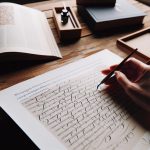

If you’re just starting with calligraphy or looking to enhance your skills, choosing the right pen can make all the difference. With so many options available-from flexible nibs to fountain pens-it’s easy to feel overwhelmed. The right tool can transform your lettering from ordinary to extraordinary, allowing your unique style to shine in every stroke.
Whether you want to create elegant invitations, personalized gifts, or simply enjoy a relaxing hobby, understanding your pen options is essential. In this guide, we’ll break down the various types of calligraphy pens, highlighting their features and benefits. By the end, you’ll have a clearer picture of what aligns best with your artistic aspirations. Let’s dive in and find the perfect pen that speaks to your creativity!
Choosing the Right Calligraphy Pen for Beginners
Choosing the right calligraphy pen as a beginner doesn’t have to be overwhelming; it can actually be quite exciting! One of the biggest mistakes newcomers make is thinking they need to invest in an extensive collection of tools right away. Instead, start simple. A dual-tipped pen, like those from Ooly, can give you both versatility and a chance to experiment with different styles. The brush tip is fantastic for flourishing, while the chisel tip provides precision for those sharp lettering styles.
When browsing options, consider felt tip and brush tip pens for their balance of control and ease of use. Unlike traditional nib pens that require dipping in ink, these modern tools allow for smoother transitions without the learning curve of managing ink flow. The grips on many of these pens are designed for comfort, which can make lengthy lettering sessions enjoyable rather than tedious. Plus, they often come in various colors, helping you develop your unique style right from the start.
You’ll also want to pay attention to the ink’s quality. Fast-drying, water-based inks are perfect for beginners since they reduce smudging and offer a vibrant finish. Start with a basic set that includes primary colors, and as you gain confidence, you can branch out into specialized tools and materials. Remember, the key is to find a pen that feels right in your hand and fits your personal style. Experimentation is part of the fun, and as you’re starting out, the most important thing is to enjoy the process of learning!
Top Types of Calligraphy Pens Explained
When diving into the world of calligraphy, choosing the right type of pen can feel daunting yet exhilarating. The broad spectrum of calligraphy pens available means there’s something to suit every beginner’s style and preference. Understanding the main types available can make this choice much clearer.
Fountain Pens
Fountain pens are often praised for their smooth ink flow and elegant writing experience. Available with various nib sizes, they allow for a range of line thicknesses, making them versatile for different calligraphy styles. They require an initial investment, but once you find a pen that fits comfortably in your hand, you’ll enjoy the timeless feel of writing with it. Brands like LAMY and Pilot offer excellent fountain pens that can cater to both novices and experienced calligraphers alike.
Brush Pens
If you’re looking for flexibility and ease, brush pens might be your best bet. These pens come with soft, flexible tips that allow you to create varying line widths based on the pressure you apply. They work similarly to traditional paintbrushes and are fantastic for casual lettering and expressive scripts. Dual-tip brush pens, featuring both a brush tip and a fine tip, can add dimension to your work, enabling you to switch between bold strokes and fine details effortlessly.
Gel and Felt Tip Pens
For beginners wanting to experiment without the hassle of traditional ink or special techniques, gel and felt tip pens provide an excellent entry point. These pens are user-friendly, offer vibrant colors, and dry quickly, minimizing smudging. Felt tip pens, in particular, vary widely in thickness, so you can easily find a style that matches your preferred aesthetic. They’re perfect for practicing letters or adding embellishments to your projects without the steep learning curve of other pen types.
Nib Pens
Nib pens, also known as dip pens, are the traditional choice in calligraphy and require a bit more practice. These pens utilize separate nibs that can be changed for different effects. The experience of dipping the nib into ink can feel nostalgic and allows for precise control over your ink flow. While they may take longer to master, the control over line variation they provide can yield stunning results.
Each pen type offers unique benefits that can significantly affect your calligraphy practice. Experimenting with these options is essential to finding what feels right for you, so grab a few varieties, and simply start writing! The most important part is to enjoy the process and discover your personal style.
Comparing Ink Flow: What You Need to Know
When it comes to calligraphy, the flow of ink is crucial for achieving those beautiful, fluid strokes that define the art form. Understanding how different pens manage ink flow is key to mastering calligraphy. Each type of pen operates uniquely in this aspect, whether you’re using a fountain pen, a brush pen, or a nib pen. This engagement with ink can significantly impact your writing experience and the final look of your work.
Fountain pens are often celebrated for their smooth, reliable ink flow. The cartridge or converter systems allow for consistent delivery, which means you can focus on your technique without worrying about skipping or blotting. Depending on the nib size you choose, you can produce finer lines or bolder strokes. For instance, using a broader nib not only enhances line variation but also enriches your letters with a more pronounced presence on the page.
Brush pens, with their flexible tips, offer a different kind of ink experience. They require a bit more practice to master, as the flow can be influenced by the pressure you apply. This means that mastering a brush pen can yield stunning results as you learn to control the ink flow effectively-adding a layer of expressiveness to your calligraphy. Beginners will find that these pens demand a tactile engagement, where the ink reacts to your movements, making the writing process dynamic and almost playful.
Nib pens, or dip pens, signify the traditional approach to calligraphy, providing an intimate connection with your ink source. The control over ink flow is remarkable-too much pressure or too little can alter how much ink is picked up on the nib. When using these pens, it’s about finding the right balance; the experience can be incredibly rewarding as you achieve intricate line details. The variation in ink flow can lead to breathtaking contrasts in your work, an essential aspect of creating depth in letterforms.
In summary, the type of pen you choose can fundamentally affect your calligraphy practice. Experimenting with fountain pens, brush pens, and nib pens not only diversifies your toolbox but helps you discover which ink flow best complements your style. Remember, mastering the intricacies of ink flow takes time, but it’s an enriching part of the journey into your calligraphy adventure.
Essential Features of Quality Calligraphy Pens
When you’re diving into the beautiful world of calligraphy, the pen you choose can make or break your experience. A quality calligraphy pen isn’t just about the aesthetics; it significantly influences your writing comfort, control, and the final look of your work. Here are some essential features to consider when selecting the perfect pen for your calligraphy adventures.
Nib Quality
The nib is arguably the most crucial component of your calligraphy pen. Look for pens with well-made nibs that are durable and provide smooth ink flow. Stainless steel and gold are popular materials, with gold offering a softer touch. A nib that’s flexible allows for varied line thickness, enabling you to add a professional touch to your letters. If you’re starting, a medium nib size is often best for versatility, allowing you to experiment with different styles.
Ink Compatibility
Different pens work better with specific types of ink. Fountain pens thrive with bottled inks, providing a smoother flow and vibrant colors. Brush pens often come pre-filled with ink, making them suitable for beginners, but be aware of the ink’s drying time; some inks are more forgiving than others. For dip pens, ensure you have high-quality ink that won’t clog or dry out quickly. This compatibility affects not only your writing experience but also the longevity of your work.
Grip Comfort
You’ll be using this pen for extended periods, so investing in one with a comfortable grip is a must. Look for ergonomic designs that reduce hand fatigue, especially if you plan to practice for hours. Some pens come with soft grips or specially designed shapes that fit comfortably in your hand. Test out a few styles in-store to find a grip that feels natural to you.
Weight and Balance
A well-balanced pen enhances control and precision in your strokes. Some calligraphy pens are heavier, which might be preferable for those who prefer a solid, grounded feel during writing. Others are lighter and allow for quick, agile movements. Experimenting with weight can make a significant difference in how your hand feels while creating your artwork.
Choosing a quality calligraphy pen involves understanding these features to find the right fit for your specific needs. Remember, the best pen for you is one that feels good in your hand and allows you to express your creativity without hindrance. With the right tools, the journey into calligraphy can be incredibly rewarding.
Affordable vs. Premium Calligraphy Pens: What’s Best?
When choosing a calligraphy pen, the price can dramatically influence your decision, but it’s essential to understand what you’re getting for your money. Affordable calligraphy pens often serve beginners well. They allow you to explore the art form without a hefty investment. You can find good starter options that perform reliably, but they may lack the finesse and performance of their premium counterparts.
On the other hand, premium calligraphy pens typically offer greater consistency in ink flow and superior materials, which can enhance your writing experience considerably. Think about it-using a well-balanced, high-quality nib can make your strokes smoother and your letters crisper. You’re not just paying for the brand; you’re investing in a tool that can elevate your craft. If you’re serious about developing your skills or working on intricate projects, splurging on a premium pen might be the way to go.
Here are some considerations to weigh in your decision:
- Durability: Premium pens are usually crafted from better materials, making them more durable and less prone to damage.
- Ink Flow: Higher-end pens often have a superior ink reservoir system, preventing clogs and ensuring smooth flow.
- Variety: They may offer a wider range of nib sizes and styles, allowing you to experiment with different techniques.
- Comfort: Many premium pens are ergonomically designed, providing a better grip that can reduce hand fatigue during long sessions.
Ultimately, the best choice depends on your goals. If you’re just dipping your toes into calligraphy, an affordable pen is a sensible starting point. However, if you’re committed to mastering the art, a premium pen might be a worthy investment that pays dividends in your growth and satisfaction as a calligrapher.
How to Match Pens with Different Calligraphy Styles
When diving into calligraphy, one of the most exciting aspects is matching your pen to your style. Each calligraphy technique has its own unique flair, and the right pen can elevate your work from ordinary to extraordinary. Whether you’re drawn to the elegance of Copperplate or the boldness of Gothic lettering, understanding how to pair your pen with your desired style can help you achieve the best results.
For scripts like Copperplate or Spencerian, a flexible nib pen is essential. These styles benefit from a nib that can provide varying line widths depending on the pressure applied. Consider using a fountain pen with an italic nib for a more accessible experience, as it offers a balance of control and flexibility. This allows for the dramatic thicks and thins that characterize these styles, enhancing your letterforms with dynamic contrast.
If you’re interested in modern calligraphy, brush pens are often the go-to option. They offer flexibility and ease of use, making them perfect for beginners while still allowing for creativity in experienced hands. The brush tip provides a range of line widths, making it ideal for playful styles and artistic flourishes. Brands like Tombow and Pentel offer great options for brush pens, producing vibrant colors and consistent ink flow.
On the other hand, if you’re leaning toward Gothic or Blackletter styles, a broad-edged nib pen or a chisel tip pen would serve you well. These pens facilitate the sharp angles and structured look typical of these scripts. A calligraphy set with multiple nib sizes can be invaluable here as it allows you to experiment with different widths to find the perfect fit for your letters.
Ultimately, your choice should align with your personal style and the specific techniques you’re interested in exploring. Don’t hesitate to try out different pens to see what feels right in your hand; practice is key. Finding your perfect pen is a journey-a blend of personal preference and the unique demands of your favorite styles. Dive in, experiment, and enjoy the process of discovering how different pens can shape your calligraphy craft.
Testing and Tips: Finding Your Perfect Pen
Finding the right calligraphy pen can feel like a daunting task, especially when faced with a myriad of options. Trust me, it’s not just about picking a pretty pen; the right choice can drastically affect your writing experience and the quality of your work. Here’s how to navigate this exciting world and discover the tool that fits you best.
Start by testing a few different types. If you’re new to calligraphy, consider visiting a local art supply store or a calligraphy workshop where you can try out various pens. You’ll want to get a feel for how each pen balances in your hand. Look for pens with different nib sizes and shapes; each one will deliver a uniquely different experience. For instance, a flexible nib will react to your pressure, creating dynamic line variation, while a stiff nib delivers consistent strokes. Grab a variety of brush pens, fountain pens, and dip pens to find out what feels comfortable.
Don’t overlook the importance of ink flow. When testing, pay attention to how the ink behaves on paper. Does it skip? Does it bleed? Establish a smooth, consistent ink flow is crucial for calligraphy, so make sure the pen you’re testing delivers well with your preferred ink. It might be a bit of trial and error, particularly if you’re experimenting with different inks and papers, but it’s worth the investment in time.
Lastly, keep in mind your personal style. What kind of calligraphy do you want to create? If you’re leaning towards modern scripts, brush pens might be your best bet due to their flexibility and ease of use. For traditional styles, a fountain pen with a variety of nibs can provide the control you need. Don’t forget to think about how much you’re willing to spend as well. Affordable options like those from brands such as Tombow or Kaweco can give you a great start, while premium brands offer exceptional quality and artistry for seasoned enthusiasts.
Experimentation is key in this journey. With the right pen in hand, you’ll find your calligraphic voice more easily, letting your creativity flow. Enjoy the process of discovery, and remember-it’s not about perfection but the joy of creating beautiful letters.
Common Mistakes When Choosing Calligraphy Pens
Choosing the right calligraphy pen isn’t just about aesthetics; it’s crucial for achieving the desired results. Many beginners fall into common traps that can hinder their calligraphy journey. One of the biggest mistakes is underestimating the importance of nib type. Not all nibs are created equal-flexible nibs offer dynamic line variation while stiffer options provide precision. Testing different nibs is vital; otherwise, you may end up with a pen that simply doesn’t suit your style.
Another frequent misstep is ignoring ink flow. Purchasing a pen that looks great but skips or bleeds can be frustrating. It’s essential to check how the ink lays down on your choice of paper before diving into a project. A smooth flow is non-negotiable for a good calligraphy experience. That said, don’t overlook the role of paper, either; using incompatible paper can enhance or diminish your chosen pen’s capabilities.
Many beginners also overlook their grip and comfort. A pen may have the perfect nib and ink flow, but if it’s uncomfortable to hold for long periods, you won’t enjoy the process. Make sure to try holding different styles of pens to find what feels natural in your hand-this simple adjustment can significantly enhance your writing experience.
Lastly, relying solely on recommendations without personal testing can lead to disappointment. While expert reviews provide helpful insights, each artist’s style is unique. Invest time in trying out various pens. Your perfect pen is out there, and the right fit can make all the difference between frustration and joy in your calligraphy practice. Happy writing!
Expert Recommendations: Best Calligraphy Pens for 2023
Finding the right calligraphy pen can transform your writing from mundane to mesmerizing. As we dive into the best options for 2023, keep in mind that the perfect pen combines comfort, flow, and the ability to produce beautiful strokes. Here’s a lineup of notable pens that cater to various styles and preferences.
Top Picks for 2023
- Pilot Parallel Pens: Renowned for their versatile nibs, these pens allow for wide strokes and vibrant ink flow. They come in various sizes, making them perfect for creating everything from bold scripts to delicate flourishes.
- Tachikawa Nib Holder: A favorite among serious calligraphers, this holder pairs with a range of nibs to suit your style. It’s ergonomically designed for long writing sessions, ensuring that comfort doesn’t sacrifice elegance.
- Pentel Sign Pen: Ideal for beginners, this pen features a flexible nib that delivers smooth, consistent strokes. It’s particularly great for those just starting out, offering a quality experience without overwhelming complexity.
- Oblique Calligraphy Pen Set: For those interested in Copperplate or Spencerian styles, an oblique pen holder is essential. This set, often featuring several nib options, is designed to help you master these intricate techniques with ease.
- sumi-e Brush Pens: If you’re looking to blend traditional brush techniques with modern convenience, these pens work wonders for calligraphy. They allow for fluid, expressive strokes, perfect for Asian calligraphy styles.
It’s essential to test a few different styles. Go for pens that feel right in your hand and suit the type of calligraphy you wish to explore. A pen that feels great but doesn’t match your intended style can lead to frustration rather than creativity.
Important Considerations
While brand reputation matters, personal experience is key. Before making your choice, consider the following:
- Nib Type: Flexible nibs are great for variation in line thickness, while stiffer options provide precision.
- Comfort: Ensure the pen’s grip feels natural; a comfortable pen leads to longer writing sessions without strain.
- Ink Flow: Test out how the ink interacts with different papers to avoid skipping or bleeding beneath your strokes.
By picking one of these top pens for 2023, you’re setting yourself up for success in your calligraphy journey. Each pen offers a unique experience; it’s all about finding your match. Happy writing!
Where to Buy Calligraphy Pens: Best Sources and Tips
When it comes to finding the right calligraphy pen, knowing where to shop can make all the difference. The world of calligraphy supplies has expanded, offering everything from niche art stores to online marketplaces. To ensure you get the best pen for your style and needs, it’s essential to explore various sources.
Start by visiting local art supply stores. These places often have knowledgeable staff who can provide valuable insights and hands-on experience. You can test different pens and find the one that feels right in your hand. Plus, local stores might host calligraphy workshops, giving you a chance to learn and try before you buy.
Online shopping has its advantages too. Major retailers like Amazon, Etsy, and specialized sites like JetPens and PaperInkArts offer extensive selections. You’ll find detailed descriptions and customer reviews that can guide your decision. Look out for user-generated content, as many enthusiasts share their experiences with specific pens, which can be incredibly helpful. Just be cautious with shipping costs and delivery times.
Another excellent approach is to check out calligraphy-specific communities on social media. Platforms like Instagram and Pinterest are teeming with artists showcasing their work and the tools they use. Joining groups on Facebook or following calligraphy influencers can lead you to exclusive discounts and local events where you can see the pens in action. You might even find support in choosing a pen that matches your desired style.
Lastly, remember to keep an eye out for craft fairs or art conventions in your area. These events often feature vendors dedicated to calligraphy and lettering, providing you an opportunity to explore a wide range of pens, inks, and accessories in person. Not only can you purchase supplies, but you might also build connections with other calligraphy enthusiasts.
In summary, whether you prefer the tactile experience of shopping in-store or the convenience of online selections, being strategic about where you buy your calligraphy pens can enhance your artistic journey. Don’t forget to explore diverse sources to find the pen that truly resonates with your style. Happy writing!
Caring for Your Calligraphy Pens: Maintenance Guide
Caring for your calligraphy pens is crucial to ensure their longevity and performance. A well-maintained pen not only writes better but also brings out the beauty of your calligraphy work. Here are some essential tips to help you keep your pens in top shape.
Start with the basics: always clean your pens after use. Ink, especially if it’s water-based, can dry and clog your nibs. For fountain pens, flush the nib with clean water regularly. Use a bulb syringe or ink flush solution for stubborn ink. For dip pens, simply rinse the nib in warm water right after use, and dry it gently with a soft cloth. Never let ink sit in your nib for long periods! It can harden and ruin your pen.
Storage Matters
Store your pens in a horizontal position when possible to prevent ink from settling in one area and causing uneven flow. If you’ve got a calligraphy case, use it! This protects your pens from dust and accidental drops. Always cap your pens tightly to prevent the moisture from evaporating in the nib and maintain a steady ink flow.
Regular Inspections
Every once in a while, check your pens for any damage. Look at the nib for bent points or corrosion, especially if you’re using metallic nibs. Use a gentle cleaning brush-like a toothbrush-on nibs that have accumulated residue. If your pen starts skipping, it might be time to replace the nib or the ink cartridge.
Lastly, consider investing in high-quality ink and compatible cartridges. Cheaper inks can lead to more cleaning and replacements over time. By taking these simple steps, you’ll find your calligraphy experience improves significantly, allowing your creative expression to shine through without interruption. Remember, a little care goes a long way in your calligraphy journey!
Innovative Calligraphy Tools: Beyond the Basics
Some tools can elevate your calligraphy game significantly, beyond just choosing the perfect pen. While traditional dip pens and fountain pens have their merits, innovative calligraphy tools can offer you enhanced versatility and creative possibilities that traditional tools may not provide.
Take brush pens, for instance. They combine the versatility of a paintbrush with the convenience of a pen. With flexible brush tips, they allow for fluid stroke variations, making them ideal for modern calligraphy styles. You can seamlessly switch between thin and thick lines, giving your work a dynamic quality. They come in various ink types, including water-based or permanent inks, allowing you to explore different effects and finishes.
Another notable innovation is the rise of digital calligraphy tools. With tablets and styluses, you can create stunning calligraphy pieces without worrying about ink spills or dried-out nibs. Software like Procreate and Adobe Fresco offers customizable brushes that mimic traditional tools, making the learning curve easier and more accessible. Digital platforms also enable you to experiment with color, sizing, and graphic design elements, expanding your creative horizons.
Additionally, specialized tools like calligraphy rulers and guides can transform your practice sessions. These tools help maintain consistency in letter height and angle, which is especially beneficial for beginners still mastering the basics. Using a grid or template can keep your strokes uniform, leading to more polished results.
Incorporating these innovative tools can make your calligraphy practice more engaging and enjoyable. Whether you’re a seasoned pro or just starting, experimenting with new methods keeps your work fresh and exciting. Remember, the right tools can unleash your creativity and refine your technique, setting your calligraphy apart from the rest.
Faq
Q: What type of pen is best for beginners in calligraphy?
A: The best pen for beginners in calligraphy is generally a fountain pen or a calligraphy marker. Both options provide easy control and come in various nib sizes. Start with a medium nib fountain pen or an artist-grade calligraphy marker to create smooth lines while developing your skills.
Q: How do I choose a calligraphy pen for different styles?
A: To choose a calligraphy pen for different styles, match the nib type to your preferred style. For copperplate, opt for a flexible pointed nib. For gothic, a broad nib is ideal. Check the “How to Match Pens with Different Calligraphy Styles” section in our article for detailed guidance.
Q: Can I use regular pens for calligraphy?
A: Regular pens can be used for calligraphy, but to achieve authentic calligraphy effects, specialized pens like dip pens or brush pens are recommended. These options offer greater control over line variations, essential for stunning calligraphy results.
Q: What is the difference between a brush pen and a dip pen in calligraphy?
A: A brush pen is a self-contained tool with flexible bristles, allowing for fluid strokes, while a dip pen requires dipping into ink and offers greater nib flexibility. Brush pens are perfect for quick work, while dip pens excel in precision and varying line thickness.
Q: How can I enhance my calligraphy skills using the right pen?
A: Enhance your calligraphy skills by selecting a pen that feels comfortable in your hand. Experiment with different nibs and ink types to see how they affect your stroke. Regular practice with various tools, as suggested in “Testing and Tips: Finding Your Perfect Pen,” will improve your technique.
Q: Are there any specific pens recommended for advanced calligraphy?
A: For advanced calligraphy, oblique nib holders and high-quality gouache inks are recommended. These tools offer superior precision and control, ideal for achieving intricate designs. Refer to our “Expert Recommendations: Best Calligraphy Pens for 2023” for top choices tailored to experienced calligraphers.
Q: What maintenance should I do for my calligraphy pens?
A: Maintaining your calligraphy pens involves regular cleaning after each use, especially for the nibs. Use warm water to remove ink and avoid using abrasive materials. For detailed care tips, check the “Caring for Your Calligraphy Pens: Maintenance Guide” section.
Q: Where can I find unique calligraphy pens online?
A: Unique calligraphy pens can be found on specialty art supply websites such as JetPens, Dick Blick, and Amazon. Don’t forget to check reviews to ensure quality before making a purchase. Explore the “Where to Buy Calligraphy Pens: Best Sources and Tips” section for more recommendations.
Future Outlook
Now that you’ve explored the best pens for calligraphy, it’s clear that the right tool can elevate your artistry and transform your writing. Remember, the perfect pen not only enhances your technique but also sparks your creativity. If you’re still deciding which pen suits your style, consider checking out our detailed reviews on the top-rated calligraphy pens and their specific features.
Don’t miss out on our guide to mastering calligraphy; it’s packed with tips and techniques that can take your skills to the next level. Ready to dive deeper? Explore how to personalize your writing with custom fonts using tools like Calligraphr-creating a unique style has never been easier!
Join our community by subscribing to our newsletter for more insights, and share your thoughts in the comments below! Your journey in calligraphy is just beginning, and we’re here to support you every step of the way. Happy writing!