

Choosing the right calligraphy pen can feel overwhelming, especially with so many options out there. Did you know that the type of pen you choose can significantly impact your writing style and overall experience? Whether you’re a beginner looking to explore a new hobby or a seasoned artist wanting to refine your skills, the right tool can make all the difference. This guide will demystify the world of calligraphy pens, helping you understand what features to consider, from nib types to ink flow. You’ll be empowered to make an informed decision that aligns with your goals, whether it’s for personal projects, gifts, or even professional work. So, let’s dive in and find the perfect pen that will bring your artistic vision to life!
Choosing the Right Calligraphy Pen for Beginners

Choosing the right calligraphy pen is crucial for beginners embarking on their lettering journey. With so many options available, it can feel overwhelming. But the right pen can make all the difference in both your experience and your results. For newcomers, I always recommend starting with pens that offer both ease of use and versatility. Whether you’re drafting invitations or just practicing, your initial choice can significantly impact your learning curve.
When selecting a calligraphy pen, consider going for felt tip or brush tip pens. These types offer greater control and deliver a smooth ink flow, eliminating the need for complicated setups like dipping ink or managing cartridges. Brands like Tombow and Pentel offer excellent brush pens that are both affordable and beginner-friendly, enabling you to play with strokes without the intimidation that comes with traditional dip pens. Once you’re comfortable, you can explore fountain pens or dip pens with interchangeable nibs for more advanced styles and effects.
Don’t overlook the importance of comfort and grip as well. A pen that feels good in your hand can keep you engaged longer and encourage better technique. Look for ergonomic designs or soft grips that prevent fatigue during extended practice sessions. And if you’re unsure which style fits you best, consider visiting an art supply store to test different pens in person. This tactile experience can guide your decision.
In summary, as a beginner, opt for beginner-friendly styles like felt or brush tip pens, prioritize comfort, and don’t hesitate to experiment with different options before choosing the pen that feels just right for you. This journey is all about finding joy in the process, so have fun with it!
The Different Types of Calligraphy Pens Explained
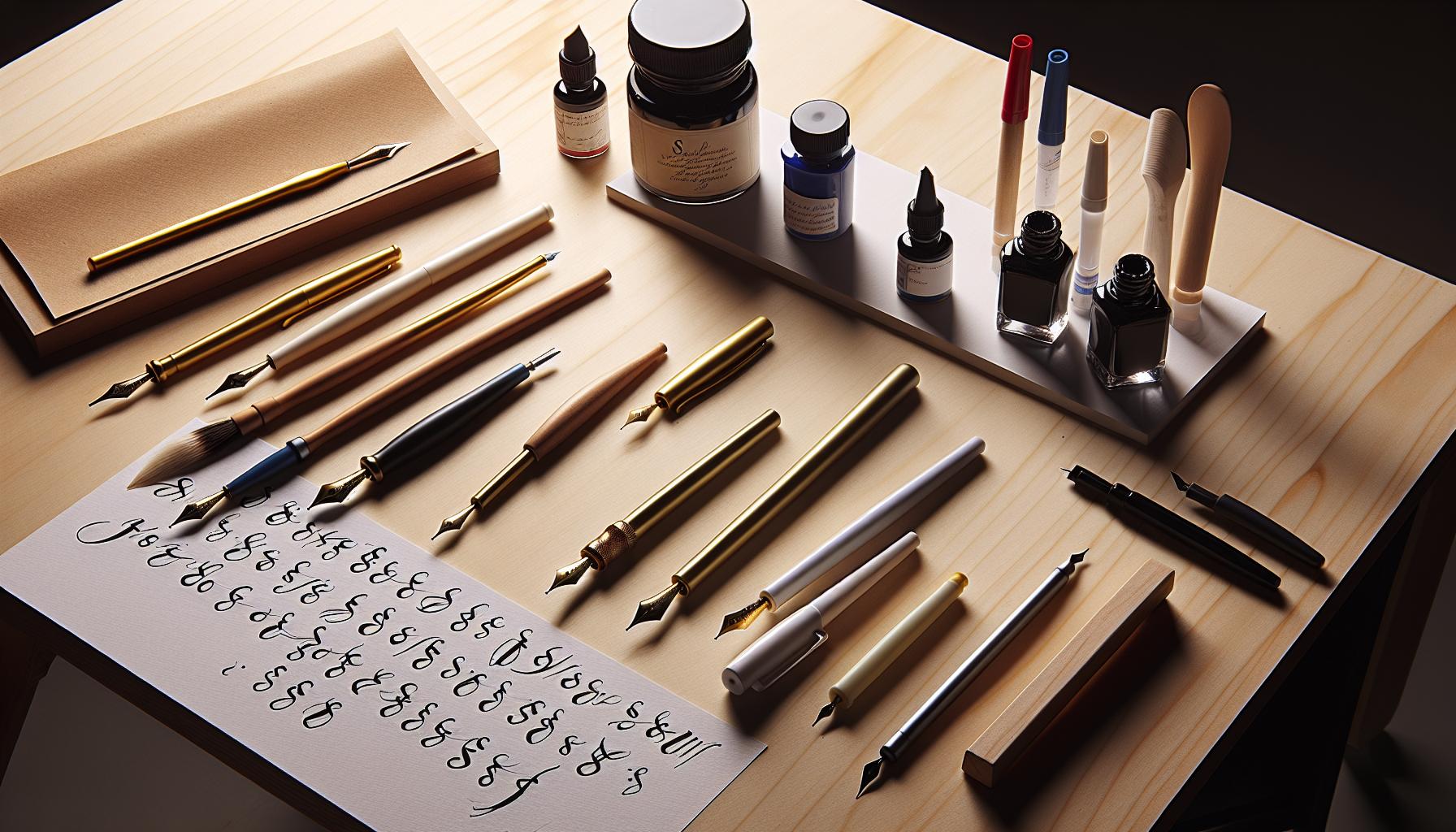
Choosing the right calligraphy pen can feel overwhelming, but understanding the various types available simplifies the process. Each pen type offers a unique experience and caters to different styles and techniques, making it essential to know what’s out there.
Felt tip pens are a popular starting point for beginners due to their simplicity and ease of use. These pens come in various sizes and are perfect for showcasing basic calligraphy strokes. They provide a consistent ink flow and require little maintenance, making them ideal for those just dipping their toes into lettering. Brands like Tombow and Pentel are known for their quality felt tip pens, which are not only affordable but also versatile.
Brush pens, on the other hand, offer a more dynamic approach to calligraphy. They feature flexible tips that mimic the strokes of traditional brushes, allowing for expressive lettering. This type of pen is fantastic for creating beautiful scripts with varied line thicknesses, which is central to many calligraphy styles. They require a bit more skill to master, but with practice, you can create stunning results.
For those wanting to dive deeper, dip pens and fountain pens are excellent options. Dip pens use individual nibs dipped in ink, giving you complete control over the ink flow and allowing for a rich variety of strokes. They’re great for creating intricate, artistic letters but do involve a steeper learning curve and more setup time. Fountain pens combine the benefits of convenience with versatility; they come with refillable ink cartridges or converters and are easier to use than dip pens while still allowing for beautiful calligraphy.
Ultimately, your choice will depend on your comfort level and the styles you want to explore. Whether you start with felt tips for simple tasks or jump straight into the world of dip pens, each type has its unique charm and potential. Experiment with different options to discover what best suits your style and needs.
Essential Features to Look for in Calligraphy Pens

Choosing a pen for calligraphy isn’t just about picking up a pretty tool; it’s about understanding what features can elevate your lettering game. The right pen can make all the difference, whether you’re just starting out or you’ve been practicing for years. Here’s what you need to consider when selecting your calligraphy pen.
First, nib type is crucial. Pens come with various nib options, including flexible, stub, and pointed tips. Flexible nibs allow for varied line widths based on pressure, giving your writing a more dynamic quality. Stub nibs are broader and produce thick lines, perfect for bold writing styles. On the other hand, pointed nibs are great for fine details and delicate scripts. Consider what styles you want to create and choose a nib that fits that vision.
Next, consider the ink flow and consistency. Some pens, especially dip pens, can be finicky and may require adjustments to find the right balance of ink flow. Look for pens that lay down ink smoothly without skipping. This is especially important when you’re working on detailed pieces or trying to achieve a clean finish. Testing pens in-store can be beneficial; when you find one that feels right in your hand and flows without hesitation, you’ve likely found a keeper.
Another feature to contemplate is comfort and grip. A pen that feels comfortable will enable longer writing sessions without fatigue. Ergonomic designs and cushioned grips can enhance your experience significantly-you don’t want your hand cramping mid-creation! If possible, hold various pens to see which fits snugly in your fingers.
Finally, examine the price point and quality. While it’s tempting to go for the cheapest option, investing in a quality pen can save you money in the long run. High-quality materials and craftsmanship lead to better performance, and they often last longer. Don’t shy away from splurging a little, especially if you find a pen that checks all the boxes on your list.
By focusing on these essential features-nib type, ink flow, comfort, and price-you can narrow down your choices and find the calligraphy pen that will best suit your unique style and skill level. Happy lettering!
Best Calligraphy Pens for Various Styles
Finding the right calligraphy pen is like discovering your favorite brush in painting-it’s essential for expressing your unique style. Whether you’re leaning towards elegant script, bold typography, or intricate designs, the pen you choose can significantly impact your work. Here’s a guide to help you select the best calligraphy pens suitable for various styles.
For traditional script lovers, a fountain pen with interchangeable nibs is a top pick. The Kaweco Sport calligraphy set is a fantastic choice, offering nibs in multiple sizes (1.1mm to 2.3mm) to give you versatility in your strokes. This pen is easy to handle and delivers a consistent ink flow, ideal for creating those sweeping curves without inconsistency or skips [[1]].
If you’re drawn to modern calligraphy, consider brush pens such as the Tombow Fudenosuke. These pens feature a flexible brush tip that allows for varied line width, making it easy to create expressive letterforms. They come in both hard and soft tips, which can cater to different preferences. The adaptability of brush pens makes them perfect for practicing dynamic scripts where pressure control creates stunning thick and thin lines.
For those venturing into illustrative styles or embellishments, a set of dip pens can work wonders. A classic choice is the Speedball calligraphy dip pen set, which includes various nib sizes suited for everything from fine detailing to broader strokes. Dip pens give you the opportunity to experiment with different inks and techniques, opening the door to unique creations. They can be a bit more involved than fountain or brush pens, but the control and variety they offer are unmatched.
Lastly, if you’re interested in experimenting with experimental and creative styles, look at metallic or gel pens, like the Gelly Roll Pen set. These are excellent for adding pops of color and shimmer to your projects. They’re especially popular for decorative lettering and embellishments, giving your calligraphy an eye-catching twist.
In conclusion, the best calligraphy pen really depends on what style resonates with you. Whether it’s the reliability of a fountain pen, the flexibility of a brush pen, the precision of a dip pen, or the flair of gel pens, each offers its distinct benefits. Try to test a few before deciding-your comfort and creative expression are what ultimately matter. Happy writing!
Top Brands Every Calligraphy Enthusiast Should Know
When diving into the world of calligraphy, knowing the top brands can significantly elevate your experience and output. Each brand brings its unique strengths, whether it’s precision, innovation, or ease of use. Let’s explore some of the most reputable names that every calligraphy enthusiast should consider.
Kaweco
Kaweco is renowned for its high-quality fountain pens and calligraphy sets. Their pens, like the Kaweco Sport, are compact yet perfectly balanced, making them ideal for both beginners and seasoned calligraphers. The brand offers a range of nib sizes, which allows users to experiment with various styles without overspending. The ease of swapping nibs lets you transition from elegant scripts to bold typography seamlessly.
Tombow
For modern calligraphers, Tombow is a staple. Their Fudenosuke brush pens are particularly popular due to their flexible brush tips, enabling smooth transitions between thick and thin lines. What sets Tombow apart is the dual-tip option-one side features a hard tip for precision, while the other offers a soft brush tip for expressive strokes. This versatility makes Tombow an essential brand for anyone interested in contemporary styles.
Speedball
If you’re leaning towards dip pens, Speedball should be on your radar. Their dip pen sets provide a fantastic range of nibs and inks, catering to various artistic needs-from fine details to broader strokes. This brand is often favored in art schools and calligraphy workshops, thanks to its reliability and quality. Plus, with Speedball’s emphasis on experimentation, you’re encouraged to try out different techniques and styles, fostering growth as an artist.
Sakura
When it comes to gel pens, Sakura’s Gelly Roll series shines brightly. Known for their variety of colors and metallic finishes, these pens are perfect for decorative lettering and embellishments. They dry quickly and produce smooth lines, allowing you to add flair to your projects without worrying about smudging. This brand is especially popular for artists looking to incorporate vibrant colors into their calligraphy.
In conclusion, whether you’re a beginner or looking to upgrade your tools, choosing pens from these reputable brands will undoubtedly enhance your calligraphy journey. Each brand offers something unique, so try a few and see which aligns best with your style. Happy lettering!
Affordable vs. Luxury Calligraphy Pens: What’s Worth It?
When diving into the world of calligraphy, the choice between affordable and luxury pens often comes down to your personal goals and budget. Affordable calligraphy pens can provide a fantastic entry point that allows you to explore the craft without a significant financial commitment. These pens typically include budget-friendly options like felt-tip markers or basic fountain pens. They’re great for beginners, allowing you to practice different styles and techniques without the worry of damaging an expensive tool. For instance, a double-ended brush pen from a brand like Tombow can offer the flexibility you need while remaining easy on the wallet.
On the other hand, luxury calligraphy pens often boast superior craftsmanship, refined materials, and specialized nibs, making them a worthy investment for serious enthusiasts. Brands like Kaweco and Pilot offer premium options that enhance writing quality and provide an unmatched ergonomic experience. Investing in these pens can elevate your work, particularly if you’re aiming for exquisite detail or calligraphic precision. It’s not just about the pen; it’s about how much you value the artistry and the experience that comes with using a finely crafted instrument.
When weighing your options, consider investing more in a pen that you truly love if you find yourself drawn to calligraphy as a long-term hobby. A quality pen can grow with you, accommodating various styles and techniques as you develop your skills. Remember: the right pen can inspire creativity and make the process more enjoyable.
While there’s nothing wrong with starting simple, don’t shy away from splurging a bit when you identify a pen that resonates with you. Ultimately, whether you choose an affordable or luxury pen, it’s essential to ensure that it feels comfortable in your hand and reflects your unique style. Happy lettering!
How to Test a Calligraphy Pen Before You Buy
When considering a new calligraphy pen, testing it before making a purchase is crucial. You want to ensure it feels right in your hand, flows smoothly on the paper, and suits your writing style. Here are some practical strategies to help you effectively evaluate a pen.
Start by checking the grip and comfort. Hold the pen for an extended period, making sure it feels natural and not cumbersome. If you’re trying a fountain or dip pen, observe how it balances while writing. A pen that’s too top-heavy or too light can affect control and precision.
Next, focus on the ink flow. Write a few lines of text or practice strokes to see how consistently the ink flows. A good pen should provide a steady line without skipping or blotting. If you’re testing fountain or dip pens, consider the nib’s size and flexibility. A fine nib offers precision, while broader nibs are great for dramatic strokes.
Another key aspect to assess is line variation. Experiment with different pressures and angles to see how the pen responds. A quality calligraphy pen will allow you to create both thin and thick lines with ease. Pay attention to how much pressure you need; if it feels forced, it might not be the right tool for you.
Also, consider the type of paper you’re using. Different pens behave differently on various surfaces. Test your pen on the types of paper you plan to use most-whether it’s smooth, textured, or specialty papers. This will give you a better idea of how it performs in your typical environment.
Finally, take some notes about your experience. Jot down your impressions of the pen’s comfort, line quality, and overall feel. This can help you compare multiple options later, especially if you’re testing several pens in one shopping trip. Remember, the right calligraphy pen should not only meet your technical needs but also inspire your creativity every time you use it.
Common Mistakes When Choosing a Calligraphy Pen
Choosing the right calligraphy pen can feel overwhelming, especially with the multitude of options out there. One of the biggest mistakes beginners often make is rushing into a purchase without fully understanding their own needs. It’s easy to be tempted by beautiful designs or popular brands, but the pen must fit your personal writing style and comfort. Before you buy, take a moment to reflect on your goals-whether that’s improving your lettering skills or creating stunning invitations.
Another common pitfall is overlooking the importance of testing multiple pens. Many people settle for the first pen they try, which might not truly suit their style or provide the desired line quality. Different pens have distinct ink flows, grips, and nibs. Spend time experimenting with various types, such as pointed nibs for flourishing scripts or brush pens for modern calligraphy. This hands-on approach not only helps you discover what feels right but also aids in developing your unique calligraphy style.
It’s also vital to consider the type of ink and paper you’ll be using. A pen that performs well on one surface may struggle on another. Many beginners forget to test their pen choices on the exact paper they plan to use, leading to frustration later on. For instance, certain pens may bleed on soft, absorbent papers but glide smoothly on smooth, coated surfaces. Pay attention to this compatibility, as it can make a significant difference in your final results.
Finally, don’t underestimate the value of attending workshops or local calligraphy groups. These can provide invaluable insights and hands-on experience with different tools and techniques. You may learn about brands or pen types you didn’t even know existed, and get personalized advice from experienced calligraphers. By avoiding these common mistakes and approaching your pen selection with care and curiosity, you’ll set yourself up for success in your calligraphy journey.
Accessories to Enhance Your Calligraphy Experience
The right accessories can elevate your calligraphy experience from ordinary to extraordinary. Just think about all the potential you’ve got with not just a pen, but the whole toolkit that comes with it. Whether you’re looking to create stunning invitations or just want to hone your skills, investing in the right accessories makes all the difference.
Start with a solid ink set. Many beginners stick to whatever comes with their first pen, but different projects might require different ink types. For instance, if you’re planning to do a lot of lettering on invitations, consider water-resistant or fade-resistant inks. This ensures your work holds up over time, especially in environments with varying humidity levels. Additionally, don’t underestimate colored inks. A few vibrant choices can bring your lettering to life and allow for more creative expression.
Another essential accessory is quality paper. The relationship between ink and paper is crucial. Using paper that’s too absorbent can lead to bleeding and feathering, ruining your designs. Look for heavyweight or smooth surfaces specifically designed for calligraphy. Practice pads are also a must-have; they help you test new inks and techniques without risking your final pieces. Experimenting on different paper types can help you determine what works best for your style.
Then, there are pen holders and grips. A comfortable holder can transform your writing experience. Look for ergonomic options if you find yourself writing for longer stretches. They can reduce hand fatigue and improve your control over the pen. Combine this with the right nibs tailored to your style-whether it’s a broad nib for expressive writing or a fine one for delicate scripts-and you’re well on your way to creating beautiful pieces.
Lastly, consider having a selection of accessories like templates or guides. These can help maintain consistency in your work, especially when practicing different lettering styles. Stencils can also add a level of detail that enhances your designs. Remember, it’s not just about having the right pen; it’s about creating a complete workflow that enhances your skills and results. With the right setup, you’ll be amazed at what you can create.
Caring for Your Calligraphy Pens: Do’s and Don’ts
Caring for your calligraphy pens is essential to ensure they remain in top condition, ready to create beautiful lettering at a moment’s notice. Neglecting them can lead to a frustrating experience, so here’s how to keep them performing their best.
Start with cleaning your pens regularly. After using them, especially with ink that may dry out or clog, take the time to rinse the nib and feed under lukewarm water. For fountain pens and dip pens, you can remove the nib and clean it gently with a soft cloth to avoid damaging the delicate tips. If you’re using cartridge pens, simply replace the cartridge rather than letting it sit with old ink.
When it comes to storing your pens, choose a cool, dry place. Avoid storing them upright with the nib facing up; this can dry out the nib or draw ink back into the pen, causing clogs. Instead, store them horizontally in a pen case or a designated holder. For brush pens, keep the cap on and lay them flat to prevent the brush tip from losing its shape.
Remember not to over-tighten the caps, as this can lead to cracks or damage. For any pen that comes with replacement nibs, ensure they’re correctly fitted before storing to avoid any accidents that might lead to wear and tear.
Lastly, be mindful of the inks you’re using. Not all inks are created equal; some can be more prone to drying out than others. Use high-quality, suitable inks meant for your specific pen type. Combining these tips will not only extend the life of your tools but also improve your overall calligraphy experience. Happy writing!
Upgrading Your Calligraphy Tools: When and Why
As you journey through the beautiful art of calligraphy, you’ll inevitably reach a point where your current tools just don’t cut it anymore. Upgrading your calligraphy tools can be a game-changer, enhancing both your experience and the quality of your work. Let’s explore why this is important and when you should consider making the leap.
One of the primary reasons to upgrade is improvement in technique. If you find that your strokes lack fluidity or your letters aren’t as crisp as you want, it might be time to invest in higher-quality pens. For instance, a good fountain pen with interchangeable nibs can provide more versatility and precision than a beginner’s plastic pen. New tools can also inspire you to experiment with new styles and techniques, pushing you beyond your current limits.
Signs It’s Time to Upgrade
- You’re outgrowing your tools: If you’ve honed your skills and your current pens feel limiting, you’re ready for a more advanced setup.
- Desire for new styles: The urge to try out different calligraphy styles may require pens that suit them, like brush pens for modern calligraphy or oblique nibs for Copperplate.
- Consistency issues: If you’re consistently battling ink flow problems or nib quality, a reliable pen can significantly boost your performance.
- Losing interest: Sometimes, using the same tools can become tedious. A shiny new pen set might reignite your passion and creativity!
Another aspect to consider is durability and craftsmanship. Quality pens are made from better materials, providing a superior writing experience and lasting longer than cheaper alternatives. Brands like Pilot and Tombow offer pens that withstand regular use without compromising performance. Remember, investing in the right tools is not just about more expensive options; it’s about finding the right fit for your style and consistency.
The Right Time to Upgrade
When to upgrade depends on your level of engagement with calligraphy. If you’re creating for personal enjoyment, you might find joy in a gradual upgrade process – trying new things as you go. On the other hand, if calligraphy becomes a significant part of your work or hobby, it makes sense to invest in a complete toolset earlier on. Asking yourself how often you’re using your current pens and what aspects of your writing need improvement can provide clarity.
Upgrading your calligraphy tools can rejuvenate your practice, offering new capabilities and inspiring creativity. Don’t hesitate to explore and find what truly works for you!
Frequently asked questions
Q: What should I consider when choosing a calligraphy pen for beginners?
A: When choosing a calligraphy pen for beginners, consider ease of use, ink flow, and tip size. Begin with a beginner-friendly pen, like a fountain pen or a brush pen, which offers more flexibility and control. Look for starter sets that often include various nibs and inks, ideal for practice.
Q: What type of ink is best for calligraphy pens?
A: The best ink for calligraphy pens depends on your pen type. For fountain pens, use water-based inks for smooth flow. For dip pens, consider India ink or calligraphy ink for rich color. Always test your ink with your chosen pen to ensure it produces your desired results.
Q: How do I maintain my calligraphy pens?
A: Maintaining your calligraphy pens involves regular cleaning and proper storage. Clean dipped pens with water or a specialized cleaner after each use. Store pens horizontally to prevent clogging. Refer to the sections on Caring for Your Calligraphy Pens in your article for detailed tips.
Q: Are brush pens suitable for traditional calligraphy?
A: Yes, brush pens are suitable for traditional calligraphy, especially for styles like Japanese Shodo or modern calligraphy. They offer versatility and ease of use, making them perfect for beginners. Explore different types of brush pens to find one that fits your writing style.
Q: How do I choose between affordable and luxury calligraphy pens?
A: Choosing between affordable and luxury calligraphy pens depends on your commitment level. If you’re just starting out, an affordable option allows experimentation without a big investment. However, luxury pens often offer superior craftsmanship and longevity, beneficial as your skills advance.
Q: What are common mistakes to avoid when buying a calligraphy pen?
A: Common mistakes include buying the wrong nib size for your intended style and not considering ink compatibility. Additionally, don’t overlook the importance of testing pens in-store. Familiarize yourself with proper grip and technique to avoid frustrations later.
Q: How can I test a calligraphy pen before buying it?
A: To test a calligraphy pen, visit specialty art stores and ask to try different pens. Focus on the weight, balance, and ink flow as you write. Check for comfort and precision in your strokes. This firsthand experience ensures you choose a pen that meets your preferences.
Q: How can I improve my calligraphy skills with the right pen?
A: To improve your calligraphy skills, select a pen that feels comfortable and suited to your writing style. Regular practice with your chosen pen variations will enhance your control and technique. Consider joining workshops or online tutorials for additional guidance and inspiration.
Insights and Conclusions
Now that you know how to choose the right calligraphy pen, take the plunge and elevate your writing game! Remember, the right pen can transform your calligraphy from ordinary to extraordinary, so don’t hesitate to invest in one that feels just right for you. If you’re curious about expanding your calligraphy skills, check out our guide on the best paper for calligraphy and explore how to create custom fonts with tools like Calligraphr.
Don’t forget to share your pen journey in the comments below. What pen do you love? Want to know more tips? Join our newsletter for updates and insights tailored just for calligraphy enthusiasts like you. Your next masterpiece is just a pen away-embrace the art and express yourself beautifully!