

Copperplate calligraphy is a stunning art form that combines elegance and precision, but choosing the right pen can feel daunting. Did you know that the nib you select can drastically change your writing style and fluidity? Whether you’re a beginner or looking to refine your skills, the right pen can help you achieve those graceful, flowing letters you admire.
Many aspiring calligraphers grapple with this exact dilemma-what’s the best pen for Copperplate? With a variety of options on the market, including the favored Gillot 303 and Leonardt EF Principal, finding the perfect fit for your hand and style is crucial. This guide will walk you through the must-know aspects of selecting your ideal pen, helping you feel more confident in your calligraphy journey. Let’s delve into the world of Copperplate pens and unlock your creative potential!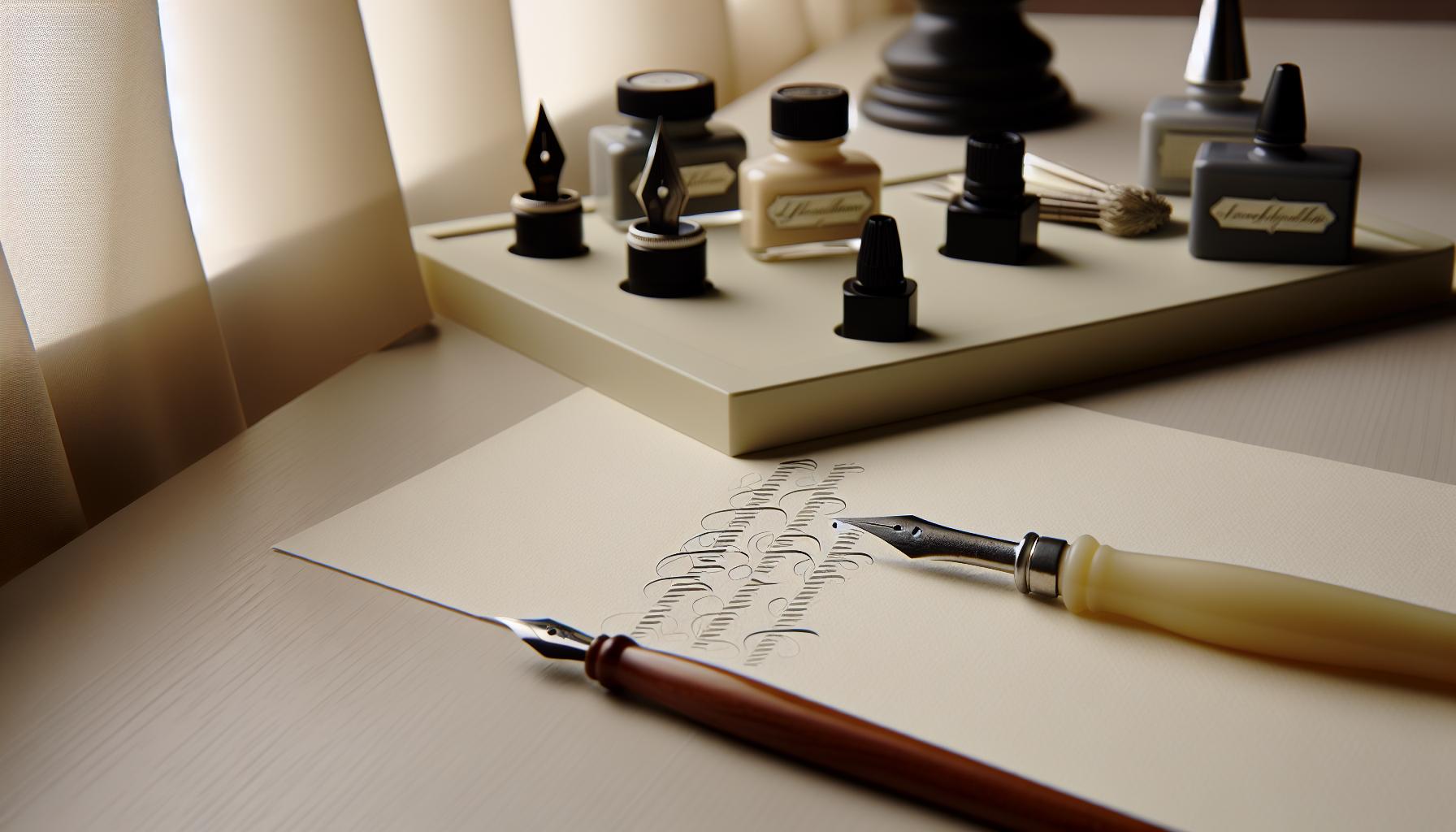
Choosing the Right Pen for Copperplate Calligraphy
To truly master Copperplate calligraphy, selecting the right pen is crucial. It’s not just about picking something you like; it’s about finding a tool that complements your style and expertise. Copperplate, known for its elegant, flowing script and distinct fine upstrokes and thick downstrokes, requires a pen that can handle intricate movements while maintaining control and fluidity in your writing.
Start by considering the type of nib. Popular choices include the Nikko G and Zebra G nibs, both favored for their flexibility and ability to produce varying line widths. If you’re aiming for more advanced effects, try the Leonardt Principal EF nib. Each of these options lends itself well to the nuances required by Copperplate, allowing for the sharp contrasts that define this style. Remember, the nib’s width can affect how easily you achieve the dramatic strokes necessary for Copperplate’s signature look.
Next, think about the pen holder. You can choose between a straight pen, which is simple and offers a straightforward approach, and an oblique pen, designed with an angle that helps create those characteristic flourishes. An oblique pen can be particularly beneficial for beginners, as it naturally guides your hand into the right position for creating elegant upstrokes and downstrokes. Whichever holder you select, aim for one that feels comfortable in your hand-you’ll spend hours practicing, so comfort is key.
Here are some top tips for choosing your Copperplate pen:
- Nib Flexibility: Look for nibs that offer good flexibility; they can help you achieve the desired line variation.
- Comfort: Try different holders to find one that feels natural and allows for fluid motion.
- Experiment: Don’t hesitate to switch between different nibs and holders to see what feels best for you.
Choosing the right pen isn’t just about the tools-it’s an essential step in enhancing your calligraphy skills and artistic expression. Take your time in experimenting with different combinations until you find the perfect setup that feels right for your unique style and comfort.
Understanding Copperplate Calligraphy Techniques
To truly embrace the elegance of Copperplate calligraphy, you need to understand the foundational techniques that set it apart. This style is all about contrast; it harmonizes delicate upstrokes with bold downstrokes, creating fluid and graceful letters that seem to dance across the page. Mastering these techniques involves more than just good penmanship-it’s about developing a consistent pressure control and a smooth rhythm as you write.
Begin with your hand positioning. An ergonomic grip on your pen holder not only enhances comfort but also improves your control. An oblique pen holder can be particularly advantageous as it naturally positions your hand at an angle, encouraging the correct motions for flourishing. Your posture also matters. Sit up straight and maintain a relaxed wrist while keeping your eyes on the paper, not the pen. This way, you can focus on the strokes rather than the tool itself, allowing for better flow and fluidity.
When practicing, start with basic shapes. Focus on producing consistent ovals and loops to enhance your muscle memory for upstrokes and downstrokes. Pay attention to the pressure you apply-the secret lies in creating a dynamic contrast. Light pressure for the thin strokes and firmer pressure for the thick strokes is key. Use a gridded or lined paper as a guide to help keep your letters uniform, especially as you work on maintaining even spacing and height.
Lastly, don’t shy away from exploring different variations of the Copperplate script. Once you get a grasp on the basics, experiment with connecting letters and adding personal flourishes. Look for inspiration in classic masterpieces and modern interpretations to discover what resonates with your style. Remember, the beauty of Copperplate calligraphy lies in its ability to express your individuality through elegant strokes-so enjoy the process, be patient, and celebrate each small victory along the way.
Essential Features of Copperplate Pens
To truly excel in Copperplate calligraphy, the pen you choose can make all the difference. Not every pen is created equal; Copperplate requires specific features that cater to its distinctive style. First and foremost, you need a pen with a flexible nib. This flexibility allows for the fine lines and thick strokes that characterize Copperplate lettering. Nibs like those made by William Mitchell or Joseph Gillott are popular among calligraphers for their responsiveness and precision, striking the right balance between control and expression.
The pen holder you select is equally important. An oblique holder is highly recommended because it positions the nib at an optimal angle for creating flourishing strokes. This design not only enhances comfort but also supports proper hand positioning, leading to smoother strokes. If you’re starting, you might want to experiment with both oblique and straight holders to see which one feels most natural in your hand.
Grip and Weight: The Perfect Combo
Consider the grip and weight of the pen as well. A comfortable grip helps you maintain control without tiring your hand. The weight should feel balanced; too heavy or too light can disrupt your rhythm. Many calligraphers find that a medium-weight holder provides the best feedback while writing.
Choosing Nibs for Variation
When it comes to nibs, variety is key. Each nib will produce slightly different results, so having a few options at your disposal can help you achieve various styles and effects. Experiment with different sizes and manufacturers to find your favorites. A starter set, which often includes multiple nibs, can be a smart investment if you’re unsure where to begin.
Ultimately, the right pen for Copperplate calligraphy is one that feels good in your hand and allows you to express your artistic voice effortlessly. Don’t hesitate to try out various combinations of pens and nibs before settling on your favorites. Each tool will bring you closer to mastering this beautiful art form.
Comparing Nibs: What Works Best?
Choosing the right nib for Copperplate calligraphy can feel overwhelming, especially since each one offers unique qualities that influence your writing style and technique. It’s not just about picking any nib; it’s about finding one that harmonizes with your individual touch and the fluid grace that Copperplate demands. Each nib can yield different results, and exploring various options is key to achieving that exquisite combination of fine lines and dramatic flourishes.
Among the favorites, the Gillott 303 is a top choice for many calligraphers. Its flexibility allows for great line variation, which is vital for the dynamic strokes characteristic of Copperplate. If you prefer a slightly stiffer nib that still provides excellent control, the Hunt 101 might be your go-to. It’s known for its durability and responsiveness, making it ideal for beginners and experienced calligraphers alike who want to experiment without compromising on performance.
When comparing nibs, always consider factors such as line width, flexibility, and how the nib holds ink. A flexible nib will help you achieve the dramatic contrast that Copperplate is celebrated for, but a nib that’s too soft may lack the control required for intricate details. Remember, different nibs can change your writing experience dramatically. Keep an assortment in your kit; experimenting with different shapes and sizes will not only enhance your skill but also deepen your appreciation for the art form.
In addition to flexibility, the Leonardt 40 and Gillott 170 are also great options. The Leonardt is particularly celebrated for its ability to create sharp lines and delicate curves, which can give your work a distinct, graceful feel. The Gillott 170 is another favorite, especially among seasoned calligraphers, for its balanced control and ability to produce consistent ink flow.
Ultimately, finding the right nib is a personal journey. Try each nib a few times and pay attention to how they respond to your hand’s movements. This insight will help you choose the perfect tools to bring your Copperplate calligraphy to life. Happy writing!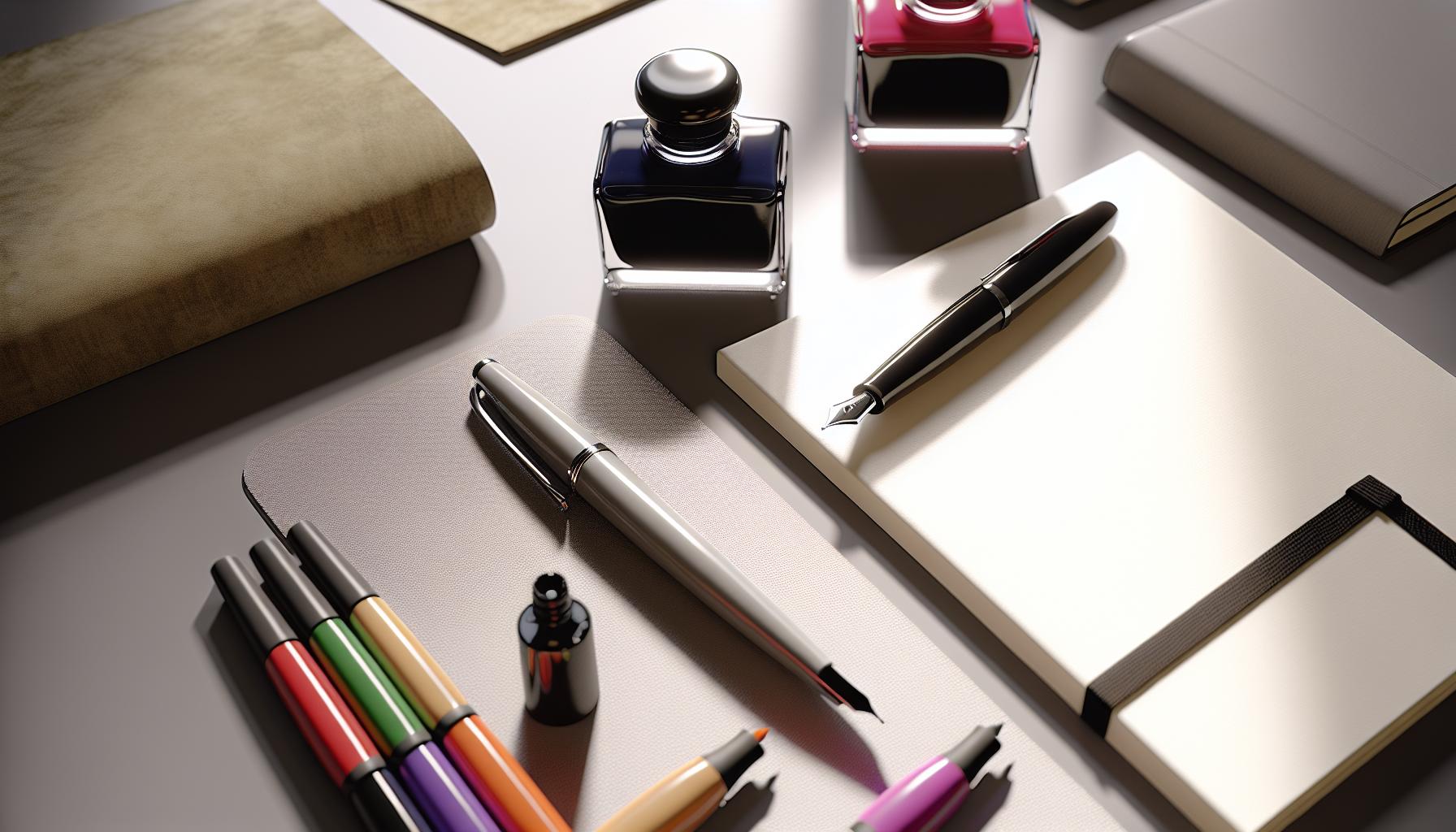
Ink Types: Finding Your Perfect Match
Choosing the right ink for Copperplate calligraphy is just as crucial as selecting your pen and nib. The perfect ink can dramatically enhance your writing experience and the final appearance of your work. In Copperplate calligraphy, where fine lines and fluid motions create beautiful scripts, the ink needs to perform consistently-flowing smoothly while drying at a rate that prevents smudging.
When it comes to inks, you have options, and each has its pros and cons. Many calligraphers recommend iron gall ink for its rich saturation and color depth. It can create stark, dark lines that contrast beautifully on white paper. However, be cautious with iron gall; its acidic nature can damage some papers over time, and it can cause nib corrosion if not cleaned promptly. If you prefer a safer alternative, water-based inks are user-friendly and come in a variety of colors. They offer easy cleanup and less risk of nib damage, making them a favorite among beginners.
You should also consider pigment-based inks, known for their water-resistance and vibrant colors. These inks are ideal if your Copperplate calligraphy might see some exposure to moisture or if you plan to frame your work. But remember, they can be thicker than dye-based inks, which might require a slightly different nib or adjustments to your writing pressure.
Testing various inks is essential. Grab a few samples and make some practice strokes. Notice how they behave with your chosen nib and pen holder. Does the ink flow smoothly? Does it pool or skip? Pay attention to the drying time-ideally, it should dry quickly enough to avoid smudging but not so fast that it rushes your work.
In conclusion, the right ink complements your pen and nib choices, enhancing the elegant style of Copperplate calligraphy. Don’t shy away from experimentation! Each ink type can lead to different artistic outcomes, allowing your personality to shine through in your scripts.
Specialized Tools for Your Copperplate Kit
To master Copperplate calligraphy, having the right specialized tools in your kit isn’t just helpful-it’s essential. When you dive into the world of elegant scripts, ensuring you’re equipped with all the necessary items can make all the difference between frustration and enjoyable practice. Let’s break down the key components every aspiring Copperplate calligrapher should consider for their toolkit.
Essential Tools
A Copperplate calligraphy kit typically includes the following items:
- Calligraphy Pen Holders: Ideally, choose an oblique holder designed specifically for Copperplate. This allows for the angle needed to produce those beautiful flourishes.
- Nibs: The flexibility of the nib is crucial. For Copperplate work, a nib that can bend slightly under pressure will help achieve those thick and thin lines that characterize the style. Common choices include the Brause Steno and the Nikko G.
- High-quality Paper: The paper should be smooth and resistant to feathering. Look for papers specifically designed for calligraphy to make your practice smoother and more enjoyable.
- Guideline Paper: Using practice sheets with pre-printed guidelines can help you maintain consistent height and slant in your letters. This is especially useful for beginners.
- Ink: Don’t underestimate the importance of ink. Whether you’re opting for traditional iron gall ink or a user-friendly water-based ink, ensure it flows well and complements your nib.
Extras for Enhancement
Once you’ve got the basics, consider adding these extras to elevate your practice:
- Light Table or Tracing Pad: Ideal for tracing over guides or existing works to understand the flow and style.
- Cleaning Supplies: A dedicated cleaning solution for your nibs will keep them in top condition and extend their lifespan. Cotton swabs and paper towels will also be handy for cleanup.
- Ruler and Pencil: To make your own guides or to draw margins on your practice paper, having a ruler and a fine pencil will be beneficial.
Investing in a well-rounded Copperplate kit is a vital step towards developing your calligraphy skills. By having the right tools close at hand, you’ll not only feel more prepared but also find greater joy and creativity in your practice sessions. Don’t hesitate to experiment with various tools to find what best suits your style!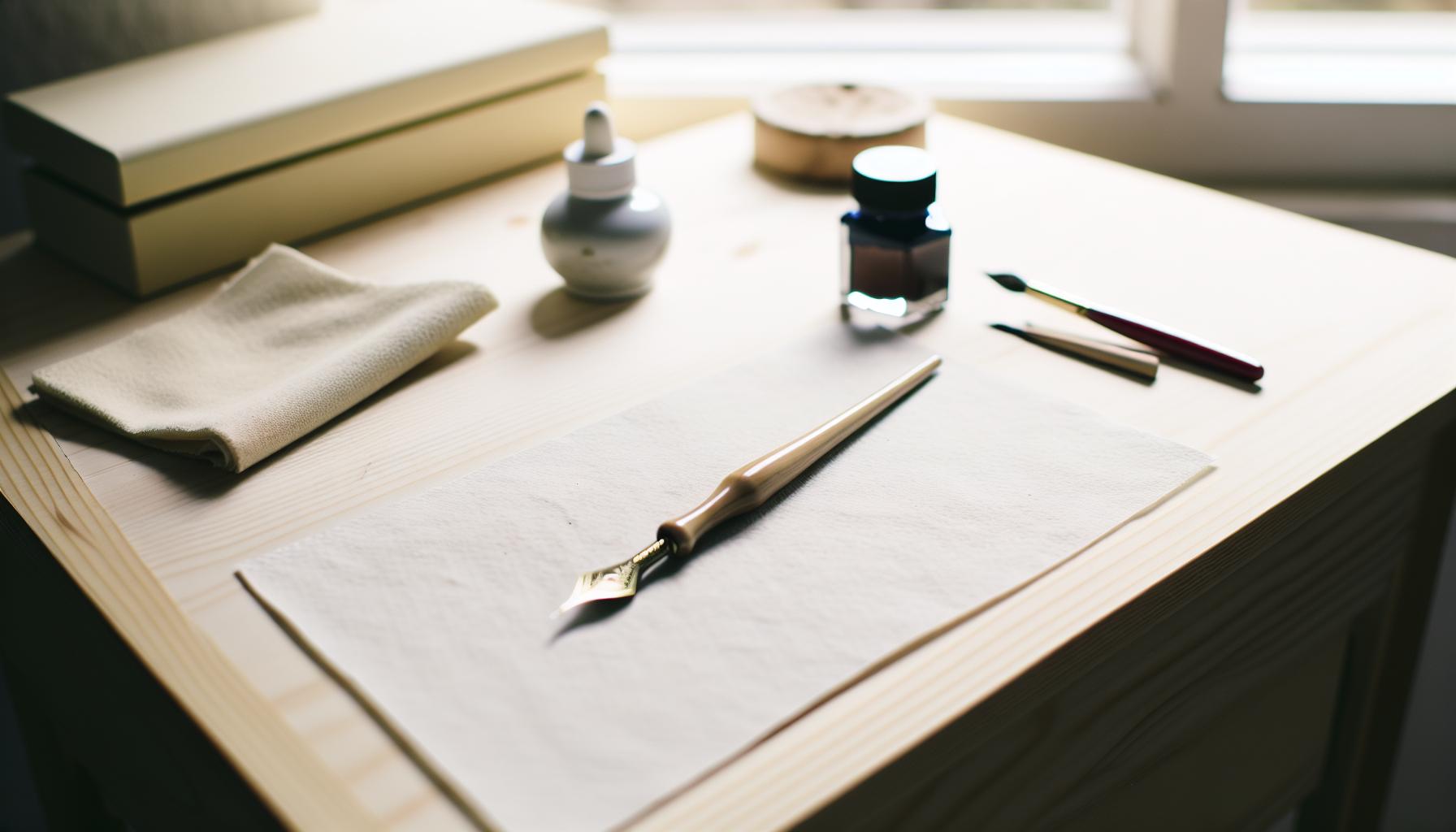
Tips for Maintaining Your Copperplate Pen
To keep your Copperplate pen in prime condition, maintenance is key. Without proper care, you risk frustrating moments during your practice when the nib misbehaves or doesn’t perform as expected. Here are some straightforward tips to ensure your pen remains a reliable companion on your calligraphy journey.
After each session, dedicate a few minutes to cleaning your nib. Ink can dry quickly and clog the nib’s flexibility, which is crucial for those elegant thick and thin strokes. Rinse the nib under lukewarm water, avoiding hot water to prevent damage. Use a soft cloth or paper towel to gently dab it dry, ensuring no moisture remains that could lead to rust. A gentle brush or an old toothbrush can help remove any stubborn ink residue without scratching the nib.
Storage also plays a significant role in your pen’s longevity. Always store your pen horizontally or upright with the nib up to prevent ink from pooling and clogging. Avoid placing it in direct sunlight or areas with extreme temperatures, as this can warp the holder or dry out any ink still in the nib. If you haven’t used it for a while, check the nib and clean it before starting again.
Lastly, don’t forget to replace your nibs regularly. Over time, even the best nibs can wear out, affecting your pen’s performance. If you notice it skipping or the lines aren’t as crisp, it might be time for a new one. Keeping a few spare nibs on hand can save you from abrupt interruptions in your creative flow. By adhering to these maintenance tips, you’ll ensure that your Copperplate pen serves you well, allowing your artistry to shine without technical setbacks.
Common Mistakes to Avoid with Copperplate
It’s easy to feel overwhelmed when starting with Copperplate calligraphy, and common missteps can easily derail your progress. If you’re not careful, you might find yourself frustrated with inconsistency or, worse yet, giving up altogether. One major mistake beginners make is neglecting the basics of proper pen grip and placement. A relaxed grip and the right angle are essential; gripping the pen too tightly can lead to shaky lines and fatigue. Aim for a 45-degree angle with the nib to the paper to achieve that elegant flourish and ensure your ink flows smoothly.
Another pitfall is underestimating the importance of practice. Copperplate requires patience and repetition to master those delicate strokes. Skipping warm-ups or diving straight into complicated phrases often results in poor execution. Instead, set aside time to practice basic strokes daily-think of it as your foundation. Focus on consistency. You’ll be amazed how these small sessions can enhance your muscle memory and confidence.
Additionally, avoid the temptation of using any ink and paper. Many beginners overlook the specific requirements for Copperplate. Not all inks behave well with the sensitivity of Copperplate nibs; some can dry too quickly or become too watery. Investigate inks labeled specifically for calligraphy and opt for high-quality papers that resist feathering and bleed. Smooth, bleed-proof paper is your best bet to keep the ink flowing beautifully and the lines crisp.
Finally, don’t neglect nib care. A common mistake is assuming a nib should last forever. Nibs can wear out or get clogged, and recognizing when to replace them is crucial. If you notice skipping or uneven lines, it might be time for a new one. Regular cleaning after sessions will prolong your nib’s life and maintain its performance. By steering clear of these mistakes, you’ll enjoy a smoother journey into the art of Copperplate calligraphy. Embrace the learning process, and soon enough, you’ll see your style flourish.
Inspiration: Notable Copperplate Calligraphers
In the world of Copperplate calligraphy, inspiration can often come from the masters who have perfected this elegant art form. Notable calligraphers have not only set the standard in technique but also showcased the beauty and versatility of the Copperplate style, motivating countless individuals to explore their calligraphic journey. Looking to the works of these skilled artists can deepen your appreciation and guide your practice.
Among the giants of Copperplate calligraphy is Engraver’s Script pioneer George B. R. Smith, whose elegant touches and refined strokes captivated audiences and led many to embrace this style. His meticulous attention to detail and commitment to mastering the basic strokes underscored the belief that consistent practice can yield outstanding results. His works serve as a reminder that even small, simple pieces can reflect high artistry.
Another inspiring figure is Francesca Scully. Her unique approach combines traditional methods with modern flair, showcasing how Copperplate calligraphy can evolve. Francesca’s Instagram feed is a treasure trove of creativity, filled with vibrant colors and innovative layouts that challenge the conventional. She emphasizes the importance of finding your voice, encouraging fellow calligraphers to experiment with styles and materials, an essential takeaway for anyone looking to make their mark.
Mike Duddy is another name that stands out, especially with his teaching workshops. He often stresses the significance of understanding the tools, including the right pen and nib choice for achieving varied effects in Copperplate. Mike’s dedication to sharing knowledge underscores the importance of community in the calligraphy world-an invaluable resource for beginners and seasoned calligraphers alike.
Consider exploring their works through social media platforms or calligraphy exhibitions. These interactions can be invaluable. Watching their techniques in real-time, reading their tips, and engaging with their methods can inspire your practice. Besides, don’t forget to check out their workshops, as hands-on experience is often where the magic truly happens.
Inspiration is all around you, and these artists exemplify the beauty that can arise from dedication, practice, and a willingness to innovate. Embrace their legacies, and let their works fuel your passion for creating beautiful Copperplate pieces.
Showcase of Stunning Copperplate Works
When you immerse yourself in the world of Copperplate calligraphy, the beauty of the work produced can be truly breathtaking. Artists showcase a level of skill and creativity that transcends basic penmanship, transforming letters into pieces of art. Observing stunning examples of this elegant style can inspire and motivate you as you practice and perfect your own technique.
Take, for instance, the exquisite works of George B. R. Smith, whose meticulous detail in every stroke embodies the essence of Copperplate. His pieces often feature clean, fluid lines and delicate flourishes that not only demonstrate precision but also a keen understanding of balance and composition. Copying his works, or even just studying them, can reveal secrets about pressure shifts and the angles that create those graceful loops and swirls.
Francesca Scully presents a modern twist on Copperplate, infusing her designs with vibrant colors and playful layouts. This evolution of traditional techniques encourages calligraphers to break free from conventions. Her art encourages experimentation; don’t shy away from using different materials or styles that resonate with you. Following her on social media platforms, where she shares both finished pieces and works-in-progress, can provide valuable insights into her creative process and inspire your own innovations.
Including yourself in communities where Copperplate artists gather-whether through workshops or online forums-can unleash even more creativity. Watching experts like Mike Duddy demonstrate their techniques can clarify complex movements that might initially seem daunting. Engaging with these communities allows you to ask questions, share progress, and receive feedback, fostering a supportive environment that’s vital for growth.
Ultimately, showcasing beautiful Copperplate work isn’t just about appreciation; it’s about sparking that same enthusiasm in your practice. Each piece offers a chance to learn and grow, reminding you that the journey of mastering Copperplate is just as rewarding as the finished product. So, seek out these stunning examples in exhibits, on social media, and in calligraphy competitions, and let them inspire your own remarkable creations.
Where to Buy Quality Copperplate Tools
Finding quality tools for Copperplate calligraphy can transform your practice from ordinary to extraordinary. If you’re serious about improving your skills, investing in the right supplies is essential. Thankfully, there are several reliable sources where you can find everything from pens to specialty inks designed specifically for this elegant style of writing.
A great starting point is John Neal Books, which offers a comprehensive Logos Calligraphy Copperplate Kit. This kit includes all the necessary tools for beginners and those looking to refine their skills, making it an excellent one-stop shop for aspiring calligraphers. You can explore their offerings here.
Another solid option is Paper and Ink Arts, known for their Copperplate Calligraphy Kit. If you’re struggling to find class access, this kit serves as a superb alternative, packed with everything you need to dive into Copperplate with confidence. Take a look at their selection here.
For a more extensive array of tools, Amazon features a wide selection of calligraphy supplies, including books that teach mastering Copperplate techniques. Searching for “Copperplate calligraphy tools” there could yield some outstanding choices for both beginners and seasoned calligraphers looking to expand their toolkit.
When purchasing, don’t shy away from investing in quality. Opt for nibs that suit your style-some prefer the flexibility of a wider nib for fluid strokes, while others might favor finer points for detailed work. Quality ink, ideally with rich pigmentation and the right flow for your nib, can also make a world of difference in the final appearance of your letters.
In addition to these retailers, consider joining online calligraphy communities or forums. They can be great sources of recommendations for lesser-known vendors or even local shops that may carry specialized Copperplate tools. Remember, the right tools not only enhance your skills but also make the joy of practicing Copperplate calligraphy even greater.
Resources for Enhancing Your Calligraphy Skills
Finding the right resources to elevate your Copperplate calligraphy skills is key to making meaningful progress. Alongside quality pens and inks, there are fantastic tools-both physical and digital-that can enrich your practice and understanding of this elegant writing style.
Books & Online Resources
Books like Copperplate Calligraphy from A to Z provide comprehensive guidance on mastering the fundamentals and beyond. They break down techniques into digestible lessons that are easy to follow. Look for ones that include practice sheets. Websites dedicated to calligraphy often offer free resources such as worksheets and instructional videos. For example, Lettering Daily has free downloadable worksheets specifically for Copperplate, which can be invaluable for beginners looking to hone their skills [3].
Practice Kits
Getting a practice kit can dramatically streamline your learning experience. Kits such as the Copperplate Calligraphy Kit from Paper and Ink Arts come with everything you need to get started, including pens, nibs, ink, and practice paper. It’s a great way to avoid the overwhelm of selecting items from scratch [2].
Online Classes and Communities
Consider enrolling in online courses, which can provide structured learning environments with expert feedback. Platforms like Skillshare or Udemy host various classes led by seasoned calligraphers. Additionally, connecting with online calligraphy communities can offer support, inspiration, and tips from experienced practitioners. Sites like Instagram and Facebook often feature groups where you can share your work and receive valuable critiques.
Incorporating these resources into your routine will not only enhance your skill set but also deepen your appreciation for the art of Copperplate calligraphy. Don’t hesitate to experiment with different tools and techniques-each one can lead to unexpected improvements and personal style development. Happy writing!
FAQ
Q: What type of nib is best for Copperplate calligraphy?
A: The best nibs for Copperplate calligraphy are flexible pointed nibs, such as the Brause 361 or the Nikko G. These nibs allow for varied line width, which is essential for the style’s characteristic thin and thick strokes. Choosing a flexible nib enhances the elegance of your lettering.
Q: Can I use a regular fountain pen for Copperplate calligraphy?
A: While a regular fountain pen can create beautiful writing, it falls short for Copperplate calligraphy. Copperplate requires the unique flexibility of a pointed nib for creating the necessary dramatic upstrokes and downstrokes. For true Copperplate style, opt for a dip pen with flexible nibs.
Q: What ink should I use for Copperplate calligraphy?
A: Using high-quality, non-waterproof ink is crucial for Copperplate calligraphy. Inks like black walnut or iron gall provide rich color without ruining the nib. For a glossy finish, consider using sumi ink, but ensure it’s suitable for your chosen paper to avoid bleeding.
Q: How do I choose the right paper for Copperplate calligraphy?
A: Choosing the right paper is essential to avoid ink bleeding and feathering. Look for smooth, heavyweight papers specifically designed for calligraphy or fine art. A minimum weight of 90gsm is recommended, and sheets with little to no texture work best.
Q: Can I use colored ink for Copperplate lettering?
A: Yes, you can use colored ink for Copperplate lettering, but be cautious to choose high-quality, consistent inks. Colors can add a unique touch to your work, but they may behave differently than traditional black ink. Test on scrap paper first to see how it flows.
Q: What should I look for in a Copperplate calligraphy pen holder?
A: A comfortable, balanced pen holder is key for Copperplate calligraphy. It should accommodate your nib securely and feel good in your hand, allowing for prolonged practice. A straight or oblique holder can be chosen based on your pen grip and personal preference.
Q: How can I improve my Copperplate calligraphy skills?
A: Improving your Copperplate skills involves consistent practice and study. Focus on basic strokes and letterforms, and consider joining a workshop or online class to receive professional feedback. Experiment with different nibs and inks to find what works best for your style.
Q: Are there any common mistakes to avoid in Copperplate calligraphy?
A: Common mistakes include applying too much pressure on the nib or practicing too fast. Focus on forming each stroke deliberately, and develop a comfortable rhythm. Regularly clean your nib to avoid ink buildup, which can cause misalignment in your strokes.
For further resources and in-depth tips on Copperplate calligraphy, check out our sections on Essential Features of Copperplate Pens and Common Mistakes to Avoid with Copperplate in the main article. Happy lettering!
In Conclusion
Now that you know which pens to use for Copperplate calligraphy, it’s time to put that knowledge into action! Remember, the right tools can make all the difference. Don’t hesitate-grab your pen and start practicing today! If you want to dive deeper, check out our guides on mastering Copperplate strokes and the essential materials you’ll need.
Still have questions? Leave a comment below; I’m here to help! And if you’re looking to enhance your calligraphy journey, sign up for our newsletter for exclusive tips and resources. Explore our site further for more insights into the art of calligraphy. Keep creating beautifully, and see you in the next article!