

Choosing the right pen for calligraphy can feel overwhelming, especially for beginners. Did you know that the right tool can make all the difference in your lettering journey? Whether you’re dreaming of beautifully crafted invitations or simply want to explore your creativity, the pen you choose can significantly impact your experience and results. This guide will demystify your options, break down key features, and help you find a pen that matches your style and skill level. So, if you’re ready to elevate your calligraphy game, keep reading to discover which pen is perfect for you!
Choosing the Right Calligraphy Pen for Beginners
When diving into the world of calligraphy, the choice of pen can make or break your experience. For beginners, it’s key to select a pen that is not only easy to handle but also versatile enough to accommodate various styles and techniques. Having started my calligraphy journey years ago, I know the overwhelming array of options can lead to second-guessing. But here’s a simple truth: you don’t need a fancy pen to produce beautiful lettering.
Start Simple: For newcomers, felt tip and brush tip pens are fantastic choices. They offer a smooth ink flow and good control, which is crucial when you’re just getting the hang of forming letters. Felt tip pens, specifically designed for calligraphy, often come with precise tips that help in mastering the basic strokes needed for lettering.
The beauty of calligraphy is in its variety; there’s something for everyone. You might want a pen that allows you to easily switch between different styles. Many beginner sets come with multiple interchangeable nibs, which give you the freedom to experiment. Look for pens that provide a balance between flexibility and structure, as this will empower your creativity without overwhelming you with technicality.
Consider also the grip of the pen. A comfortable calligraphy pen can drastically improve your practice sessions and prevent fatigue. Try out a few different types before you decide; getting a feel for the weight, balance, and grip can make a huge difference in how your penmanship evolves. And remember, the best pen is the one that makes you excited to write, so follow your instincts and enjoy the journey!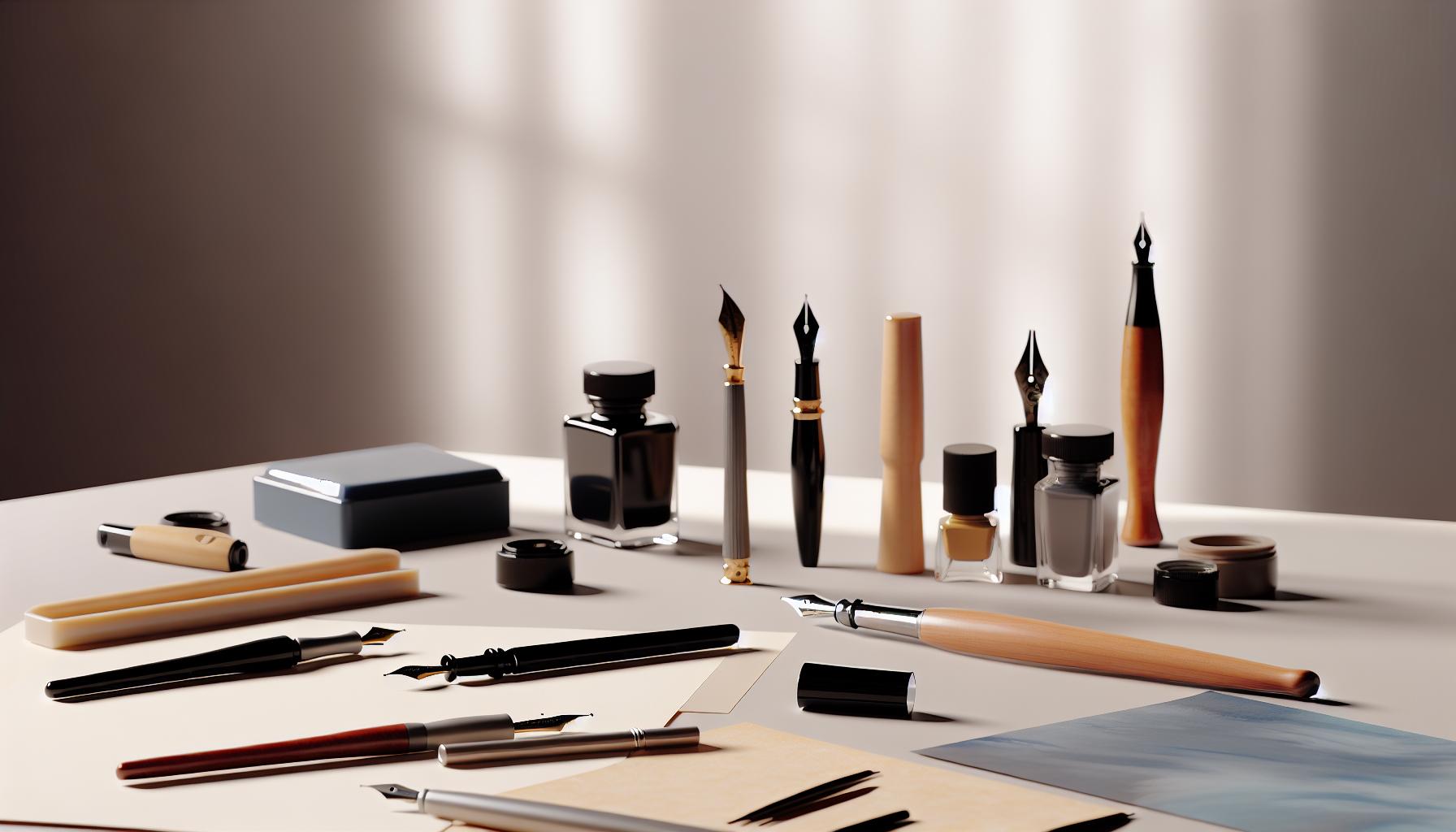
Exploring the Different Types of Calligraphy Pens
When venturing into the world of calligraphy, understanding the variety of pens available is crucial for your journey. Each type offers a unique experience and suits different styles, so exploring these options can elevate your artwork significantly. From traditional nib pens to modern brush pens, the right choice can enhance your creativity and enjoyment.
Felt Tip Pens
Felt tip pens are an excellent starting point for beginners. They come in various sizes and colors, allowing you to create clean lines and bold strokes easily. Many are specially designed for calligraphy, featuring a firm tip that offers great control. You can quickly achieve both thick and thin lines simply by adjusting the pressure you apply, making them perfect for mastering fundamental calligraphy techniques.
Brush Pens
If you want to dive into a more flexible style, brush pens might be your best bet. These pens have bristles that mimic the feel of a paintbrush, allowing for expressive strokes and fluid letterforms. They are fantastic for learning modern calligraphy styles that incorporate graceful flourishes. Brush pens often come with different flexibility levels, so you can select one that suits your writing style.
Nib Pens
For those looking for more traditional calligraphy, nib pens are the way to go. These pens consist of a holder and interchangeable nibs, which allows you to customize your writing experience. Different nibs have varying widths and flexibility, which directly affects your stroke thickness. A fundamental understanding of how to use these tools can take your calligraphy to a professional level, but they might require more practice and patience.
Other Considerations
When selecting a pen, think about the ink options as well. Some pens are refillable, while others are disposable. Choosing the right ink can also make a difference in the final outcome of your work, so experiment until you find what works best for you. Comfort is essential too; look for pens that feel good in your hand, enabling you to write for extended periods without strain.
With this spectrum of pen types, every beginner can find their perfect match. Invest a little time in trying different options to discover what feels right. You’ll soon realize that pen selection is not just about the tool-it’s about finding the one that ignites your passion for calligraphy.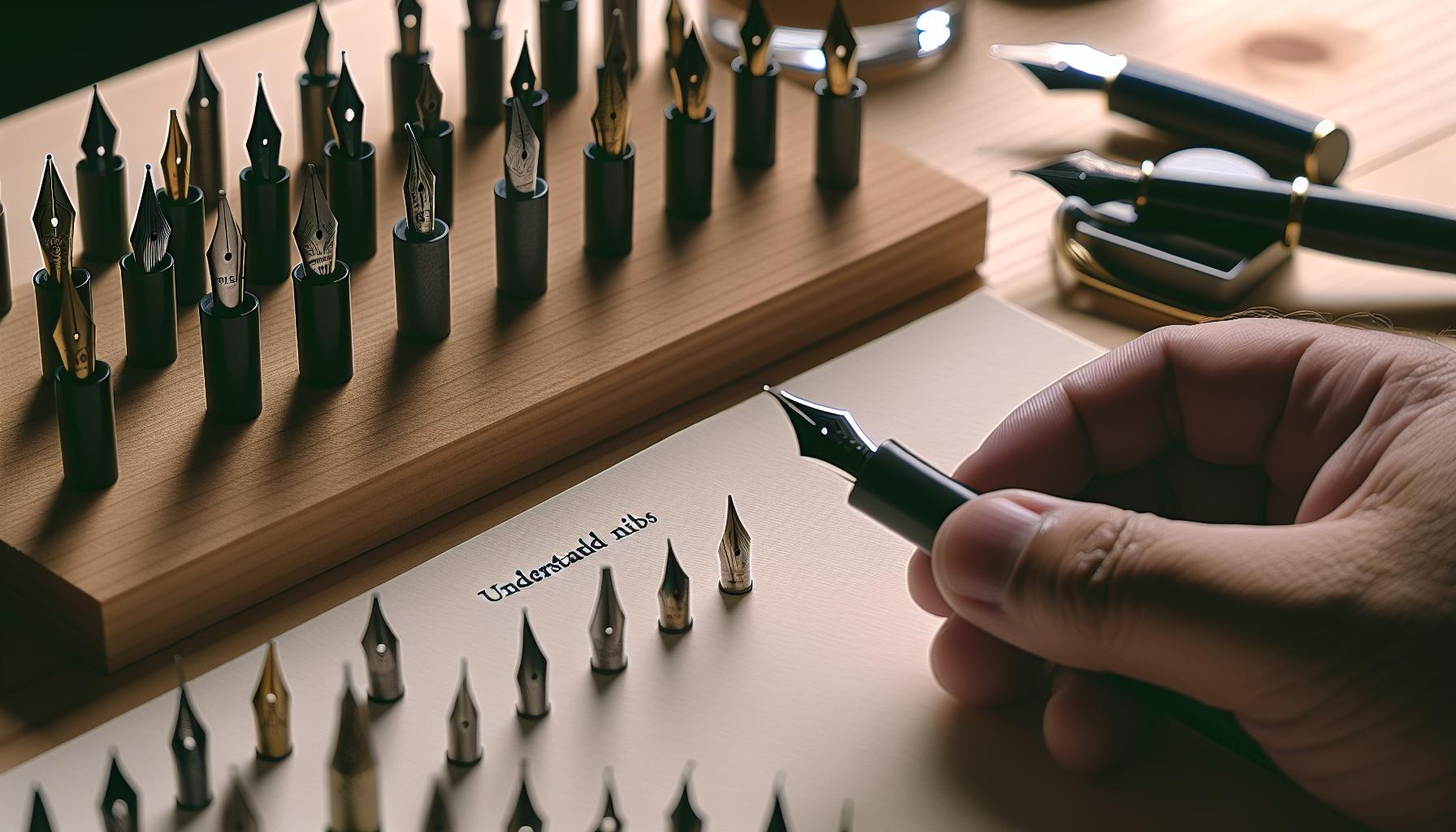
Understanding Nibs: Importance and Variety
Choosing the right nib is essential in calligraphy, as it serves as the connection between your hand and the ink on the paper. Nibs come in various shapes, widths, and materials, each influencing your writing style and the overall aesthetic of your work. Understanding the importance of nib variety can transform your experience and results in this art form.
Different nib types yield unique effects in your writing. For instance, broad nibs (like 3.5mm or 5mm) are perfect for creating dramatic flourishes and thick strokes, which are common in traditional styles such as Gothic or Copperplate. Conversely, finer nibs produce delicate lines ideal for detailed work, allowing for intricate letterforms and embellishments. When selecting a nib, consider both your current skill level and the style of calligraphy you wish to pursue. A beginner may find it easier to start with a medium or broad nib that provides more room for error, while experienced calligraphers might prefer finer nibs for precision.
Nibs also vary in flexibility, which affects how they respond to pressure. Stiffer nibs are great for consistent lines, while flexible nibs allow the artist to create dynamic thickness in strokes depending on the pressure applied. This feature opens the door to more expressive writing styles, making the pen feel like an extension of your creative impulses. If you’re just starting, experiment with a couple of different nib types to see what feels most comfortable and suits your style best.
Moreover, maintaining your nib is crucial for optimal performance. Regular cleaning prevents ink build-up and ensures your lines remain crisp. Using a quality ink that matches your nib type can also make a noticeable difference in how your calligraphy looks. Take the time to explore and embrace the diversity of nibs-your calligraphy journey will flourish as your understanding deepens.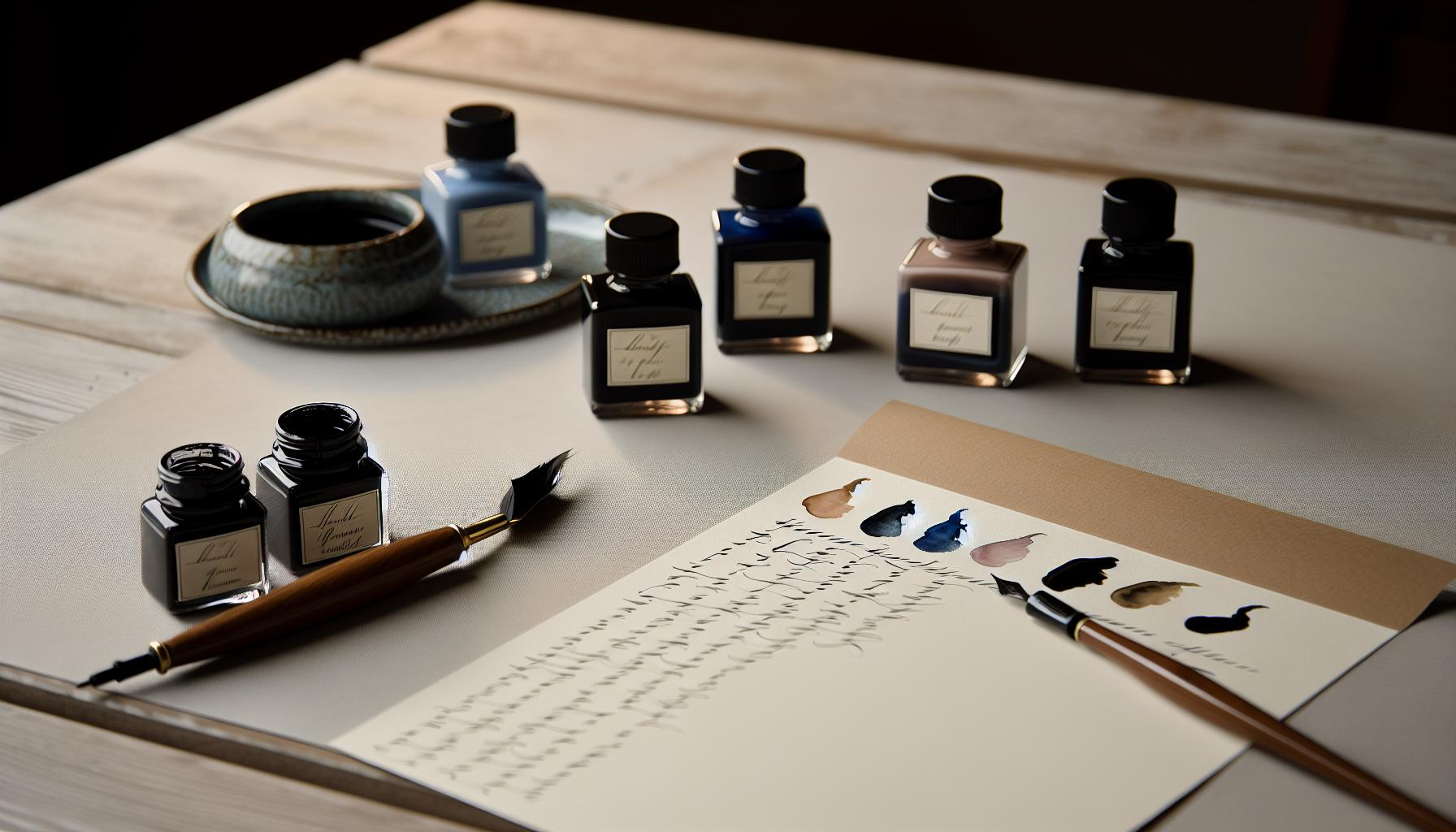
Best Inks for Calligraphy: What to Consider
When it comes to calligraphy, the ink you choose can significantly influence your results. The right ink not only enhances the beauty of your writing but also affects how your pen performs on the page. There are several factors to consider when selecting ink for your calligraphy projects, including consistency, color, drying time, and compatibility with your nib and pen type.
Start by understanding the different types of ink available. Fountain pen inks are often preferred for their smooth flow and variety of colors. They usually behave well with most nibs, making them a versatile choice. Calligraphy inks or drawing inks can be thicker and more opaque, which is excellent for bold lettering but may require a broader nib. On the other hand, India ink is well-known for its rich pigment and water-resistance, ideal for those looking to create long-lasting works. Just make sure to check your nib’s compatibility, as some inks can clog finer points.
When selecting ink, consider its drying time. If you’re working on a project that requires quick results or if you’re left-handed and prone to smudging, opt for inks that dry faster to avoid smearing. This is particularly crucial when using broad or flexible nibs, where ink flow can be more generous, leaving you vulnerable to smudges. However, if you’re chasing that luxurious, inky finish, a slightly slower-drying ink can enhance shading and line variation.
Additionally, think about the color and finishes you desire. Traditional colors like black and sepia are always reliable, but don’t shy away from vibrant hues or metallic finishes that can add flair to your work. Experimenting with a few different inks can help you find what resonates with your style. Always remember that a good ink not only meets your artistic needs but also feels comfortable during application, allowing your creativity to flow effortlessly.
In summary, mixing and matching different types of ink with the right pen and nib can elevate your calligraphy experience. Always consider how each ink will affect your writing style and the overall look of your projects. The journey to finding your perfect ink can be as rewarding as the art itself.
What Makes a Calligraphy Pen Comfortable?
Choosing the right calligraphy pen can make or break your experience with this beautiful art form. Comfort is paramount, especially if you plan to spend hours practicing your strokes. A pen that feels good in your hand can help you focus on creativity rather than discomfort. So, what actually makes a calligraphy pen comfortable?
First off, consider the grip and weight. A pen should feel balanced without being too heavy. Many beginners prefer pens with padded or contoured grips, as they prevent hand fatigue during long writing sessions. Look for pens that fit your hand comfortably, allowing for a natural hold. If possible, try out different styles to see what feels best for you.
Another key aspect is the nib flexibility. A flexible nib offers more control and can create varied line thicknesses, which adds character to your lettering. However, if you’re just starting, a more rigid nib may provide the consistency you need while developing your skills. As you practice, you can explore different nibs to find the perfect fit for your style.
Lastly, don’t overlook ink flow. A pen that offers smooth and consistent ink flow contributes to the overall comfort of writing. Inconsistent ink can disrupt your strokes and lead to frustration. Choosing a pen designed for easy ink delivery makes a significant difference and enhances your overall experience.
In essence, when selecting a calligraphy pen, prioritize comfort by paying attention to the grip, weight, nib, and ink flow. A comfortable pen not only improves your handwriting but also encourages you to enjoy the process, transforming calligraphy from a task into a joyous artistic journey.
Budgeting for Your Calligraphy Pen: Value vs. Quality
Understanding how to budget for a calligraphy pen is essential, especially when you’re just starting out. Let’s face it: good tools can get expensive, and it’s easy to get caught up in the allure of premium brands or fancy nibs. But here’s the reality-value doesn’t always equate to high cost.
When making your budget, start by defining what you really need. A decent beginner’s calligraphy pen can range from $15 to $50. If you’re serious about your craft, investing in a quality pen is wise, but that doesn’t mean you have to spend a fortune. Look for brands known for reliability rather than luxury. Based on my experience, consider starting with a mid-range pen that offers a balance of quality and price. You can always upgrade later as your skills develop.
Think about how often you’ll use the pen. If you’re practicing daily, a higher investment might pay off over time. Conversely, if this is a hobby you indulge in occasionally, there are plenty of affordable options that won’t compromise your progress. To help you visualize your choices, here’s a simple comparison of what you might look for at different price points:
| Price Range | Features | Best For |
|---|---|---|
| $10 – $25 | Basic nibs, lightweight | Casual hobbyists, beginners |
| $25 – $50 | Intermediate nibs, better grip | Regular users, practice |
| $50+ | Premium materials, flexible nibs | Advanced calligraphers, collectors |
Remember, the smartest spending includes considering all aspects of ownership. Quality pens can last a long time with proper care. Additionally, don’t forget about the ongoing costs of buying inks and replacement nibs. All in all, striking the right balance between price and quality will not only enhance your writing experience but also keep your creative juices flowing without breaking the bank.
Top Recommended Brands for Calligraphy Pens
When it comes to calligraphy, the right pen can make all the difference. You’ve got options, and knowing which brands stand out can save you time and frustration. Several brands consistently receive high praise for their quality, design, and performance, making them top choices for both beginners and seasoned calligraphers alike.
Top Picks for Calligraphy Pens
One of the most trusted names in calligraphy is Pilot, especially their Pilot Parallel Pens. They’re fantastic for beginners due to their ease of use and vibrant ink. These pens come with various nib sizes, allowing for a range of styles and letter thicknesses. Another excellent choice is Tombow, known for their Fudenosuke Brush Pens, which offer flexibility and control, perfect for creating elegant, flowing strokes.
Speedball pens are also noteworthy, particularly their oblique holders and a variety of nibs tailored for different styles. They offer great value, especially for those just starting to explore different techniques. If you’re aiming for traditional calligraphy, then look no further than Brause and their exceptional quality nibs, such as the Brause 361 Steno nib, revered for its precision and durability.
For those who want a luxurious writing experience, Zebra has some striking options, like the Zebra G nib, widely recognized for its smooth performance and reliability. Meanwhile, Noodler’s Ink not only provides outstanding calligraphy pens but also an impressive lineup of high-quality inks that work flawlessly with their pens.
Choosing the Right Brand for You
When deciding which brand to invest in, think about your personal style and how often you plan to practice. For those just starting out, brands like Pilot and Tombow are excellent for their accessibility and user-friendly designs. More experienced calligraphers may appreciate the precision of Brause or the quality of Noodler’s Ink.
Ultimately, the best calligraphy pen is one that feels comfortable in your hand, allows you to express your creativity, and meets your specific needs. Don’t hesitate to try out a few different brands to see which suits your style best. Your journey in calligraphy should be enjoyable, and having the right tools can make all the difference!
Common Mistakes When Buying a Calligraphy Pen
When diving into the world of calligraphy, many newbies stumble over a few common pitfalls while selecting their pens. It’s perfectly natural to feel overwhelmed given the plethora of options available. However, avoiding these mistakes can save you time, money, and frustration as you embark on your creative journey.
One significant error is neglecting to test the pen before your purchase. Trying out different pens in-store or checking reviews and demos online can make a massive difference. What feels comfortable in your hand might not be the best choice for your writing style. Also, don’t overlook the importance of nib type. Beginners often gravitate towards whatever looks appealing without considering whether the nib suits their style; a flexible nib may not be ideal for someone just starting out.
Another common misstep is letting price dictate your purchase. Sure, it’s tempting to reach for the cheapest option, but in calligraphy, quality matters. An affordable pen might deter your enthusiasm if it doesn’t perform well. Look for pens that strike a balance between quality and cost. Research brands that cater to beginners but still offer reliable performance-these will provide a better learning experience as you hone your skills.
Lastly, many aspiring calligraphers forget to factor in ongoing costs like ink, maintenance, and replacement nibs. It’s crucial to select a pen that not only feels good to use but also aligns with your budget for future supplies. Taking these considerations into account ensures you invest wisely, allowing you to focus on what’s most important: enjoying the art of calligraphy and expressing yourself creatively.
How to Test a Calligraphy Pen Before Buying
When you’re stepping into the world of calligraphy, the right pen can make or break your experience. Testing a calligraphy pen before you buy is not just a good idea; it’s essential. Just because a pen looks great on the shelf doesn’t mean it’ll feel great in your hand. So, how do you ensure that the pen you choose won’t just collect dust?
First, try different nibs and styles. If you can, visit a local art supply store that allows you to test their pens. Pick up various types-fountain pens, dip pens, and brush pens-and pay attention to how each feels. A flexible nib might seem appealing, but if you’re just starting out, you might prefer a stiffer option that offers more control. Writing a few strokes can give you a real sense of how it glides across the paper and how it responds to pressure. You want something that feels comfortable and natural, almost like an extension of your hand.
Next, consider the ink compatibility. Testing the pen is not just about the pen itself; it’s about how it performs with different inks. Some pens work better with specific types of ink than others, so don’t hesitate to dabble a bit. Bring along a few paper samples, as the paper’s texture can greatly influence how the ink flows and dries.
Lastly, don’t forget the weight and balance of the pen. Each pen has its own feel, and this can significantly affect your writing comfort during long sessions. A heavier pen might feel luxurious, but if it tires your wrist, it’s not the right choice. A properly balanced pen should feel light yet substantial, helping you maintain control without straining your hand.
All these factors are crucial in finding the perfect pen for your calligraphy journey. Take your time, and enjoy the process-your ideal pen is out there waiting for you!
Essential Accessories for Calligraphy Enthusiasts
When diving into the beautiful art of calligraphy, having the right tools can elevate your experience immensely. While a quality pen is foundational, it’s the accessories that often make the biggest difference in your practice and results. Whether you’re a novice or looking to enhance your skills, these essential accessories will set you up for success.
Quality Paper
The type of paper you choose can dramatically affect your writing. Look for papers specifically designed for calligraphy, which often have a smoother surface to allow ink to glide effortlessly. Brands like Rhodia and Canson offer excellent options that minimize bleed-through and feathering, ensuring your ink stays exactly where you want it.
Inks and Refills
Experimenting with different inks can be a game-changer. Not all pens are compatible with all inks, so make sure to pair them correctly. Consider using bottled inks if you’re working with dip pens, and always keep extra cartridges or bottles on hand for fountain pens. Brands like Winsor & Newton and Dr. Ph. Martin’s offer vibrant colors that can bring your calligraphy to life.
Nibs and Holders
Having a variety of nibs can expand your styles and improve your techniques. Different nibs offer varied line thicknesses and flexibilities, allowing for a diverse range of styles from elegant scripts to bold, modern lettering. Don’t forget a good holder-whether straight or oblique-as it’s essential for your comfort while writing.
Cleansing Tools
Taking care of your tools can extend their lifespan and maintain good performance. Invest in a cleaning solution made for nibs and pens, and keep soft cloths handy for drying. Regularly cleaning your nibs prevents clogging and preserves the integrity of the ink flow, thus providing a consistently enjoyable writing experience.
When you equip yourself with these essential accessories, you not only enhance your calligraphy practice but also open up avenues for creativity and expression. Each accessory plays a role in refining your craft, helping you make the most of your calligraphic journey. Happy writing!
Maintaining Your Calligraphy Pen: Tips and Tricks
To truly enjoy the art of calligraphy, maintaining your pen is just as important as picking the right one. A well-cared-for pen not only improves your writing experience but also prolongs the life of your investment. Here are some essential tips to keep your calligraphy pen in optimal condition, so you can focus on creating beautiful letters.
Start with regular cleaning. For dip pens, after each session, rinse your nib under warm water to remove residual ink. Avoid hot water, as it can damage certain inks and nibs. For fountain pens, use a gentle pen cleaning solution every few weeks, especially if you’ve used different inks that might clog the feed. Always flush the pen with water until it runs clear. This simple step can save you from frustrating clogs and inconsistent ink flow.
Storage matters. Store your pens upright in a case or horizontally if they are fountain pens filled with ink. If you leave ink in a pen for too long, especially in dip pens, it can dry out and cause serious problems. Whenever you’re finished writing, make it a habit to clean your pen and store it away properly to prevent any mess or damage.
Pay attention to the nib. Over time, nibs can wear down due to pressure and contact with paper. If you notice fraying or changes in writing quality, it’s time to replace your nib. Different nibs offer various line qualities, so experimenting with replacements can breathe fresh life into your writing style. Don’t forget to tighten the nib holder regularly to ensure it’s secure.
Lastly, find a comfortable grip. The way you hold your pen can affect not just your comfort but also your writing precision. If you find yourself straining your hand, consider using a softer grip or adjusting your posture. Many calligraphers find that a relaxed grip allows for smoother motion and creates a more fluid line.
By treating your calligraphy pen with care, you’ll enhance both its performance and your creative practice. Keeping these tips in mind will ensure that your pen serves you well for many wonderful writing sessions to come. Happy calligraphing!
Frequently Asked Questions
Q: What is the best pen for beginners in calligraphy?
A: The best pen for beginners is often a disposable fountain pen or a brush pen. These pens offer flexibility and ease of use without the need for extensive setup. They allow new calligraphers to experiment with different styles while keeping things simple. Check out the “Choosing the Right Calligraphy Pen for Beginners” section for more insights.
Q: How do I choose a calligraphy pen for specific styles?
A: To choose a calligraphy pen for specific styles, consider the nib type and size. For instance, a broad nib is excellent for Gothic styles, while a pointed nib is better for Copperplate. Each style has its unique requirements, so familiarize yourself with the pen capabilities related to your desired technique.
Q: What materials should I look for in a high-quality calligraphy pen?
A: Look for pens made of durable materials like metal or high-quality plastic. Ensure that the nib is made of stainless steel or gold for longevity and performance. A good grip and balance are also crucial for comfort during use. Refer to the “What Makes a Calligraphy Pen Comfortable?” section for more tips.
Q: How often should I replace my calligraphy pen?
A: You should replace your calligraphy pen when you notice decreased performance such as scratchiness or inconsistent ink flow. The lifespan varies based on usage, but regular maintenance can prolong their life. For maintenance advice, check the “Maintaining Your Calligraphy Pen: Tips and Tricks” section.
Q: Can I use regular ink in calligraphy pens?
A: While some calligraphy pens can use regular ink, it’s best to use inks specifically formulated for calligraphy. Regular inks may clog the nib or cause damage. Always refer to your pen’s guidelines for compatible inks and consider the “Best Inks for Calligraphy: What to Consider” for further details.
Q: What should I consider when buying a calligraphy pen set?
A: When buying a calligraphy pen set, consider the variety of nibs included, the quality of the inks, and whether it offers instructional materials. A good set should cater to your skill level and provide tools to explore different styles. Explore our “Top Recommended Brands for Calligraphy Pens” for great set options.
Q: Are expensive calligraphy pens worth the investment?
A: Expensive calligraphy pens often use higher-quality materials, offer better performance, and provide a more enjoyable writing experience. If you’re serious about calligraphy, investing in a quality pen can significantly enhance your skills. Consider the balance of value versus quality discussed in “Budgeting for Your Calligraphy Pen”.
Q: How can I learn to use a calligraphy pen effectively?
A: To learn effective calligraphy pen use, practice regularly and consider taking a class or following online tutorials. Start with basic strokes before progressing to full alphabet letters. Our article sections provide techniques to help improve your skills and avoid common mistakes.
Closing Remarks
Choosing the right pen for calligraphy can transform your writing experience, making it not just easier but also more enjoyable. With so many excellent options available, you don’t have to feel overwhelmed-your perfect pen is out there! Remember, trying different pens will help you find what suits your unique style best, so don’t hesitate to experiment.
Now that you’re equipped with the insights from “What Pen to Buy for Calligraphy: Make the Right Choice,” dive deeper into our guides on calligraphy techniques or discover the best paper types that pair beautifully with your new pen. If you’re eager to refine your skills further, consider signing up for our newsletter where you’ll receive expert tips and exclusive resources right in your inbox!
Got questions or want to share your pen discoveries? Leave a comment below-we’d love to hear from you! Your calligraphy journey awaits, and every stroke brings you closer to mastery.