

Finding the right pen for calligraphy can be a game changer for both beginners and seasoned artists. Did you know that the pen you choose can significantly affect your handwriting style and overall enjoyment? With so many options available, it’s easy to feel overwhelmed. The right tool not only enhances your creativity but also boosts your confidence, making every stroke a pleasure rather than a chore.
Whether you’re aiming for the elegance of traditional scripts or the flair of modern lettering, understanding the nuances of different pens is essential. From brush pens to dip pens, each type offers unique characteristics that can transform your writing experience. In this article, we’ll dive into expert recommendations, helping you choose the perfect pen that aligns with your artistic goals. So, let’s explore the best options to elevate your calligraphy journey and unlock your full potential!
Choosing the Right Calligraphy Pen for Your Style
When it comes to calligraphy, the pen you choose can dramatically impact your success and enjoyment of the craft. It’s not as simple as picking up any pen; each type has its own unique characteristics that cater to different styles and preferences. Whether you’re drawn to the graceful lines of pointed nibs or the bold strokes of broad-edged pens, understanding what each type offers is key.
There are primarily three categories of calligraphy pens: broad-edged pens, pointed nib pens, and brush pens. Broad-edged pens, with their flat tips, are fantastic for creating thick and thin strokes, making them ideal for scripts like Gothic and Uncial. Pointed nib pens excel in creating delicate, elegant lettering, perfect for Copperplate or Spencerian styles. Brush pens, on the other hand, provide a more versatile tool that allows for a range of expressions, suitable for everything from modern hand lettering to traditional calligraphy. Choose a pen that resonates with your desired style, as this will enhance both your skill development and your enjoyment.
Now, let’s consider some essential features of calligraphy pens. Look for pens with a comfortable grip, as you’ll be writing for extended periods. The quality of the nib matters too; a good nib should flex smoothly under pressure to create varying line widths. If you’re just starting out, you might want to experiment with different types and brands to find what feels best for you. Some beginners prefer starter sets that include a variety of nibs and inks, allowing you to explore without a significant investment. For instance, pointed pen samplers can introduce you to several styles without overwhelming you with choices.
In summary, the right calligraphy pen aligns with your artistic vision and practical needs. By understanding the types of pens and their features, you’ll set yourself up for success in your calligraphy journey. Don’t be afraid to try different pens; after all, finding your perfect fit can be an adventure!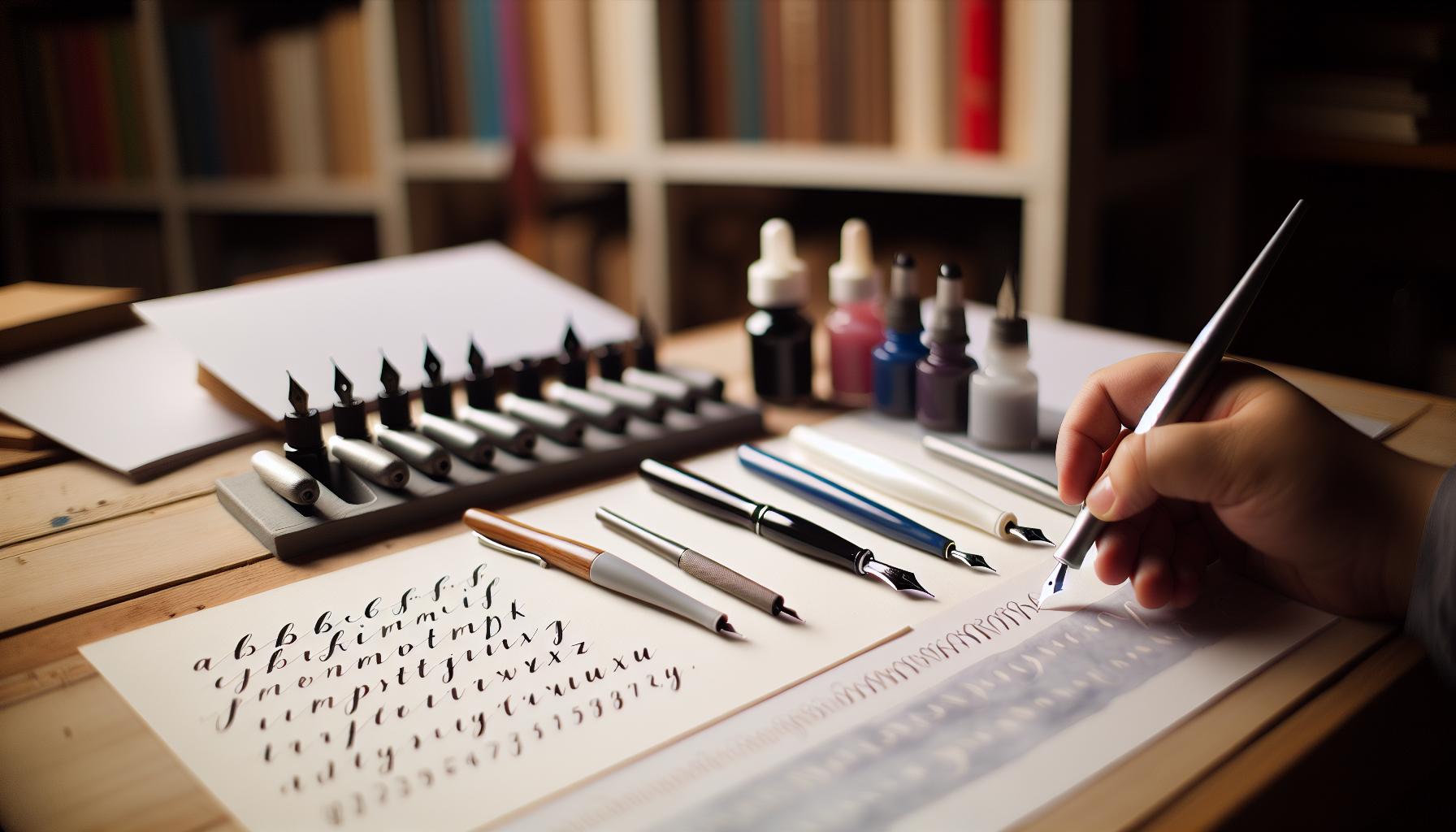
Types of Calligraphy Pens Explained
When diving into calligraphy, the type of pen you select can significantly shape your artistic journey. There’s no “one-size-fits-all” tool here; each pen serves different styles and techniques, catering to your creative goals. Understanding the nuances of various calligraphy pens will help you choose one that resonates with your own style and preferences.
Broad-Edged Pens
Broad-edged pens are perfect for achieving dramatic contrasts in stroke width, making them ideal for traditional scripts like Gothic or Uncial. These pens have flat nibs that allow you to exert pressure for thicker lines while lifting for thinner ones. It’s a classic choice if you’re looking to develop skills in formal calligraphy. A popular example is the Speedball nib, which offers various sizes for diverse effects. If you want bold, eye-catching lettering, broad-edged pens should be on your radar.
Pointed Nib Pens
For those drawn to elegant scripts, pointed nib pens may be your best bet. Their flexible nibs are designed for creating fine detail and flowing lines, crucial for styles like Copperplate. You can vary line weight by applying different pressures, allowing for beautiful flourishes and subtle transitions. Brands like Zebra and Brause offer excellent pointed nib options that cater to both beginners and seasoned calligraphers. If graceful, intricate writing is your goal, invest in a good pointed nib pen.
Brush Pens
Brush pens combine the best of both worlds, providing versatility and ease. They’re great for modern calligraphy and hand lettering. With a brush pen, you can mimic the effects of both broad-edged and pointed nibs, making it a fantastic tool for experimentation. Many beginners find them more forgiving and easier to handle. Brands like Tombow offer a range of brush pens that are flexible and filled with vibrant, water-based ink, perfect for any project. If spontaneity and creativity drive your calligraphy, brush pens are worth exploring.
In summary, the best calligraphy pen depends on your personal style and what you aim to create. Experimenting with different types can elevate your skills and unleash your creativity. Don’t hesitate to try out various pens until you find the one that feels just right in your hand. Each one offers unique possibilities, making your calligraphy journey both enjoyable and rewarding.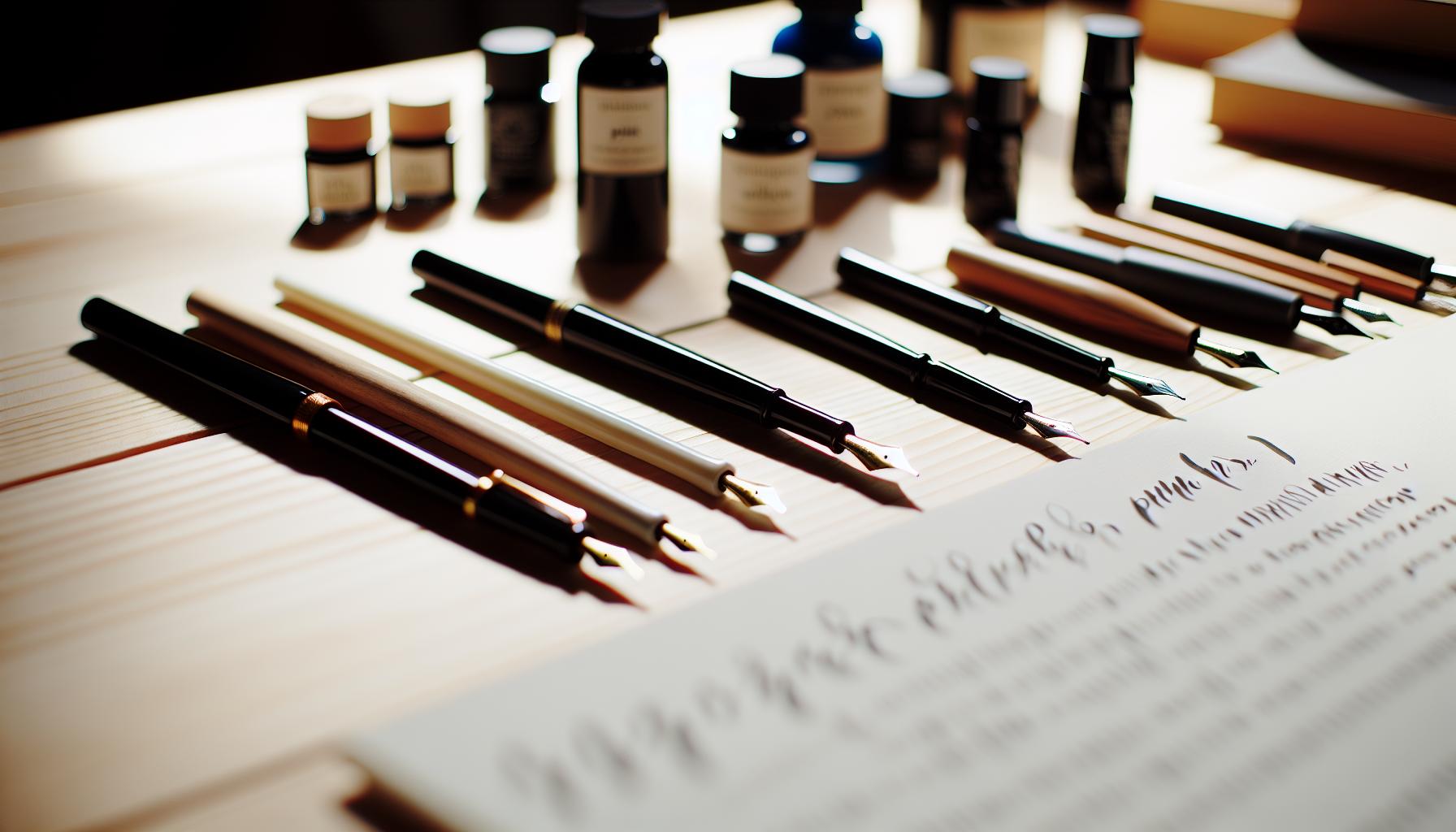
Essential Features of Calligraphy Pens
When you’re exploring the world of calligraphy, understanding what makes a pen truly effective is crucial. The right calligraphy pen can make a world of difference in both your comfort and the quality of your work. The essential features of these pens can determine how effortlessly you create beautiful letters, so let’s dive into what to look for.
One of the most critical aspects to consider is the nib type. Whether you choose a broad-edged nib for its ability to create striking contrasts or a pointed nib for fine details, the nib directly influences your writing style. Flexibility is another feature to keep in mind; a flexible nib allows for variations in line weight, adding character to your strokes. If you’re leaning towards flourished scripts, a good flexible nib will make your writing more expressive.
Next up, consider grip and weight. You’ll want a pen that feels right in your hand. A comfortable grip will prevent fatigue during longer writing sessions. Some pens come with ergonomic designs that help with this, while others may simply feel better due to their weight distribution. Experiment with different types to find what feels most natural for you.
Don’t overlook the ink flow either. Consistent ink flow prevents blobs or skips, making your writing smooth and enjoyable. Some pens come with built-in ink reservoirs or cartridges, while others rely on traditional dipping methods. For beginners, fountain pens or those with easy-to-change cartridges can be particularly user-friendly.
Lastly, understand that material quality matters. Metal nibs often provide a different writing experience than plastic ones, and the body material of the pen can impact its durability. A well-constructed pen can last you years, making it a worthy investment.
By considering these features, you can select a calligraphy pen tailored to your unique style and needs. Remember, the journey into calligraphy is all about discovery, so don’t hesitate to try out different options until you find the perfect match for your artistry.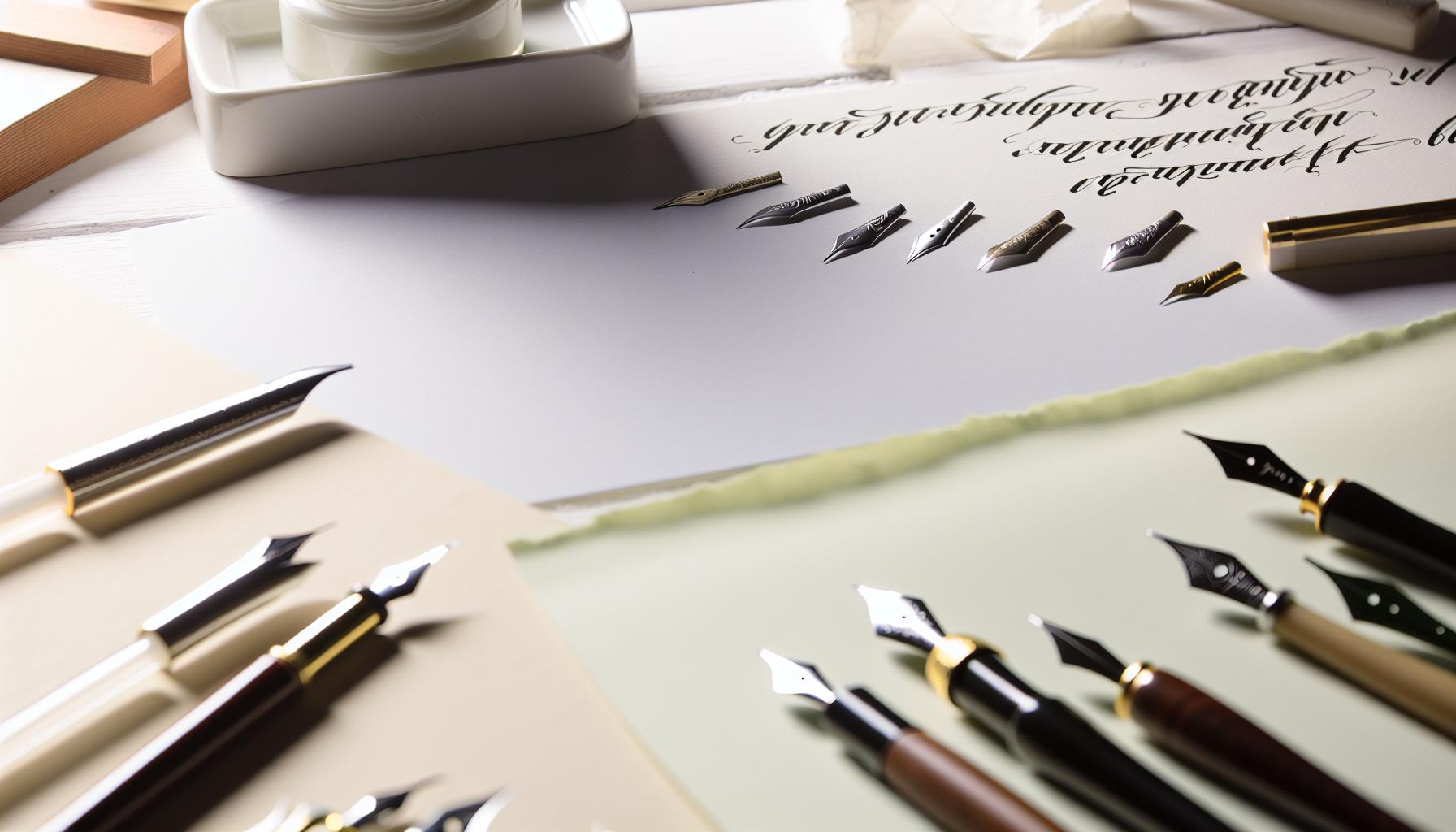
Recommendations for Beginners in Calligraphy
Getting started with calligraphy can feel overwhelming, but choosing the right pen doesn’t have to be. Trust me, I’ve been there! As a beginner, it’s crucial to pick a pen that feels comfortable and intuitive in your hand. Here are my top recommendations to help you dive into this beautiful art form with confidence.
Types of Pens for Beginners
First, let’s talk about pen types. For newbies, I highly recommend starting with brush pens like the Tombow Fudenosuke. They have a flexible brush tip that allows you to create both thin and thick lines, making your writing visually appealing without needing to master nib control right away. Another great choice is a fountain pen with interchangeable cartridges. It’s user-friendly and provides a smooth writing experience, perfect for practicing without the hassle of dipping ink.
If you’re more interested in traditional calligraphy, consider a pointed nib pen. These pens allow for more detail. Look for a starter kit that includes a wooden nib holder and a variety of nib sizes. This setup will give you versatility as you explore different styles and techniques. Don’t forget that the ink you choose can also affect your experience; go for calligraphy ink that flows well and is easy to clean.
Starter Kits Worth Trying
For a seamless entry into calligraphy, opt for a beginner’s kit that includes everything you need. Here are a few excellent options:
- Manuscript Pen Calligraphy Set: Comes with a wooden nib holder, a selection of nibs, and a bottle of ink.
- Tombow Fudenosuke Brush Pen Set: A set of different brush tips for various line thicknesses, ideal for modern calligraphy styles.
- Speedball Calligraphy Set: Includes a range of nibs and inks, great for exploring different styles.
Starting with these tools will not only make your learning process smoother but will also set a solid foundation for your calligraphy skills. Remember, practice makes perfect! So grab your chosen pen and get started-your artistry awaits!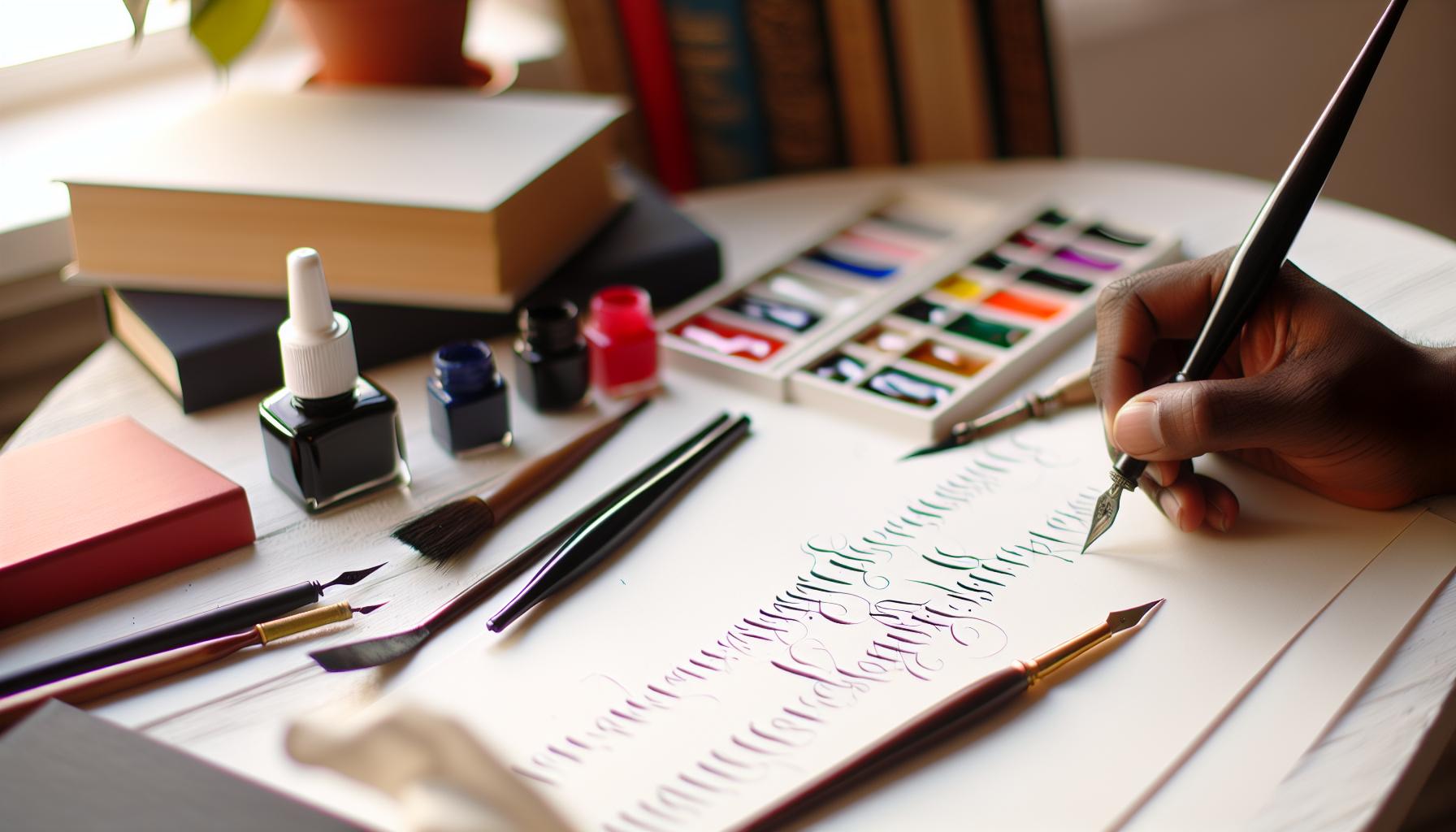
Advanced Pens for Experienced Calligraphers
When you’ve mastered the basics of calligraphy and are looking to elevate your craft, investing in advanced pens can make a significant difference in your work. Experienced calligraphers often seek precision, flexibility, and a unique ink flow that fits their style. Let’s explore some top options that offer these qualities and more.
One standout choice is the Brause nibs, especially the Brause 361 and 393. These pointed nibs are revered for their sharpness and flexibility, allowing for intricate detailing and flourish work. They’re perfect for those who want to push their creative boundaries. If you’re aiming to achieve dramatic thicks and thins in your strokes, consider trying the Zebra G nibs. They’re known for their durability and ability to maintain sharp lines, making them ideal for modern calligraphy styles.
For those who prefer brush pens but want to extend their capabilities, the Pentel Pocket Brush Pen is a must-have. This pen offers a fine, flexible brush tip that accommodates diverse lettering styles, while the controllable ink flow allows for beautiful, varied line widths. It’s a fantastic option for artists who crave versatility in their pen choices. Another popular option is the Tombow Dual Brush Pen, which features a flexible brush tip on one end and a fine tip on the other, perfect for blending colors or adding fine details.
When it comes to inks, the choice can heavily influence your calligraphy experience. Iron gall ink has a rich depth and is favored for its archival quality, but it requires care as it can corrode nibs. On the other hand, high-quality calligraphy ink from brands like Mister Pen or Sumi ink offers a smooth flow with vibrant colors, ensuring your art not only looks professional but stands the test of time.
With these advanced tools in your arsenal, you’ll find yourself empowered to create stunning calligraphy pieces that reflect your unique artistic voice. Remember, it’s not just about the tool itself, but how you wield it. So experiment, push your limits, and let your creativity flourish!
The Role of Ink in Calligraphy Performance
The ink you choose for your calligraphy can make or break your writing experience. It’s not just about color; it affects the flow, consistency, and even the vibe of your artwork. Whether you’re crafting elegant letters or intricate designs, the right ink enhances your ability to express creativity. Here’s what you need to know about how ink affects your calligraphy performance.
First and foremost, consider the fluidity of the ink. Some inks flow beautifully from nib to paper, allowing for smooth, effortless strokes. This is particularly important for beginners, who might struggle with consistency if the ink is too thick or viscous. In contrast, some inks can dry out quickly or require constant re-dipping, which can interrupt your flow and rhythm. Brands like Sumi and Mister Pen are noted for their ease of use and vibrant colors, making them great options for those starting.
Another factor to keep in mind is the ink’s archival quality. If you want your calligraphy to stand the test of time, opt for inks that are fade-resistant and waterproof. Iron gall ink, while historically acclaimed for its deep color and permanence, requires a bit more care due to its corrosive properties on nibs. Understanding your ink choice is key; it can affect not just your immediate work but the longevity of your art.
Lastly, don’t forget about color variability. Depending on your project, you may desire a traditional black ink for a formal look or something a bit more creative, like metallic or pastel colors. Experimenting with different inks can provide insights into how they react with your chosen pen and paper, ultimately enriching your calligraphy practice. Trust your instincts, test a variety of inks, and find what resonates best with your personal style. Your choice isn’t just about color; it’s about performance, artistry, and the story each stroke tells.
Maintenance Tips for Your Calligraphy Pens
Maintaining your calligraphy pen is crucial for ensuring smooth performance and longevity. A well-cared-for pen can elevate your writing experience, allowing every stroke to flow effortlessly. On the other hand, neglect can lead to clogged nibs, leaking ink, and frustration during your creative process. Here are essential tips to keep your calligraphy pens in optimal condition.
First and foremost, clean your pen regularly. After each use, especially if you’re switching inks or colors, rinse your nib under lukewarm water. For more thorough cleaning, use a gentle soap on the nib, scrubbing lightly with a toothbrush or your fingers. This removes any residual ink that might clog the nib and affect performance. Once cleaned, allow the pen to dry completely before storing it to prevent any rust or damage on the nib.
Proper storage is equally important. Always store your pens upright with the nib facing up to avoid ink from pooling in the nib or converter, which can lead to leaks. If your pen uses cartridges, remove any unused ones when it’s not in use for extended periods. For those using a converter, ensure it’s thoroughly cleaned after each use, especially if you switch between different inks.
In addition to these practical steps, monitor the ink you use. Some inks can be more heavy or viscous, leading to quicker build-up and clogging in the nib. If you notice inconsistent flow when writing, it might be time to deeply clean the nib or consider switching to a more fluid ink. By prioritizing maintenance, you’ll not only enhance your writing experience but also prolong the life of your calligraphy tools.
Remember, a little care goes a long way. With regular cleaning and proper storage techniques, your calligraphy pen can serve you beautifully for years to come. Writing becomes a joy, and your artistic expression can flourish without the hindrance of poorly maintained tools.
Exploring Alternative Tools for Calligraphy
When diving into the world of calligraphy, traditional pens like dip pens and fountain pens often steal the spotlight. However, don’t overlook some incredible alternative tools that can elevate your calligraphy game in unexpected ways. These tools not only provide you with different writing experiences but also expand your creative possibilities.
One option is using brush pens. They combine the versatility of a brush with the convenience of a pen. Brush pens allow for fluid, expressive strokes and are perfect for modern calligraphy styles. Many artists love them for their ability to create varying line thicknesses with a single stroke, mimicking the effect of tapered nibs. Brands like Tombow offer a range of brush pens that are beginner-friendly and come in a variety of colors, making them great for exploring vibrant styles.
Another exciting alternative is using markers, particularly those designed for calligraphy. These markers often feature wider tips that simulate traditional calligraphy strokes. They’re incredibly accessible and can be used on various surfaces, from paper to fabric. Plus, they eliminate the need for ink and nib maintenance, which can be a relief for beginners or those short on time. Look for dual-tip markers that provide flexibility in your lettering styles.
For those feeling adventurous, ink and quills hark back to classic calligraphy traditions. Using a quill can add a unique touch to your work, allowing you to engage with the process of crafting your tools. Coupled with traditional ink, they produce stunning results that are rich and characterful. While this method requires a bit more skill and patience, the process is rewarding and brings a genuine historical aspect to your writing.
Exploring these alternative tools not only enhances your skills but also keeps the practice fresh and engaging. Whether you gravitate toward brush pens, markers, or the classic quill, each option offers distinct advantages. Consider your style, preferences, and the kind of projects you want to tackle, and don’t hesitate to diversify your toolkit for a truly personalized calligraphy experience.
Common Mistakes When Selecting Calligraphy Pens
Selecting the right calligraphy pen can feel overwhelming, especially with so many options available today. The excitement of starting a new artistic venture often leads to some common pitfalls that can hinder your progress. One major mistake is choosing a pen based solely on aesthetics rather than its functionality. Just because a pen looks beautiful doesn’t mean it will suit your style or skill level. For beginners, it’s crucial to prioritize comfort and ease of use over high-end designs.
Another common blunder is underestimating the importance of nib size and type. Each nib offers different line thicknesses and styles, influencing the overall appearance of your calligraphy. New calligraphers often overlook this aspect, opting for whatever is readily available. Understanding the difference between broad-edged, pointed, and brush nibs can change your practice significantly. For example, pointed nibs are great for elegant scripts, while broader nibs are ideal for bolder, modern styles.
It’s easy to get swept up in brand names or emerging trends, leading to the mistake of buying too many pens at once. While it can be tempting to stock up on various supplies, starting with a few reliable pens allows you to develop personal preferences and hone techniques gradually. Quality over quantity will serve you better; invest in a few solid choices that truly resonate with your style.
Lastly, don’t forget to consider the compatibility of your ink and paper with your chosen pens. Some inks may dry too fast or too slow, affecting your writing fluidity, while the wrong type of paper can cause bleeding or feathering. It’s all about creating a harmonious experience that enhances your strokes rather than complicating them. So, take your time, do your research, and enjoy the journey of finding the pen that feels just right for you.
Top Brands for Quality Calligraphy Pens
When diving into the world of calligraphy, the brands you choose can make a world of difference in your learning experience and enjoyment. Some manufacturers have established themselves as the go-to sources for quality pens, offering a range of options-from beginner-friendly to professional-grade. Here’s a look at some of the top brands that consistently receive rave reviews among calligraphy enthusiasts and experts alike.
Pilot
Pilot is renowned for its innovative design and quality materials. Their Pilot Parallel Pens are particularly beloved for italic calligraphy, allowing for smooth, consistent lines. These pens come in various sizes and are refillable, making them a sustainable choice for beginners and experienced calligraphers alike. The ease of use and reliable ink flow make them an excellent starting point for anyone keen on mastering calligraphy.
Sumi-e
For those who are interested in traditional East Asian calligraphy, Sumi-e offers high-quality brush pens that are perfect for expressive, fluid strokes. Their brush pens are made from natural hair fibers, providing flexibility and responsiveness. These pens are ideal for both beginners who want to explore brush calligraphy and advanced users aiming to refine their techniques.
Sakura
Known for their versatile product range, Sakura’s Pigma Micron pens are highly regarded as an excellent choice for fine detailed work, including intricate lettering styles. With archival quality ink that dries quickly, these pens are perfect for both practice and final pieces, ensuring that your work remains vibrant and smudge-free over time.
Kuretake
Kuretake specializes in brush pens, and their products are obsessions among many calligraphy lovers. Their Zig Clean Color Real Brush Pens are particularly favored for their flexible tips, allowing artists to achieve various line widths with ease. These are fantastic for blending and layering colors, making them a popular choice for modern calligraphy and watercolor effects.
Speedball
For traditional calligraphy, Speedball offers a comprehensive range of dip pens and nibs. Their Calligraphy Set is perfect for beginners, providing a solid introduction to the art with a variety of interchangeable nibs suited for different styles. The quality of their products helps facilitate a smooth learning curve, allowing new calligraphers to gain confidence in their skills.
When selecting calligraphy pens, consider not just the brand but also what you wish to achieve with your writing. Each of these brands has unique qualities, so exploring their offerings can help you find the right tool that resonates with your artistic vision. Investing in quality pens from reputable brands will enhance your experience and elevate your calligraphy, transforming your practice into a joyful journey of creativity and expression.
How to Practice Calligraphy with Your Chosen Pen
Starting with the right pen is crucial in calligraphy, but knowing how to practice with it effectively is just as important. The beauty of calligraphy lies not only in the tools you choose but in the techniques you master. With your pen in hand, create a dedicated practice space that’s comfortable and free from distractions. This sets a positive tone for your creative sessions and allows you to focus on your strokes. Use high-quality paper that’s forgiving yet textured enough to complement your pen type, enhancing your flow and control.
Begin with basic strokes, as these form the foundation of your calligraphy skills. Focus on the pressure of your strokes-light for upstrokes and heavier for downstrokes. This contrast will develop your muscle memory and help you achieve the elegance calligraphy is known for. Consider setting up a practice schedule; even short sessions of 15-20 minutes can yield significant improvement over time. Don’t hesitate to use resources like practice sheets available online, which provide guidance on letterforms and structure. Many websites offer free downloads tailored for beginners-these can be invaluable for honing your skills.
Experimenting with different techniques is also vital. You might find that one type of pen yields beautiful results for certain styles, while another works better for different effects. Let’s say you’re using a brush pen-try varying the angle you hold it at and adjusting your hand pressure. This not only keeps practice sessions fresh but also teaches you how to adapt your approach based on the pen and style you’re pursuing. Over time, you’ll gain a deeper understanding of how each pen behaves and how to manipulate it to create stunning work.
Finally, embrace mistakes as part of your learning process. Each page will contain lessons that guide your growth as a calligrapher. Keep your practice pieces; they’ll be a testament to your journey and a valuable resource to revisit. With patience and consistent effort, you’ll not only master your chosen calligraphy pen but also develop a unique style that reflects your artistic voice.
Expert Tips for Calligraphy Success
Starting out in calligraphy can feel overwhelming, especially with the myriad of pen options available. To truly excel, you need to choose a pen that not only suits your style but also enhances your experience. Here are some expert tips that can elevate your calligraphy game.
First, don’t underestimate the importance of grip. A pen that feels comfortable in your hand is crucial. If you’re using a dip pen, consider trying various nibs to find the one that gives you the best control. For beginners, brush pens or fountain pens are often more forgiving and easier to manage. They allow for a smooth flow of ink, which can be especially helpful in developing your technique.
Next, invest in high-quality ink. The right ink can make a significant difference in your results. For instance, if you’re using a dip pen, choose a fluid ink that doesn’t dry too quickly, but also doesn’t smudge easily. A fountain pen is versatile with ink choices-experiment with different brands to see which performs best for your style. Brands like Dr. Martin’s and Tombow offer excellent quality that many calligraphers recommend.
Practice, of course, is essential, but don’t just practice mindlessly. Set specific goals for each session. Whether it’s mastering a particular letter or trying out a new technique, focused practice leads to faster improvement. Use lined or gridded paper to help maintain consistent sizes and angles in your lettering.
Finally, make mistakes part of your journey. Embrace imperfections; they’re your greatest teachers. Reflect on what didn’t work and adjust your technique accordingly. Every calligrapher has been through this process, so don’t feel discouraged. By maintaining a positive mindset, you’ll not only improve your skills but also enjoy the art form even more.
Incorporating these tips into your practice will not only enhance your calligraphy skills but also help you find joy and fulfillment in this beautiful art. Remember, it’s about the journey as much as the result!
Frequently Asked Questions
Q: What types of pens are best for beginner calligraphers?
A: For beginners, it’s ideal to start with fountain pens or felt-tip calligraphy pens. They offer ease of use and consistent ink flow. Consider options like the Tachikawa T40, which provides a good grip and comfort. Always choose a pen that feels comfortable in your hand, which can help improve your technique.
Q: How do I choose the right nib size for calligraphy?
A: Nib size can significantly impact your lettering style. For fine detail work, use a smaller nib size (e.g., 0.5 mm) and for bold strokes, opt for larger sizes (e.g., 1.5 mm). Experimenting with different sizes will help you find what works best for your personal style and needs.
Q: Can I use regular pens for calligraphy?
A: While regular pens can be used, they won’t provide the same style or effects as specialized calligraphy pens. To achieve beautiful scripts, invest in a calligraphy pen designed for varied strokes. Fountain pens or brush pens are excellent choices for getting started without breaking the bank.
Q: What features should I look for in a calligraphy pen?
A: Look for a comfortable grip, a smooth ink flow, and the ability to use interchangeable nibs. These features allow for versatility and comfort during longer writing sessions. Built-in reservoirs can also be a plus to minimize the need for frequent refills.
Q: How important is ink type in calligraphy?
A: The type of ink you use can greatly affect your results. For best performance, choose water-based inks for their flow and ease of use. Ensure the ink is suitable for the pen type you’re using, as some calligraphy inks can clog fountain pen nibs.
Q: Are there specific brands recommended for calligraphy pens?
A: Some top brands for quality calligraphy pens include Tachikawa, Manuscript, and Pilot. These brands offer a range of pens suitable for both beginners and advanced calligraphers, ensuring you can find the right tool for your style and expertise.
Q: How can I maintain my calligraphy pens?
A: To maintain your calligraphy pens, regularly clean them to prevent ink buildup. Use a soft cloth or recommended cleaning solution. Avoid letting ink dry in the nib, as this can damage the pen. Regular maintenance extends the life of your tools and improves performance.
Q: When is it best to use brush pens for calligraphy?
A: Brush pens are ideal for modern calligraphy styles where flexibility and stroke variation are essential. Use them for versatile lettering techniques or when you want a softer, blended look. They’re perfect for creative projects, like invitations or artwork, that require expressive writing.
The Conclusion
Choosing the right pen for calligraphy can transform your writing experience! Whether you opt for a pointed nib, a brush pen, or a traditional broad-edged tool, the right selection caters to your style and skill level. Don’t hesitate-you’ve got the tips and resources you need to start your calligraphy journey today.
For more insights on techniques and materials, explore our guides on top calligraphy inks and paper selection for optimal results. If you found this guide helpful, please share your thoughts in the comments below or consider signing up for our newsletter for more expert tips and exclusive content. Dive deeper into the art of beautiful writing, and before you know it, you’ll be creating stunning pieces that reflect your unique style! Happy writing!