

Calligraphy with a dip pen isn’t just about creating beautiful letters; it’s a satisfying way to express creativity and mindfulness. Did you know that mastering this traditional art can enhance your focus and even relieve stress? Whether you’re a complete beginner or looking to refine your skills, this guide will walk you through the essentials of dip pen calligraphy. We’ll tackle common challenges, share expert tips, and unlock the secrets to achieving those elegant strokes that make your work stand out. Dive in and discover how these simple techniques can transform your writing into stunning art!
Understanding the Basics of Calligraphy Tools
is the first step in mastering this beautiful art form. You may think you can just pick up a pen and start writing, but the right tools can significantly influence your results. At the heart of traditional calligraphy is the dip pen, which consists of a nib and a holder. The nib is where the magic happens; it comes in various shapes and sizes, each affecting the thickness and style of your strokes. A flexibility in the nib can create beautiful variations in line width, which is essential for achieving the expressive flourishes that define calligraphy.
When exploring the tools, consider the different holders available. A straight holder is standard and great for beginners, while an oblique holder might help you achieve more dynamic angles. Pair your holder with quality nibs to enhance your writing experience. A cheap nib can lead to frustration as it may not produce smooth lines. Experiment with a few to find what complements your style best.
In addition to your pen, the choice of paper is crucial. Smooth paper can help the nib glide, while textured paper might give you a different look and feel. Practice on various types to see what suits your style and inks. And remember, your ink matters too; some inks are designed for specific nibs and papers. It’s all about marrying these elements to create the style you envision.
Ultimately, understanding your tools is about finding the right combination that feels comfortable and produces the desired effects. The right tools don’t just facilitate the process-they elevate it, allowing your unique voice to shine through each stroke. Enjoy the journey as you assemble your calligraphy kit, and don’t hesitate to experiment as you develop your skills.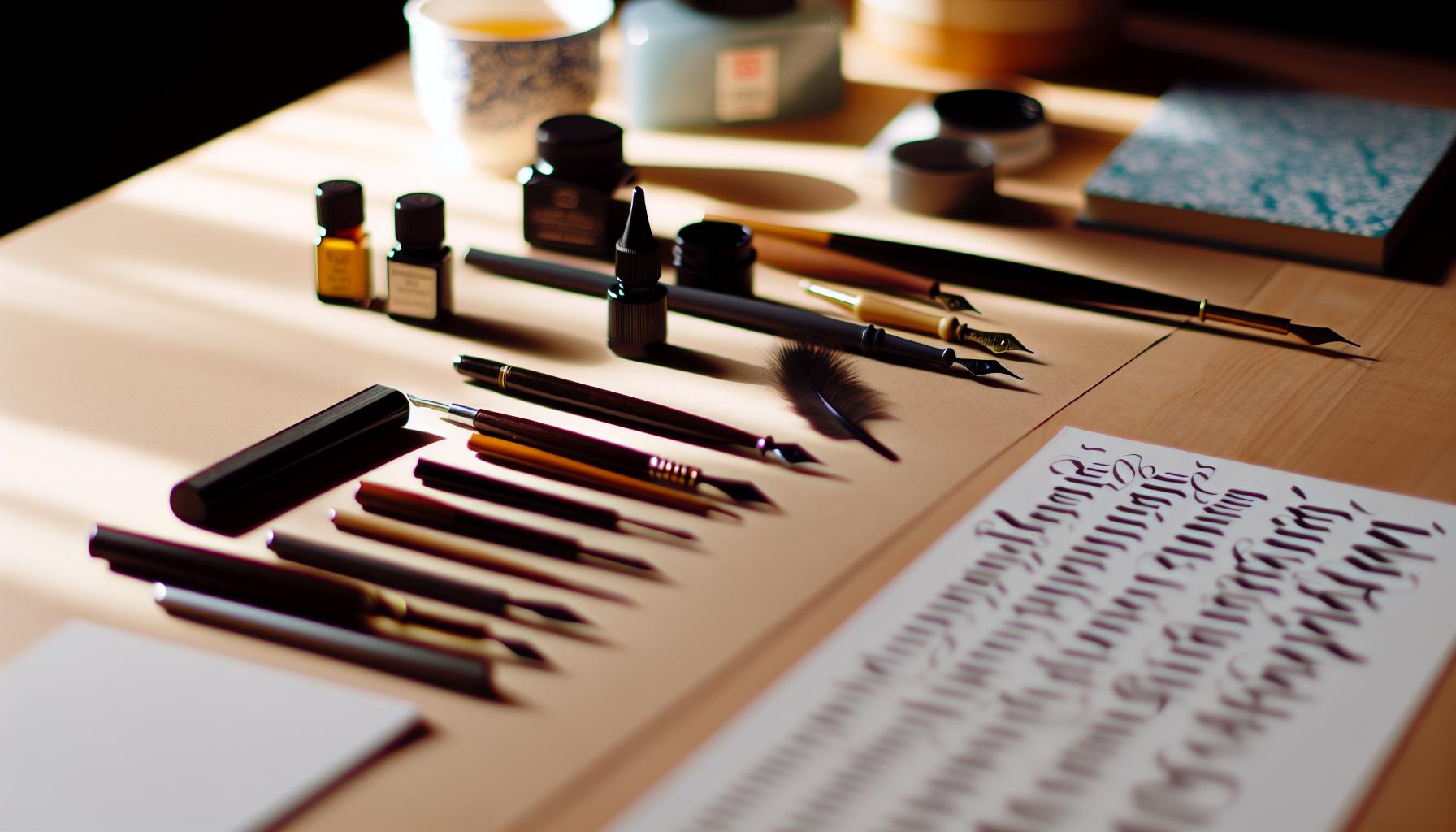
Choosing the Right Dip Pen for Your Style
Choosing a dip pen isn’t just about grabbing whatever’s on sale; it’s a personal journey that directly influences your calligraphic experience. The perfect dip pen can transform your handwriting from mediocre to mesmerizing. So, let’s dive into the factors that really matter when selecting one that reflects your style and needs.
First, consider the holder type. Most beginners start with a straight holder, which is simple and effective. However, if you’re aiming for more intricate and dynamic styles, an oblique holder might be the way to go. It allows for greater control over angle adjustments, giving you those beautiful flourishing strokes that are so sought after in calligraphy. Trial and error is key-don’t hesitate to try both types until you find what feels best in your hand.
Next, let’s talk about nibs. Nibs come in various shapes, sizes, and flexibility levels, and each one can drastically affect your work. For example, a flexible nib allows for dramatic line variation, adding character to your letters. If you prefer more consistency, a stiffer nib might be what you need. Experimenting with a few different nibs will help you discover what aligns with your handwriting style. You might start with a popular brand like Nikko or Brause, which are well-loved for their quality.
Don’t forget about ink and paper choice! The nib you choose can determine which ink will perform best. Some inks flow smoother than others, and they can dramatically change your experience while writing. As for paper, your choice can lead to smoother gliding or textured effects depending on what you prefer. Smooth papers, like marker or bristol board, work well with most dip pens, allowing for clean lines, while textured papers can add depth to your work.
In summary, the journey of choosing your dip pen is about aligning your tools with your vision. Take your time, invest in a few quality pieces, and enjoy the exploration. Each stroke will become a testament to your unique style as you grow your calligraphic skills. Happy writing!
Essential Inks for Beautiful Calligraphy
Choosing the right ink can make or break your calligraphy experience, as it directly influences the flow, vibrancy, and overall appearance of your work. Not all inks are created equal, and understanding the different types available will help you achieve stunning results. Whether you want rich, dark letters or a subtle sheen in your work, there’s an ink out there for you.
Start with the fundamentals: ink type is crucial. For traditional calligraphy, you have two main categories to choose from – pigment-based and dye-based inks. Pigment-based inks are more resistant to fading and water, making them a durable choice for archival work. They tend to sit on top of the paper, which can create more texture and deeper color saturation. On the flip side, dye-based inks absorb into the paper and generally produce brighter, more vibrant colors, but they may not hold up as well over time.
When experimenting, don’t overlook the importance of ink viscosity. Some inks are thicker and may require a little thinning with water to achieve the perfect flow, while others may need no adjustment at all. It’s essential to think about how your nib interacts with the ink. Nibs made for fine detail might struggle with thicker inks, while broader nibs could benefit from the added heft. Testing a few brands can reveal what resonates best with your personal style and technique.
Lastly, consider the color of your ink. Classic black is iconic, but don’t hesitate to explore other shades like navy blue, deep green, or even metallics. These can elevate your projects dramatically. Whether you’re writing invitations, creating artwork, or simply practicing, the right ink will enhance your penmanship and bring your vision to life. Happy inking!
Step-by-Step Guide to Holding and Using a Dip Pen
To master calligraphy with a dip pen, understanding how to hold and use the pen is fundamental. It’s not just about how it writes; it’s about the connection you establish with it. A dip pen can feel like an extension of your hand, allowing your strokes to flow as you harness its potential.
First, grip the pen comfortably. Hold it like you would a regular pen, but a bit more loosely. This relaxed grip allows for better control and fluidity. Position your fingers as follows: the thumb and index finger should cradle the barrel, while the middle finger supports the pen underneath. Your other fingers can rest gently against the paper for stability. The angle at which you hold the pen is crucial, too. Ideally, aim for a 45-degree angle to the paper. This angle lets the nib glide smoothly without scratching the surface.
Before you dive in, ensure your nib is properly dipped in ink. Keep just enough ink on the nib to avoid drips, but not so much that it overwhelms your stroke. After dipping, gently tap the nib against the edge of the ink well to remove excess. Then, practice making short, confident strokes on scrap paper. This exercise not only helps you get a feel for how the ink flows but also allows you to adjust your grip and angle as needed.
Lastly, relax and have fun with it. Calligraphy is as much about expression as it is about technique. Don’t be afraid to experiment with different angles and pressure to create variations in your strokes. Remember, practice breeds improvement, so take your time. Celebrate each small victory, whether it’s a perfect loop or a clean line. Enjoy the journey-your artwork will flourish as you grow more comfortable with your dip pen.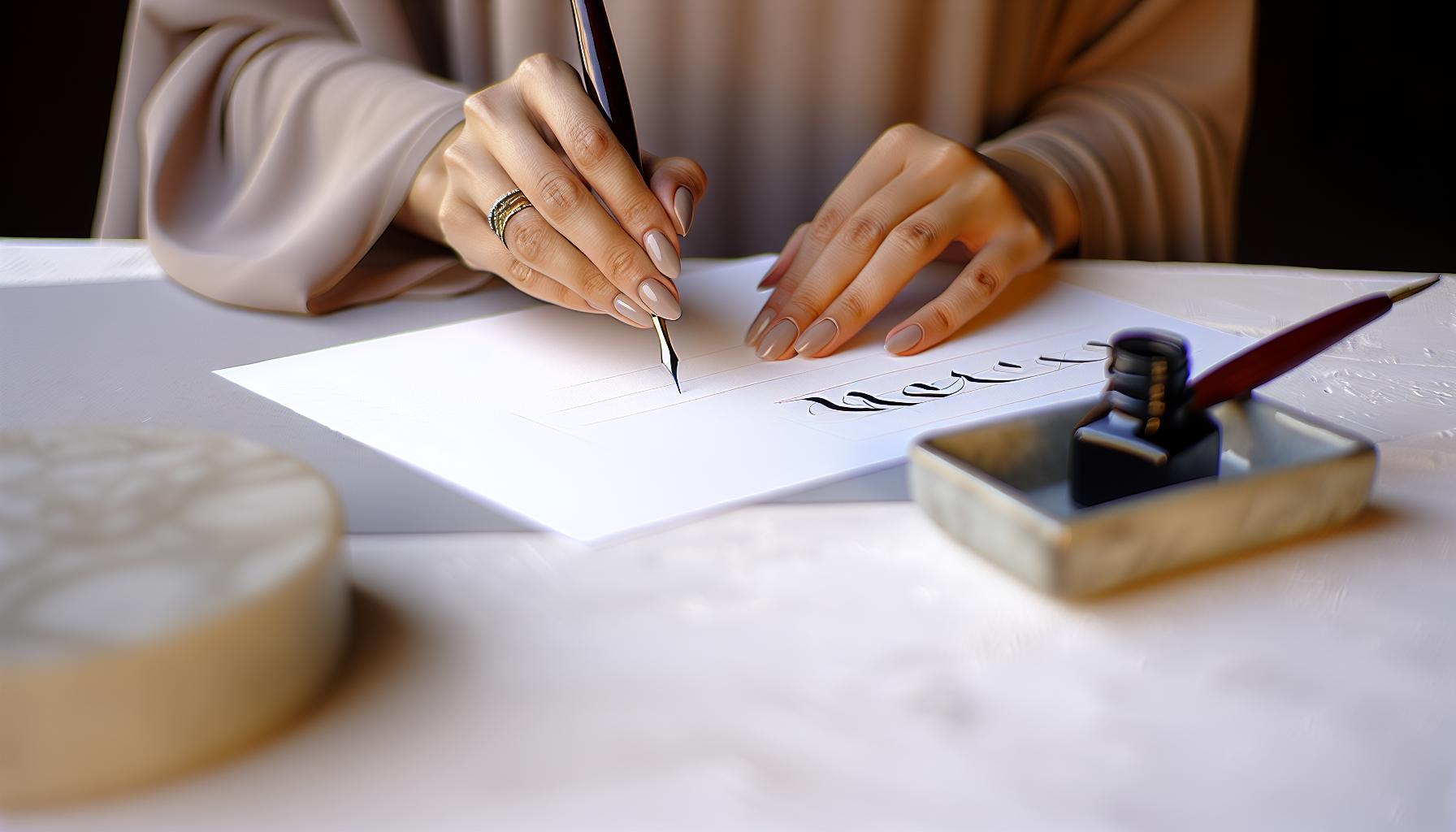
Mastering Key Calligraphy Strokes and Techniques
To truly excel in calligraphy with a dip pen, mastering the foundational strokes is essential. These strokes are the building blocks of every beautiful letter and design you’ll create. It’s not just about the end result; it’s about embracing the process and letting your pen dance across the page.
Start with basic strokes like upstrokes, downstrokes, and loops. Upstrokes are typically thin and should feel light and effortless; practice applying minimal pressure to your nib as you pull the pen upwards. Downstrokes are the opposite: apply more pressure to create a thicker line. This contrast is key to achieving the elegance characteristic of calligraphy. Loops can be used in many letters and are essential for fluid writing. Experiment with the height and width of your loops; they can significantly alter the style of your letters.
Incorporating angle and pressure control is vital. Adjust the angle of the nib as you write to create varied line thicknesses. A steeper angle tends to yield a finer stroke, while a shallower angle results in bolder lines. Don’t be afraid to press harder for thick downstrokes, then lighten your grip for thin upstrokes. This dynamic between pressure and angle adds depth and rhythm to your writing, making it visually appealing.
Finally, practice makes perfect. Set aside time daily to focus on these strokes. Use lined paper to guide your angles and spacing, and consider creating a stroke guide sheet to track your progress. Over time, you’ll find a comfortable rhythm, and each stroke will feel more natural. Celebrate the small victories along the way-whether it’s a perfect loop or a consistent line. Engaging with each stroke not only builds skill but also enhances your enjoyment of the art.
Practicing Calligraphy: Tips for Beginners
Getting started with calligraphy can be an exciting adventure, but it also comes with its fair share of challenges. One key takeaway is that practice truly is the path to mastery. Every calligrapher, from the beginner to the seasoned pro, started with a blank page and a willingness to explore. The initial hurdles are often the most rewarding. You’ll learn not only the mechanics of creating beautiful letters but also how to embrace your unique style.
Start by setting a dedicated time for practice. Consistency is critical. Even 15 to 30 minutes a day can lead to noticeable improvements over time. Use this time to focus on basic strokes before moving on to letters. Create simple stroke guides that feature upstrokes, downstrokes, and various shapes. These will help you develop muscle memory and control. Remember, the aim isn’t perfection but progress; celebrate the small wins as they come.
Don’t be afraid to mix it up! Explore different tools and surfaces. While traditional parchment might be your goal, high-quality paper or even a smooth notebook can suffice for practice sessions. Experiment with line thickness and ink flow as you become comfortable. You might find that a particular nib suits your style better or that certain inks produce the results you prefer.
Lastly, find a community. Whether through social media or local workshops, connecting with fellow calligraphy enthusiasts can provide invaluable support and inspiration. Share your work, ask for critiques, and learn from others. Engaging with a community can make practicing even more enjoyable and enrich your learning experience.
Exploring Different Calligraphy Styles and Fonts
When diving into calligraphy, one of the most thrilling aspects is exploring the variety of styles and fonts available. Each style has its unique flair and character, which can transform the same letter into something entirely different. For beginners, this opens a world of possibilities: you can find what resonates with you and helps express your personal style. From classic scripts to modern interpretations, the journey through various calligraphy styles not only enhances your skill set but also fuels your creativity.
One popular style is Copperplate, known for its elegance and fluidity, featuring graceful loops and flourishes. It’s perfect for formal invitations and adds a touch of sophistication to any project. On the other hand, Gothic or Blackletter fonts bring a dramatic flair, characterized by their intricate, bold strokes. These styles demand precision and can feel intimidating, but mastering them offers immense satisfaction. Modern calligraphy, with its relaxed approach and playful organization, allows artists to break away from strict rules and embrace individuality, making it especially appealing to those wanting to create unique statements.
To better understand which style suits you, consider trying out each on various projects. Start with basic thank-you notes or practice sheets. As you write, pay attention to what feels natural. If you find yourself enjoying the slower, meticulous process of Copperplate, or if the boldness of Blackletter excites you, let that guide your practice. Here are some quick ways to experiment:
- Practice Regularly: Set aside a few minutes daily to try different styles.
- Use Resources: Online tutorials and community workshops can introduce you to styles you may not have considered.
- Engage with Others: Sharing your attempts with fellow calligraphers can offer insights and inspire new ideas.
Lastly, remember that every calligraphy artist develops a personal touch over time. So while exploring different styles is vital, integrating your flair into whatever you choose will ultimately define your unique voice in calligraphy. Celebrate each small victory as you refine your skills and discover the styles that resonate with you the most. Let this exploration be not just a quest for perfection, but a joyful journey into the art of letters.
Common Mistakes to Avoid in Calligraphy
Starting out in calligraphy can be thrilling but also daunting, especially with the myriad of techniques and tools available. Many newcomers fall into common traps that can hinder progress more than help. One of the most significant mistakes is overlooking proper pen angle. The angle at which you hold your dip pen drastically affects the strokes you create. A consistent angle ensures smooth lines and appropriate line variation, while a wrong angle can lead to scratching on the paper or uneven ink flow. Experiment with holding the pen at about 45 degrees to the page to achieve the best results.
Another frequent issue is the choice of paper. Using inappropriate paper can be a game-changer, often leading to frustration. If it’s too textured or rough, your nib might catch, ruining your letters. Meanwhile, overly smooth paper can cause ink to bleed, which smudges your work. To prevent this, opt for paper specifically designed for calligraphy-this will allow your nib to glide smoothly and help you maintain control over your strokes.
Beyond tools, practice routines also matter. Many beginners get caught up in trying to create perfect letters from the start. This sinks the joy out of learning. Instead, focus on consistent practice with basic strokes before attempting full alphabets or complex pieces. Embrace mistakes as part of the learning process! Track your progress by keeping a dedicated notebook, where you can date your attempts and reflect on improvements over time.
Lastly, try not to rush your work. It’s tempting to speed through a piece, especially when you’re excited. However, haste can lead to more errors and frustration. Enjoy the process, savor each stroke, and let your style develop organically. Be patient with yourself; calligraphy is an art that blooms in its own time. Avoiding these pitfalls will set a solid foundation for your journey into the beautiful world of dip pen calligraphy.
Enhancing Your Calligraphy with Flourishes
Flourishes can transform your calligraphy from simply beautiful to absolutely stunning. These elegant additions not only enhance the visual appeal of your letters but also express your personal style and creativity. When executed well, flourishes can make a mundane piece of lettering feel dynamic and customized. Imagine a basic invitation turning into an extraordinary keepsake simply by adding a few well-placed swirls or loops!
To start incorporating flourishes into your calligraphy, focus on a few key techniques. Here are some tips to help you get started:
- Practice Basic Flourishes: Before integrating flourishes into larger compositions, practice them on their own. Create loops, spirals, and swirls that can attach to your letters. Use a practice sheet dedicated to flourishes so you can refine your skills without the pressure of ruining a finished piece.
- Begin with Simple Letters: Choose letters like “f,” “g,” and “y” that naturally lend themselves to flourishes. These letters can easily incorporate loops and tails, allowing for seamless flourishes that enhance their design.
- Consider the Balance: Flourishes should complement your lettering, not overwhelm it. Make sure any added elements maintain the flow of the overall piece. Too many flourishes might distract from the message. Select a few strategic placements that enhance rather than clutter.
- Experiment with Size: Vary the size of your flourishes. Larger elements can be used to draw attention, while smaller, subtler flourishes can add sophistication. Mixing both can create a compelling visual contrast.
Remember, patience is key. Start slowly and focus on control, ensuring that your flourishes are executed with confidence. They’ll become second nature over time, allowing you to incorporate them fluidly into your work. Embrace the process and watch as your calligraphy evolves from standard to strikingly artistic!
Creating Stunning Calligraphy Art Projects
Creating captivating calligraphy art projects can elevate your dip pen skills to new heights and allow you to share your creativity with others. Whether you’re preparing a personalized gift or planning to display your work, the key is to combine technique with imagination. Start by selecting a theme or purpose for your project; this could range from a wedding invitation to a motivational quote for your workspace. A clear idea will guide your choices in layout, color, and embellishment.
Next, consider the materials that will best showcase your calligraphy. High-quality paper is essential, but don’t overlook the impact of color and texture. Experiment with specialty papers like handmade or metallic variants, which can add depth to your artwork. When choosing colors, think about contrast; for example, white or cream paper paired with dark inks creates a timeless look, while vibrant colors can energize your design.
It’s also important to plan your layout before putting pen to paper. Use a pencil to sketch your design lightly. This approach lets you experiment with placements and sizes without committing right away. Don’t forget about the surrounding space; sometimes, the negative space plays as significant a role as the lettering itself. As you lay out your words, take note of balance and flow to ensure your piece feels harmonious.
Finally, give yourself the freedom to incorporate personal touches beyond text. Decorative elements like borders or illustrations can transform a simple letter into a stunning piece of art. Think about integrating flourishes or doodles that align with your theme; they can tie your entire design together beautifully. Remember, every project is a reflection of you, so let your personality shine through your work!
Building Your Calligraphy Portfolio: What to Showcase
Building a compelling calligraphy portfolio is essential not just for showcasing your skills but also for attracting potential clients or opportunities. When you curate your work, remember that quality trumps quantity. Instead of displaying every piece you’ve ever created, focus on projects that truly represent your style and versatility. Your portfolio should feel cohesive yet diverse enough to demonstrate your ability to adapt to different requests and themes.
What to Include in Your Portfolio
Start by selecting a variety of works that highlight different aspects of your calligraphy. Aim for a mix of projects, such as:
- Personal Projects: Include pieces that reflect your style, like quotes or poems.
- Client Work: Showcase commissioned pieces, like wedding invitations or business branding, emphasizing professional execution.
- Experimental Designs: Don’t hesitate to show creative experimentation, like unusual formats or mixed media.
- Technical Studies: Highlight your abilities with key strokes and styles, like pointed pen or brush lettering.
Be sure to include high-quality images. Use natural light and neutral backgrounds to ensure your calligraphy stands out, and consider showcasing the work in context-like photographs of invitations in a beautiful setting. Ensure that your pieces are well-lit and in focus to show the details and intricacies of your work.
Organizing Your Portfolio
The presentation matters. Arrange your portfolio logically, perhaps starting with your strongest pieces to capture attention immediately. You can create digital portfolios using platforms like Behance or even a personal website, which allows easy sharing with potential clients. Keep your portfolio updated; as you grow and evolve as an artist, don’t hesitate to replace older works with newer creations that better reflect your current skill level and style.
Ultimately, your portfolio is a reflection of not just your technical skills but also your unique voice as an artist. Make it personal-let your personality shine through both in the works you showcase and how you present them. This will not only attract more clients but also resonate with those who appreciate not just the art but the artist behind it.
Resources and Communities for Calligraphy Enthusiasts
Jumping into the world of calligraphy can feel overwhelming, but the right resources and supportive communities can make all the difference. Whether you’re just starting with your dip pen or looking to refine your skills, you’ll find a wealth of information and camaraderie that will enhance your journey. Online platforms, social media groups, and local workshops are fantastic places to learn trends, troubleshoot issues, and get inspired by others’ work.
Online Resources
Start with websites that offer tutorials, videos, and forums. YouTube has numerous channels dedicated to calligraphy that cover everything from the basics to advanced techniques. Websites like Skillshare or Udemy offer structured courses that can guide you step by step. Additionally, consider following influential calligraphers on Instagram-many share tips, techniques, and even host live sessions where you can ask questions in real-time.
Community Engagement
Joining online groups can provide encouragement and constructive feedback. Facebook has dedicated calligraphy groups where members share their work, swap tips, and support each other’s artistic journeys. Websites like Meetup might also have local calligraphy groups where you can practice in person, connect with fellow calligraphers, and even attend workshops.
Books and Blogs
Don’t overlook traditional resources. Books like “The Art of Calligraphy” by David Harris can serve as excellent companions on your calligraphy journey. Many calligraphers also maintain blogs that offer insights into their techniques, project showcases, and behind-the-scenes looks at their process. These can be invaluable for finding inspiration and expanding your skill set.
Lastly, never underestimate the power of personal practice. Dedicate time to experiment with different styles and techniques you’ve learned from your resources. Engage with your community, ask for feedback, and showcase your progress. The more you immerse yourself, the more confident you’ll become in your calligraphic skills. Happy writing!
Faq
Q: What type of paper is best for calligraphy with a dip pen?
A: The best paper for calligraphy is a smooth, high-quality paper that prevents ink bleed and feathering. Try using cold press watercolor paper for thicker inks or smooth Bristol paper for a clean finish. Experiment to find what works best for your preferred style and ink.
Q: How do I clean a dip pen after using it?
A: Cleaning a dip pen is simple: immediately rinse the nib under running water to remove ink residue. For stubborn ink, use a gentle brush or cloth. Dry it thoroughly to prevent rust. Regular maintenance keeps your pen in great condition and ensures a beautiful writing experience.
Q: Can I use any ink with a dip pen?
A: Not all inks are suitable for dip pens. Use ink specifically designed for calligraphy, such as fountain pen ink or ink labeled for dip pens. Avoid India ink unless you’re using a nib designed for it, as it can dry out and clog your pen.
Q: How can I improve my calligraphy skills quickly?
A: To improve your calligraphy skills quickly, practice consistently with guided exercises focusing on basic strokes. Analyze your work for areas of improvement and experiment with different styles. Joining a local calligraphy group or online community can also provide valuable feedback and motivation.
Q: What common mistakes should I avoid in calligraphy?
A: Key mistakes to avoid include pressing too hard on the nib, inconsistent ink flow, and neglecting posture. Maintain a light grip on the pen and take breaks to prevent fatigue. Regularly clean your nib and practice your strokes to achieve more fluid results.
Q: How do I choose the right nib for my style?
A: Selecting the right nib depends on your calligraphy style. For more fluid scripts, choose a flexible nib for varying line widths. For precise lettering, opt for stiffer nibs. Test different nibs to find one that feels comfortable and complements your writing technique.
Q: What are some tips for creating flourishes in calligraphy?
A: To create beautiful flourishes, practice light, controlled movements with your pen. Start with simple loops and curves, gradually increasing complexity. Incorporate flourishes into your letters without overcrowding the design. Consistent practice will help develop your unique flourish style.
Q: How do I hold a dip pen for optimal control?
A: Hold the dip pen at a 45-degree angle to the paper for better control and ink flow. Position your hand comfortably, allowing your wrist to guide the pen. Experiment with different grips to find what feels most natural and ensures steady strokes.
Wrapping Up
Now that you’ve learned the traditional methods of calligraphy with a dip pen, it’s time to put your knowledge into practice! Remember, mastering this art form takes patience and effort, but the results are absolutely worth it. Don’t forget to experiment with different inks and papers to find what works best for you. If you’re eager for more, check out our guides on advanced calligraphy techniques, and explore creative projects to showcase your skills.
Have questions or want to share your progress? We’d love to hear from you in the comments below. Be sure to subscribe to our newsletter for more tips and exclusive content that will elevate your calligraphy journey. Your artistry is just beginning-don’t hold back!