

Have you ever felt the frustration of a calligraphy pen nib that just won’t glide smoothly across your paper? You’re not alone! The key to a flawless writing experience lies in the care of your nib. Regular cleaning is essential to maintain the quality and longevity of your calligraphy tools. In this guide, we’ll explore simple yet effective methods to clean your calligraphy pen nib. Not only will this enhance your writing, but it will also save you money in the long run by prolonging the life of your pens. Ready to discover the secrets to keeping your nibs in top shape? Let’s dive in!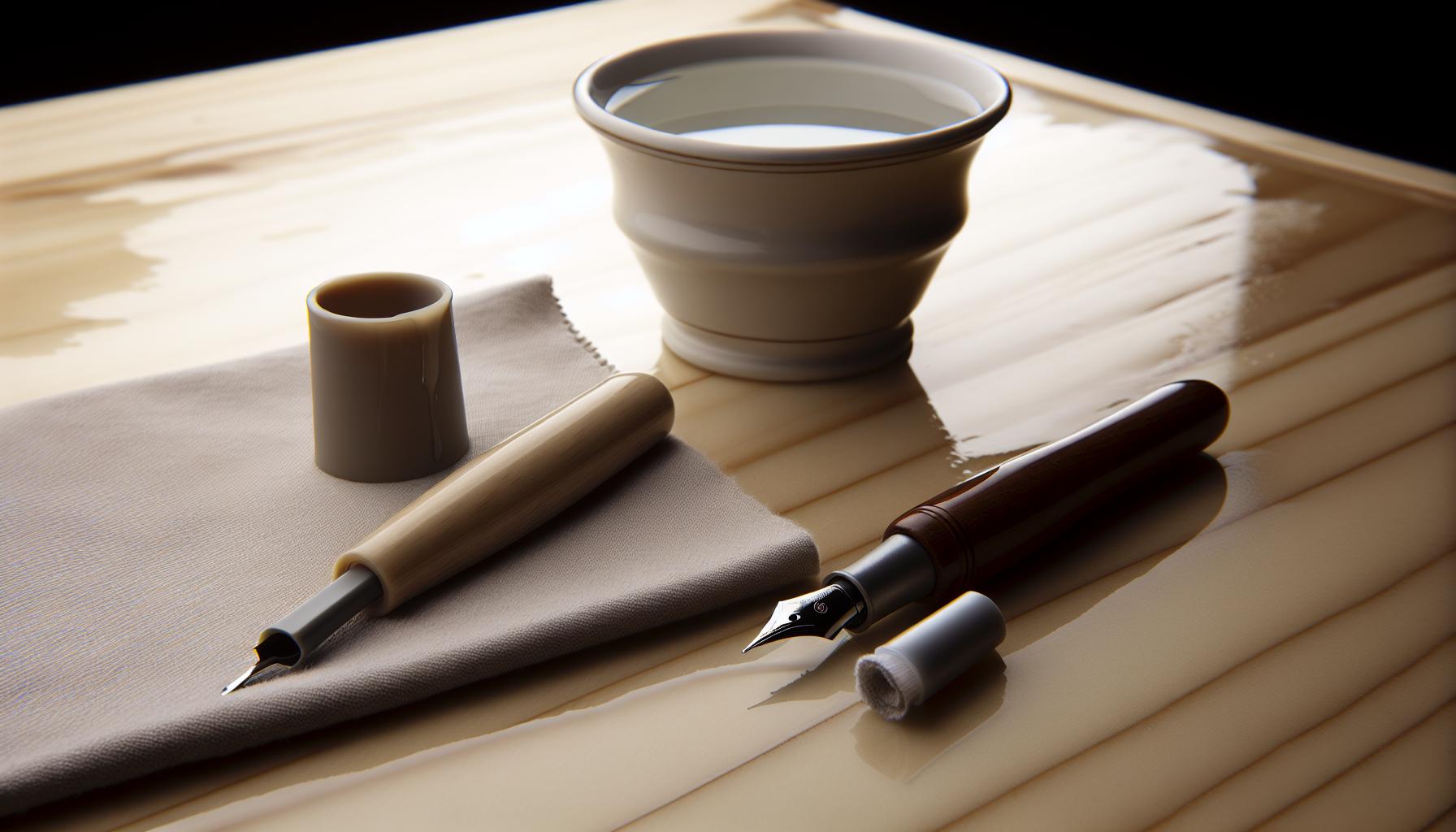
How to Properly Clean Your Calligraphy Pen Nib
Cleaning your calligraphy pen nib is essential for smooth writing and to ensure the longevity of your tool. Just like you wouldn’t want to write with a dirty brush, using a gunky nib can ruin your ink flow and artistry. Over time, ink residue can build up, especially if you switch colors often or let your pen sit unused for a while. The good news is that cleaning your nib is a straightforward process that takes just a few minutes, ensuring that your pen performs at its best.
To start, gather your supplies: distilled water, a soft cloth or paper towel, and mild soap. If you’ve been using pigmented inks, a little isopropyl alcohol can come in handy for stubborn stains. First, gently remove the nib from your pen if it is designed to be detachable. Rinse it under warm, distilled water to loosen any dried ink. Avoid hot water, as it can damage the nib’s finish. For more persistent buildup, make a gentle lather with mild soap and use a soft cloth to wipe the nib, taking care to avoid harsh scrubbing that could misalign or damage delicate parts.
After cleaning, rinse your nib thoroughly to remove all traces of soap or residue. Pat it dry with a soft towel-don’t use heat to dry it, as that might warp the nib. Once dry, reassemble your pen and ink it up again, and you’ll notice that the flow is smoother and your strokes more precise. Regular cleaning helps keep your nib in excellent condition, allowing your creativity to flow freely without interruptions.
Essential Cleaning Supplies for Calligraphy Care
Cleaning your calligraphy pen nib is crucial for maintaining its precision and longevity, and having the right supplies makes all the difference. You don’t need a complicated toolkit-just a few reliable items can keep your nib in top condition and ensure your writing experience is smooth and enjoyable.
Start with distilled water. This is the best option for rinsing your nib, as it avoids any minerals and impurities found in tap water that could leave residue. Next, grab a soft cloth or high-quality paper towel for gently wiping the nib. You’ll want something that won’t scratch or damage the delicate gold or steel surface. For tougher ink residues, particularly from pigmented inks, a small amount of isopropyl alcohol can be a lifesaver. However, always use it sparingly and rinse well afterward, as it can be harsh if left on the nib too long.
Moreover, keep a bottle of mild soap handy. Choose something gentle, without harsh chemicals, to create a light lather for more stubborn ink build-up. The goal here is to clean effectively without damaging the nib’s fine finish. Lastly, always have some soft towels on hand for drying your nib post-cleaning. Avoid air drying or using heat, as that can warp the nib.
Having these essentials on your workspace not only simplifies your cleaning routine but enhances your overall calligraphy practice. Making it a habit to clean your nib after every session will ensure that ink flows freely, and your artwork looks pristine every time. Regular maintenance with these supplies keeps your writing instruments in optimal shape, leading to better results and a more enjoyable experience.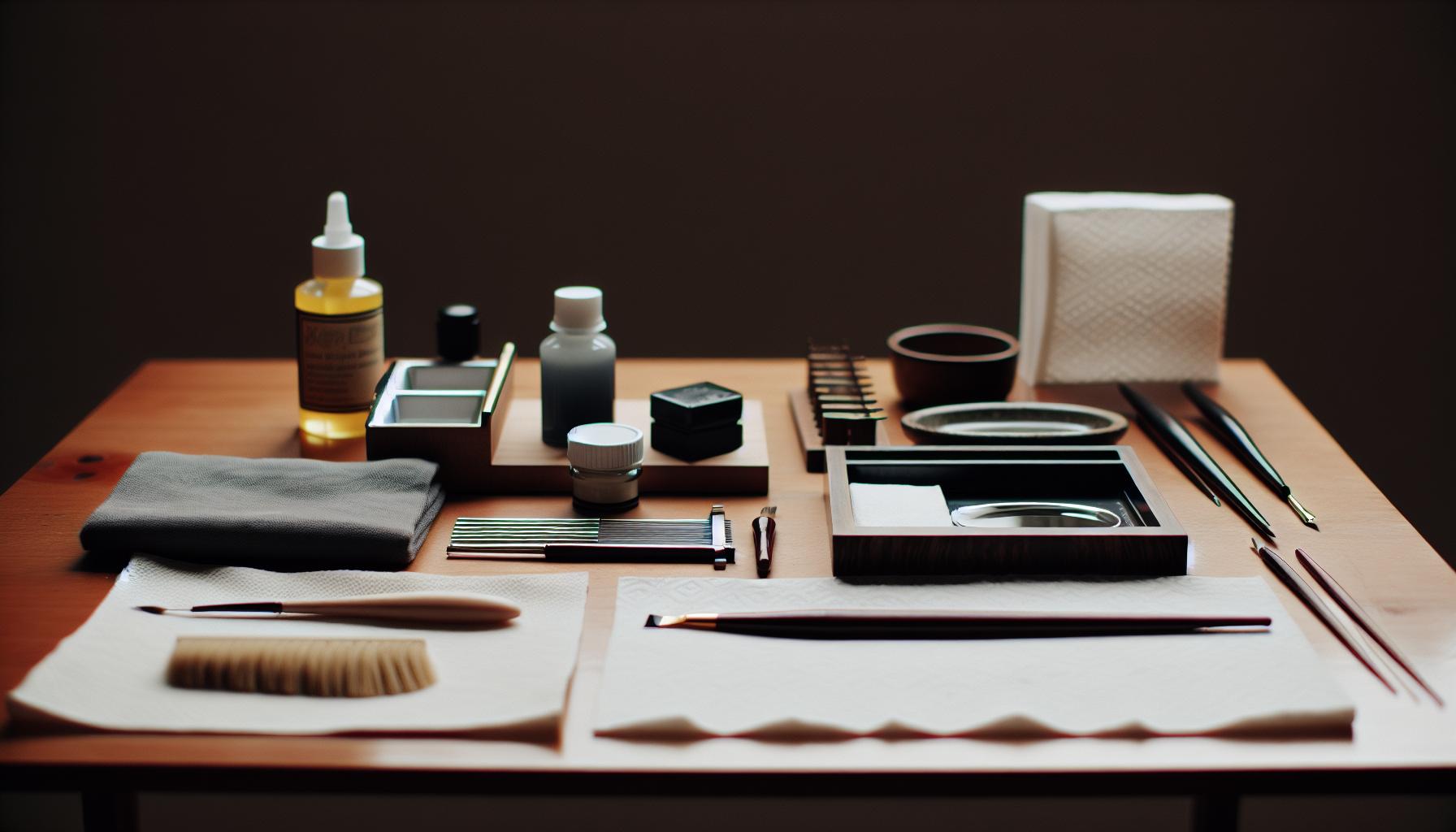
Step-by-Step Guide to Cleaning Your Nib
Cleaning your calligraphy pen nib doesn’t have to be a chore; in fact, it can be an important ritual that keeps your writing experience enjoyable and helps extend the life of your pen. Let’s walk through a simple, effective process to ensure your nib stays in top shape.
Start by gathering your supplies. You’ll need distilled water, a soft cloth or high-quality paper towel, a small bowl, and optionally isopropyl alcohol or mild soap for tougher stains. The distilled water is best for rinsing since it won’t leave behind any mineral residue.
To clean your nib, follow these steps:
1. Rinse the Nib
Submerge the nib in a small bowl of distilled water. Swirl it gently for a few seconds to loosen any ink residues. Avoid soaking the entire pen, especially if it contains a cartridge or converter, as this can introduce water into areas that should remain dry.
2. Wipe the Nib
Take your soft cloth or paper towel and carefully wipe the nib from the base to the tip. This motion helps remove any residual ink without scratching the delicate surface. If you notice persistent stains from pigmented inks, a single dip of a cotton swab in isopropyl alcohol can assist-just be sure to rinse the nib again with distilled water afterward.
3. Lather with Soap (if needed)
For particularly stubborn ink build-up, use a tiny amount of mild soap mixed with water to create a lather. Gently scrub the nib with a soft cloth or a soft-bristled toothbrush to dislodge any stubborn ink particles. Rinse thoroughly with distilled water to remove any soap residue.
4. Dry the Nib
After cleaning, immediately dry the nib with a soft towel. Never air-dry your nib, as moisture can lead to rusting or corrosion over time. If you’ve used any liquids, double-check that everything is completely dry before reassembling your pen or putting it away.
Following these steps regularly keeps your nib performing at its best, ensuring you create your most beautiful work without interruption. Remember, prevention is key-clean your nib after each writing session to maintain optimal ink flow and performance. Your future self will thank you!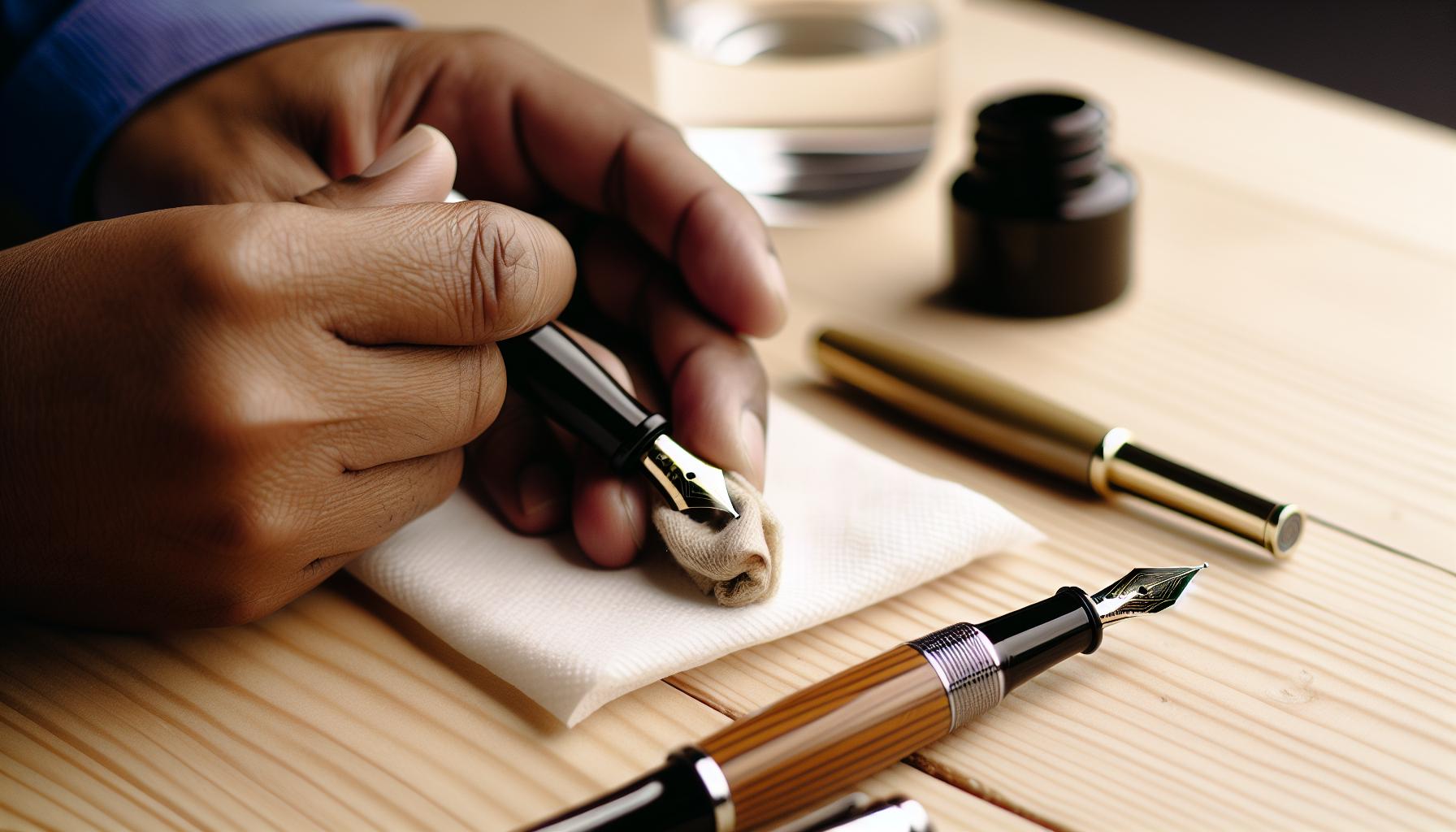
Common Mistakes to Avoid When Cleaning
Cleaning your calligraphy pen nib should feel like a gentle ritual, not a daunting task. Yet, many people stumble into common pitfalls that can lead to frustration or even damage. Let’s dive into those mistakes and how to sidestep them for a smoother cleaning process.
One major mistake is using the wrong cleaning solutions. Avoid harsh chemicals or abrasive cleaners that can wear down the nib’s delicate surface. Instead, stick to distilled water, mild soap, or isopropyl alcohol in small amounts. Remember, a little goes a long way. If alcohol is necessary, use it sparingly and always follow up with a rinse of distilled water to prevent residue.
Another frequent oversight is the urge to soak the entire pen in water. Diving your pen into a bowl filled with water can introduce moisture into areas that are better left dry, especially if you’re using a cartridge or converter. This can lead to rust or other malfunctions. Instead, focus on rinsing just the nib, swirling it gently in water without submerging the whole pen.
When it comes to drying, don’t make the error of letting the nib air dry. That moisture can become a breeding ground for rust. Dry it immediately with a soft, lint-free cloth. Pay extra attention to any crevices where water might hide.
Lastly, don’t overlook regular maintenance. It’s easy to forget to clean your nib after a long session, but neglect can build up grime, making cleaning harder next time. Make it a habit-clean your nib after every use. Your future self-and your pen-will thank you.
By avoiding these common missteps, you’ll extend the life of your calligraphy pen nib and enhance your overall writing experience. Careful cleaning ensures that your ink flows smoothly and your creativity remains uninterrupted.
Maintaining Your Calligraphy Pen: Everyday Tips
Keeping your calligraphy pen in top shape isn’t just about cleaning it after use; it’s about nurturing it day in and day out. Think of your pen as a cherished tool in your creative arsenal-it needs a bit of love and attention to perform at its best. Here are some everyday tips that’ll keep your nib happy and healthy, ensuring it serves you well for years to come.
First off, choose the right ink. Not all inks are created equal, and using high-quality, compatible ink can significantly reduce clogging and flow problems. Opt for water-soluble inks for easy cleaning and avoid pigmented inks if you plan to use your pen frequently, as they can leave residue that’s tougher to clean. Additionally, when you finish a writing session, take a moment to wipe the nib clean with a soft cloth. This simple step can prevent buildup and ensure smooth flow during your next use.
Storage is another crucial aspect of maintenance. Store your calligraphy pens horizontally when they’re not in use. This prevents the ink from pooling at one end, which can lead to leaks or dried-out nibs. If you’re using a fountain pen, make sure to keep the cap on to prevent the nib from drying out. For extra protection, consider investing in a pen case or a roll that cushions and shields your pens from physical damage.
Lastly, don’t wait for signs of trouble to do maintenance. Instead, establish a rhythm: clean your nib after every significant writing session and periodically check for issues like ink flow problems or drying ink. Are you experiencing skips or spots that disrupt your writing? They might just need a good rinse. Keeping an eye out for these details not only prolongs the life of your pen but also enhances your writing experience every time you pick it up.
Adopting these habits transforms pen care from a forgettable chore into an integral part of your creative routine, allowing your artistic expression to flow uninterrupted.
The Importance of Regular Nib Maintenance
Regular maintenance of your nib is essential for ensuring that your calligraphy experience remains smooth and enjoyable. It’s not just about keeping it clean; it’s about preserving the performance and extending the lifespan of your pen. Think of your nib as the heart of your calligraphy tool-when it’s well cared for, your writing flows beautifully, but neglect can lead to frustration and poor results.
One critical reason to establish a cleaning routine is to prevent ink buildup, which can occur even after a single use. Ink residues can not only affect the flow, leading to skipped lines or unwanted blobs, but they can also corrode the nib over time. Regularly cleaning your nib-ideally after each use-ensures that ink residues dissolve before they dry and become stubborn. It’s a simple effort for the payoff of enhanced control and consistency in your writing.
Another aspect is realizing that different inks react uniquely to various materials. For example, pigmented inks tend to leave more residue than water-soluble options. Choosing the right ink for your projects can complement your maintenance efforts. If you cycle through different inks, consider adjusting your cleaning frequency accordingly. Additionally, be mindful of the nib’s material; gold and stainless steel have different care requirements, so understanding your nib’s specifics can greatly enhance its longevity.
In the long run, regular nib care will not only enhance your calligraphy but also save you money. Replacing a worn-out nib or pen can be a costly endeavor. By investing time in maintenance, you preserve your tools and ensure that each writing session is a pleasure rather than a hassle. Make nib care a habit, and you’ll notice a marked improvement in your writing’s fluidity and precision.
Extended Care: Protecting Your Nib from Damage
Your calligraphy nib is an intricate tool that deserves thoughtful protection against damage. Each time you put pen to paper, you apply pressure and friction that can wear down your nib over time. This wear and tear can lead to poor ink flow and diminished performance, so it’s crucial to take some proactive steps.
One of the best practices is to always store your pens properly. Keep them in a protective case or pen holder to avoid drops or impacts. It may seem simple, but preventing physical damage is key. Don’t leave your nib exposed to the elements; dust, moisture, and even changes in temperature can affect the materials and lead to corrosion or rust. If you’re using water-based inks, moisture is particularly detrimental, as it can cause nibs to corrode faster.
Another essential tip is to avoid pressing down too hard when writing. Let the nib glide over the paper rather than pushing it down. Using too much force not only affects the quality of your strokes but can also lead to bending or fracturing the nib. If you’re facing consistent issues with ink flow, it may be time to reassess your technique or the type of paper you’re using. Some surfaces are too rough and can cause unnecessary strain on your nib.
Lastly, always clean your nib thoroughly after each use, but don’t just rinse it under water. Use a soft cloth to gently wipe down the nib and remove any remaining ink. This careful approach helps maintain its shape and functionality. Regular maintenance, combined with smart protective measures, will keep your calligraphy nib in top shape, ensuring you can create beautiful letters for longer.
Understanding Different Nib Materials
Understanding various nib materials can drastically improve your calligraphy experience and extend the life of your tools. Most nibs are made from metals such as stainless steel, gold, or a mix of these materials. Each has unique properties that impact performance, longevity, and maintenance needs.
Stainless steel nibs are the most common choice for beginners and professionals alike. They’re durable, affordable, and less prone to tarnishing. However, they can sometimes feel rigid, which might not suit everyone’s writing style. This is where golden nibs come in. While pricier, gold nibs offer a bit more flexibility, allowing for a smoother, more responsive writing experience. They’re also less likely to rust, which is a major plus for those who frequently use wet inks.
Another fascinating option is oblique or italic nibs, crafted for specific writing styles. These specialized nibs can vary in material but are generally designed to provide precise control, allowing for beautiful, expressive lettering. Regardless of the material, it’s crucial to understand how each type interacts with different inks and papers. For instance, softer nibs may require more care when cleaning to prevent bending or damage.
When it comes to cleaning, remember that not all materials react the same way. Stainless steel nibs often just require a simple rinse and a gentle scrub with a cloth, while gold nibs need a bit more attention due to their softer nature. Regular maintenance tailored to the specific material will help preserve the integrity of your nibs, ensuring they continue to perform well, and your writing remains effortlessly beautiful.
When to Replace Your Calligraphy Pen Nib
It’s easy to overlook your calligraphy pen nib’s health until it starts affecting your writing. A nib that’s losing its performance can turn your beautifully flowing calligraphy into a nightmare of uneven strokes and blotchy ink. Knowing when to replace your nib is part of maintaining your tools and ensuring your work remains stunning. If you notice your nib is showing signs of wear or performing inconsistently, it may be time for a replacement.
Look closely at your nib’s tip. If you see visible signs of fraying or cracking, it’s an immediate red flag. A damaged nib will not only affect the quality of your strokes but can also damage your paper. Additionally, if your nib starts skipping or you experience inconsistent ink flow, it could mean that the nib is worn out. Sometimes a thorough cleaning can help, but in cases where buildup or rusting is extensive, replacing it is often the better solution.
Another telling sign is if the nib feels different during use. If it feels scratchy rather than smooth or you’re constantly adjusting your grip to maintain control, that’s a clear indication it’s done its time. Even high-quality materials like gold can lose their responsiveness over time, particularly if they’re exposed to harsh inks or not cleaned properly after each use. Don’t wait for your nib to completely fail; be proactive about replacement.
Ultimately, keeping a fresh supply of different sizes and types on hand can save you from frustration down the line. Experimenting with various nibs can also elevate your calligraphy game to the next level, allowing for different effects and styles in your work. By understanding these signs, you can maintain the beauty and precision of your calligraphy, ensuring that your artistic expression flows smoothly from pen to paper.
Troubleshooting: Fixing Ink Flow Issues
Ink flow issues can be one of the most frustrating problems when working with calligraphy pens. If you’re experiencing skips or inconsistent lines, don’t despair-there are tried-and-true methods to troubleshoot and fix the problem. Often, the solutions are simpler than you think.
First, ensure the nib is clean. Dried ink or debris can clog the small channels essential for smooth ink flow. A gentle rinse with water can clear most blockages. For tougher residues, you might consider soaking the nib in warm water or using a very mild soap-just make sure to rinse thoroughly afterward. It’s important to let the nib dry completely before reloading it with ink. Additionally, inspect the feed (the part that delivers ink to the nib) for any bits of dried ink that might obstruct flow. Use a soft brush or a toothpick to carefully dislodge any stuck particles.
Another common culprit for ink flow problems is the ink itself. Not all inks are created equal, and some may be too thick for your pen. If you notice frequent clogging, try switching to an ink designed for calligraphy pens or adding a few drops of water to thin it out. Also, consider the nib size; larger nibs work best with thicker inks, while finer nibs need ink that flows more easily.
Be mindful of how you’re holding the pen as well. Sometimes, a subtle change in grip or angle can improve ink delivery significantly. Practice a consistent technique and adjust your grip if you notice skipping. Finally, if all else fails and you’re still encountering woes, it may be time to replace the nib. Signs of wear can seriously compromise functionality, so investing in a new nib could be the fresh start you need.
By staying vigilant about your nib’s condition, selecting the right ink, and maintaining proper technique, you can troubleshoot and resolve most ink flow issues effectively. Happy writing!
Advanced Techniques for Optimal Nib Performance
To achieve optimal performance from your calligraphy nib, it’s essential to adopt some advanced techniques that go beyond basic cleaning. Regular maintenance is crucial, but fine-tuning your approach can make a world of difference. One simple yet effective strategy is to pre-treat your nib before inking. This involves lightly running the nib under warm water just before you start writing; it helps to loosen any residual ink and primes the nib for a smoother flow right from the beginning.
Choosing the Right Ink
Another critical factor for maintaining nib performance is the ink selection. Not all inks are created equal; some are too viscous and can clog even the best nibs. Opt for high-quality, flowing inks specifically designed for calligraphy. Pay attention to the label-look for inks that advertise a smooth flow. If you encounter inks that seem too thick, consider thinning them with a few drops of water, but do this sparingly, as too much thinning can alter color vibrancy.
Nib Conditioning Techniques
Consider experimenting with nib conditioning techniques. For instance, some calligraphers swear by lightly sanding the nib’s tip with a very fine sandpaper or using a specialized nib smoothing tool. This can help enhance ink flow significantly. Just be cautious-too much pressure can damage the nib, so go gently. Additionally, keep your nib clean by regularly wiping it between strokes, especially when switching between colors or textures. A quick wipe can prevent the accumulation of ink and dust that might lead to unwanted skips.
Temperature and Environment
Lastly, don’t overlook the importance of your writing environment. Temperature and humidity can impact ink consistency and flow. It’s best to work in a moderately warm, dry area. If you’re in a damp environment, consider using a dehumidifier to keep your workspace conducive to smooth writing. Adjusting your surroundings can often resolve issues before they even arise.
Incorporating these advanced techniques into your calligraphy practice doesn’t just extend your nib’s lifespan-it also elevates your writing experience. By focusing on preparation, appropriate materials, and environmental factors, you’ll enjoy a seamless flow on every page.
Tips for Storing Your Calligraphy Pens Properly
Storing your calligraphy pens properly is just as crucial as cleaning them. After all, even the best nibs can become dull or damaged if not stored correctly. You want to ensure that your writing instruments are in optimal condition, ready to express your creativity whenever inspiration strikes. One of the most significant factors in longevity is how you store them.
First, always store your pens horizontally. This prevents the ink from pooling at one end, which can clog or dry out the nib. If you must store them vertically, make sure they’re tip-up to avoid excessive ink flow to the nib, which might compromise its functionality. Consider investing in a dedicated pen case or a protective holder. Many calligraphers love using pouches with individual compartments; they keep pens safe from dust and minimize the risk of accidents.
Another essential tip is to keep your pens away from direct sunlight and extreme temperatures. UV rays can fade the ink and damage the materials of your pen, while heat can dry out ink or warp plastic components. Aim for a cool, dry place like a desk drawer or a shelf. It’s also wise to check humidity levels; a very humid environment can lead to mold growth or ink degradation. If you’re in a particularly humid area, adding silica gel packets to your storage can help absorb excess moisture.
Lastly, don’t forget to regularly inspect your stored pens. Look for signs of wear, ink leakage, or corrosion. Taking a few minutes to assess their condition can save you from future frustration. With these straightforward storage practices, you’ll extend the life of your calligraphy pens and ensure they’re always ready for your next masterpiece.
Frequently Asked Questions
Q: How often should you clean a calligraphy pen nib?
A: You should clean your calligraphy pen nib after each use to prevent ink buildup and maintain its performance. If you use it frequently for long sessions, a quick rinse during breaks can help keep it in top shape. Regular cleaning extends the nib’s lifespan significantly.
Q: What is the best way to dry a calligraphy pen nib after cleaning?
A: The best way to dry a calligraphy pen nib is to gently pat it with a soft cloth or paper towel. Avoid using heat sources, which can damage the nib. Make sure it’s completely dry before storing it to prevent rusting and ink residue buildup.
Q: Can I use soap to clean my calligraphy pen nib?
A: Yes, a mild soap can be used to clean your calligraphy pen nib. Just ensure it’s well-rinsed afterward to prevent residue from affecting your ink. Always use soap sparingly, as too much can leave a film that interferes with writing.
Q: How do you know when a calligraphy pen nib needs to be replaced?
A: A calligraphy pen nib should be replaced if you notice persistent ink flow issues, severe scratching on paper, or if it shows signs of significant wear or bending. Regular inspections can help you identify these issues before they affect your writing experience.
Q: Is it necessary to use special cleaning solutions for calligraphy pens?
A: While it’s not strictly necessary, using special cleaning solutions designed for calligraphy pens can help efficiently remove stubborn ink residues without damaging the nib. These solutions often target specific ink properties and enhance cleaning effectiveness.
Q: What materials should I avoid when cleaning a calligraphy pen nib?
A: Avoid abrasive materials like rough cloths or sponges that can scratch the nib. Also, steer clear of harsh chemicals or solvents that could damage the nib’s finish. Stick to soft cloths and mild cleaning agents for safe maintenance.
Q: How can I prevent ink from clogging my calligraphy nib?
A: To prevent ink from clogging your calligraphy nib, make sure to clean it regularly and avoid storing it with ink inside. Opt for high-quality, low-viscosity inks, as they can minimize clogging issues.
Q: What should I do if my calligraphy pen nib starts to rust?
A: If your calligraphy pen nib starts to rust, stop using it immediately and clean it with a mixture of vinegar and water to remove rust. After cleaning, dry it thoroughly and, if necessary, consider applying a thin layer of oil to protect it from future moisture exposure.
Key Takeaways
Taking care of your calligraphy pen nib is essential for ensuring a smooth writing experience and extending its lifespan. By following these cleaning techniques, you can keep your nib in top shape and enhance your creative projects. If you’re eager to dive deeper into mastering calligraphy, check out our guides on “Choosing the Right Ink for Calligraphy” and “Best Practice Tips for Beginners.” These resources will elevate your skills even further.
Don’t wait until your nib gets clogged-start your cleaning routine today and see the difference! Have questions or tips to share? Drop a comment below; we love hearing from fellow enthusiasts! And remember, sign up for our newsletter to stay updated on all things calligraphy. Your next masterpiece is just a pen stroke away!