
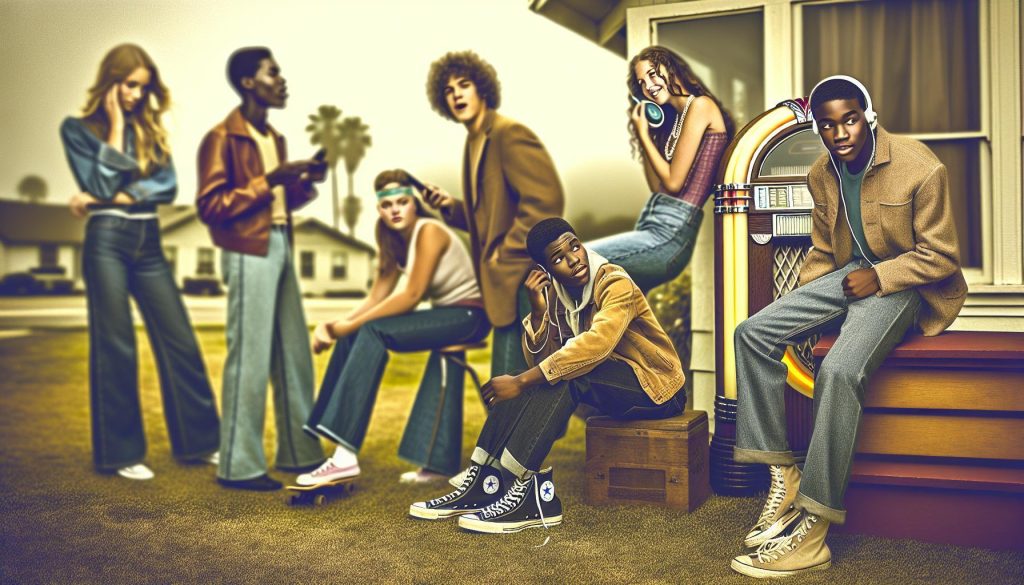
Chuck Taylors are more than just shoes; they represent decades of culture, individuality, and style. From their rise in the 1920s as a basketball staple to becoming fashion icons, these sneakers have a fascinating history that reflects changing trends and social movements. Have you ever wondered how they transitioned from performance shoes to a wardrobe essential?
In this decade-by-decade look at Chuck Taylors’ popularity, we’ll explore those shifts and how these versatile kicks have remained relevant across generations. By understanding their journey, you’ll gain insight into not just a shoe, but a cultural phenomenon that continues to inspire. So, lace up as we dive into the captivating story of Chuck Taylors and their impact on style and self-expression!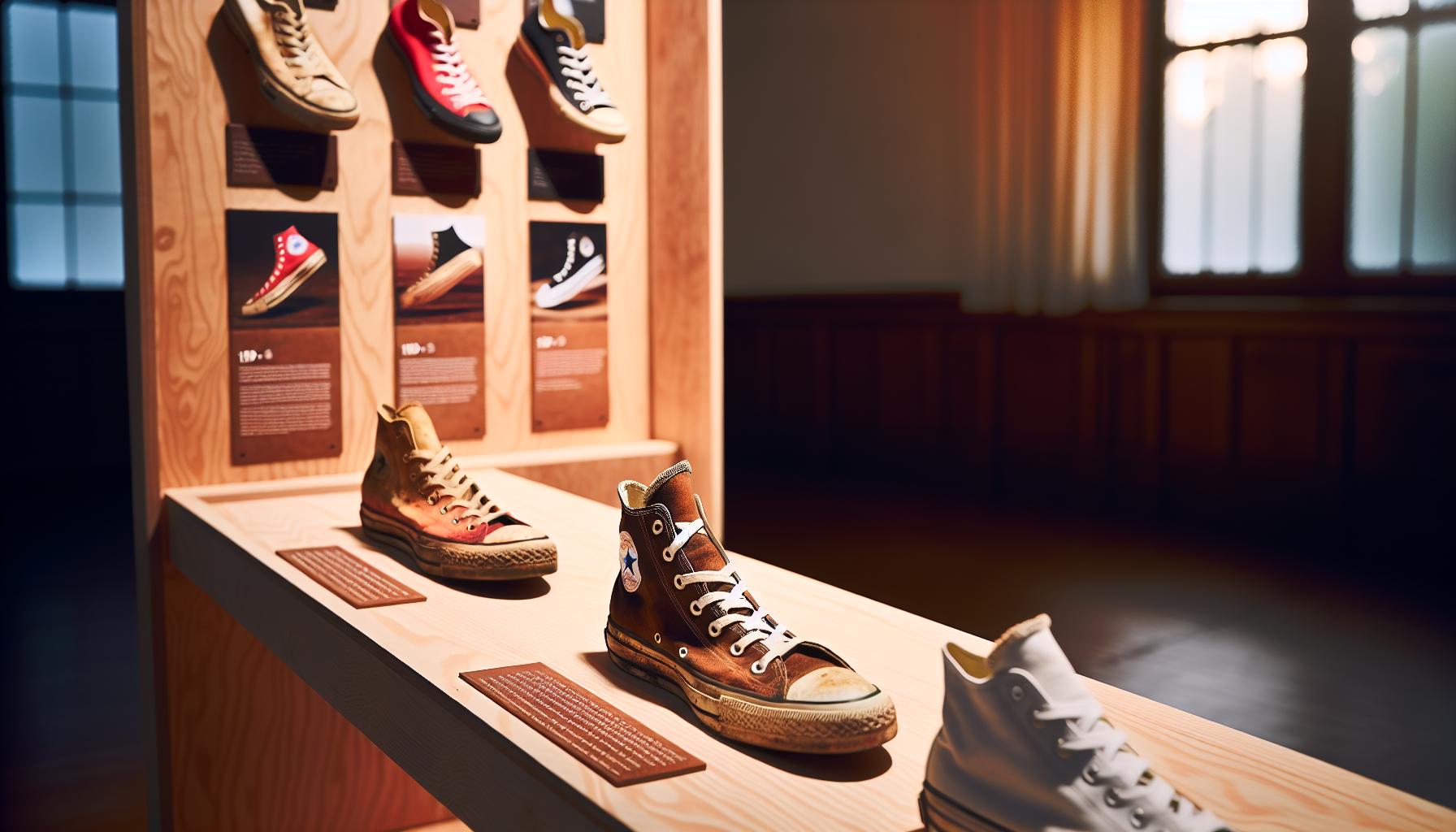
The Rise of Chuck Taylors: A Historical Overview
The iconic Chuck Taylor All Star has a fascinating history that spans nearly a century, intertwining the realms of sports, pop culture, and fashion. Born in the 1920s, Chuck Taylors were initially designed as a basketball shoe. Chuck Taylor, a player-coach for the Converse All-Stars, played a crucial role in promoting this model, which quickly became intertwined with the game itself. By the 1930s, the shoes had established themselves as the official footwear for the U.S. basketball team at the 1936 Berlin Olympics, marking a pivotal moment in their rise to fame.
As we moved into the 1940s, the wartime era saw Chuck Taylors become a symbol of American culture. Their versatility led them beyond the basketball court, appealing to a broader audience, including soldiers who wore them in leisure time. This adaptability set the stage for the shoes’ transition from athletic wear to everyday staples in the 1950s, when they began to be embraced by youth culture. As rock ‘n’ roll gained popularity, Chuck Taylors became synonymous with rebellion and individualism, making a significant mark on street style.
The subsequent decades saw Chuck Taylors evolve further. The 1960s solidified their status as a cultural icon, with musicians and artists from various genres adopting them as part of their signature looks. The 1970s introduced the punk movement, where these shoes became a definitive aspect of punk fashion. This trend continued into the 1980s, as Chuck Taylors were sported by celebrities, enhancing their appeal. By the 1990s, they found their way into pop culture, appearing in music videos and movies, while the 2000s marked a revival, with Converse refreshing the brand and reintroducing classic designs.
Today, Chuck Taylors continue to hold a special place in fashion, appealing to diverse generations. Thanks to social media, their popularity surged once again in the 2010s, with influencers showcasing them in modern, stylish ways. The shoes have transcended their original purpose, becoming a staple for self-expression and creativity in contemporary wardrobes.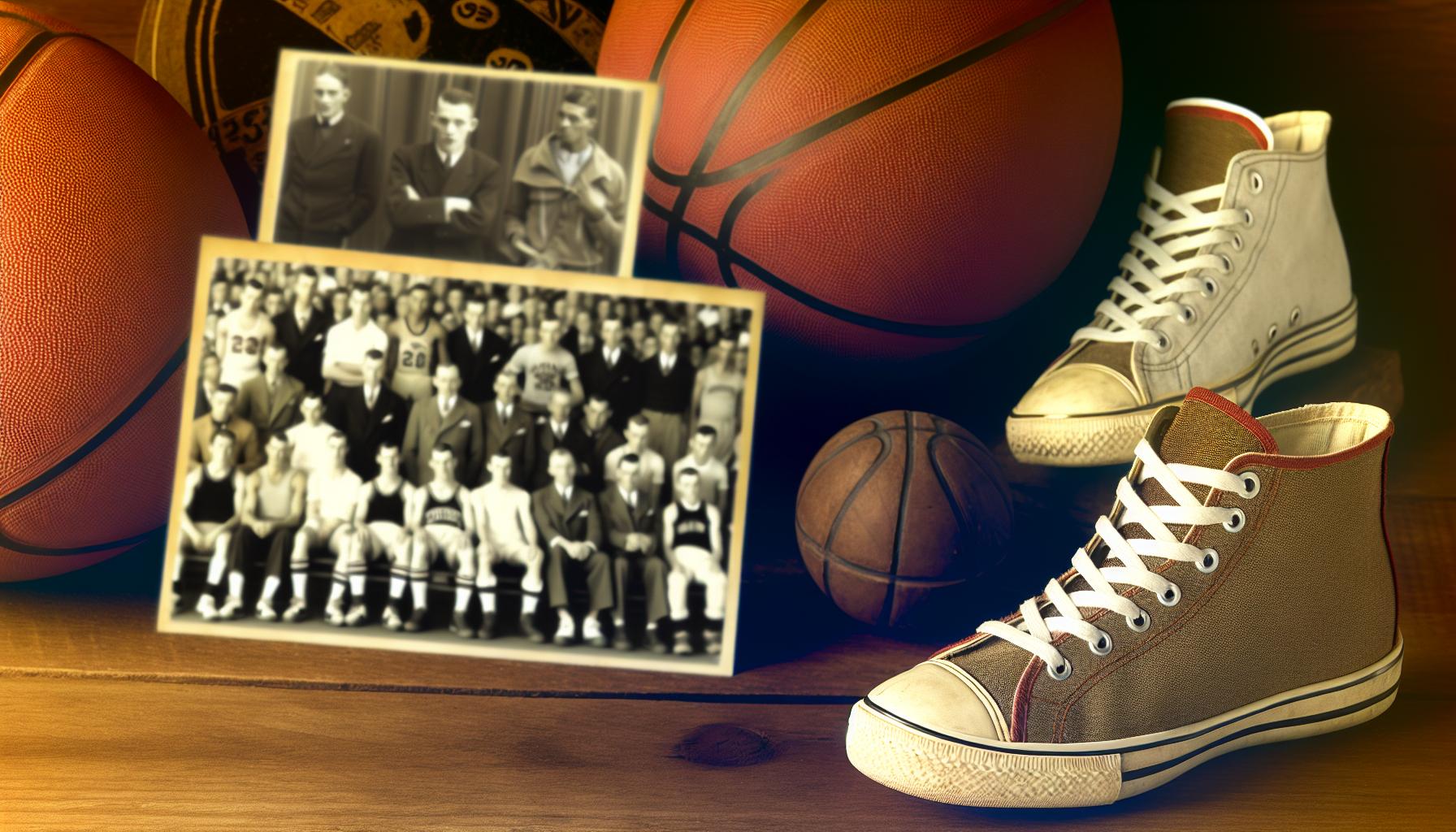
Chuck Taylors in the 1920s and 1930s: Origins and Impact
The captivating story of Chuck Taylors truly begins in the 1920s, when they first embraced the hardwood of basketball courts and the imaginations of athletes and trendsetters alike. Originally designed as a basketball shoe by the Converse Rubber Shoe Company in 1917, these sneakers gained prominence thanks to Chuck Taylor himself, a player-coach and tireless promoter of the brand. His dedication not only helped the All-Star model take shape but also made it a staple for basketball players.
By the mid-1930s, Chuck Taylors had become the official shoe of the U.S. Olympic basketball team at the 1936 Berlin Olympics-an iconic moment that marked their transition from mere footwear to cultural phenomenon. This endorsement solidified their reputation in the sports world and enhanced their appeal to a broader audience. The shoes were characterized by their distinctive canvas upper and rubber sole, favorable for agility on the court.
Beyond the basketball arena, Chuck Taylors started to attract attention after the war, representing a spirit of individuality. They were worn not only by athletes but also by everyday Americans, from soldiers in their downtime to young people seeking a stylish and comfortable look. This dual identity as both sport and casual footwear laid the groundwork for what would evolve into a larger cultural impact, ultimately paving the way for the fashion statements yet to come in the following decades.
As sports culture began to intertwine with youth movements, Chuck Taylors became a vessel for self-expression, embodying the aspirations of a generation ready to challenge norms. Their roots may have taken hold on the basketball court, but their branches were reaching into the realm of personal style, setting the stage for their lasting legacy.
The 1940s: Wartime and the Appeal of Chuck Taylors
In the 1940s, amidst the backdrop of World War II, Chuck Taylors transcended their role as mere basketball shoes to become cultural symbols of resilience and style. During this period, Chuck Taylors were not just popular among athletes but also found their way onto the feet of soldiers and civilians alike, solidifying their status as a staple in American fashion. The shoes’ durable design and comfortable fit made them an ideal choice for military personnel in their off-duty moments, which allowed the sneakers to gain a foothold beyond the basketball court.
The wartime era also coincided with a growing sense of individualism, as Americans sought ways to express themselves during challenging times. Chuck Taylors, with their simple yet iconic design, offered a canvas for personal expression. As soldiers returned home, the sneakers became associated with a sense of freedom and normalcy. Young men and women adopted them not just for sports, but as part of a broader lifestyle that celebrated casual wear. This shift marked a significant turning point in how these shoes were perceived-no longer just athletic gear, but a fashion statement that connected people across various walks of life.
In addition to being sport-friendly, the All Stars boasted a colorful spectrum of designs, which boosted their appeal. The classic black and white versions became ubiquitous, but so did other colors, allowing wearers to mix and match with their everyday clothes. As the decade progressed, Chuck Taylors began to embody the spirit of the post-war youth culture emerging in the 1950s, setting the stage for their rise as an enduring symbol of style and rebellion.
The 1940s laid the groundwork for Chuck Taylors’ transition into the fabric of American culture, proving that what began as a functional basketball shoe could evolve into an emblem of personal identity and social expression. The sneakers were poised not just for the courts, but for the streets, where they would continue to capture the hearts of generations to come.
The 1950s: From Sports to Street Style
In the 1950s, Chuck Taylors truly transformed from mere athletic footwear into a cultural phenomenon, reflecting the vibrant social landscape of post-war America. This shift marked a significant moment where sports met street style, and the canvas shoes began to capture the essence of youthful rebellion and individualism. As the nation experienced a surge in consumer culture and a desire for personal expression, Chuck Taylors rose as a symbol of this new way of life.
The emergence of rock ‘n’ roll music played a pivotal role in this transition. Iconic figures like Elvis Presley and later, artists like James Dean donned Chuck Taylors, seamlessly blending the sporty aesthetics with a carefree, rebellious spirit. The simplicity of the shoes made them accessible and relatable, resonating with the youth who sought to break free from the constraints of traditional fashion. Tailored suits and formal wear became less appealing to a generation hungry for individuality; Chuck Taylors were the perfect fit for this new ethos.
Social movements also contributed to the shoes’ rise in popularity. As young people began to embrace values of self-expression and nonconformity, Chuck Taylors became a canvas for personal style, often customized with drawings or slogans that echoed their sentiments. The brand’s ability to adapt and cater to these cultural shifts ensured its ongoing relevance. As the decade progressed, schools and gyms filled with teenagers sporting their All Stars, which became synonymous with casual yet edgy fashion.
Moreover, the shoes gained traction not just in urban settings but across suburban landscapes as well, appealing to a diverse demographic. From skate parks to concert venues, Chuck Taylors marked their territory as the go-to footwear for everyday life. Today, it’s remarkable to think that this simple rubber-soled shoe in its humble beginnings now embodies a rich history of cultural significance, ushering in a new era where sports, music, and street style collide.
The 1960s: Chuck Taylors as a Cultural Icon
In the 1960s, Chuck Taylors solidified their status as a cultural icon, transcending their original identity as basketball shoes to become a symbol of counterculture and personal expression. The decade was marked by seismic social changes, with movements advocating for civil rights, anti-war demonstrations, and an explosion of youth culture fueled by rock ‘n’ roll. These shifts created a fertile ground for Chuck Taylors to take center stage as the footwear of choice for a generation eager to rebel against the norms imposed by previous generations.
As music became a powerful force in shaping cultural identity, artists like Bob Dylan, Jimi Hendrix, and later, the bands of the British Invasion, frequently sported Chuck Taylors on and off-stage. The shoes were seen on the feet of those who represented freedom, creativity, and a break from tradition. This association with revolutionary figures made Chuck Taylors not just shoes but a statement-an embodiment of youthful defiance. Their simple design allowed wearers to personalize them, leading many to customize their All Stars with peace signs, band logos, and slogans reflecting their beliefs and lifestyles.
Chuck Taylors also found a home in the burgeoning skateboard scene and among college students, further embedding them in the fabric of youthful rebellion. The shoes became synonymous with a laid-back attitude, effortlessly fitting into the casual lifestyle that characterized the decade. From the streets of San Francisco during the Summer of Love to the college campuses across America, Chuck Taylors were more than just footwear; they were a badge of belonging to a movement that eschewed mainstream commercialism in favor of authenticity and self-expression.
Ultimately, the 1960s positioned Chuck Taylors as more than a popular shoe; they became a cultural touchstone that represented a generation’s search for identity and expression. This transformation laid the groundwork for the enduring popularity of Chuck Taylors, which continue to resonate with new generations seeking to channel that spirit of rebellion and personal freedom.
The 1970s: The Punk Movement and Chuck Taylors
The punk movement of the 1970s found an unlikely partner in Chuck Taylors, turning them into a defining symbol of rebellion and youth culture. As punks rejected mainstream aesthetics, they embraced the unadorned, authentic look of Chuck Taylors, which mirrored their disdain for conventional fashion. These shoes, already ingrained in the cultural fabric since the 1960s, became a canvas for individuality. Punks would often customize their Chucks with DIY modifications, from hand-painted designs to studded embellishments, making them not just a style choice but an expression of personal ideology.
Prominent figures of the punk scene like Sid Vicious of the Sex Pistols and Joey Ramone from The Ramones helped propel Chuck Taylors into mainstream consciousness. Sid Vicious, infamous for his chaotic yet charismatic persona, was rarely seen without his Chucks, which became a part of his signature look. The Ramones also favorably traded their Pro Keds for Chucks, solidifying its place within punk rock culture and cementing the shoes as a staple of the genre. This transition marked a pivotal moment where Chuck Taylors transcended their original identity as basketball shoes to become synonymous with a countercultural movement.
In the gritty underground clubs where punk bands performed, Chucks were the footwear of choice for both performers and audiences. The shoes’ versatility made them perfect for the mosh pits, enabling fans to jump and thrash without sacrificing comfort or style. This alignment with the raw, energetic spirit of punk music further entwined Chuck Taylors with the ethos of the era-a rejection of the polished, commercialized footwear of the past in favor of something authentic and edgy.
The 1970s solidified Chuck Taylors not only as a fashion statement but also as a cultural artifact representing the struggle for identity, resistance, and freedom within youth movements. As this decade closed, the legacy of Chuck Taylors in punk culture proved that fashion and music could intersect in profound ways, influencing generations long after the punk rock anthems faded.
The 1980s: Fashion Statements and Celebrity Endorsements
In the vibrant arena of 1980s fashion, Chuck Taylors found themselves reimagined as more than just casual sneakers-they became a symbol of style embraced by both subcultures and mainstream celebrities. This era saw the shoes evolve from their humble basketball origins to icons gracing the feet of musicians, actors, and everyday fashion enthusiasts alike. Their appeal lay not just in their comfort and versatility but also in their ability to signify a relaxed, laid-back attitude that resonated with the burgeoning youth culture.
The decade was marked by powerful celebrity endorsements that propelled Chuck Taylors into the spotlight. Artists from various genres showcased these iconic sneakers, making them a staple on and off the stage. Legendary musicians like Madonna, whose eclectic style made waves in the pop music scene, often donned Chucks, encouraging fans to embrace the free-spirited essence of her look. Similarly, rock bands like U2 and the Red Hot Chili Peppers adopted Chucks as part of their signature styles, thus cementing the shoes as synonymous with the music-driven lifestyle of the time.
Moreover, Chuck Taylors carved out a niche in fashion magazines and television shows that defined the decade’s style. The sneakers became a go-to choice for characters in various popular series and movies, bringing a youthful edge that complemented the punk and new wave movements also flourishing throughout this period. The connection between Chuck Taylors and the burgeoning skate culture further amplified their status. As skateboarding gained traction, these iconic shoes became the footwear of choice for skaters, blending the lines between street fashion and athletic performance.
Today, the legacy of Chuck Taylors from the 1980s continues to resonate. They embody the spirit of a decade marked by a push for individuality and self-expression. Wearing Chuck Taylors now isn’t just about comfort; it’s about tapping into that rebellious spirit of the past while making a unique fashion statement in the present. Whether laced up with jeans, paired with a casual dress, or customized with bold designs, these sneakers remain a timeless choice that reflects a rich history of style evolution.
The 1990s: Chuck Taylors in Pop Culture and Music
The 1990s marked a transformative period for Chuck Taylors, propelling them into the hearts of youth culture and solidifying their status as a pop culture phenomenon. As the decade unfolded, these iconic sneakers became synonymous with the grunge movement, championed by bands such as Nirvana and Soundgarden. Kurt Cobain, the face of grunge, often donned his trusty Chucks, making them a staple among fans who embraced his anti-establishment style. This association with raw, unfiltered music resonated deeply with a generation seeking authenticity, allowing Chuck Taylors to transcend their athletic origins.
By the mid-1990s, the sneakers saw a resurgence not just in rock music but across various genres. The hip-hop scene began adopting Chuck Taylors, with artists like A Tribe Called Quest and Tupac Shakur incorporating them into their wardrobes. This shift showcased the versatility of the shoes; they could easily transition from the mosh pit to the streets of urban cities, appealing to diverse subcultures. Their minimalist aesthetic allowed wearers to express individuality without compromising comfort, making them a fashionable choice for anyone-from skateboarders to hip-hop enthusiasts.
Beyond music, Chuck Taylors infiltrated films and television, cementing their cultural relevance. Characters in hit shows like Friends and The Fresh Prince of Bel-Air were frequently seen rocking Chucks, enhancing the sneakers’ connection with youthful rebellion and carefree living. This visibility in mainstream media not only solidified their place in fashion but also established Chuck Taylors as a timeless symbol of youth culture-a point of reference for anyone wanting to project a laid-back yet edgy image.
As the decade wrapped up, the enduring popularity of Chuck Taylors paved the way for their continued evolution into the 2000s and beyond. They weren’t just shoes; they were a cultural statement, reflecting the spirit of a generation that valued authenticity and self-expression. Today, slipping on a pair of Chuck Taylors still evokes that same rebellious spirit, bridging past and present for wearers who want to connect with a rich legacy while making their own statement.
The 2000s: Revival and Reinvention of Chuck Taylors
By the early 2000s, Chuck Taylors were experiencing a significant renaissance, emerging from their long-established role as classic basketball shoes to become a symbol of cultural identity and fashion. This revival wasn’t just a fleeting trend; it marked a realignment of how these iconic sneakers fit into the broader narrative of style and self-expression. The blend of nostalgia and renewed interest from younger generations solidified their status as must-have footwear.
One of the key drivers behind this resurgence was the growing influence of alternative and indie music scenes. Bands like The Strokes and Arctic Monkeys were not just making waves in music; they were also setting style trends. Fans started to adopt Chucks, associating them with the laid-back, edgy vibes of the music they loved. This crossover into music culture brought substantial visibility to the shoes, capturing the attention of not just music lovers but also fashion enthusiasts.
Streetwear and Celebrity Influence
The early 2000s also saw the rise of streetwear, a movement that celebrated casual, comfortable clothing and often took cues from skateboarding and hip-hop cultures. Chuck Taylors fit seamlessly into this landscape. Influential figures in music and fashion, from Kanye West to the cast of Gossip Girl, showcased Chucks in their everyday outfits, further embedding them into the fashion mainstream.
The democratizing effect of social media amplified this trend. Platforms like MySpace allowed users to showcase their personal styles, and Chucks were often a go-to choice for creating the perfect, effortlessly cool look. The minimalist design meant that they went well with virtually anything, from jeans and shorts to skirts and dresses, providing versatility that appealed across various demographics.
As Converse and its Chucks continued this revival, the brand began expanding its offerings, introducing new colors, patterns, and collaborations with notable artists and designers. This reinvention helped the brand reach both older fans who remembered the shoes from their youth and new consumers eager to adopt a piece of street fashion history. By the end of the 2000s, Chuck Taylors had firmly reclaimed their place not just as a nostalgic item but as a competitive style staple that appealed to a diverse and dynamic audience.
The 2010s: Social Media and the Chuck Taylor Comeback
In the 2010s, Chuck Taylors experienced a remarkable resurgence, fueled largely by the power of social media. As platforms like Instagram and Pinterest gained popularity, everyday users began to showcase not just their personal styles but also their love for these iconic sneakers. The minimalist design of Chuck Taylors made them a versatile choice for different outfits, bridging the gap between casual and edgy styles. Whether paired with high-waisted jeans, flowy skirts, or even shorts, Chucks became a staple in closets across the globe.
The influence of social media influencers and celebrities cannot be overstated. Icons like Taylor Swift, Rihanna, and even actors from shows like *Stranger Things* embraced Chuck Taylors, often seen wearing them in various settings-from the red carpet to casual outings. This visibility encouraged fans to emulate their favorite stars, effectively cementing the shoe’s status in popular culture. Additionally, the rise of street style blogs and fashion vlogs transformed everyday wear into a coveted trend, further elevating the sneaker’s profile.
Brand Collaborations and Customization
Converse capitalized on this revival by expanding their offerings. Collaborations with high-profile designers and artists brought fresh aesthetics to the classic model. Customization options allowed fans to create unique designs that reflected their personalities, making Chuck Taylors not just shoes, but expressions of individuality. Limited edition releases and exclusive colorways fed into a culture of collecting, sparking excitement around the brand and keeping it relevant to both longtime fans and new consumers.
As the decade rolled on, the integration of Chuck Taylors into pop culture only seemed to deepen. Popularization in music, thanks to musicians’ endorsements and the shoes’ fun, rebellious nature, accompanied their presence in major films and TV shows. Through it all, these shoes maintained their characteristic blend of nostalgia and modernity, securing their place not only in wardrobes but also as a symbol of cultural identity, especially among younger generations navigating their own style narratives.
Chuck Taylors Today: Current Trends and Popularity
In today’s fashion landscape, Chuck Taylors are more than just shoes; they represent a cultural phenomenon that effortlessly blends nostalgia with contemporary style. With their rich heritage stretching back over a century, these iconic sneakers have found their footing not just in the closets of everyday wearers, but also in the hearts of style influencers and celebrities alike. Each iteration continues to spark creativity and self-expression, ensuring that they remain relevant across generations.
Social media plays a pivotal role in the ongoing popularity of Chuck Taylors. Platforms like Instagram and TikTok showcase countless outfits featuring these classic sneakers, fueling trends and influencing buying decisions. Users effortlessly integrate Chucks into various looks, from streetwear to high-fashion ensembles, demonstrating their versatility. The minimalist yet distinctive design allows them to be dressed up or down, making them suitable for everything from casual brunches to more dressed-up occasions. For many, owning a pair of Chuck Taylors is not just about comfort; it’s about making a statement.
Moreover, Converse has kept the excitement alive through innovative collaborations and customization options. By partnering with renowned designers and entering the realm of limited-edition releases, they fuel the sneakerhead culture that thrives on exclusivity and individuality. Fans can now customize their Chucks, choosing colors, patterns, and materials that reflect their personal style. This approach not only appeals to long-time followers of the brand but also attracts a younger demographic eager to express themselves uniquely through fashion.
Ultimately, the enduring allure of Chuck Taylors lies in their ability to evolve while remaining rooted in their storied past. They symbolize a blend of rebellion and authenticity that continues to resonate with new generations. Whether you’re a loyal fan or discovering these shoes for the first time, Chuck Taylors are not just footwear; they’re a cultural touchstone, embodying decades of style evolution and personal expression.
FAQ
Q: What decade did Chuck Taylors first gain popularity in sports?
A: Chuck Taylors gained popularity in sports during the 1920s, specifically after their introduction as basketball shoes. Their performance and comfort quickly made them a favorite among athletes, establishing their legacy in sports history.
Q: How did the cultural impact of Chuck Taylors evolve in the 1960s?
A: The 1960s marked a significant cultural shift for Chuck Taylors, as they became synonymous with counterculture movements. The shoes were embraced by musicians and activists, symbolizing rebellion and individuality, thereby solidifying their status as a cultural icon.
Q: What role did celebrities play in the popularity of Chuck Taylors during the 1980s?
A: In the 1980s, celebrities significantly influenced the popularity of Chuck Taylors. High-profile endorsements and appearances by stars in movies, music videos, and fashion magazines made the shoes a must-have item, linking them to a fashionable lifestyle.
Q: When did Chuck Taylors experience a revival, and what drove this trend?
A: Chuck Taylors experienced a revival in the 2000s, driven by a nostalgia for vintage styles and the rise of indie culture. Their versatility made them popular not only with younger generations but also as a classic fashion staple for all ages.
Q: How did social media affect the popularity of Chuck Taylors in the 2010s?
A: The 2010s saw social media play a crucial role in the popularity of Chuck Taylors. Platforms like Instagram and Pinterest showcased the shoes in diverse styles, encouraging users to share their unique fashion combinations, which boosted their appeal even further.
Q: Why are Chuck Taylors popular for formal events today?
A: Chuck Taylors are increasingly popular for formal events today due to their unique blend of comfort and style. Many people opt for them in non-traditional settings like weddings, proving that they can be both trendy and suitable for various occasions.
Q: What makes Chuck Taylors suitable for various fashion styles?
A: Chuck Taylors’ neutral design and classic color options allow them to complement a wide array of outfits, from casual to semi-formal. This versatility is a key factor in their enduring popularity across different fashion trends.
Q: When did the Chuck Taylor brand become associated with street fashion?
A: The association of Chuck Taylors with street fashion began in the 1950s. As music genres like rock and roll and later punk brought these shoes into the limelight, they became a staple in urban and youth culture, reflecting a carefree, rebellious spirit.
Final Thoughts
Thanks for joining us on this journey through the decades of Chuck Taylor popularity! From the classic rises to the modern-day revivals, it’s clear that these iconic sneakers have stood the test of time. Want to dive deeper? Check out our articles on the history of Converse sneakers and explore the latest trends fueling a Chuck Taylor comeback in today’s fashion scene.
If you loved this look back, don’t forget to subscribe to our newsletter for more insights on fashion history and timeless footwear styles. We’d love to hear your thoughts-what decade do you think was the best for Chuck Taylors? Share your favorites in the comments! Keep exploring our site to discover even more about the sneakers that shaped culture. Your next favorite read is just a click away!