
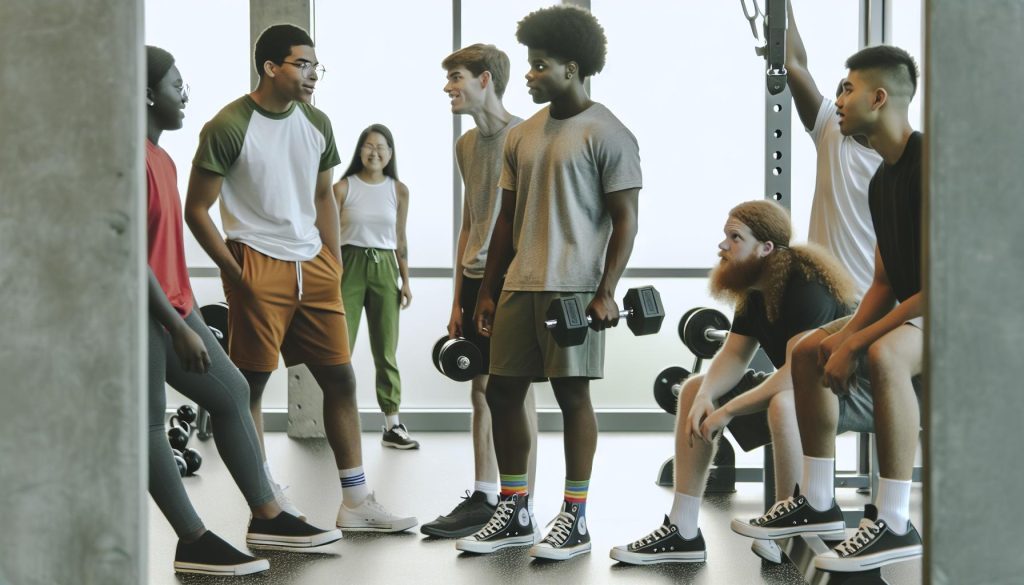
If you’ve ever wandered into a gym and spotted someone lifting weights in Converse Chuck Taylors, you might have wondered if it’s a style choice or a strategic decision. The truth is, these iconic shoes are often favored by weightlifters for their flat soles and stability, which can enhance performance. But is that all there is to it? Understanding the pros and cons of wearing Chuck Taylors for lifting can make a big difference in your workout experience. Whether you’re a seasoned lifter or just starting out, the right footwear can influence your strength training and comfort. So, let’s dive into why Chuck Taylors could be your next best gym partner or whether you might need to rethink your shoe game.
Are Chuck Taylors a Solid Choice for Lifting?
When it comes to lifting weights, the choice of footwear can significantly impact your performance. Chuck Taylors, with their flat soles and minimal cushioning, have been a go-to for lifters for decades. Their design promotes stability and provides a solid connection to the ground, which is crucial for lifts like squats and deadlifts. Many lifters appreciate the feel of the ground underneath their feet, helping to enhance their balance and technique.
The simplicity of the Chuck Taylor’s construction is a major advantage. Without the distractions of high-tech features, they allow lifters to focus on their form rather than worrying about their shoes. Plus, they come in a variety of styles and colors, making them versatile enough for both gym wear and casual outings. However, it’s worth noting that while Chuck Taylors are excellent for many lifting scenarios, they lack the heel elevation found in specialized lifting shoes, which some lifters prefer for activities that benefit from a raised heel.
On the other hand, Chuck Taylors aren’t ideal for everyone. Some lifters may find the lack of arch support and cushioning leads to discomfort during longer sessions. If you have specific foot issues or require more specialized support, you might want to explore options designed specifically for weightlifting. Ultimately, whether or not Chuck Taylors are a solid choice for your lifting needs hinges on personal preference and the type of lifting you engage in. As with any gear, the best approach is to try them out and see how they work for your unique training style and goals.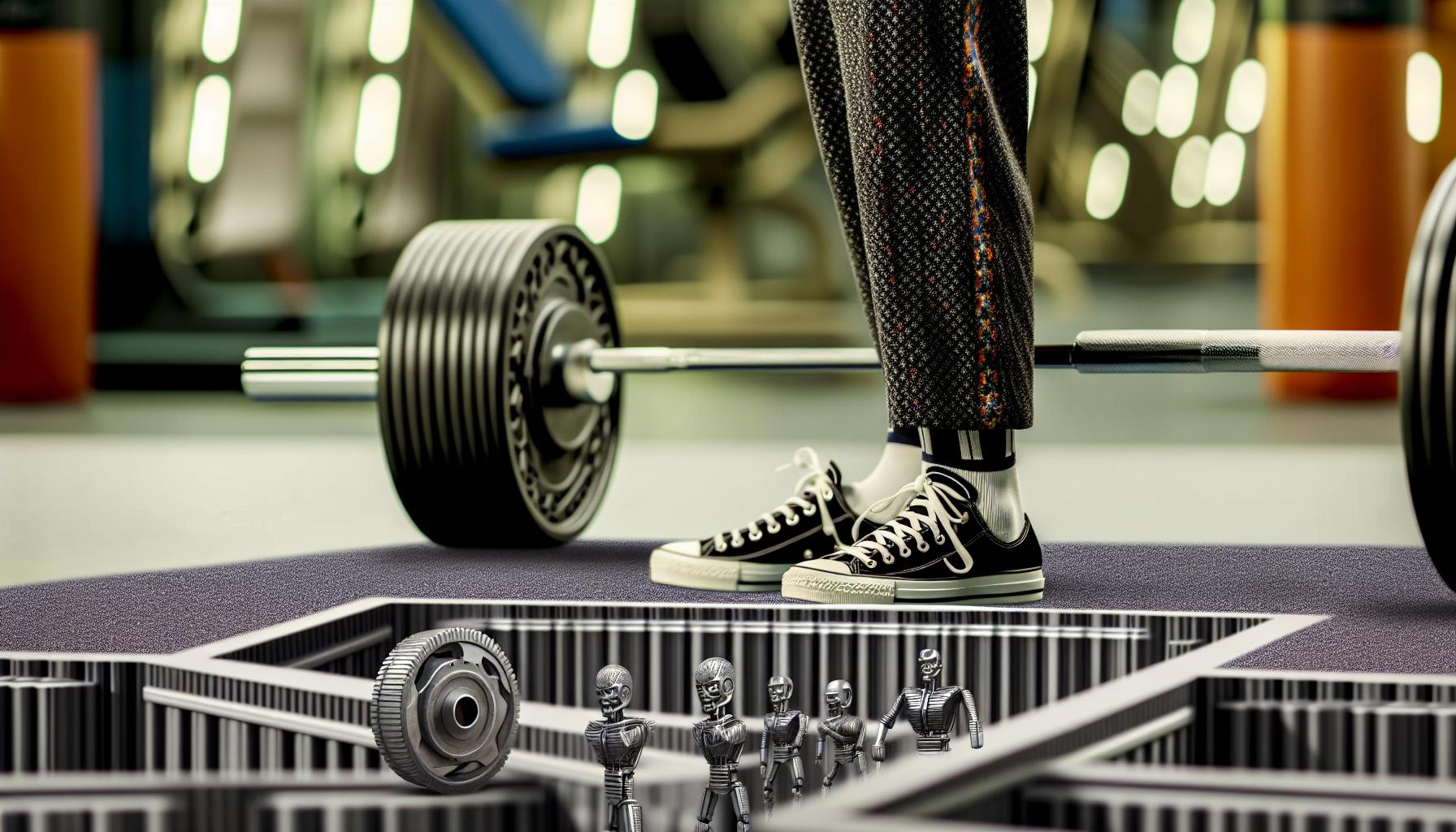
Understanding the Anatomy of Chuck Taylors
If you’re considering Chuck Taylors for lifting, understanding their anatomy is crucial. These shoes feature a classic canvas upper that’s both durable and flexible, allowing freedom of movement while still providing a sturdy feel. The lack of excessive cushioning is a hallmark of the Chuck Taylor design, which many lifters appreciate. This minimal cushioning might sound counterintuitive, but it actually promotes better ground contact and stability, making it easier to engage your muscles effectively during lifts.
The flat sole of Chuck Taylors is one of their biggest advantages. Unlike running shoes that have raised heels and significant padding, the flat sole keeps your foot close to the ground. This design assists in maintaining proper form while executing squats, deadlifts, and other weightlifting exercises. Additionally, the rubber outsole delivers excellent grip, preventing slips and allowing you to focus on your lift without worrying about your footing.
Moreover, the overall structure of Chuck Taylors is straightforward, without complicated features or technology. This simplicity allows lifters to concentrate on their performance rather than get caught up in the specifics of their footwear. However, the shoes don’t provide specific support for those with foot issues or arch pain, which can be a consideration if you’re planning to engage in intense lifting sessions.
Ultimately, Chuck Taylors are a well-balanced option if you’re looking for stability and a great connection to the ground while lifting, making them a popular choice for both newbie lifters and seasoned veterans.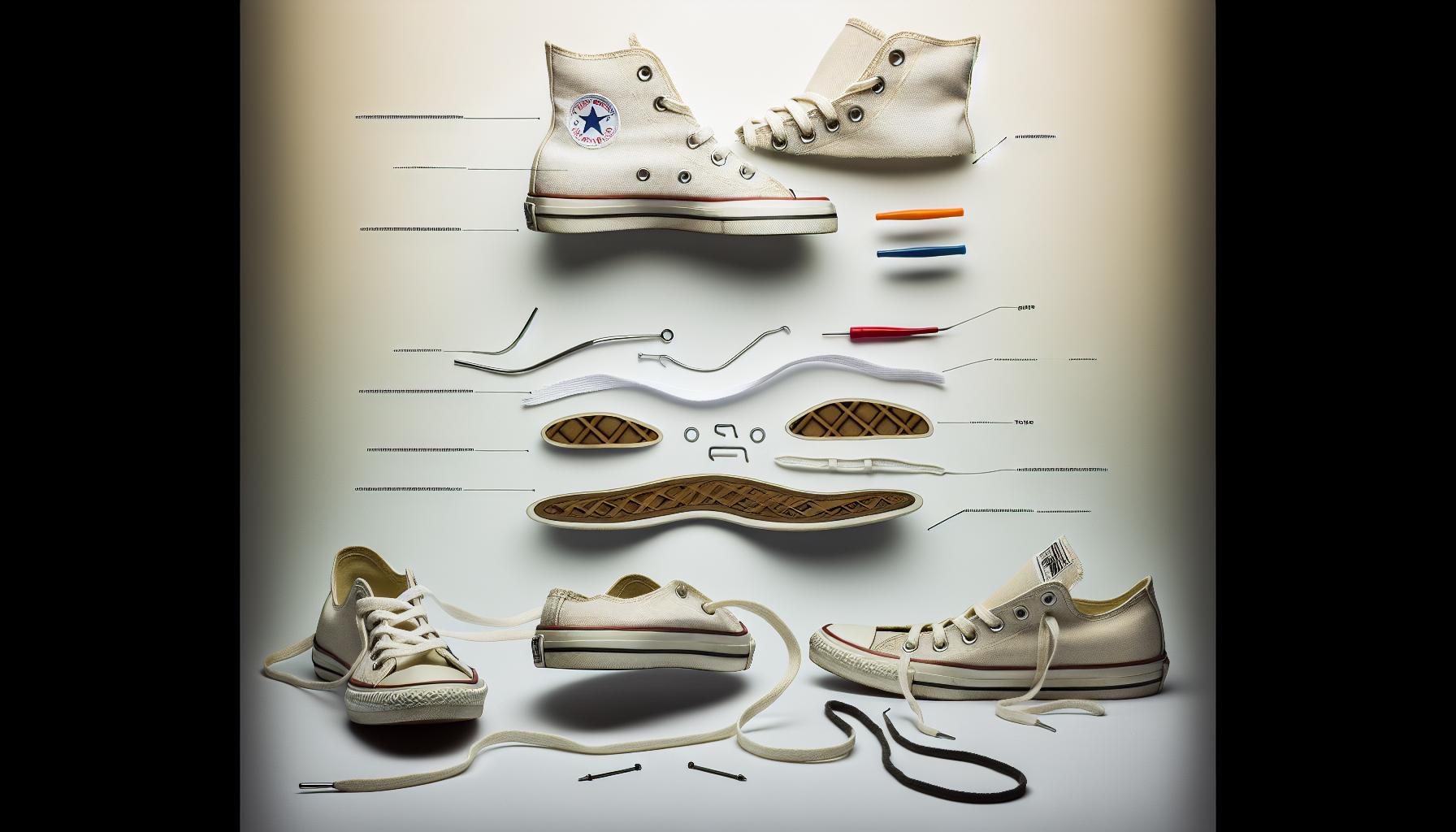
The Science Behind Shoe Selection for Lifting
When it comes to lifting weights, the right footwear can significantly influence your performance and safety. Choosing shoes isn’t just about style; it’s about how effectively they support your body’s mechanics during exercise. Chuck Taylors are a classic choice many lifters gravitate toward due to key features that align with effective training practices.
Firstly, a flat and firm sole is essential for maintaining balance and stability. Chuck Taylors excel here with their rubber outsole that offers excellent traction. This flat base allows your feet to stay connected with the ground, enhancing your ability to control movements during lifts like squats and deadlifts. When your feet are positioned correctly, it fosters a more solid lift, allowing you to engage the right muscle groups more effectively.
Another crucial factor in shoe selection for lifting is the level of cushioning. While some might think extra padding leads to comfort, it can actually hinder performance during weightlifting. Chuck Taylors are designed with minimal cushioning, helping to ground your feet and give you the stability needed for heavy lifts. This simplicity promotes an instinctive feel, enabling lifters to focus on their technique instead of worrying about how cushioned their shoes are.
Moreover, the structured flexibility of Chuck Taylors helps maintain foot health over long gym sessions. Unlike some specialized lifting shoes that can confine the movement of your feet, Chuck Taylors offer enough flexibility to adapt to natural foot movements, keeping your feet engaged without unnecessary restriction. However, it’s worth noting that those with specific foot conditions might want to consider additional support or alternative shoes designed for individual needs.
In summary, teaches us that features like a flat sole, minimal cushioning, and flexibility are key. Chuck Taylors provide these elements, making them a solid choice for both novices and experienced lifters alike, enhancing not only performance but also the overall lifting experience.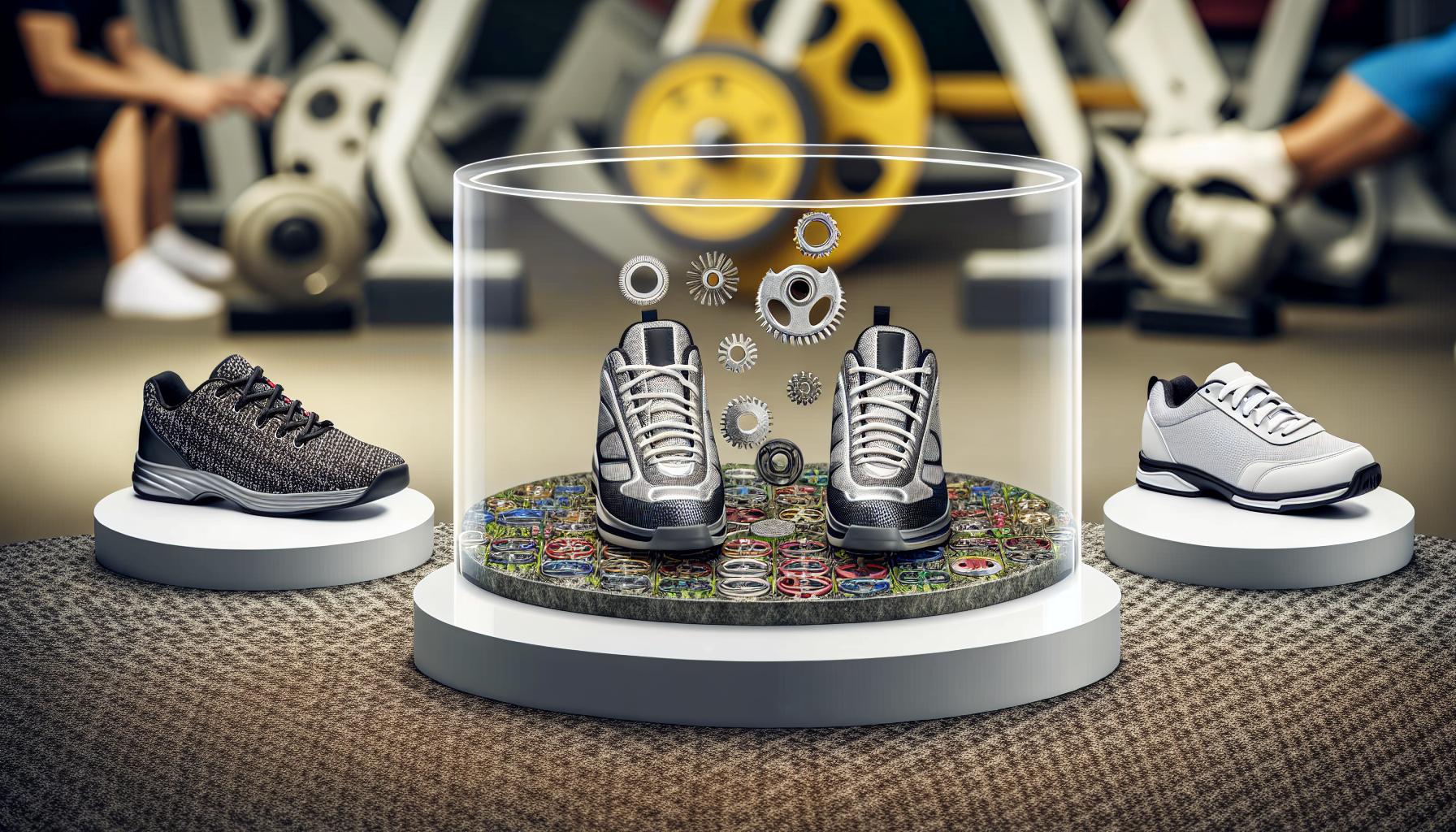
Comparing Chuck Taylors to Popular Lifting Shoes
When , it’s clear these iconic sneakers hold their own in the gym. While they weren’t specifically designed for weightlifting, their unique features cater well to many lifters’ needs. For starters, let’s look at the general design. Chuck Taylors have a flat, rubber sole that provides excellent ground contact and stability. This is a major advantage when performing heavy lifts like squats and deadlifts, where a solid connection to the floor is crucial for balance and power transfer.
Now let’s pit them against some specialized lifting shoes. Brands like Nike Romaleos and Adidas Adipower feature elevated heels that can help with squatting by allowing for a deeper range of motion. These shoes are engineered for serious powerlifting and provide extra support in the ankle. However, the flat sole of Chuck Taylors encourages a more natural foot positioning, which can be beneficial for those focused on functional movement and overall versatility.
Additionally, lifting shoes often come with stiffer soles compared to Chuck Taylors. While that rigidity can enhance performance in specific lifts, it may restrict foot movement in more dynamic exercises. Chuck Taylors, with their flexibility and minimal cushioning, allow for a more instinctive feel. This lightweight construction can make a difference in agility workouts or circuit training, where quick foot movements are key.
Lastly, consider the cost and accessibility. Chuck Taylors are generally more affordable than specialized lifting shoes, making them an appealing option for beginners who aren’t yet ready to invest in high-end gym footwear. They also transition well from gym to casual wear, showcasing a versatility that most lifting shoes simply can’t match. In a nutshell, while Chuck Taylors might not boast the high-tech features of specialized brands, their flat sole, flexibility, and budget-friendly nature make them a worthy contender for lifters looking for functional yet stylish gym footwear.
Pros and Cons of Wearing Chuck Taylors in the Gym
Wearing Chuck Taylors in the gym can spark both love and debate among lifters. These classic sneakers pack a lot of positives into their simple design, yet they also come with some drawbacks that you should consider. If you’re pondering whether these shoes are a fit for your lifting routine, here’s the scoop.
Pros:
- Stability: The flat rubber sole offers excellent ground contact, making Chuck Taylors great for stability during lifts like squats and deadlifts. That direct connection to the floor is crucial for balance.
- Flexibility: Unlike many rigid lifting shoes, Chuck Taylors allow a natural range of motion. This flexibility can be helpful in dynamic workouts that involve a lot of foot movement.
- Affordability: They’re generally cheaper than specialized weightlifting shoes, which makes them an appealing choice for beginners or those who aren’t ready to invest heavily in footwear yet.
- Versatility: These shoes transition effortlessly from gym to casual wear. You can rock them elsewhere without looking out of place, which is a significant perk for those who dislike gym-specific footwear.
Cons:
- Lack of Ankle Support: Chuck Taylors don’t provide the ankle support that some lifters may need, especially during heavy lifts. If you’re prone to ankle issues or need extra stability, this might be a concern.
- No Heel Lift: Unlike specialized lifting shoes that have a heel lift to allow a deeper squat, Chuck Taylors keep you flat. This can be a disadvantage if you’re focusing on Olympic lifts or heavy squats.
- Minimal Cushioning: The cushioning in Chuck Taylors is basic, which might lead to discomfort over prolonged use, particularly during high-rep workouts or when lifting heavy weights.
- Not Designed for Performance: While they’re reliable for casual lifting, they lack the advanced performance features like rigid soles of dedicated lifting shoes that enhance power transfer in specific lifting scenarios.
Ultimately, whether Chuck Taylors are suitable for your lifting needs hinges on your workout style and personal preferences. If you prioritize versatility and stability for basic lifting mechanics, they could be your go-to. However, for serious lifters aiming for peak performance, exploring specialized footwear might still be the best bet.
Expert Opinions: What Trainers Say About Chuck Taylors
When it comes to the gym, the footwear debate is intense. Trainers and strength coaches often weigh in on whether Chuck Taylors hold their ground against specialized lifting shoes. Here’s what the experts are saying about this iconic sneaker’s performance in the weight room.
Many trainers appreciate the stability and balance that Chuck Taylors provide. The flat rubber sole offers a solid connection to the ground, essential for exercises like squats and deadlifts. This direct contact helps lifters maintain proper form and power transfer, a crucial aspect of strength training. Coach Mike, who specializes in strength and conditioning, points out that “the low heel profile of the Chuck Taylors works well for lifters focusing on barbell strength as it keeps you grounded.”
However, it’s important to consider the other side. Some trainers express concern over the lack of ankle support and minimal cushioning in Chuck Taylors. According to physical therapist Jill, “If you have any history of ankle injuries or are lifting particularly heavy weights, you might find better support in dedicated lifting shoes.” She emphasizes that while Chuck Taylors are versatile, they fall short in cushioning and support for high-rep or plyometric workouts.
Expert opinions also bring forth the affordability factor. Many trainers recommend Chuck Taylors as an entry-level option for beginners in weightlifting. They offer a balance of style and functionality without a hefty price tag, which is attractive for those just starting their fitness journey. Strength coach Mark adds, “They’re great for people building their lifting foundation. Once you’re more serious, invest in shoes designed specifically for heavy lifting.”
In summary, while trainers recognize the merits of Chuck Taylors for casual lifters and as a stylish gym-to-casual endeavor, they often recommend considering personal lifting goals and any special requirements, such as support or cushioning, when choosing footwear for serious weight training.
Real Lifters’ Experiences with Chuck Taylors
You might be surprised to learn that many lifters swear by Chuck Taylors, often considering them the unsung heroes of weightlifting footwear. Their flat soles and minimal heel drop provide a solid platform for lifting, allowing for better stability during key movements like squats and deadlifts. This isn’t just a theory; real lifters have shared their experiences, revealing a mix of admiration and some caution.
Take Jake, a powerlifter who’s been lifting for years. He appreciates the direct ground feel that Chuck Taylors offer. “When I’m lifting heavy, I want to feel connected to the floor. Chuck Taylors give me that,” he says. This sentiment is echoed by many who favor the sneaker for its performance in basic lifts. The shoes’ lack of cushioning allows for a more authentic feel, helping lifters focus on their form each rep. However, Jake also mentions that for longer sessions, especially where foot fatigue can become an issue, he sometimes switches to a more cushioned option.
Conversely, there are lifters like Sarah, who emphasizes the lack of ankle support as a concern. “I love how they look and how they feel during squats, but I’ve rolled my ankle before, and I wish I had more support,” she shares. This highlights a critical point: while Chuck Taylors can enhance your lifting experience, they might not be the best fit for everyone, especially those prone to ankle issues or looking for high-intensity workouts.
Ultimately, the key takeaway from lifters’ experiences is that Chuck Taylors can be a fantastic option, especially for those just starting out or lifting casually. Their affordability and versatility make them an attractive choice. However, if you’re serious about lifting and plan to tackle heavier weights or more complex movements, consider your individual needs. Balancing style, comfort, and performance is essential, so try them out and see how they align with your own lifting journey!
Choosing the Right Footwear for Your Workout Style
When it comes to selecting the right footwear for your workouts, understanding how your shoes align with your specific exercise style is crucial. The right shoe plays a big role in performance, comfort, and injury prevention. If you’re considering Chuck Taylors for lifting, it’s essential to evaluate how they fit with your routine.
First, think about the type of lifts you usually perform. Chuck Taylors are celebrated for their flat soles that allow for excellent stability during squats and deadlifts. The direct ground feel helps many lifters like Jake, who finds that this connection enhances his overall performance. If you primarily focus on these types of lifts, you might find Chuck Taylors to be a great fit. However, if your workouts include dynamic movements or require ample lateral support, like in CrossFit or certain high-intensity interval training (HIIT) sessions, you may need to explore other options that offer more cushioning and support.
Another factor to consider is your lifting experience and personal comfort. Beginners often appreciate the versatility and affordability of Chuck Taylors, as they serve well for basic training. They’re stylish enough to wear outside the gym, too. But if you’ve graduated to heavier lifts or more complex movements, assess whether your footwear can keep up. Some lifters find that a dedicated lifting shoe, with a raised heel, can provide better mechanics for Olympic lifts.
Lastly, consider your body’s needs. If you have a history of ankle injuries, it might be worth looking into shoes that offer more support. While Chuck Taylors have their benefits, they might not be the best choice for everyone. Evaluating your workout style, personal preferences, and any physical limitations will guide you in choosing the best footwear to enhance your performance and keep you safe in the gym.
Can Chuck Taylors Enhance Your Performance?
Many lifters swear by Chuck Taylors, not just for their iconic style but also for how they can enhance performance in the gym. Their flat soles offer lifters exceptional stability, especially during major compound lifts like squats and deadlifts. This stability is crucial; when you’re positioning heavy weights overhead or squatting down low, a firm ground connection helps ensure proper mechanics and balance. It’s the kind of support that lets you focus on lifting rather than worrying about your footing.
A major benefit of Chuck Taylors lies in their ability to provide that direct ground feel. Lifters like Jake have noted that this connection enhances not only their confidence under the bar but also their overall lifting experience. The shoes’ minimal cushioning means you get a better sense of the ground, allowing for adjustments in your stance and weight distribution as needed. This responsiveness can lead to improved form and potentially heavier lifts, which is something all serious athletes aim for.
However, it’s worth mentioning that Chuck Taylors may not be the best choice for everyone or every type of workout. If you’re into Olympic lifts, you might miss that elevated heel that specialized lifting shoes provide. These shoes optimize your squat depth and improve your mechanics by allowing for better ankle mobility. In contrast, if you stick primarily to powerlifting or bodybuilding, where ground contact is paramount, Chuck Taylors could very well become your go-to option.
Ultimately, whether Chuck Taylors can enhance your performance comes down to your individual lifting style and preferences. Many lifters find their combination of style, stability, and affordability hard to beat. If you’re looking for versatility and want a shoe that can take you from the gym to a casual outing, Chuck Taylors stand out as a solid option. Just remember to evaluate how they fit your specific lifting routines.
Maintaining Your Chuck Taylors for Gym Use
Taking care of your Chuck Taylors is crucial if you want them to perform well in the gym and hold up against the rigors of lifting. With a little bit of TLC, these iconic shoes can remain not just stylish but functional too. Here’s how to maintain them for optimal gym use.
Start with a regular cleaning routine. After each workout, give them a quick wipe down to remove sweat and dirt. A damp cloth works wonders for the canvas upper, while the rubber soles can be scrubbed with a soft brush. For deeper cleanings, toss them in the washing machine, but make sure to remove the laces first. Use a gentle detergent and let them air dry. Never put them in the dryer, as heat can warp them.
It’s also essential to dry them out after heavy use. Chuck Taylors tend to absorb moisture, which can lead to unpleasant odors and even degrade the material over time. If your shoes get sweaty, take out the insoles and let them dry separately. Stuff the shoes with newspaper to absorb extra moisture and help them maintain their shape.
Lastly, pay attention to the soles. Check for any signs of wear and replace them when necessary. A good pair of shoe inserts can provide additional support and comfort, enhancing the performance benefits of your Chuck Taylors. Keeping these shoes in top condition ensures that they continue to provide the stability and ground feel you need for lifts, all while looking great at the gym or beyond.
Finding the Best Alternatives for Gym Footwear
If you’re considering your footwear options for lifting, it’s essential to explore alternatives that align better with your fitness goals and exercise techniques than Chuck Taylors. While these classic shoes offer some advantages, they may not provide the support, stability, or grip you need during intense strength training sessions. Let’s look at some noteworthy alternatives.
Firstly, weightlifting shoes specifically designed for powerlifting or Olympic-style lifts should be at the top of your list. These shoes typically feature a raised heel and a rigid sole, which can enhance your squat depth and stability. Brands like Nike, Adidas, and Inov-8 offer a variety of models tailored to different lifting styles. For instance, the Adidas Adipower is renowned for its stability and support during heavy lifts, making it a favorite among powerlifters.
Another excellent option is cross-training shoes, which provide a balance of stability, comfort, and versatility. Look for models with a firm heel and responsive cushioning. The Reebok Nano and Nike Metcon lines are popular choices, as they allow for seamless transitions between lifting and dynamic movements, like jumping or running.
If you’re leaning towards a more minimalist approach, consider barefoot or minimalist shoes. These shoes aim to provide a “natural” feel, allowing your feet to engage with the ground effectively. This can be beneficial for improving your balance and foot strength. Brands like Vibram FiveFingers or Merrell’s minimalist shoe line cater to this niche and may serve well during certain lifting exercises.
Ultimately, the right footwear for your workouts largely depends on your training style. If you’re focused solely on lifting, investing in a pair of weightlifting shoes might be the best choice. However, if you’re looking for something versatile for a range of workouts, cross-trainers could be the way to go. Remember, proper footwear can significantly influence your performance and comfort in the gym, so choose wisely.
Q&A
Q: Are Chuck Taylors comfortable for lifting heavy weights?
A: Yes, Chuck Taylors can be comfortable for lifting heavy weights, thanks to their flat soles that provide stability. However, some lifters may prefer shoes with more cushioning or support depending on their lifting style and personal comfort. If you experience discomfort, consider experimenting with insoles for added support.
Q: How do Chuck Taylors compare to other lifting shoes?
A: Chuck Taylors are generally simpler and less specialized than dedicated lifting shoes. While they lack a heel lift, which many weightlifters prefer for Olympic lifts, they offer a solid base for squats and deadlifts. For versatility and style, they’re a great choice, but for serious lifting, see how they match up against brands like Nike or Adidas.
Q: Can beginners use Chuck Taylors for weightlifting?
A: Absolutely! Chuck Taylors are a solid option for beginners entering strength training. Their flat design helps with maintaining balance during lifts. As you get more serious about weightlifting, assess if you need specialized footwear based on your technique and performance needs.
Q: What lifts are best suited for Chuck Taylors?
A: Chuck Taylors excel in lifts that require ground contact and stability, such as squats and deadlifts. Their flat sole helps distribute weight evenly, enhancing your performance in these exercises. For Olympic lifting, consider shoes with a raised heel for improved positioning.
Q: How should I maintain my Chuck Taylors for gym use?
A: To maintain your Chuck Taylors for gym use, regularly clean them and check for wear. Use a damp cloth to wipe them down after sessions. If they get muddy, wash them with mild soap and air dry away from direct heat. This keeps them looking and performing their best inside the gym.
Q: Do Chuck Taylors provide enough ankle support for lifting?
A: Chuck Taylors offer minimal ankle support due to their low-top design. If you require more ankle stability, consider opting for higher-top models or pairing them with ankle supports. Assess your lifting style and foot stability needs when choosing your footwear.
Q: Are Chuck Taylors a good investment for gym footwear?
A: Yes, Chuck Taylors are a great investment due to their versatility and style. They’re not only functional for weightlifting but also fashionable for casual wear. If you’re looking for a reliable all-around shoe that transitions from gym to street, they’re worth considering.
Q: Should I choose high-top or low-top Chuck Taylors for lifting?
A: Choosing between high-top and low-top Chuck Taylors largely depends on personal preference. High-tops provide additional ankle support, while low-tops offer more freedom of movement. Try both styles to see which feels better during your lifts and aligns with your training goals.
Explore more on how to select the right footwear in your workout style section!
Insights and Conclusions
If you’ve learned anything today, it’s that Chuck Taylors are more than just a stylish choice-they provide a stable, flat base that many lifters swear by. So, whether you’re hitting the squat rack or deadlifting, consider giving them a shot! Don’t wait-get your pair today and experience the difference for yourself.
Curious about maximizing your gym performance? Check out our articles on the best lifting shoes for every budget and how to choose the right workout gear to support your goals. If you have questions or want to share your own experiences with Chuck Taylors, drop a comment below! We’d love to hear from you. Subscribe to our newsletter for more insights and join our community of fitness enthusiasts. Keep lifting strong and stylish!