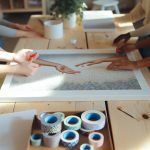

Did you know that the tools you use can dramatically transform your calligraphy? Crafting your own calligraphy pen not only elevates your writing experience but also allows you to express your creativity in a personalized way. Imagine gliding a pen that fits perfectly in your hand, tailored to your unique style and preferences.
Whether you’re struggling to find the right nib or want more control over your strokes, making your own pen can solve these common frustrations. It’s not just about creating art; it’s about reconnecting with the tactile joy of writing and enhancing your flow. In this guide, we’ll walk you through the simple steps to craft your customized calligraphy pen. You’ll gain insight into the materials and techniques that professional calligraphers use. So, grab your tools, and let’s dive into the rewarding world of personalized calligraphy tools that can bring your artistic vision to life!
Choosing the Right Materials for Your Calligraphy Pen
When diving into the world of calligraphy, your pen choice isn’t just about aesthetics-it’s a cornerstone of your craft. A well-crafted pen makes all the difference in translating your artistic vision onto paper. Start with the fundamental materials that can bring your custom calligraphy pen to life.
The primary component of any calligraphy pen is its nib. Different nibs create varied line qualities, so choosing one that fits your style is crucial. For instance, a flexible nib allows for dramatic line variation and expressive strokes, while a stiffer nib offers precision and consistency. You might also consider materials like metal, plastic, or even wood for your nib holder, each contributing a unique feel and weight to your writing experience.
Another key element is the penholder. Traditional options, like a straight penholder or an oblique holder, cater to different types of nibs and grip preferences. An oblique holder is particularly favored in pointed pen calligraphy, as it provides an angle that enhances your control and movement. Alternatively, creating a personalized penholder from resin or wood not only makes your pen unique but can also enhance comfort during extended writing sessions.
For the ink, don’t shy away from experimenting. Traditional carbon-based inks yield deep, rich blacks ideal for classic scripts. However, water-based or even metallic inks can add a stunning flair to your project. Always test inks with your nib and paper to find the combination that produces your desired effect.
Investing time in selecting the right materials for your calligraphy pen will elevate your work from ordinary to extraordinary. With the right tools in hand, you’ll be poised to explore your creativity and hone your skills more effectively.
Essential Tools for Making a Custom Calligraphy Pen
Crafting your own custom calligraphy pen opens up a world of creativity and personal expression. The essential tools you need can make or break your writing experience, so let’s dive into what you need to get started on this rewarding journey.
First and foremost, nibs are critical to your pen’s performance. Different nibs yield different effects; for instance, a flexible nib can create varied line thicknesses, adding depth and personality to your scripts. On the other hand, a stiff nib gives precision, perfect for fine details or clean lettering. A nib holder is equally important, as it affects your grip and control. You might opt for a straight penholder if you enjoy a traditional approach, or an oblique holder for pointed pen styles. Many calligraphers find that the oblique holder allows for better angles and smoother strokes.
For the body of your pen, materials play a significant role. While store-bought holders work well, making one from wood or resin not only showcases your personality but can also enhance functionality and comfort over long writing sessions. Aim for a design that fits comfortably in your hand and balances well to avoid fatigue.
Next, consider your ink. The traditional carbon-based ink is excellent for rich blacks and opacity, but don’t be afraid to explore other mediums. Metallic inks can add shimmer to your work, while water-based inks offer a variety of colors and finishes. Always test your ink with your chosen nib and paper to ensure compatibility, as this step can significantly influence your writing experience.
Lastly, keep your workspace organized. Having a clean area with essential tools like ink wells, rulers, and clean brushes for maintenance will streamline your crafting process. Arm yourself with these essentials, and you’ll be well-equipped to create a calligraphy pen that not only reflects your personal style but also enhances your work.
Step-by-Step Guide to Crafting Your Pen
Creating your own calligraphy pen can transform your writing experience and infuse your work with a personal touch. By leveraging readily available materials and a few essential tools, you can craft a custom pen that feels great in your hand and suits your style. Here’s how to do it step-by-step:
Start with the materials. For a simple yet effective pen, you can use common items like a soda can or a sturdy plastic bottle for the pen body. The first step is to cut your material into the desired shape. If you’re using a soda can, for instance, carefully cut a rectangle about 1.5cm by 6cm, and then fold it in half lengthwise. This will serve as the base for your nib. Ensure you have safety equipment like gloves and protective eyewear, as sharp edges can pose a risk.
Next, focus on shaping your nib. Using scissors or a blade, cut the nib edge at an angle to create a point. The angle depends on your personal preference; a sharper angle will give you a finer line, while a more gradual angle will yield a thicker line. Test different angles to see what feels right for you. Don’t forget to smooth the edges with sandpaper to avoid any sharpness that might damage your paper or disrupt your writing flow.
Now, assemble your pen. If your nib isn’t secure, attach it to the body using tape or a glue that dries clear. Ensure it sits comfortably and allows you to adjust the angle of your writing. Remember, the comfort of holding your pen is just as important as its functionality. You can personalize the design further by painting or decorating your pen body before your final assembly.
Finally, test your pen. Fill it with your chosen ink – whether it’s traditional black, metallic, or even vibrant water-based inks – and practice writing on different types of paper to find your perfect match. You might need to make adjustments if the ink flow isn’t quite right. Experimenting with different nib shapes and inks can yield stunning results and help you develop your unique calligraphy style. Enjoy the process and celebrate your creativity!
Different Types of Calligraphy Nibs Explained
Understanding the different types of calligraphy nibs is crucial for creating your own custom calligraphy pen. Each nib serves a unique purpose and can drastically affect the style and flow of your writing. Whether you’re going for elegant flourishes or bold statements, choosing the right nib will help you achieve your desired effect.
There are several common types of calligraphy nibs you might consider:
- Dip Nibs: These are versatile and come in various shapes and sizes. They’re perfect for both beginner and experienced calligraphers, allowing for a range of line thicknesses. You can experiment with different types of ink, making them ideal for mixed-media projects.
- Flex Nibs: If you want to create dramatic contrasts in line width, flex nibs are your best bet. They allow for more expressive strokes as you apply varying pressure while writing, making them popular for more elaborate styles.
- Broad-edge Nibs: These are commonly used for traditional calligraphy styles like Gothic and Italic. Their flat edges help create thick, bold letters, and they excel at producing consistent line widths. Mastering these nibs can significantly enhance your lettering skills.
- Oblique Nibs: Often used in conjunction with an oblique pen holder, these nibs are designed for a unique angle that allows for more control over your strokes. They’re particularly favored for Copperplate and Spencerian scripts, where precision is key.
When selecting a nib, consider the type of calligraphy you wish to practice. For instance, if you’re dabbling in modern calligraphy or artistic lettering, a dip nib may serve you well with its adaptability. On the other hand, if you have your sights set on traditional scripts, investing in some broad-edge or oblique nibs can elevate your work. Remember to test your nibs with various inks and paper types to find the perfect match. This exploration not only fine-tunes your technique but also enhances the overall aesthetic of your calligraphy. Happy writing!
How to Personalize Your Calligraphy Pen Design

Personalizing your calligraphy pen design is a rewarding way to make your writing tools uniquely yours. Whether you want to showcase your personality or elevate your calligraphy practice, customizing your pen can significantly enhance your experience. Start by choosing the base material that resonates with you-wood, acrylic, or metal. Each offers a different feel and aesthetic, so pick one that sparks joy.
Once you’ve selected your material, think about color and finish. You might opt for a natural wood grain or a vibrant resin that reflects your style. Don’t overlook the opportunity to engrave your name or a meaningful phrase on the pen. This step adds a personal touch that can inspire you every time you write. Consider using a wood-burning tool or taking your pen to a local engraver for more intricate designs.
The grip of your calligraphy pen is another aspect worth personalizing. Adding a soft grip can enhance comfort during long writing sessions. You can use decorative washi tape, silicone sleeves, or even craft your own using fabric. This not only makes your pen functional but also provides an additional canvas for design.
Lastly, think about attaching a unique clip or adornment. Charms or beads can dangle from your pen, making it a conversation starter and a piece of art in itself. Remember, the goal of personalization is to create a pen that feels special every time you use it. By embracing your creativity in crafting a custom calligraphy pen, you’ll not only improve your writing experience but also inspire yourself further in your calligraphy journey. Happy crafting!
Maintaining Your Calligraphy Pen for Longevity

To make the most of your custom calligraphy pen, maintaining it properly is essential for longevity and optimal performance. Just like any cherished tool, your pen deserves care to ensure it delivers smooth, beautiful lines for years to come. Neglecting maintenance can lead to clogs and diminished writing quality, potentially cutting short the joy of using your personalized creation.
Start by cleaning your nib regularly, especially if you switch inks often or notice a change in performance. Use a gentle cleaner or just water to flush out any dried ink. For stubborn buildup, a mild soap solution works well. Avoid soaking the nib for prolonged periods, as this can wear down materials or lead to rust. After cleaning, make sure to let it dry completely before storing it, as moisture can cause mold or other unwanted damage.
Another key aspect of maintaining your calligraphy pen is how you store it. Always keep your pen in a dry place and preferably upright to prevent ink from pooling in the nib. This keeps the ink from becoming saturated in one spot, which can lead to unwanted leaks and clogs. Consider investing in a case or holder that protects it from dust and accidental damage, ensuring that your custom tool is always ready for use.
Lastly, nurture your nib with care during each use. When not in use, cover it with a nib cap to protect the delicate tip. Grip the pen lightly to avoid excess pressure, and allow it to glide rather than forcing it across the paper. By treating your calligraphy pen with respect and attention, you’ll sustain its quality and performance, enhancing your creative process every time you write. With these simple practices, your pen not only continues to shine but also inspires your artistry for many sessions to come.
Common Mistakes to Avoid When Crafting Pens
Creating your own calligraphy pen can be a rewarding experience, but many hobbyists fall into a few common pitfalls that can hinder the process and end results. Recognizing these mistakes can elevate your craftsmanship and result in a pen that feels like an extension of your artistic hand.
One of the most prevalent errors is skimping on materials. A beautiful design can quickly be overshadowed by poor performance if you choose inferior wood or low-quality nibs. Invest in good raw materials; a solid piece of wood can make a world of difference in how the pen feels and writes. For instance, woods like maple or walnut offer excellent durability and aesthetics compared to softer, cheaper wood types that may not hold shape well over time.
Another frequent mistake is neglecting the nib selection. Many beginners choose a single type of nib out of convenience, but different calligraphy styles often require different nibs to achieve varying effects. Ignoring this can limit your creativity and application in different calligraphy styles. It’s worth taking the time to explore and experiment with various nib types, as each one will bring its unique flair to your writing.
Additionally, the assembly process shouldn’t be rushed. Many get eager to see the finished product and compromise on the fit or alignment of parts. An incorrectly fitted nib or poorly attached grip can lead to discomfort during writing, or even damage the nib itself. Patience is key here. Spend the extra time ensuring everything aligns perfectly and is securely attached. This attention to detail during assembly will pay dividends when you sit down to write.
Finally, consider the ergonomics of your design. A pen that looks great might not feel good in your hand. Many newcomers overlook how the pen will be held and used, resulting in a tool that causes hand fatigue. Test different shapes and grips during the crafting process. The goal is not just aesthetic appeal but a pen that’s intuitive and comfortable, enhancing your calligraphy experience rather than detracting from it.
By avoiding these common mistakes, you’ll set yourself up for success in crafting a custom calligraphy pen. Each step you take improves not just your skills but also the joy of creating beautiful lettering with a tool that feels personal and effective every time you use it.
Exploring Various Ink Types for Best Results
Choosing the right ink for your calligraphy pen can dramatically elevate your work and affect everything from flow to color vibrancy. You might assume all inks are created equal, but they’re not. Each type brings its unique qualities, and knowing which to use will help you achieve the best results in your writing.
Types of Inks
When it comes to calligraphy, you generally have a few solid options:
- Iron Gall Ink: This traditional ink has a rich history and offers deep, dark lines that can age beautifully. It’s great for archival work but can be tricky since it may corrode nibs over time.
- India Ink: Known for its waterproof properties, India ink is a favorite among artists. It provides thick, opaque lines but requires careful cleaning after use to prevent clogging.
- Dye-based Inks: These are widely available and come in an array of colors. They’re easier to work with than some traditional inks and won’t damage your nibs, making them ideal for beginners.
- Alcohol-based Inks: Fast-drying and vibrant, these inks are fantastic for more modern styles of calligraphy. Just note that they can bleed on certain paper types.
While it’s essential to consider the ink itself, you also need to factor in the paper. The surface texture of the paper interacts with your ink, influencing how it flows and dries. If you’re working with high-gloss paper, for instance, your ink may smear. Test different combinations to find what works best for your style and preferences.
Experimentation is key. Don’t be afraid to mix inks or try different brands until you find something that resonates with your artistic vision. You might even discover a technique that’s uniquely yours. And remember, maintenance is crucial! Clean your pen after each use to ensure the longevity of both your nib and your ink, and you’ll be well on your way to creating stunning calligraphy that flows beautifully.
Tips for Experimenting with Calligraphy Styles
Experimenting with different calligraphy styles can be the most thrilling part of your artistic journey. It’s your opportunity to break free from the familiar and discover what truly resonates with you. One of the best things you can do is to allow yourself the freedom to play. Grab your custom pen, mix different inks, and try out various papers. You may be surprised at how a subtle change can influence the final result of your calligraphy.
Start by emulating existing styles before making them your own. Study various calligraphers-each has distinct techniques that contribute to their unique flair. Whether it’s Copperplate, Gothic, or modern brush lettering, take time to practice the foundational strokes. Once you feel comfortable, you can start blending these styles, combining elements that speak to you. For instance, why not experiment by merging the fluidity of a traditional script with the boldness of modern lettering? This hybrid approach can produce stunning visuals.
Don’t overlook the impact of your tools. The nibs can dramatically alter your stroke. A flexible nib, for example, allows for dramatic contrast between thick and thin lines, enabling you to play with weight and expressiveness in your work. Try using different nibs with your homemade pen. Test how they interact with various inks-smooth vs. textured papers can also yield different effects. Always remember to keep your workspace organized, allowing you to focus entirely on creativity rather than hunting for materials.
Lastly, keep an inspiration board or journal to document the styles and techniques that intrigue you. Whether it’s a collection of images, quotes, or your own writing samples, having everything in one place allows you to reflect and refine your artistic direction. There’s no right or wrong in experimentation-embrace each failure as a stepping stone to mastery. Each time you put pen to paper, you’re not just practicing a technique; you’re telling your own story and finding your unique voice in the world of calligraphy.
Showcase: Inspiring Calligraphy Projects Using Your Pen
You’ll be amazed at the creative possibilities that unfold when you start using your own custom calligraphy pen. Each pen you craft can reflect your personality and style, which opens doors to unique projects that make your work distinct. Whether you’re creating personalized greeting cards, stunning wall art, or intricate invitations, your handmade tool will transform simple writing into captivating artistry that speaks volumes about your craftsmanship.
Consider crafting bespoke wedding invitations. The elegance of hand-lettered calligraphy adds a personal touch that digital fonts simply can’t replicate. Use your custom pen to write the couple’s names with panache, playing with flourishes and flourishes. Experiment with different ink colors that match the wedding theme, from classic black to soft pastels. These invitations become more than just paper-each piece tells a story.
Another rewarding project could be designing motivational quotes or affirmations to display in your home or office. Use your pen to create eye-catching pieces that combine beautiful lettering with artistic illustrations. Pair your calligraphy skills with watercolor backgrounds for a vibrant effect. These works can inspire and uplift anyone who sees them, while also showcasing your skills.
Don’t limit your creativity! Why not explore calligraphy on unconventional surfaces? Experiment with writing on wood, fabric, or even glass. You can create personalized gifts, like engraved wooden coasters or embellished tote bags. Each project not only reinforces your techniques but also offers a tangible connection to the art form.
In the end, showcasing your projects serves two significant purposes: it celebrates your own artistry and inspires others to dive into the world of calligraphy. When you display your work-whether online, in a local gallery, or shared with friends-you open up a dialogue about creativity, processes, and the beauty of individuality inherent in handmade tools and their creations. Embrace the chance to share your journey and let your custom-made pen be the instrument that tells your story.
Where to Find Inspiration and Resources Online
Finding inspiration and resources to enhance your calligraphy journey is vital for both honing your craft and expanding your creative horizons. The internet is a treasure trove of ideas, tutorials, and communities that can ignite your passion and provide the guidance you need to create your own custom calligraphy pen and projects.
Start by diving into social media platforms like Instagram and Pinterest, where you can explore visually stunning calligraphy works. Use hashtags like #calligraphy, #handlettering, and #moderncalligraphy to discover a world of artistry. Often, artists share not just their finished pieces but also behind-the-scenes insights and tips on their techniques, making these platforms great sources for inspiration. Don’t forget to follow calligraphy-focused accounts and join groups; many feature challenges that can push your skills while connecting you with other enthusiasts.
YouTube is another invaluable resource. Many talented calligraphers post tutorials that take you step-by-step through various styles, techniques, and even pen-making processes. Watching these creators in action can demystify complicated methods and provide fresh perspectives. For instance, channels like The Postman’s Knock offer comprehensive guides and creative ideas for your calligraphy projects, including tips on crafting your own pen[[3]](https://thepostmansknock.com/behind-the-scenes-making-a-calligraphy-pen/?srsltid=AfmBOoo3S6g2bpAcOk_MsFTET0TrVd3droq5ivFUP6cg_UEyM-jnJ3r9).
Finally, consider online forums and Reddit communities dedicated to calligraphy. Threads often contain experiences and advice from fellow calligraphers at every skill level. Engaging in these discussions can provide support and motivation while also keeping you informed about the latest tools and trends. Remember, the journey of calligraphy is as much about community as it is about personal expression, and sharing your projects can often lead to constructive feedback and encouragement.
FAQ
Q: What materials do I need to make a custom calligraphy pen?
A: To make a custom calligraphy pen, you’ll need a suitable pen body (like a wooden dowel or a soft plastic), nibs specific to your style, and an ink reservoir or holder. Don’t forget sandpaper for smoothing, and decorative materials if you wish to personalize your design!
Q: How do I choose the right nib for my calligraphy pen?
A: Choosing the right nib involves considering the type of calligraphy you wish to practice. If you want fine lines, opt for a smaller nib size. For broader strokes, a larger nib works best. Experiment with different nibs to find what complements your writing style, detailed in the “Different Types of Calligraphy Nibs Explained” section of the article.
Q: Can I use recycled materials to craft my calligraphy pen?
A: Absolutely! Using recycled materials like old ballpoint pen bodies or broken pencils is a great way to craft unique calligraphy tools. Just ensure they’re clean and sturdy enough to hold the nib securely. This can add a personal touch to your pen while being environmentally friendly!
Q: What are the common mistakes to avoid when making a calligraphy pen?
A: Common mistakes include using the wrong nib size for your desired style, not properly securing the nib, or neglecting to smooth the pen body. It’s also important to ensure that your ink reservoir is adequately sealed to prevent leaks, as discussed in “Common Mistakes to Avoid When Crafting Pens.”
Q: How can I personalize the design of my calligraphy pen?
A: Personalizing your calligraphy pen can include painting, engraving, or wrapping decorative materials around the pen body. Choose colors and patterns that inspire you! Refer to the “How to Personalize Your Calligraphy Pen Design” section for more ideas.
Q: When should I replace my calligraphy pen’s nib?
A: Replace your calligraphy pen’s nib when it shows signs of wear, like frayed edges or a loss of sharpness. Regular maintenance, including cleaning after use, can extend the nib’s lifespan. Check the “Maintaining Your Calligraphy Pen for Longevity” section to learn how to care for your pen effectively.
Q: What types of ink work best with homemade calligraphy pens?
A: The best ink types for homemade calligraphy pens include fountain pen ink, calligraphy ink, or acrylic ink. Water-based inks are easy to clean but may require a different nib setup. Explore more about ink options in the “Exploring Various Ink Types for Best Results” section.
Q: How can I improve my calligraphy skills with a custom pen?
A: Improving your calligraphy skills with a custom pen involves practicing regularly, experimenting with different styles, and adjusting your grip for better control. Using a pen tailored to your preferences can make practice more enjoyable. Check “Tips for Experimenting with Calligraphy Styles” for further guidance on skill development.
The Conclusion
Now that you know how to craft your own calligraphy pen, it’s time to put those skills to the test. This unique tool not only enhances your writing but also deepens your connection to the art. Start experimenting with different nibs and inks today-your creativity deserves it! If you’re curious about optimizing your calligraphy business online, check out our tips on local SEO strategies here and discover effective ways to boost your online presence here.
Don’t forget to share your pen-making journey in the comments below, and feel free to ask questions! For more insights on elevating your calligraphy skills and connecting with a vibrant community, subscribe to our newsletter. Your next masterpiece is just a stroke away-let’s make it happen!