
Have you ever felt the joy of creating something uniquely yours? Making a calligraphy pen at home is not just a fun DIY project; it’s an opportunity to express your creativity and elevate your writing. By crafting your own pen, you can design a tool that suits your personal style and enhances your calligraphy practice. Whether you’re a seasoned artist or just starting, this project allows you to connect with the traditional art of writing, bringing a personal touch to every letter and stroke. Curious about how you can get started? Let’s dive into the simple steps to create your very own calligraphy pen. Your pen awaits!
Choosing the Right Materials for Your Calligraphy Pen
can make or break your writing experience. You want a pen that feels comfortable in your hand while allowing your creativity to flow freely. Start with the body of the pen-this is where you can get really creative. The most common materials include wood, plastic, and even repurposed items like old paintbrushes or bamboo sticks. Each material has its unique feel and weight, so test a few out to see what suits you best. For a lightweight option, consider plastic or bamboo. If you’re after something more traditional, wood not only looks beautiful but also provides a nice heft to your writing.
Next, focus on the nib. This is where precision meets personal style. You can buy pre-made nibs from art supply stores, but crafting your own can be an exciting challenge. A simple metal or plastic nib can be shaped using a file or Dremel tool and may allow you to achieve a variety of strokes and lines. Think about the type of lettering you want to create; broad-tipped nibs are great for bold lettering, while finer nibs will give you the delicate touch needed for intricate designs.
Don’t forget about the ink! The flow of the ink directly influences your writing style. Experiment with different ink types, like fountain pen ink, acrylic ink, or even homemade inks from natural ingredients. Each type offers varying levels of opacity and drying times, so play around to find what best matches your artistic vision. Ensure that your ink choice is compatible with the nib you’ve selected to avoid clogging issues.
Lastly, consider adding some personal flair to your pen. A comfortable grip is essential, so wrapping your pen in washi tape or fabric can add both style and functionality. The right materials not only enhance your calligraphy pen’s performance but also express your unique artistic voice, making your creation truly one-of-a-kind.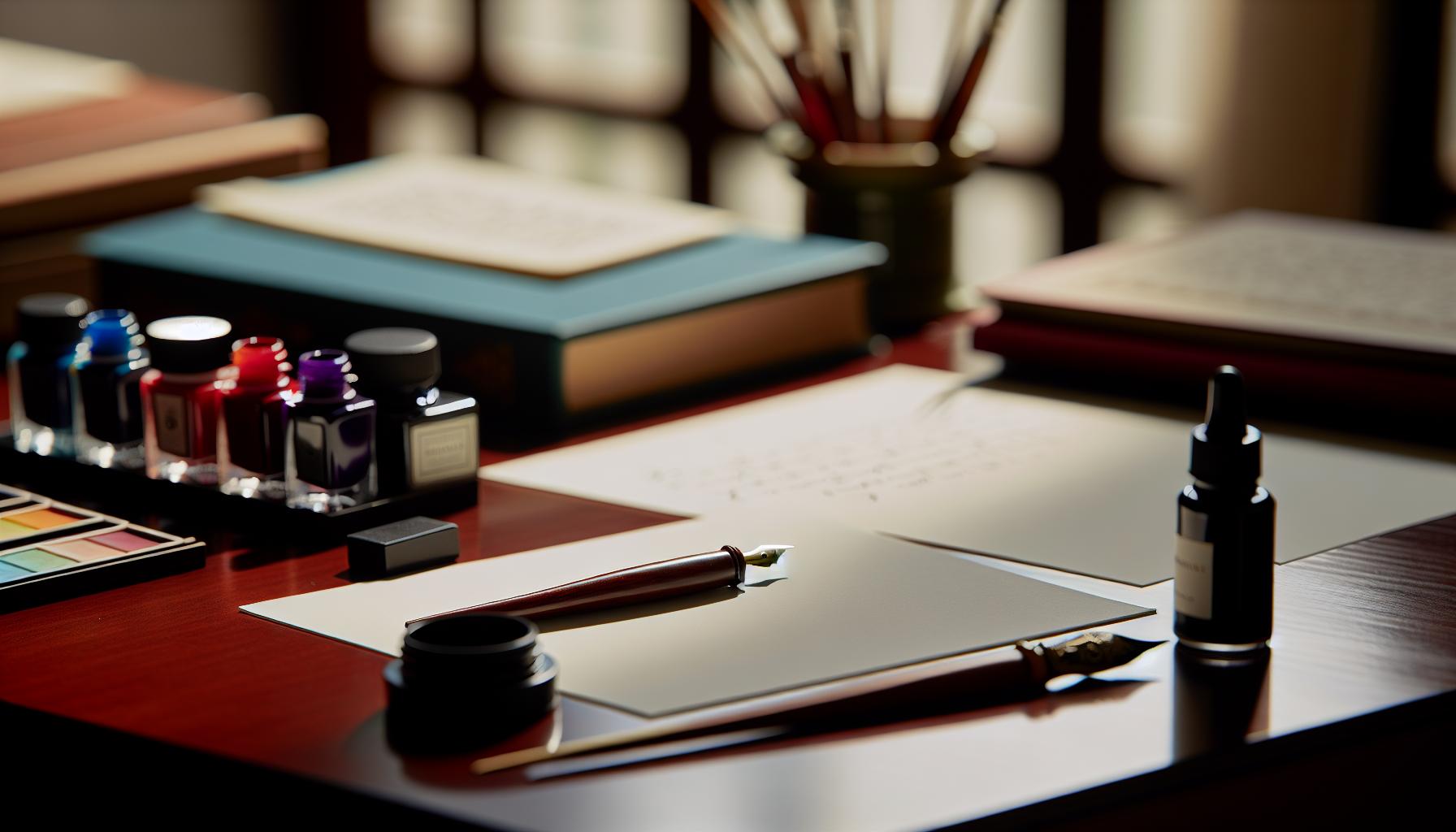
Step-by-Step Guide to Crafting Your Calligraphy Pen
Crafting your own calligraphy pen can be a thrilling experience, blending creativity with functionality. You don’t need to be a master craftsman; just a little guidance and the right materials will get you on the right path. Here’s how to dive into this rewarding DIY project.
Start by selecting a suitable body for your pen. Popular options include wooden dowels, bamboo sticks, or even repurposed items like old paintbrush handles. Choose a material that feels comfortable in your hand. If you want something lightweight, plastic can be a great choice. Make sure to cut it down to a length that feels good for you-around 5 to 6 inches is typically a good start.
Next, it’s time to create or acquire a nib. This component is crucial as it affects your writing style. You can purchase ready-made nibs or fashion your own from thin metal sheets or plastic. For DIY nibs, take a piece of metal or plastic and shape one end to form a point. If you’re feeling adventurous, use a file or Dremel tool to refine the shape and sharpen it. Ensure the nib fits snugly into the top of your pen body.
Once you have your pen body and nib, it’s time to think about how you’ll attach them. A good method is using a small amount of adhesive or tape to secure the nib in place. If you prefer a more robust solution, consider drilling a small hole at the end of the pen body to insert the nib, ensuring it can be easily replaced.
Finally, personalize your pen. Wrap it with decorative tape, add embellishments, or even carve designs into the body for extra flair. Not only does this make your pen unique, but it also enhances your grip and comfort while writing. Once assembled, grab some ink and test it out! Adjust the nib as necessary to perfect your writing experience.
With just a few materials and a little bit of creativity, you can craft a calligraphy pen that’s uniquely yours, perfectly tailored to your handwriting style. Embrace this project, and let your creativity flow!
Creative Designs: Customizing Your Pen for Unique Style
There’s something special about a personalized calligraphy pen that reflects your style and creativity. Not only does it enhance your writing experience, but it also shows off your unique flair. Let’s dive into some creative ways to customize your homemade pen so it truly stands out.
One of the easiest ways to express your personality is through color and texture. Use washi tape to add colorful patterns around the pen body. Not only is it easy to apply, but it also allows you to change your designs as often as you change your mood! If you’re feeling a bit more artistic, consider painting your pen with acrylic paint. Use stencils or freehand to create designs-think floral patterns, geometric shapes, or even your initials. For a more rustic look, wood-burning tools can carve intricate designs directly into the wood.
Another fantastic option is to add functional embellishments. Consider adding a grip to improve comfort-soft fabrics, silicone bands, or even leather strips can enhance your writing experience. Alternatively, you might want to incorporate charms or beads that dangle from the end of the pen. This not only makes your pen a conversation starter but also ensures that it’s easy to spot in a crowded pencil case or desk drawer.
Don’t forget about the nib. While the nib’s material and shape are crucial for performance, customizing its look can also be fun. You could dip your nib in colored inks or even use nail polish for blending colors that match your pen body. If you’re adept at design, engraving your nib with a small pattern or your initials can give it a sophisticated touch.
Feel free to explore beyond these ideas! The key is to enjoy the process and let your creativity flow. Whether you’re a minimalist or someone who loves maximalist designs, your custom calligraphy pen will be a joyful expression of your artistic journey. Happy crafting!
Techniques for Using Your Homemade Calligraphy Pen
When you finally sit down with your homemade calligraphy pen, there’s an undeniable thrill in making each stroke your own. The beauty of calligraphy lies not just in the tools you use but in how you wield them. Using your pen effectively starts with mastering grip and pressure. Hold your pen comfortably, making sure your fingers are relaxed. Too tight, and you risk stiffening your hand; too loose, and you’ll lose control. Experiment with various grips until you find one that feels natural, allowing you to flow freely yet precisely.
The angle at which you hold your pen will dramatically influence your letters. Most calligraphy styles flourish when the nib is held at about a 45-degree angle relative to the surface. This angle allows the nib to catch the paper’s texture, providing a richer ink flow. As you practice, varying the angle slightly can change the thickness of your strokes-essential for adding depth and dimension to your writing. And don’t be afraid to make adjustments during your writing session; the beauty of calligraphy is in its adaptability.
Another critical technique involves understanding the pressure applied during strokes. When creating thick lines, press down more firmly, then ease up for thinner lines. This contrast is what gives calligraphy its characteristic elegance. Practice with simple shapes, mastering how to transition between thick and thin strokes smoothly. A great exercise is to write basic letters repeatedly, paying careful attention to how different pressures affect their appearance.
Finally, don’t underestimate the power of practice. Regularly setting aside time for practice can cement your skills and significantly enhance your handwriting. Use grids or lined paper to help maintain consistent size and spacing. Try out different styles-experimenting with various alphabets can broaden your horizons and add flair to your work. Consider tracking your progress by saving drafts or taking pictures of your work over time; it’s rewarding to see how you evolve as a calligrapher.
Embrace each session with curiosity and patience-each stroke is a step on your personalized creative journey. Happy writing!
Troubleshooting Common Calligraphy Pen Issues
When you dive into the world of homemade calligraphy pens, it’s not uncommon to hit a few snags along the way. Whether you’re experiencing inconsistent ink flow, nib issues, or discomfort while writing, let’s tackle these common challenges head-on. You don’t have to let a few hiccups ruin your creative flow; with the right knowledge, you can easily troubleshoot and improve your calligraphy experience.
One frequent issue is ink flow. If your pen nib is skipping or not laying down ink smoothly, first check the nib for any clogs. Sometimes, dried ink or debris can obstruct the flow. A quick fix is to soak the nib in warm water for a few minutes and then gently clean it with a soft brush. Also, ensure you’re using the right ink consistency; too thick can cause delays, while too thin may lead to bleeding. If flooding occurs, try adjusting the angle at which you hold the pen, as this can affect how the ink flows out of the nib.
Another aspect to keep in mind is the pen’s grip and comfort. If you find yourself gripping the pen too tightly, it can lead to cramps and discomfort during longer writing sessions. Experiment with different grips or consider adding cushioning material to the pen body to enhance comfort, especially during extended practices. The position of your fingers can greatly impact your control and fluidity, so find a grip that feels natural yet provides you the stability you need.
Lastly, the nib itself may require some attention. If your strokes are inconsistent, it could be due to a misaligned or damaged nib. Regularly check that your nib is secure and correctly positioned. If you notice wear or if the nib has lost its sharpness, it might be time to replace it. Many calligraphers develop a preference for specific nibs over time, so don’t be afraid to explore different options until you find that perfect fit for your writing style.
By familiarizing yourself with these common pen-related issues, you set yourself up for a much smoother calligraphy journey. Remember, every calligrapher encounters bumps along the road-what matters is how you adapt and grow from those experiences. Happy crafting!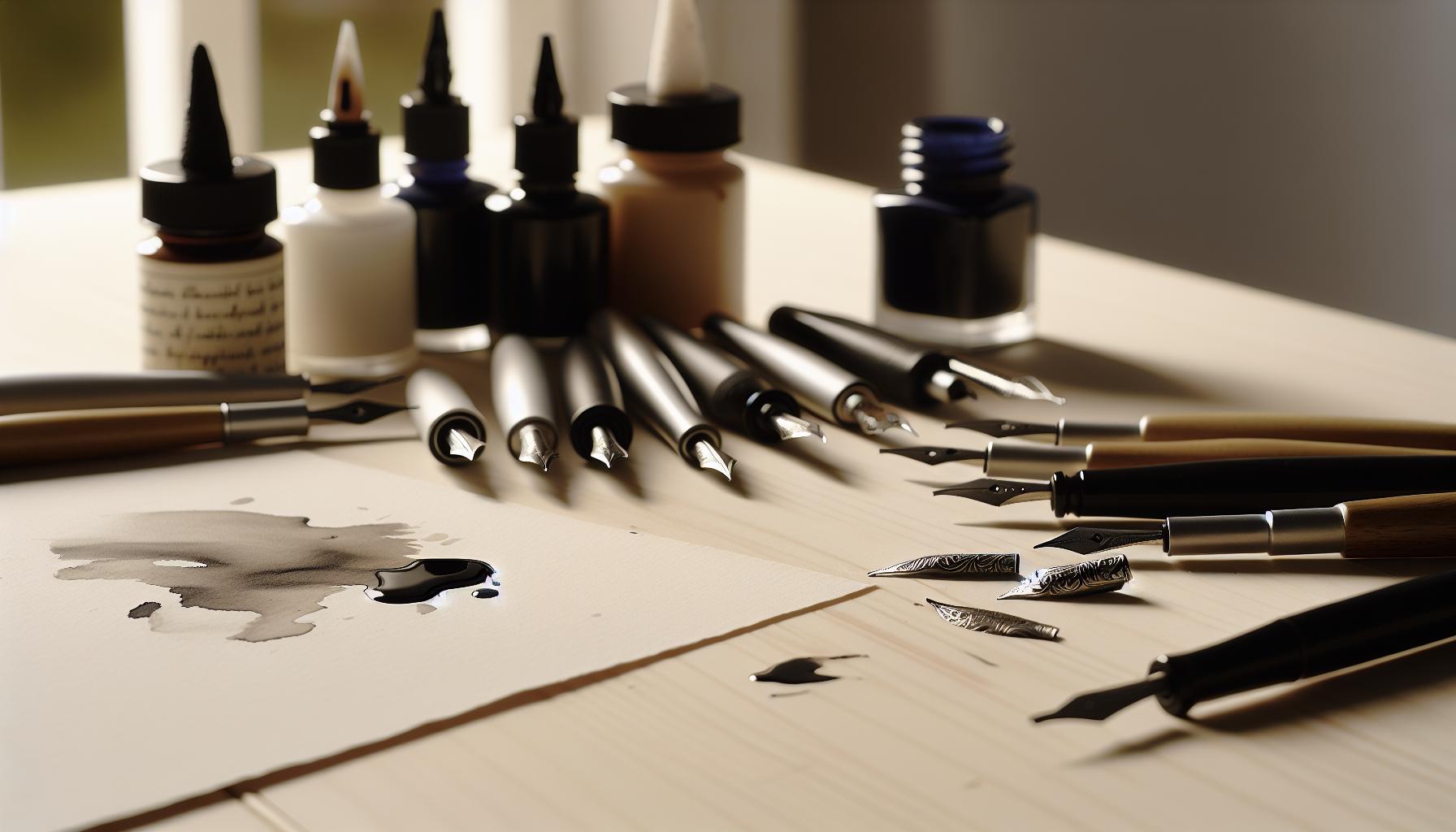
Calligraphy Ink: Recipes and Recommendations
Creating your own calligraphy ink can elevate your writing experience and help you achieve unique results. You don’t need to be a formulator or have a chemistry degree; with a few simple ingredients, you can whip up batches of ink that suit your style and preferences. Plus, homemade ink allows you to play with colors and consistencies, adding a personal touch to your calligraphy projects.
One popular recipe for black calligraphy ink involves using natural materials. Here’s a quick guide to get you started:
Basic Black Calligraphy Ink Recipe
- Ingredients:
– 1 cup of water
– 2 tablespoons of gum arabic (this acts as a binding agent)
– 1 tablespoon of powdered carbon (or black pigment)
– A few drops of vinegar (to help preserve the ink)
- Instructions:
1. In a small pot, combine the water and gum arabic over low heat, stirring until the gum dissolves completely.
2. Gradually add the powdered carbon, mixing thoroughly to avoid lumps.
3. Stir in the vinegar, which acts as a preservative.
4. Allow the mixture to cool before transferring it into a storage container-preferably a small glass jar.
This ink produces a rich, dark finish and works beautifully on various papers. Remember to shake well before use, as natural ingredients can settle over time.
Alternative Ink Options
For those who prefer colorful inks, experimenting with food coloring or even natural dyes can yield beautiful results. Here are a couple of ideas:
- Colored Ink:
– Mix a few drops of food coloring with water and gum arabic, similar to the black ink recipe above. Adjust the amount of food coloring to achieve your desired shade.
- Natural Dye Ink:
– Use ingredients like beet juice for red ink or turmeric for yellow. Simmer the juice with gum arabic to thicken and give it body.
Tips for Success
- Always test your ink on the paper you plan to use. Different papers absorb ink differently, which can affect color and opacity.
- Pay attention to the consistency. If your ink is too thick, add more water; if it’s too thin, mix in a bit more gum arabic for better flow.
- Store your ink in a cool, dark place to prolong its shelf life.
Creating your own calligraphy ink not only enhances your writing but also sparks creativity. You’ll find joy in the entire process-from mixing colors to applying them to paper. Happy inking!
Exploring Different Calligraphy Styles You Can Try
Calligraphy isn’t just about making pretty letters; it’s a journey through different styles, each with its flair and personality. Whether you’re a beginner or looking to level up your craft, exploring various calligraphy styles can breathe new life into your projects and help you find your unique voice.
One of the most popular styles is modern calligraphy. This approach combines traditional techniques with personal flair, allowing for a wide range of expression. It’s characterized by its casual, freeform nature-perfect for everyday use. You can practice this style with your handmade pen, utilizing both thick and thin strokes to create beautiful, flowing letters.
If you’re drawn to history, consider copperplate. This elegant style involves precise movements and constant pressure changes, resulting in stunningly fluid letters. It can be a bit tricky at first, but with practice, you can master its nuances. A flexible nib or a DIY pen designed for such strokes can make all the difference in achieving that authentic copperplate feel.
Another captivating option is gothic calligraphy, known for its dramatic letters and intricate detail. Often used in medieval manuscripts, its angular, sharp lines set it apart from softer styles. Experimenting with this technique can add a royal touch to invitations or greeting cards. Don’t shy away from bold, dark inks; they’ll make your letters pop.
If you’re in the mood for something playful, give brush lettering a try. This style uses brushes instead of traditional nibs, allowing for a more spontaneous, sketch-like feel. It’s incredibly forgiving, making it a favorite among beginners. You can easily craft your brush from materials at home, and it’s a fantastic way to express creativity through color and line variations.
Finally, italics is a versatile style that can fit various projects-think elegant wedding invitations or stylish quotes. Its slanted letters and flowing motions are approachable yet refined. Start with simple strokes, and once you’re comfortable, you can begin adding flourishes to enhance the elegance of your writing.
Experimenting with these styles will not only refine your technique but also enhance your enjoyment of calligraphy. The beauty of crafting your pen is that you can tailor it to fit whatever style you choose, making your practice even more personalized. So, grab your DIY pen and start exploring the stunning world of calligraphy styles-your unique artistic journey awaits!
Tips for Practicing Calligraphy with Your DIY Pen
Practicing calligraphy with your DIY pen can be a transformative experience. The beauty of using a pen you’ve crafted yourself lies not just in the personalization but also in how it connects you to your art. Here are some tips to help you make the most of your practice time and enhance your calligraphy skills.
First, start with a comfortable grip. The way you hold your pen impacts your control and flow. Experiment with different grips to find what feels natural. If you feel tension in your hand or wrist, adjust your grip or consider the angle of your pen nib. A relaxed hand contributes to more fluid strokes.
Use Quality Paper: Not all paper is created equal for calligraphy. Choose a smooth, bleed-resistant paper designed for ink. This enhances your pen’s performance and helps prevent ink from feathering. If you’re feeling adventurous, test out different types of paper to see how they affect your ink flow and strokes.
Consistency in Practice: Regular practice is key. Devote time each week to write out the same letters or phrases. Focus on the angles, pressure, and speed. This repetition will reinforce muscle memory, allowing you to produce more beautiful and consistent letters over time. Trying different styles during these sessions can help you discover what you love most.
Experiment with Stroke Variation: Vary your pressures while writing to create contrast. Pressing down harder will yield thicker lines, while light strokes will give you those delicate, airy scripts. This technique works wonders in styles like modern calligraphy. Don’t hesitate to experiment-each stroke builds your understanding of how your pen and ink interact.
Mindful Observation: Stop and observe your strokes after each practice session. Take notes on what works and what doesn’t. Maybe the angle of your pen needs adjusting, or perhaps you’ve discovered a stroke you really enjoy. Reflecting on these points will aid your development and help you create a personal style.
Incorporating these methods can significantly improve your calligraphy skills while using your homemade pen. Keep experimenting and stay curious-the more you practice, the more you’ll find your unique voice in the world of calligraphy. Happy writing!
Enhancing Your Calligraphy Skills: Resources and Tools
If you want to elevate your calligraphy game, it’s essential to tap into some valuable resources and tools. The right materials can profoundly impact your artistic journey, especially when you’re using a pen you’ve handcrafted. Whether you’re a novice or stepping into more advanced techniques, integrating helpful tools into your practice can make all the difference.
Start by exploring online tutorials and videos that provide step-by-step guidance for various calligraphy styles. Websites like YouTube and dedicated art platforms contain a treasure trove of instructional content. You’ll find everything from basic strokes to complex alphabets, allowing you to learn at your own pace. In addition, consider joining online forums or social media groups focused on calligraphy. Engaging with fellow enthusiasts expands your perspective and offers invaluable feedback on your work.
Don’t underestimate the power of calligraphy books. Titles like “The Art of Calligraphy” or “Modern Calligraphy” not only showcase stunning examples but also delve into techniques that can inspire your style. Many books come with practice sheets that allow you to try out new skills hands-on. Pair these books with a quality workbook to keep your notes organized and track your progress.
Tools also play a crucial role in perfecting your technique. Quality paper is non-negotiable; choose smooth, bleed-resistant varieties designed for ink use. This makes a significant difference in how your pen glides over the surface. Additionally, experimenting with different types of ink can lead to fascinating results. From traditional black to shimmering metallics, each ink choice will provide a unique effect.
Incorporating a calligraphy practice schedule can keep you motivated. Set aside regular time each week to hone your skills. Use a mix of free writing and structured practice sessions focusing on specific letters or words. This routine not only builds muscle memory but also strengthens your understanding of how various techniques work with your DIY pen.
Lastly, don’t forget to showcase your creations. Sharing your work through social platforms or local art exhibitions can foster a deeper connection with the calligraphy community, providing encouragement and inspiration along your journey. With the right resources and a commitment to practice, you’ll find your unique voice in the elegant world of calligraphy-one stroke at a time.
Showcase Your Work: Sharing Calligraphy Creations
Sharing your calligraphy creations is more than just showing off your hard work; it’s about building connections and inspiring others in their own artistic journeys. Whether you’re a beginner crafting your first letters or an experienced calligrapher with a DIY pen you’ve lovingly constructed, showcasing your work can elevate your confidence and contribute to the vibrant calligraphy community.
Start by curating a collection of your best pieces. This can include anything from simple practice sheets to more elaborate projects like personalized cards, invitations, or decorative quotes. Consider snapping high-quality photos in good lighting to truly capture the beauty of your work. Use natural light and a clean backdrop to help your pieces stand out. Once you have your portfolio, social media platforms like Instagram and Pinterest are fantastic venues to share. They not only allow you to reach a vast audience but also to connect with fellow enthusiasts who share a passion for calligraphy.
Participating in online challenges or hashtag initiatives can further enhance your visibility. Look for hashtags like #calligraphy, #moderncalligraphy, or #handlettering to position your pieces within specific trends where you can engage with a community that appreciates your craft. Hosting or participating in local workshops or exhibitions provides opportunities to share your journey in person, inspiring others with demonstrations of your techniques.
Additionally, consider creating a dedicated space online, like a blog or website, to showcase your work. Not only does this allow you to document and reflect on your progress, but it also creates a platform for sharing tips, tutorials, or even a behind-the-scenes look at how you craft your pens and artworks. Engaging with your audience through comments and feedback can foster a sense of community and camaraderie, enhancing both your skills and enjoyment of the craft.
By sharing your calligraphy creations, you not only celebrate your own artistic expression but also invite others into the world of handwritten art. Embrace the journey, connect with fellow artists, and let your creativity flow!
FAQ
Q: What materials do I need to make a calligraphy pen at home?
A: To make a homemade calligraphy pen, you’ll need a sturdy pen body (like a bamboo stick or an old fountain pen), a nib (or create one from a plastic straw), and ink (preferably thick, like India ink). You might also want decorative elements for customizing your pen, found in the Choosing the Right Materials section of the article.
Q: Can I use any type of ink with a DIY calligraphy pen?
A: While you can technically use various inks, it’s best to choose one that’s designed for calligraphy, such as India ink or mixed media ink. These inks flow better and reduce clogging, ensuring a smoother writing experience. Check the Calligraphy Ink: Recipes and Recommendations section for more tips.
Q: How do I adjust the nib for better calligraphy?
A: Adjusting the nib can significantly impact your lettering style. If using a metal nib, gently file it to create a sharper edge. For homemade nibs from straws, trim the ends to achieve your desired thickness and slit the tip to enhance ink flow. Visit the Troubleshooting Common Calligraphy Pen Issues section for more solutions.
Q: What beginner techniques should I practice using my DIY calligraphy pen?
A: Start with basic strokes such as downstrokes, upstrokes, and curves. These fundamental techniques form the foundation of calligraphy. Gradually progress to connecting letters and forming words. Refer to Tips for Practicing Calligraphy with Your DIY Pen for detailed guidance.
Q: How do I customize the design of my calligraphy pen?
A: Personalize your calligraphy pen by painting, wrapping it with decorative tape, or adding washi tape accents. Use markers or stickers for further customization. For ideas, see the Creative Designs: Customizing Your Pen for Unique Style section of the article.
Q: What styles of calligraphy can I try with my homemade pen?
A: You can explore various styles like Italic, Copperplate, or Gothic calligraphy. Each style has distinct characteristics, allowing you to find what suits your artistic vision. Check the Exploring Different Calligraphy Styles You Can Try section for inspiration.
Q: Why is practice essential for mastering calligraphy?
A: Regular practice helps improve muscle memory and control over strokes, which are crucial in calligraphy. Even short, daily sessions can lead to significant improvement over time. Explore Enhancing Your Calligraphy Skills: Resources and Tools for practicing tips and resources.
Q: How can I share my calligraphy creations with others?
A: Showcase your work through social media platforms like Instagram or Pinterest, or participate in local art exhibits. Sharing your journey can inspire others, so don’t hesitate to post process shots! Refer to the Showcase Your Work: Sharing Calligraphy Creations section for more ideas.
In Retrospect
Now that you’ve crafted your own calligraphy pen at home, it’s time to unleash your creativity! Imagine all the beautiful letters, invitations, and art projects you can create. Don’t let your artistic skills stop here-dive deeper into the world of calligraphy. Check out our guides on perfecting your penmanship and designing custom fonts to elevate your projects further.
Feeling inspired? Share your creations with us in the comments! We’d love to see how your DIY pen has transformed your writing. And if you want more hands-on tips, consider signing up for our newsletter to stay updated on all things creative. Your unique journey in calligraphy starts now-let your imagination flow!