
Have you ever thought about how a simple piece of bamboo could transform your writing experience? Making a bamboo calligraphy pen is not just a creative DIY project; it reconnects you with the art of handwriting. With its elegant strokes and rich history, using a bamboo pen can elevate your artistic expression and bring a natural touch to your work. Plus, it’s a sustainable choice that helps reduce waste. In this guide, we’ll explore the step-by-step process of crafting your own bamboo calligraphy pen, celebrating not just the craft itself, but also the opportunity to infuse your writing with a unique character that store-bought pens simply can’t offer. Get ready to unleash your creativity and enjoy the satisfaction of a project that’s both functional and meaningful!
Choosing the Right Bamboo for Your Calligraphy Pen
Selecting the right bamboo for your calligraphy pen is not just about aesthetics; it significantly impacts your writing experience. Bamboo varies greatly in thickness, flexibility, and firmness, which all play crucial roles in how your pen performs. For a satisfying calligraphy result, look for bamboo that is both sturdy and lightweight. The ideal choice often comes from the younger, thinner canes. For instance, the more mature joints of bamboo can be too rigid, while very thin shoots may lack enough substance for a reliable pen.
When evaluating bamboo, consider the following attributes:
- Diameter: A diameter of around 0.25 to 0.5 inches typically works best for calligraphy pens. This size allows you to achieve a comfortable grip while ensuring there’s enough material for crafting the nib.
- Color: While darker bamboo looks striking, it often indicates a more mature and potentially denser cane. Choose lighter shades if you want more flexibility.
- Texture: Choose smooth bamboo to avoid splinters, especially where you grip the pen. A finely polished surface will provide a comfortable writing experience.
- Location: Bamboo that grows in sunlight tends to be stronger, so consider sourcing your materials from well-lit environments.
Ultimately, your choice will reflect your personal style and preference. Experimenting with different types can help you find what feels best in your hand, enabling a writing experience that is both enjoyable and effective. Don’t shy away from trying various pieces until you find the right match; the journey is part of the craft!
Essential Tools for Crafting Your Bamboo Pen
Creating your own bamboo calligraphy pen is a rewarding and fulfilling endeavor, especially when you have the right tools at your disposal. To get started, you’ll need a few essential items that will make the process smooth and enjoyable. Here’s a concise list of what you’ll need:
- Bamboo Canes: The star of the show! Choose well-sized bamboo with a suitable diameter and flexibility. Look for fresh, straight canes with minimal knots.
- Cutting Tool: A sharp knife or a small saw will help you accurately cut the bamboo to the desired length. Precision is key!
- Carving Tools: A set of carving tools, like chisels or a pocket knife, will allow you to shape your nib and create fine details.
- Sandpaper: You’ll want fine-grit sandpaper to smooth out any rough edges and ensure a pleasant grip and flow during writing. Aim for a very smooth finish for the nib area for optimal ink flow.
- Drill or Dremel Tool: If you prefer a more intricate nib design, a drill or Dremel can help you create finer points or additional features in your pen.
- Finish (Optional): A natural oil or wax can protect your pen and enhance its appearance. This is especially useful if you want your pen to stand the test of time.
These tools set you up for success, whether you’re a novice or an experienced artisan. Remember, crafting your pen is not just about the final product – it’s about the experience. So dig in, let your creativity flow, and enjoy the journey of making a tool that’s uniquely yours!
Step-by-Step Guide to Making Your Bamboo Calligraphy Pen
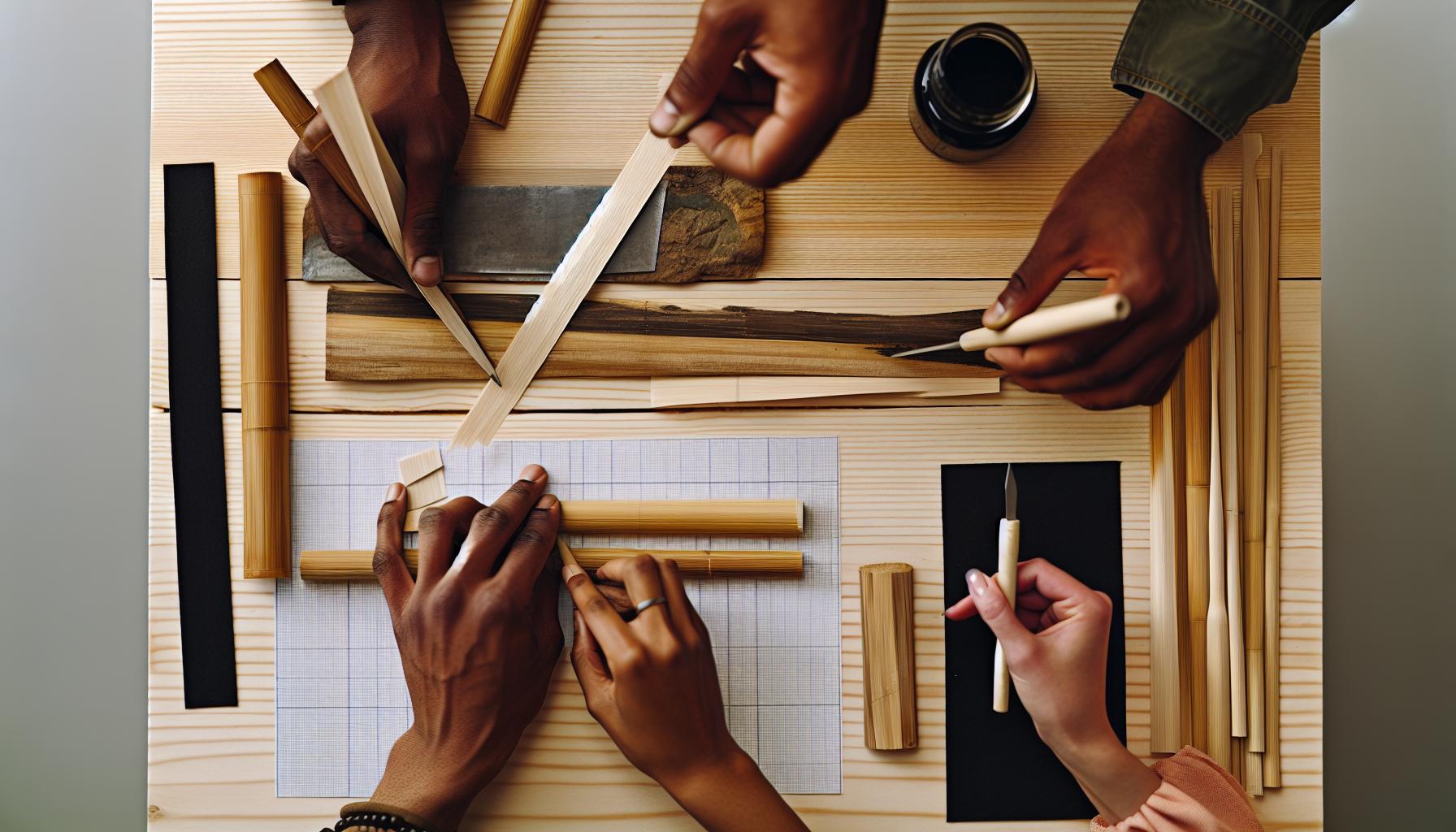
Creating your bamboo calligraphy pen is not just an art; it’s an adventure. With each step, you’re engaging with the material and the craft in a deeply personal way. Let’s dive into the step-by-step process that transforms raw bamboo into a beautiful writing instrument you can cherish.
Start by selecting your bamboo cane. Choose one that’s straight and free of knots, with a diameter that feels comfortable in your hand. Measure and cut your bamboo to the desired length, typically around 6 to 8 inches, using your sharp knife or saw. Always cut at a node to ensure the pen is sturdy and doesn’t split.
Next, it’s time to shape the nib. This part can really make your pen unique. Use your carving tools to carefully whittle down one end of the bamboo. Aim for a tapered point that resembles a traditional pen nib, and remember to work slowly-once it’s too thin, there’s no going back. Sand the nib with fine-grit sandpaper until it feels smooth, ensuring there are no rough edges that could snag paper or affect ink flow.
Once the nib is to your satisfaction, use a drill or Dremel tool to create the ink reservoir. A small hole about a quarter inch deep works well. This is where ink will flow from, making your pen functional. After drilling, give it another light sanding to remove any splinters.
Finally, consider finishing your pen. Apply a natural oil or wax to protect the bamboo and enhance its natural beauty. This will not only help extend the life of your pen but also boost its appearance, making it a stunning addition to your writing tools.
With your bamboo pen complete, spend some time experimenting with it. You’ll find that each pen feels different in hand, and practicing with various inks can lead to delightful discoveries in your calligraphy style! Enjoy the process, and remember that each pen you craft is a reflection of your creativity and skill.
Finishing Techniques for a Smooth Writing Experience

When it comes to crafting a bamboo calligraphy pen, the finishing touches can make all the difference in your writing experience. A well-finished bamboo pen not only looks beautiful but also ensures a smooth and enjoyable flow of ink. Here’s how to achieve that polished finish.
Start by selecting a natural oil or wax suitable for bamboo. Options like tung oil or beeswax work exceptionally well. These finishes not only protect the bamboo from moisture and wear but also enhance its natural grain, bringing out its unique character. Apply the oil using a soft cloth, rubbing it in thoroughly. Let it sit for about 15 minutes to absorb, then buff the surface gently with a clean cloth to remove any excess. Repeat this process as necessary until you achieve the desired sheen.
Next, consider sanding your pen one final time post-oiling for an ultra-smooth feel. Use fine-grit sandpaper-anything from 400 to 800 grit-going with the grain of the bamboo. This step is crucial as it smooths out any imperfections and ensures the nib performs flawlessly. After sanding, wipe down the pen with a damp cloth to remove any dust particles before the final application of oil or wax.
A little customization adds personal flair. Experimenting with different finishes can yield various textures and appearances. For example, combining a matte finish with a glossy nib can create an eye-catching contrast. Remember, the goal is a pen that feels good in your hand and glides effortlessly across the paper. Don’t hesitate to try different inks either, as each combination will produce distinct results in your calligraphy work.
Finally, when you put your finished pen to paper, pay attention to how it feels. If it drags or skips while writing, you may need to refine the nib further or adjust the ink flow. Finding that perfect balance takes practice, but once you do, the satisfaction of using your handcrafted bamboo pen is incredibly rewarding. Enjoy the process, and let your creativity flow!
Customizing Your Bamboo Pen: Ink and Grip Options

When it comes to your bamboo calligraphy pen, choosing the right ink and grip is crucial for creating a tool that feels personalized and enhances your writing experience. The perfect ink can transform your strokes into a rich, flowing expression of art, while the right grip can ensure comfort during long sessions of writing or practice.
Start by experimenting with different inks. Since bamboo pens tend to absorb ink differently than traditional fountain pens, you might want to try a range of options like sumi ink, India ink, or even watercolor for softer effects. Each type contributes a distinct look to your writing. For instance, try a pigment-based ink for its opacity and vibrant colors. It’s worth testing on various papers to see how the ink behaves-look for feathering, bleed-through, and drying time to determine what suits your style. Remember, the color and viscosity can dramatically change the character of each stroke.
Now, let’s talk about grips. A comfortable grip can make all the difference in preventing hand fatigue and ensuring precision. You can easily customize your bamboo pen’s grip with materials like soft fabric, rubber, or even paracord for added texture and comfort. Simply wrap your chosen material around the section where your fingers rest, securing it with a bit of glue or tape. Experiment with different thicknesses and textures until you find what feels best in your hand. This simple modification can enhance your control over the pen and improve your overall writing experience.
Finally, don’t overlook aesthetics. Adding your personal touch to the pen can inspire creativity. Consider using colored finishes or decorative designs that resonate with you. Try engraving or painting motifs on your bamboo pen to make it truly one-of-a-kind. Ultimately, these thoughtful choices about ink and grip will not only personalize your tool but also enrich your art of calligraphy, making each writing session more enjoyable.
Caring for Your Bamboo Calligraphy Pen
is essential to ensure it lasts and performs optimally. Bamboo, being a natural material, requires a bit of attention to detail, but the effort is well worth it. First, after each writing session, wipe the nib with a soft, damp cloth to remove excess ink. This simple step prevents ink from drying on the tip, which can affect your writing in future uses. Avoid soaking the nib in water, as prolonged exposure can damage the bamboo’s integrity.
For deeper cleaning, especially if you’ve used more viscous or pigmented inks that tend to clog, you can gently rinse the nib under warm running water. Just be careful not to submerge the entire pen, as moisture can seep into the bamboo and weaken it. After cleaning, let the pen air dry completely before storing it away. A well-cared-for nib will maintain its sharpness and sensitivity, translating into better strokes on your paper.
When it comes to storage, keeping your bamboo pen in a cool, dry place is crucial. Heat and moisture can warp the bamboo or cause it to crack over time. Consider using a protective case or a pen holder specifically designed for bamboo pens to prevent accidents. Additionally, avoid placing your pen near direct sunlight or in high-humidity areas.
Lastly, consider reconditioning your pen regularly. Applying a light coat of natural oil, like mineral oil or tung oil, can help protect the bamboo, enhancing its appearance and longevity. Just remember not to overdo it; a little goes a long way. This care not only extends the life of your bamboo calligraphy pen but also enhances your writing experience, allowing you to focus on what you love: creating beautiful art with every stroke.
Exploring Different Calligraphy Styles with Bamboo Pens
There’s something magical about the versatility of bamboo pens when it comes to calligraphy. They not only provide a unique writing experience but also allow you to explore a variety of styles that can add depth to your creations. Understanding how different techniques affect your writing can elevate your art form significantly.
One of the most popular styles is traditional brush calligraphy, where the flexibility of the bamboo nib enables smooth, sweeping strokes. This style captures the essence of each letter, offering a sense of flow and grace. To master this technique, practice controlled pressure: applying more force can yield thicker lines, while lighter touches create delicate strokes. Experimenting with the angle of the nib can also enhance the visual interest of your work, making it dynamic and engaging.
Another fascinating approach is modern calligraphy, which embraces a more experimental and personal style. With a bamboo pen, you can easily adapt various ink types, like metallics or watercolors, to create stunning effects. Try layering colors or using different nib sizes to see how they influence your overall design. This style encourages creativity; don’t be afraid to break traditional rules and find unique ways to express yourself.
Exploration of Styles
- Italic Calligraphy: This elegant form leans on the pen’s flexibility, allowing for expressive and dramatic strokes.
- Spencerian Script: Known for its intricate loops and swirls, this style can be beautifully executed with a bamboo nib due to its responsiveness.
- Zen Calligraphy: This minimalist style focuses on simplicity and mindfulness, making bamboo’s natural feel a perfect match for creating calm, contemplative strokes.
As you venture into these styles, keep in mind the importance of practice. Each calligraphy style has its rhythm, and bamboo pens help create a crisp line or a gentle curve depending on how you handle them. Don’t hesitate to mix and match techniques; the beauty of bamboo calligraphy lies in its ability to adapt to your personal artistic voice. Enjoy the process, and let your imagination guide you!
Troubleshooting Common Issues in Bamboo Calligraphy
When you’re immersed in bamboo calligraphy, you might sometimes encounter challenges that could frustrate your progress. Don’t sweat it-most issues are pretty straightforward to troubleshoot. A common problem is inconsistent ink flow. If your nib isn’t delivering ink smoothly, it could be due to a few factors, such as clogged pores in the bamboo or an improper cutting angle. To fix this, gently rinse the nib under warm water to clear any dried ink, then dab it dry. Adjust the angle of the nib if necessary; a more acute angle often allows for better ink release during use.
Another frequent headache is nib damage. Bamboo is delicate, and if you’re too rough in your motions, you might find your nib splintering or fraying. If you notice your strokes looking like jagged lines instead of smooth curves, take a moment to assess your technique. Slow down, apply lighter pressure, and allow the nib to glide over the paper. If the damage is severe, consider trimming the nib carefully-just a slight cut can revive its original shape.
You might also face issues with uneven ink saturation, which can really affect your calligraphy’s visual impact. This often occurs when you switch between different ink types. Water-based inks generally flow differently from pigment-based ones. If you’re experiencing blotchiness, try using the same ink formulation for longer sessions or clean your nib thoroughly between changing inks. Experimentation is key, so if one ink seems off, don’t hesitate to try another!
Lastly, frustration can arise when your calligraphy doesn’t match your vision. Remember that each artist has a unique style; embrace imperfections as part of your work’s charm. Practice is your best friend here. Spend time exploring how changing the pressure and angle of your nib affects your strokes. The more you experiment, the more you will find your personal flow in your bamboo calligraphy practice. Each piece you create adds to your skill and builds your confidence as a calligrapher.
Benefits of Using Bamboo Pens Over Traditional Options
Using bamboo pens for calligraphy comes with a range of advantages that many traditional pen users may overlook. For starters, bamboo is a sustainable material, making it an eco-friendly choice for artists conscious of their environmental impact. Unlike plastic or metal pens, bamboo grows rapidly and requires minimal resources, allowing you to create beautiful art while being kind to the planet.
The feel of a bamboo pen in hand is another compelling reason to make the switch. Bamboo is lightweight yet sturdy, offering a unique balance that many find enhances their writing experience. This natural material also provides a tactile connection to the art form, allowing calligraphers to engage more deeply with their work. The organic texture of bamboo can positively influence grip and control, resulting in more fluid and expressive lines.
Versatility is a hallmark of bamboo pens as well. With a little creativity, you can easily modify your bamboo pen to suit your specific style and preferences. Want a finer tip for delicate details or a broader nib for bold strokes? The customization options are nearly endless. This adaptability means that whether you’re writing intricate designs or large, sweeping scripts, a bamboo pen can be tailored to fit your needs perfectly.
Finally, there’s a certain charm that comes with using handmade tools. Each bamboo pen carries its own unique characteristics, which can add a personal touch to your work. The slight imperfections and variations in texture lend authenticity to your calligraphy, connecting you to traditional methods that have been valued for centuries. Embracing this handmade quality allows you to cultivate a style that not only reflects your artistic capabilities but also honors the heritage of the craft.
Sharing Your Bamboo Calligraphy Creations: Community Tips
There’s something magical about sharing your bamboo calligraphy creations with a community that appreciates the art form as much as you do. The joy of creating with bamboo not only lies in the unique tools you make but also in the connections built through shared experiences and inspiration. If you’re eager to showcase your work and learn from fellow enthusiasts, here are some tips to navigate the community landscape effectively.
Start by creating an online portfolio or social media presence dedicated to your calligraphy. Platforms like Instagram and Pinterest are perfect for visually showcasing your pieces. Use relevant hashtags like #BambooCalligraphy or #HandmadePens to reach a broader audience. Engage with others by commenting on their work and joining calligraphy challenges. Sharing your process-photos of your DIY pen-making or behind-the-scenes shots-can provide insight for beginners and ignite discussions.
Consider joining calligraphy groups or forums, either locally or online. These communities offer a wealth of knowledge-from sharing techniques to critiquing each other’s work. Participating in workshops or events, whether online or in person, can enrich your skills and expand your network. Look for community meetups focused on calligraphy where you can exchange tips, showcase your pens, and even collaborate on projects.
Don’t shy away from sharing challenges too. If you’ve faced difficulties with a particular technique or pen design, discussing these hurdles can foster support and encouragement. Plus, it opens avenues for problem-solving as others share their experiences. Remember, the goal is to cultivate a collective passion for bamboo calligraphy, where both successes and setbacks can lead to growth and community bonding.
In essence, sharing your creations isn’t just about displaying your work; it’s about building connections, learning from others, and contributing to a vibrant artistic community. So, get involved, stay curious, and let your bamboo calligraphy journey intertwine with those who share your passion.
The History and Art of Bamboo Calligraphy Pens
Calligraphy has a rich history, and the tools used have evolved significantly over time. Among these tools, bamboo pens stand out not just for their flexibility and beauty but also for their cultural significance. Historically, bamboo has been favored in various regions across Asia for crafting writing instruments, largely due to its lightweight structure and natural resilience. The art of bamboo calligraphy pen-making harks back centuries, enhancing the writing experience by providing an intimate connection between the artist and their medium.
In traditional Japanese and Chinese calligraphy, bamboo pens, known as “fude,” were crafted with care, marrying functionality with artistry. They allow for a range of strokes, which is essential in calligraphy, where the thickness and flow of ink can dramatically affect the final piece. Today’s makers blend these age-old techniques with modern creativity, resulting in pens that don’t just serve a practical purpose but also embody the artistry of the craft.
Crafting your own bamboo pen invites you to engage intimately with the history of writing tools. As you shape the bamboo, you connect with generations of artists who have done the same, infusing your work with their legacy. Plus, making a bamboo pen can be a wondrous exploration of materials-each piece of bamboo has its unique characteristics, influencing the pen’s performance. You’ll discover how different diameters affect your grip and the pen’s ink flow.
Moreover, the aesthetic charm of bamboo adds a personal touch to your work. The natural variations in color and texture enhance the beauty of handwritten pieces. When you create your bamboo calligraphy pen, you’re not just making a tool; you’re crafting a piece of art that tells your story. Whether you’re inscribing a moving poem or writing intricate characters, the connection forged through your handcrafted pen can transform those moments into something deeply personal. Enjoy the journey of creating your bamboo calligraphy pen, and let your writing reflect the artistry and culture behind it.
Faq
Q: What type of bamboo is best for making a calligraphy pen?
A: The best bamboo for crafting a calligraphy pen is typically thin-walled and sturdy, like Moso bamboo. Choose a shoot that is at least 1/2 inch thick to ensure durability and ease of crafting. Look for bamboo that is straight and free from knots for the best results.
Q: How do I cut bamboo for my calligraphy pen?
A: To cut bamboo, use a sharp knife or saw to make a clean cut about 6-8 inches long. Ensure that you cut above a node to avoid splitting. Always wear gloves and protective eyewear to maintain safety.
Q: Can I use any type of ink with my bamboo calligraphy pen?
A: Yes, you can use various inks with your bamboo calligraphy pen. Water-based inks are generally recommended for easy cleanup, while pigment inks offer richer colors and permanence. Test different inks to find one that flows smoothly and meets your style preferences.
Q: How do I maintain my bamboo calligraphy pen?
A: To maintain your bamboo calligraphy pen, always clean it with water after use to prevent ink buildup. Store it vertically to avoid bending. Periodically check for cracks or splinters, and re-sand the nib for optimal performance.
Q: Why should I choose a bamboo pen over a traditional pen?
A: Bamboo pens offer unique flexibility and a natural grip, providing a more personal writing experience. They also allow for a variety of ink types and styles, making them versatile for different calligraphy techniques. Additionally, bamboo is an eco-friendly option.
Q: How do I troubleshoot ink flow issues with my bamboo pen?
A: If your bamboo pen has ink flow issues, first check the nib for clogs by cleaning it gently. If the problem persists, ensure you’re using an appropriate ink and that the nib is correctly shaped. Sometimes adjusting the nib angle can help improve flow.
Q: Where can I find tutorials for advanced bamboo calligraphy techniques?
A: You can find tutorials for advanced techniques on platforms like YouTube or art-focused blogs. Additionally, consider visiting local calligraphy workshops or online courses for hands-on instruction and expert tips to enhance your skills.
Q: When is the best time to make a bamboo calligraphy pen?
A: The best time to make a bamboo calligraphy pen is in the spring or early summer when bamboo is actively growing. This ensures that the bamboo is fresh and pliable, making it easier to work with and reducing the risk of splintering.
Final Thoughts
Now that you’ve crafted your own bamboo calligraphy pen, it’s time to unleash your creativity! This simple yet rewarding DIY project not only enhances your writing experience but also connects you with nature through sustainable materials. Don’t wait-grab those supplies and start practicing your strokes today!
If you loved this project, check out our guides on How to Care for Your Bamboo Pens and Exploring Different Calligraphy Styles to further enhance your skills. And remember, sharing your creations can inspire others-leave a comment below with your experiences or tag us in your posts!
Ready to dive deeper? Sign up for our newsletter to stay updated on more creative projects and tips. Enjoy your calligraphy journey, and keep exploring the art of writing!