
Have you ever considered making your own calligraphy pen? Not only is it a rewarding and creative project, but crafting a pen from bamboo is an eco-friendly way to elevate your writing. Bamboo is sustainable, durable, and gives you a beautifully unique tool to express your artistic flair. By creating your own pen, you’ll not only save money but also infuse your work with a personal touch that store-bought pens simply can’t match. Imagine the satisfaction of knowing you crafted a tool that enhances your calligraphy while being kind to the environment. If you’re ready to dive into this innovative DIY project, let’s explore the simple steps to make your very own bamboo calligraphy pen. You’ll find it easier than you think and oh-so-rewarding!
How Bamboo Is the Perfect Choice for Calligraphy Pens
Bamboo is not just an eco-friendly choice; it’s an exceptional material for crafting calligraphy pens due to its unique properties and versatility. Known for its strength and lightness, bamboo provides the perfect balance when it comes to handling. The natural smoothness of bamboo creates an ideal surface for writing, allowing the ink to flow effortlessly. Moreover, bamboo’s fibrous structure can be adapted easily, making it a favorite among artists who appreciate a personalized touch in their tools.
The environmental benefits of using bamboo are significant. As one of the fastest-growing plants in the world, it regenerates quickly without the need for harmful pesticides or fertilizers. This makes bamboo not only sustainable but also a responsible material choice for artists who are conscious about their ecological footprint. By opting for bamboo, you’re contributing to forest preservation while enjoying a beautiful, handcrafted pen that reflects your values.
When you’re creating your pen, you’ll find that bamboo offers plenty of options-different thicknesses and lengths mean you can customize your pen to fit your grip and style. This adaptability is particularly appealing for calligraphers who experiment with various techniques and need a tool that accommodates their artistic journey. Embracing bamboo in your calligraphy practice not only enhances your art but connects you deeper to your work, grounding it in sustainable practices that support both your creativity and the planet.
Supplies You’ll Need for Your Bamboo Pen DIY
Gathering the right supplies for crafting your bamboo calligraphy pen is crucial for ensuring a successful and enjoyable DIY experience. You might be surprised to learn how simple the list can be, yet each item plays an important role in customizing your pen to suit your unique style and preferences. Here’s what you’ll need:
- Bamboo sticks: Look for bamboo that’s straight and sturdy. You can find these at craft stores or possibly in your own backyard if you’re lucky. The thickness and length should be comfortable for your grip.
- Sharp knife or craft knife: A sharp blade is vital for cutting your bamboo to the desired length and for shaping the nib at the tip.
- Smooth file or sandpaper: Use a fine-grit sandpaper to smooth out any rough edges after cutting. This will help prevent splinters and make your pen comfortable to hold.
- Ink or pigment: Choose a calligraphy ink that suits your project. Different inks may behave differently, so consider trying a few to see which one you like best.
- Water (optional): If you’re using a pigment and need to mix with water, make sure to have some handy for consistency.
- Sealer (optional): If you want your pen to last longer, a wood or bamboo sealer can help protect it from moisture and wear.
- Cloth or paper towel: This is essential for wiping the nib and keeping it clean during use.
With these supplies on hand, you’ll be set to create a beautiful and functional bamboo pen. Remember, the more you personalize your pen, the more connected you’ll feel to your calligraphy art. Happy crafting!
Step-by-Step Guide to Crafting Your Bamboo Calligraphy Pen
To craft your own bamboo calligraphy pen, you don’t need to be an expert craftsman-just a bit of patience and creativity. Bamboo, due to its light weight and natural flexibility, is ideal for creating a pen that not only performs well but also embraces eco-friendliness. Here’s how to transform a humble bamboo stick into a beautiful instrument for your calligraphy.
Start by preparing your bamboo. Take a straight bamboo stick that’s comfortable to hold, typically around 6 to 8 inches long. Use your sharp knife to cut the bamboo to your desired length. A good practice is to cut slightly longer than necessary; you can always trim it down later. Next, shape the nib at one end of the bamboo. This is where some finesse comes into play. Carefully slice the tip at an angle to create a chisel-like edge, which is perfect for calligraphy strokes. If you’re feeling adventurous, you can create multiple nib shapes by trimming the edge in different ways for varied line widths.
Once the nib is shaped, grab your fine-grit sandpaper. Smooth out the edges and surfaces of your bamboo to prevent splinters and ensure a comfortable grip. This step can make a big difference in how the pen feels in your hand. Feel free to personalize the bamboo body-consider etching or painting designs that speak to your artistic style. Protect the design by applying a bamboo sealer if you wish. This will not only enhance the aesthetics but also prolong the life of your pen against moisture and wear.
At this point, it’s time to test your creation. Dip the nib into your chosen ink or pigment and start practicing! Experiment with different angles and pressures to find your unique style. With each stroke, you’ll not only feel the satisfaction of creating something handmade but also the joy of using a tool that connects you to nature. Happy writing!
Tips and Tricks for Achieving the Best Ink Flow
It’s frustrating when your ink doesn’t flow properly, but with a bamboo calligraphy pen, you can optimize it for smooth, consistent lines. A well-crafted nib is essential; it directly influences how well the ink flows. Start by making a clean, precise cut at the tip of your pen. Ensure the angle is sharp-a rounded or poorly shaped tip can lead to ink pooling or uneven strokes. Once shaped, aim for a nib width that suits your style; wider nibs can hold more ink, providing richer lines, while finer nibs allow for detailed work.
Choose the Right Ink
Not all inks are created equal when it comes to flow. Experiment with different types-water-based calligraphy inks are popular because they provide a smooth flow and vibrant colors. They work well with bamboo but can dry out quickly if left in the nib. If you’re using thicker inks, consider diluting them slightly with water or a flow enhancer for better consistency. Always pour a small amount into a separate container rather than dipping directly into the ink bottle to avoid contamination.
Angle and Pressure Matter
The way you hold and use your bamboo pen influences ink flow significantly. Hold your pen at about a 45-degree angle to the paper. This allows the nib to pick up ink while providing a smooth surface for writing. Use light pressure when you start; squeezing too hard can clog the nib and restrict flow. Adjust your pressure according to your stroke, letting the ink flow naturally rather than forcing it out.
Regular Cleaning and Maintenance
To maintain optimal ink flow, make cleaning your pen a priority. After each use, rinse your nib under warm water to prevent ink from drying and potentially clogging the nib. A gentle brush can help clear any stubborn residues. For deeper cleans, soak the nib in a solution of warm water and a bit of mild soap before rinsing thoroughly. Store your pen upright or with the nib pointed down to avoid ink settling in the nib, which can lead to clogs.
By refining your nib, choosing the right inks, adjusting your technique, and keeping your pen clean, you’ll experience the joy of effortless writing. A smooth ink flow not only enhances your calligraphy but also allows you to focus on the art of letterforms rather than wrestling with your tools. Happy writing!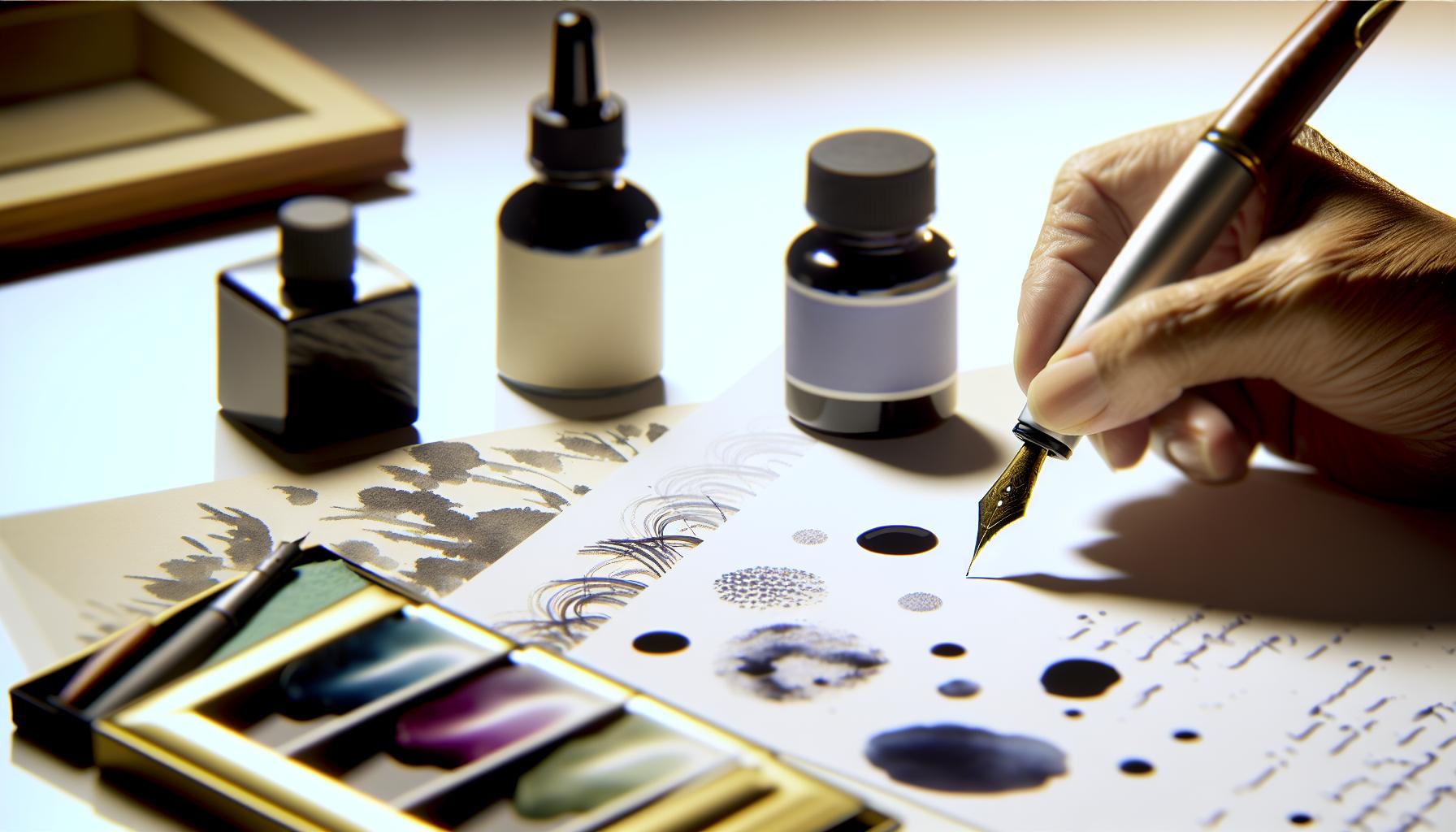
Customizing Your Bamboo Pen: Personalization Ideas
You can turn your bamboo pen into a unique expression of your personality. Personalizing your pen not only enhances its aesthetic appeal but also makes it more comfortable and enjoyable to use. Start with the basics. Wrap the handle with decorative tape, twine, or even fabric scraps that reflect your style. This simple addition adds grip and comfort while giving your pen a charming, customized look.
Another fun way to personalize your bamboo pen is through carving. If you feel a bit adventurous, use a carving knife to etch your initials, favorite patterns, or quotes into the bamboo. This technique adds a special touch and creates a truly one-of-a-kind tool. Just be sure to carve gently to maintain the pen’s structural integrity.
For a splash of color, consider using eco-friendly wood stains or natural dyes. A light stain can enhance the natural patterns of the bamboo, while brighter hues can make your pen pop. Test any color on a scrap piece first to ensure you love the hue.
Lastly, think about adding adornments. Small beads or charms tied at the end of the pen can give it a whimsical touch, and using leather or paracord to create a tassel can tie in beautifully with the bamboo. The goal is to craft a pen that feels personal and inspires your creativity every time you pick it up to write.
Maintaining Your Bamboo Calligraphy Pen for Longevity
To keep your bamboo calligraphy pen in top shape, it’s essential to establish a routine of care that not only prolongs its lifespan but also enhances your writing experience. Bamboo, while resilient, can be sensitive to moisture and prolonged use without proper attention. One of the most important practices is to regularly clean your pen. After each use, especially if you’ve been working with inks, wipe the nib with a soft cloth or paper towel to prevent ink from drying out and clogging the tip. If the nib becomes clogged, a gentle rinse with warm soapy water followed by a thorough drying ensures that it remains functional.
Storing your pen properly is equally important. Keep it in a cool, dry place, preferably in a protective case, which shields it from dust and potential damage. Avoid exposing it to extreme temperatures or humidity, as these conditions can warp or crack the bamboo. Additionally, consider using a small amount of natural oil, like mineral oil or linseed oil, occasionally on the bamboo body to maintain its sheen and protect against drying out. Just a light application goes a long way; wipe off any excess to prevent it from feeling slippery in your hand.
Bamboo can react to the types of ink you use, so always choose high-quality inks that are less likely to corrode or damage the nib. If you’re experimenting with different inks, make sure to test a small amount on paper to see how it flows and dries before filling your pen. You may also want to consider creating a small log of your favorite inks with notes on their performance to refer back to later.
Finally, be attentive to any wear and tear over time. If you notice the nib fraying or not producing clean lines, it might be time to reshape or replace it. Understanding these maintenance techniques not only assists in prolonging the life of your bamboo calligraphy pen but also helps you cultivate a deeper connection with your writing tool while enhancing your artistic endeavors.
Exploring Different Calligraphy Techniques with Bamboo
Bamboo isn’t just a sustainable option for creating calligraphy pens; it also opens up a world of unique techniques that can elevate your writing. Each bamboo pen brings its own character, which can influence your style and the way you approach calligraphy. From the nib’s shape to how you hold it, these details can transform your artistic expression.
To get started, consider exploring different styles such as italic, cursive, or modern brush lettering. Each technique requires a distinct approach: for italic lettering, use steady, diagonal strokes while maintaining an angle between your pen and the paper. Cursive, on the other hand, thrives on fluid motion; let your wrist guide the pen in graceful loops. Incorporating techniques like bounce lettering-where letters vary in height-can inject creativity into your work and is particularly forgiving for beginners.
Don’t forget to experiment with varying pressure on the nib. Bamboo pens typically respond well to pressure changes, allowing you to create beautiful thick and thin lines. This technique, often fundamental in calligraphy, helps bring a sense of dynamism and depth to your letters. As you practice, try mixing calligraphy with watercolor or ink washes. Logging how the ink behaves with your chosen colors can lead to stunning blends and backgrounds, further enhancing your art.
Moreover, community resources can be invaluable. Online platforms, local workshops, and even calligraphy groups often share innovative techniques or challenges that can spark new ideas. Joining these communities can provide you with inspiration and constructive criticism, allowing your skills to flourish. As you explore the vast potential of bamboo pens, remember that every stroke enriches your journey as an artist.
Benefits of Using Eco-Friendly Materials in Art
Using eco-friendly materials in art isn’t just a trend-it’s an essential step towards a sustainable future. When you craft your own calligraphy pen from bamboo, you’re not only choosing a natural resource; you’re embracing a philosophy that values environmental stewardship. Bamboo is one of the most eco-friendly materials available. It’s incredibly fast-growing, can be harvested sustainably, and absorbs more carbon dioxide than many trees. This means that each bamboo pen you create comes with a reduced carbon footprint compared to synthetic alternatives.
Artistic expression often comes with a hidden cost, particularly concerning waste and pollution. By opting for materials like bamboo, you’re minimizing the environmental impact associated with mass-produced art supplies. Bamboo pens are biodegradable, meaning that at the end of their life cycle, they won’t contribute to landfill waste. This aligns perfectly with a growing movement among artists to prioritize sustainability in their work, allowing you to create beautiful pieces without compromising your values.
Moreover, using eco-friendly materials can enrich your creative experience. There’s a unique satisfaction that comes from working with natural materials. Each bamboo pen has its own characteristics-some may have a slight bend or irregularities that add to its charm. These imperfections can inspire creativity and unique calligraphy styles that might not arise from uniform, factory-made products. Embracing this natural variance encourages you to experiment more, leading to artistic growth.
Finally, promoting eco-friendly practices can inspire those around you. When you share your bamboo pen creations, you’re not just showcasing your talent; you’re sparking conversations about sustainability in art. You might encourage others to explore similar paths, amplifying the movement towards greener practices in creative fields. By choosing bamboo for your calligraphy pens, you’re part of a broader shift that sees artists acting as stewards for the planet, making every stroke count.
Inspiring Calligraphy Projects to Try with Your Bamboo Pen
Crafting projects with your bamboo calligraphy pen opens up a world of creativity. Why not use your new eco-friendly tool to create personalized gifts or decor? One rewarding project is designing custom greeting cards. Try using your pen to write inspiring quotes or heartfelt messages on high-quality cardstock. Add decorative flourishes and stamps to enhance your designs. Not only do you showcase your calligraphy skills, but you also provide friends and family with unique, meaningful tokens.
Another exciting direction is to explore the art of lettering on canvas. Imagine painting a simple watercolor background and applying your calligraphy over it. This can create stunning wall art that adds character to your space. Use your bamboo pen for different calligraphy styles-from traditional scripts to modern lettering-to experiment with various effects. Don’t hesitate to mix colors or styles; your bamboo pen can handle it and give life to your artistic vision.
Consider creating a personalized calendar or journal. By applying your calligraphy skills, each month or journal entry becomes special. You can add calligraphic titles or motivational phrases, turning ordinary pages into inspirational art pieces. This project allows for customization, so tailor it to the recipient’s personality for a thoughtful touch.
Lastly, think about collaborative projects with friends. Organize a calligraphy party where everyone brings their bamboo pens and creates pieces together. This not only sharpens your skills but allows for sharing tips, techniques, and inspiration in a fun, social environment. The beauty of using bamboo pens goes beyond just writing-it embraces community and creativity. Embrace the possibilities, and let your bamboo calligraphy pen guide your artistic journey!
Troubleshooting Common Issues with Homemade Calligraphy Pens
Using homemade bamboo calligraphy pens can be an incredible experience, but just like any DIY project, you might run into some common issues along the way. Understanding these hurdles will empower you to troubleshoot effectively, ensuring a smooth and enjoyable calligraphy journey.
One of the most frequent problems is inconsistent ink flow. If your pen isn’t delivering ink properly, try soaking the nib in ink for a few minutes before use. Additionally, ensure that your nib is cut at the right angle for optimal flow. Sometimes, just a quick trim can create a more precise tip that holds and releases ink better. If your bamboo is too dry, it may also not absorb the ink well, so consider lightly sanding the nib to refresh it and allow for better ink absorption.
Another issue you might face is the nib drying out too quickly during use. This can be a real frustration, especially when you’re in the flow of creativity. To combat this, use a slower-drying ink that stays fluid longer on the nib. Sometimes, a little water mixed with your ink can maintain moisture without compromising the color’s intensity. Also, be sure to pause and re-dip your nib as needed to keep the ink flowing smoothly.
Lastly, don’t overlook the importance of maintaining the shape of your bamboo pen. If it becomes misshapen or too worn, it can affect your strokes. Always inspect your pen before use and store it upright when not in use. A simple thing like wrapping a rubber band around the nib can help maintain its shape. Regular maintenance, like cleaning the nib with water after use, prevents ink buildup that leads to blockages and ensures a longer lifespan for your pen.
Embrace these troubleshooting tips, and your bamboo calligraphy pen experience will only get better as you continue to explore and create. Remember, every artist faces challenges-but overcoming them is part of the journey!
Resources for Learning More About Calligraphy
If you’re diving into the world of calligraphy, the journey is just as important as the destination. Fortunately, there are a wealth of resources available to help you refine your skills and expand your knowledge. Getting the right tools is essential, but understanding how to use them effectively will set you apart as a pen artist.
Start by exploring various online platforms dedicated to the art of calligraphy. Websites like YouTube feature an abundance of video tutorials ranging from beginner techniques to advanced styles. Look for channels that focus on calligraphy with different tools, including bamboo pens. Not only will you get step-by-step visual guidance, but you’ll also see firsthand how different ink types and nib techniques impact your writing.
Books can also serve as a fantastic resource. Check out titles like “The Art of Calligraphy” or “Calligraphy Made Easy,” which provide in-depth discussions about techniques, styles, and the history of calligraphy. These texts often include practical exercises to practice with your bamboo pen, helping you build foundational skills and confidence in your work.
Additionally, consider joining online communities or local workshops to connect with fellow calligraphers. Platforms like Instagram are not only great for sharing your work but also for discovering new styles and techniques. Connect with artists who use bamboo pens and see how they approach their craft. You might find inspiration that leads to unique personalized styles.
Lastly, don’t overlook social media groups dedicated to calligraphy. Here, you can ask questions, share your progress, and even participate in challenges. Engaging with other artists can spark new ideas, provide solutions to common problems, and motivate you to keep practicing. The more you immerse yourself in this vibrant community, the more your skills will flourish.
Frequently asked questions
Q: How do I choose the right type of bamboo for my calligraphy pen?
A: Choosing the right bamboo type is crucial for your pen’s quality. Select thin, smooth bamboo like Moso or Tonkin. These varieties are sturdy yet flexible, providing a good grip and ensuring optimal ink flow. For more details on supplies, check the Supplies You’ll Need for Your Bamboo Pen DIY section.
Q: What tools do I need to make a bamboo calligraphy pen?
A: To craft a bamboo calligraphy pen, you’ll need a sharp knife, sandpaper, and a drill (optional for creating holes). Having scissors on hand can also aid in trimming. For a complete list, refer to the Supplies You’ll Need for Your Bamboo Pen DIY section.
Q: Can I use any ink with my bamboo calligraphy pen?
A: Yes, you can use various inks, but water-based inks or calligraphy ink are ideal for smooth flow and ease of cleanup. Oil-based inks can be too thick and may clog the nib. Explore Tips and Tricks for Achieving the Best Ink Flow for more insights.
Q: How can I customize my bamboo calligraphy pen?
A: You can personalize your bamboo pen by carving designs or painting it. Adding a sealant can enhance aesthetics and increase durability. For more personalization ideas, see the Customizing Your Bamboo Pen: Personalization Ideas section.
Q: What should I do if my bamboo pen isn’t writing smoothly?
A: If your bamboo pen struggles to write smoothly, check for clogs in the nib. Soaking the nib in warm water can help clear any dry ink. Ensure the nib is properly shaped and sharpened. For more troubleshooting tips, see the Troubleshooting Common Issues with Homemade Calligraphy Pens section.
Q: When is the best time to make a bamboo calligraphy pen?
A: The best time to make your bamboo calligraphy pen is during the dry season, ensuring bamboo is less prone to moisture. This helps in maintaining the integrity of the pen. For more details, refer to Maintaining Your Bamboo Calligraphy Pen for Longevity.
Q: Where can I find inspiration for calligraphy projects using my bamboo pen?
A: You can find inspiration for calligraphy projects by exploring various online art communities, social media platforms, or craft blogs. Our section Inspiring Calligraphy Projects to Try with Your Bamboo Pen also offers unique ideas to get you started.
Q: Why should I use eco-friendly materials for art, like bamboo?
A: Using eco-friendly materials like bamboo minimizes environmental impact and promotes sustainability. Bamboo is renewable, biodegradable, and offers excellent versatility for creative projects. Learn more in the Benefits of Using Eco-Friendly Materials in Art section.
Closing Remarks
Now that you know how to craft your own eco-friendly calligraphy pen from bamboo, it’s time to put your creativity to the test! This DIY project not only gives you a unique writing tool but also helps you embrace sustainability. Don’t miss out on exploring other eco-conscious crafts-check out our guides on making natural inks and creating handmade paper for a complete artisanal experience.
If you loved this project, I encourage you to subscribe to our newsletter for more tips, tricks, and inspiration straight to your inbox. Have questions or want to share your creations? Drop a comment below! Your feedback and ideas matter.
Remember, the art of calligraphy is just a pen away, so grab your bamboo and start creating. Let’s keep this creative journey going-and who knows what beautiful things we’ll craft next together!