
Have you ever thought about the magic of calligraphy? It’s not just beautiful writing; it’s an expression of creativity and emotion. Building your own calligraphy pen can enhance this art form, allowing you to craft a tool that feels just right in your hand. In this guide, we’ll walk you through the simple steps to construct your own personalized calligraphy pen. You’ll learn not only how to assemble the pen but also how to appreciate the finer nuances of its design, which can significantly elevate your writing experience. Imagine the satisfaction of creating something uniquely yours that transforms your ink into a piece of art! Let’s dive in and discover how you can build a tool that enhances your skills and brings your calligraphic visions to life.
Understanding Calligraphy Pens: What You Need to Know
Crafting your own calligraphy pen can be both rewarding and empowering. Understanding the intricacies of calligraphy pens is crucial to this process, as it allows you to tailor your writing instrument to your specific needs. Each type of calligraphy pen serves a unique purpose-whether you opt for nibs designed for precision or more flexible options for flowy scripts, your choice significantly influences the style of your writing.
Calligraphy pens come in several varieties, including dip pens and fountain pens, each with distinct advantages. Dip pens, typically preferred by calligraphers for their versatility, require you to frequently dip the nib into ink, providing a wide range of effects based on nib flexibility and ink viscosity. Fountain pens, on the other hand, are more convenient for prolonged writing sessions, as they utilize ink cartridges or converters to hold ink. Understanding these differences equips you to select the right pen based on your desired medium and style of calligraphy.
- Types of Nibs: Consider the thickness and shape of the nib based on the script you want to achieve. Broad nibs create bold lines, while fine nibs offer precision.
- Ink Selection: The type of ink can influence your work’s final appearance. Experimenting with various inks can lead to beautiful results, from classic black to vibrant colors.
- Ergonomics: The comfort of your grip is pivotal during long writing sessions. Choosing a pen that feels good in your hand can enhance your overall experience.
As you embark on this journey, remember that constructing your pen is just one part of mastering calligraphy. Continued practice with your tool will help you develop unique styles and techniques, transforming your DIY project into a true extension of your artistic expression.
Types of Calligraphy Pens: Choosing the Right One
Choosing the right calligraphy pen can dramatically elevate your writing experience. With the multitude of options available, understanding what each type brings to the table can help you make an informed decision that suits your style and needs. Whether you’re a beginner or looking to refine your skills, knowing the nuances between different pens empowers you to express your creativity more effectively.
When it comes to calligraphy pens, you’ll primarily encounter two main types: dip pens and fountain pens. Dip pens are highly favored among traditional calligraphers for their versatility. They consist of a nib and a holder, making them adaptable for various styles by simply swapping out nibs. This flexibility means you can choose different nib shapes and sizes to achieve everything from broad strokes to intricate details. However, keep in mind that you’ll need to dip them into ink frequently, which might not be the best option for long writing sessions.
In contrast, fountain pens offer convenience by utilizing a built-in ink reservoir, allowing for smooth, uninterrupted writing. They can be fitted with various nib styles, giving you the ability to experiment with different line weights and flow. Fountain pens are particularly great for script-heavy styles, making them suitable for beginner calligraphers who enjoy practicing longer passages without the hassle of constantly dipping in ink. Depending on your preference for ink flow and line variation, many fountain pens come with adjustable nib sizes that can enrich your writing experience.
Here’s a quick breakdown of factors to consider when selecting your pen:
- Nib shapes: Broad nibs for dramatic flourishes, fine nibs for detailed work.
- Ink compatibility: Make sure your pen works well with the type of ink you prefer, whether it’s waterproof, color-rich, or fast-drying.
- Comfort: Find a pen that feels right in your hand. A comfortable grip is vital for extended practice.
Ultimately, your choice of calligraphy pen should be guided by your personal writing style and the calligraphy techniques you want to explore. Don’t hesitate to try different options; sometimes, the best discoveries come from experimentation. The right pen can not only enhance your artwork but also inspire your journey into the beautiful world of calligraphy.
Essential Materials for Crafting Your Pen
Creating your own calligraphy pen can be a rewarding experience that not only enhances your craft but also allows for personalization in your writing tools. To get started, you’ll need a few essential materials, which are often simple and easily accessible. The core components for building a DIY calligraphy pen typically include a nib, a holder, and a suitable medium to attach them.
Materials You’ll Need
- Nib: This is the heart of your calligraphy pen. You can choose from a variety of nib types based on the style you want to achieve. It’s crucial to select a nib that suits your writing style-flexible nibs are great for flourishes, while stiffer nibs can provide consistent lines. Nibs can often be purchased online or at local art supply stores.
- Pen Holder: While you can buy ready-made holders, crafting your own adds a personal touch. Look for materials like wood, plastic, or even sturdy cardboard. The holder needs to be comfortable to grip and properly sized to fit your nib securely.
- Ink: Opt for high-quality calligraphy ink that flows easily and dries well. You may want to experiment with different types of ink to find what works best for your pen and desired effects. If you’re feeling adventurous, you can even create homemade ink using natural ingredients.
- Adhesive: If you’re constructing your holder or need to secure your nib, a strong adhesive is essential. Hot glue or super glue works well for affixing nibs to holders. Just ensure it aligns properly before it sets!
- Cutting Tools: A pair of scissors or a craft knife will come in handy for adjusting your holder or nib. If you’re working with wood or thicker materials, be careful and keep safety in mind.
- Optional Decor: Personalizing your pen with paint, washi tape, or fabric can make it uniquely yours. This step is purely optional but can make your pen feel special and enhance your writing experience.
Once you have these materials at hand, you’ll be amazed at how quickly you can assemble your own calligraphy tool! Crafting a pen not only saves costs but also gives you the chance to experiment with various designs and styles. Plus, there’s something incredibly satisfying about using a tool that you’ve made with your own hands.
Step-by-Step Guide to Building a Calligraphy Pen
Building your own calligraphy pen can be surprisingly straightforward and incredibly rewarding. Unlike store-bought options, a handmade pen offers a personal touch that enhances your writing experience. Here’s how to construct your very own calligraphy tool step by step.
Start by gathering all your materials. You’ll need a nib, which acts as the writing tip, and a pen holder that can be crafted or purchased. If you’re feeling adventurous, you can use a sturdy stick, a wooden dowel, or even repurpose the body of an old pen. Once you have your nib and holder, it’s time to insert the nib into the holder. Make sure it’s snug so it stays in place, yet not so tight that it can’t be removed for cleaning. You can use a strong adhesive like hot glue for a more permanent fixture, but if you’re planning to swap nibs often, try using friction fit.
Next, prepare your ink. High-quality calligraphy ink is crucial for smooth flow and clean lines. If you’re new to this, I recommend starting with black ink, as it works well on most surfaces. Dip your nib into the ink, allowing it to coat the tip without overloading. Once you start writing, use a gentle hand. Calligraphy thrives on pressure variations, so don’t press too hard unless you aim for a thicker line.
Finally, consider customizing your pen holder for added flair. A simple coat of paint, some decorative tape, or even carving can reflect your personality and inspire your creativity. Remember, the tactile experience of holding a pen you’ve made adds an incredibly satisfying layer to your writing practice.
So roll up your sleeves, gather those materials, and let your creativity flow! Not only will you enjoy the process, but you’ll also have a one-of-a-kind tool that will make your calligraphy even more special.
Techniques for Using Your DIY Calligraphy Pen
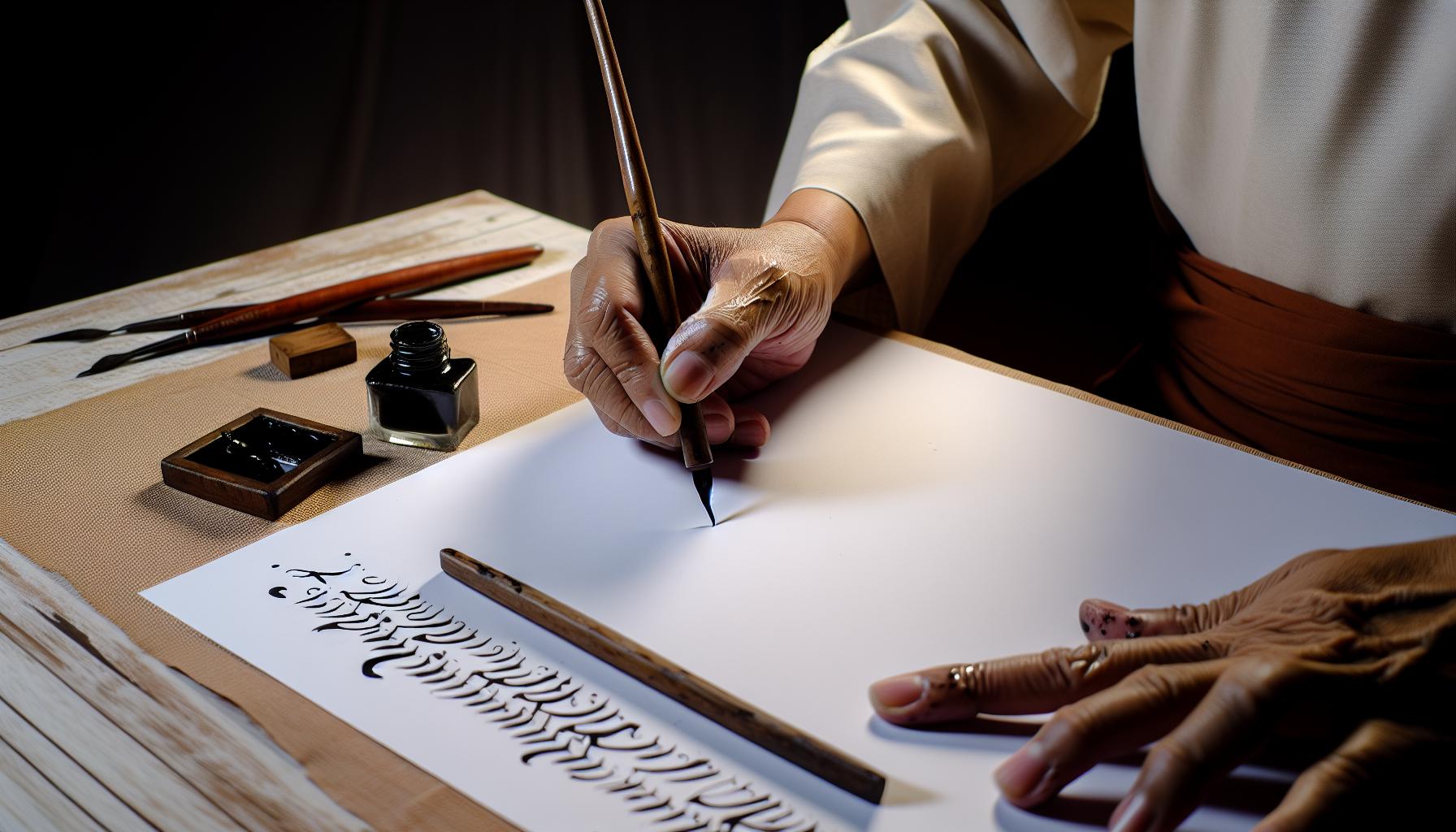
Getting comfortable with your DIY calligraphy pen is essential to unleashing your creativity. One of the most striking aspects of calligraphy is how the pen angle and pressure can dramatically change the look of your writing. Start by holding your pen at a consistent angle, typically between 30 and 45 degrees to the paper. This angle allows the nib to glide smoothly while making the most of your ink’s flow. As you write, experiment with pressure: press lightly for thin strokes and apply more pressure for thicker lines. This variation not only adds depth to your writing but also brings your letters to life.
It’s also beneficial to practice basic strokes before diving into actual lettering. Whether it’s curves, loops, or straight lines, mastering these elements gives you a strong foundation. Use a scrap piece of paper and try creating consistent upstrokes and downstrokes. Remember, calligraphy isn’t just about forming letters; it’s about rhythm and flow. You can even make a simple practice sheet focusing on different strokes and styles, giving you a quick reference to check your progress.
When it comes to ink, don’t overload your nib. A little can go a long way. Before starting your project, dip the nib merely enough to cover the tip and gently glide it across the paper to release any excess ink. This will help prevent smudging and ensure clean lines. After writing, always clean your nib thoroughly with warm water to avoid ink buildup, especially if you’ve used dark or metallic inks.
Lastly, don’t shy away from incorporating embellishments or experimenting with different pressure techniques. The beauty of a handmade pen is that it reflects your style. Try adding decorative borders, flourishes, or even varying your writing speed-quick strokes for a delicate touch or slow, deliberate movements for bold impact. Embrace the imperfections; they often add character and uniqueness to your work. With practice and personalization, your calligraphy will flourish, showcasing your artistry and skill.
How to Maintain and Care for Your Calligraphy Tool
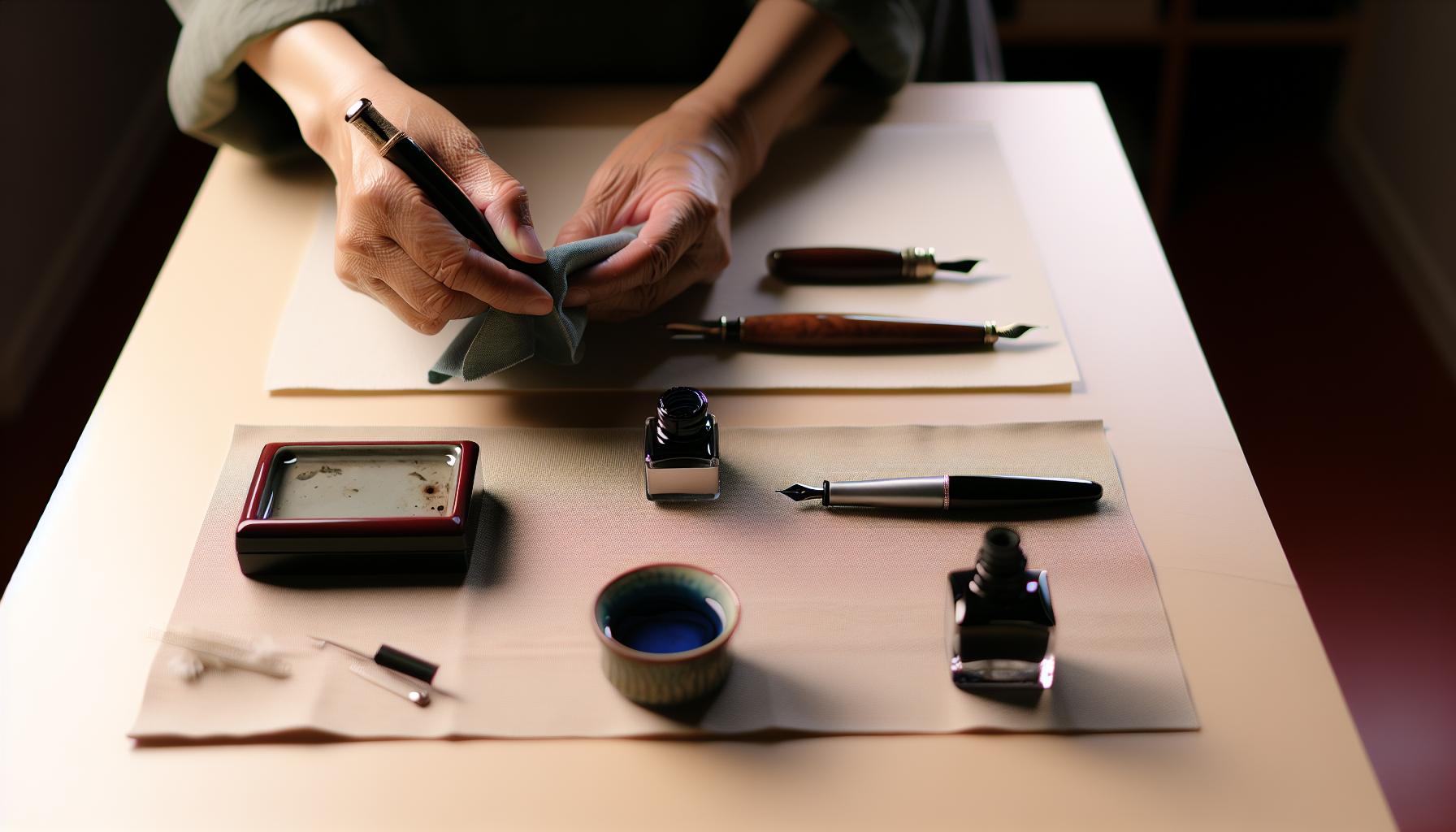
Keeping your calligraphy tools in top condition is essential for achieving smooth, beautiful lettering. A well-maintained pen not only enhances your writing experience but also prolongs the lifespan of your materials. Here’s how to care for your DIY calligraphy pen effectively.
First and foremost, always clean your nib after each use. Dried ink can clog the nib, disrupting ink flow and ruining your next writing session. To clean it, simply run warm water over the nib, using a soft cloth or an old toothbrush to gently scrub away any residue. If you’ve used particularly stubborn ink, consider soaking the nib in a mixture of water and a bit of dish soap. Be sure to rinse it thoroughly and let it dry completely before storing. This simple step will prevent buildup and keep the nib in great shape for future projects.
Next, be mindful of how you store your pen. Avoid leaving it lying around where it can get damaged or ink can leak. Instead, use a dedicated case or holder that protects the nib and ink reservoir. For pens with replaceable nibs, consider keeping extra nibs handy to swap out when the original becomes worn. This not only saves you time but also ensures that you always have the right tool for your lettering projects.
Lastly, always check the ink you’re using. Some inks can be more prone to clogging, especially metallic or pigmented types. If you notice your nib is frequently clogged, it might be worth experimenting with different brands to find one that works harmoniously with your pen. Remember, taking care of your calligraphy tools is an investment in your art-proper maintenance leads to better results and a more enjoyable writing experience.
Common Mistakes to Avoid in Pen Construction
When crafting your own calligraphy pen, avoiding common pitfalls is key to ensuring your satisfaction with the final product. Many beginners overlook simple design principles or materials that can lead to frustrating writing experiences. You want your pen to feel good in your hand, produce smooth lines, and be easy to clean. Pay attention to these points to sidestep mistakes that could hinder your calligraphy journey.
First, don’t skimp on nib selection. The nib is arguably the heart of your calligraphy pen, so choosing poorly can lead to subpar writing. Avoid overly cheap options, as they may be poorly manufactured and can cause inconsistent ink flow. Instead, invest in a good-quality nib that suits your style-whether that’s pointed for fine lines or broad for more dramatic strokes. A nib that feels comfortable and responsive can transform your entire writing experience.
Next, be mindful of your ink reservoir. One common error is not properly securing the ink or using the wrong type of material for the reservoir. A loose fit can lead to leakage, while the wrong material might not hold the ink properly. Make sure your ink reservoir is snug and crafted from a material that won’t absorb ink or cross-contaminate your colors. A well-designed reservoir allows for a steady ink flow, which is crucial for achieving those beautiful letter forms.
Assembly matters too. If your pen has multiple parts, ensure they fit together seamlessly. Misalignment during assembly can lead to an awkward angle while writing, making it difficult to control your strokes. It’s worth taking the time to double-check that everything is aligned correctly and tightly secured before putting your pen to paper.
Lastly, consider the overall weight and balance of your pen. A common mistake is using materials that make the pen too heavy or clumsy. You want something that feels good in your hand, so aim for a balance that allows for precise movements without fatigue. Experiment with different weight distributions and materials until you find the perfect setup that enhances your control and comfort.
Incorporating these tips will not only help you construct a well-functioning calligraphy pen but also make writing a joy rather than a chore. Remember, the goal is to create a tool that feels personal and inspires your creativity!
Exploring Unique Calligraphy Styles and Their Pens
Exploring unique calligraphy styles opens up a world of creativity, allowing you to personalize your writing experience like never before. From the elegant loops of Copperplate to the bold strokes of Gothic script, each style has its own set of requirements for the tools that bring it to life. When constructing your own calligraphy pen, understanding how different styles influence pen selection can significantly enhance your writing journey.
First, consider the nib. Different scripts require different nibs to achieve the desired effects. For instance, pointed nibs are ideal for styles like Copperplate or Italic, where fine lines and heavy downstrokes create a visually engaging contrast. In contrast, broader nibs work best for Gothic styles, which often demand thicker strokes for their dramatic flair. Knowing your preferred style will help you select the right nib, ensuring that your DIY pen can accommodate the specific nuances of your chosen script.
Next, think about the ink. The fluidity and pigmentation of the ink can drastically affect how well your pen performs for various styles. For instance, if you’re aiming for a softer, more delicate touch in your Flourishing or Modern calligraphy, you might want to opt for a lighter, more translucent ink. Conversely, if you’re working on designs that require strong, solid lines, like Blackletter, a thicker, more viscous ink might serve you better.
Another consideration is the pen body and grip. The weight and feel of the pen should complement your writing style. For styles that involve a lot of movement, like brush lettering, a lighter pen may reduce hand fatigue and allow for more fluid strokes. On the other hand, for intricate designs that require control, a pen with a bit more heft may provide the stability needed to maintain precision.
Lastly, don’t underestimate the importance of techniques specific to each style. Mastering a style involves not just the right materials but also practice. Once you’ve built your pen, spend time experimenting with your strokes to truly grasp the character of your chosen script.
By aligning your pen construction with the aesthetics and technical demands of unique calligraphy styles, you’ll not only create a personalized tool but also unlock the full potential of your artistic expression. Happy writing!
Enhancing Your Calligraphy Skills: Tips and Tricks
When it comes to enhancing your calligraphy skills, practicing consistently with your DIY pen is essential. It’s incredible how much your pen can affect your writing, and fine-tuning the way you use it can lead to remarkable improvements. Start by dedicating time each day to practice the fundamental strokes and letters of your chosen style. Remember, repetition is key in calligraphy; the more you work on those movements, the more natural they’ll become.
Focus on Posture and Grip
Adequate posture can significantly impact your writing. Sit up straight and position your paper at a slight angle to reduce strain. Your grip on the pen also matters-a relaxed hold allows for smoother strokes. Try holding the pen lightly and at a comfortable angle-this can reduce fatigue and help you maintain control.
Experiment with Pressure
Every calligraphy style thrives on the interplay of pressure and release. When using a flexible nib, experiment with varying pressure to create those beautiful thick and thin lines. This takes practice, so don’t be discouraged if it feels awkward at first. Try using a scale of pressure while writing letters to visualize the difference it makes in your strokes.
Utilize Practice Sheets
Use or create practice sheets specific to your style. These can serve as a guide for maintaining consistency in height, width, and spacing of your letters. Whether you print templates from online resources or create your own with grids, these sheets can help you maintain focus on forms and flourish your lettering over time.
Study and Replicate
Learning from others can be incredibly beneficial. Study the work of skilled calligraphers in your style. Try to replicate their work for practice. This not only helps you develop a keen eye for detail but also exposes you to techniques that you might find beneficial in your own writing.
By incorporating these tips into your routine, you’ll see noticeable improvements in your calligraphy skills. Keep that pen moving, embrace the process, and most importantly, enjoy the beauty of creating art with your own hands. Happy writing!
Where to Find Inspiration for Your Calligraphy Projects
Finding inspiration for your calligraphy projects can elevate your artistry and keep the creative juices flowing. It’s easy to fall into a rut, especially after crafting your own pen, when the possibilities seem endless but the ideas feel out of reach. Consider exploring various sources that can ignite your imagination and lead to fresh designs, styles, and applications.
Start with the natural world. Nature is a rich source of inspiration-a walk in the park can reveal shapes, patterns, and textures that translate beautifully into calligraphic works. Pay attention to the way branches twist, leaves turn, and flowers bloom. Use these organic forms to influence the curves and flourishes in your writing.
Another great approach is diving into art history. Study the techniques of classical calligraphers or different cultural writing styles. Look at everything from Gothic scripts in medieval manuscripts to elegant Asian calligraphy. Each tradition offers unique forms and philosophies that can enhance your understanding and versatility in your own projects.
If you’re looking for a more contemporary touch, explore social media platforms like Instagram, Pinterest, or even specialized calligraphy forums. These spaces are teeming with modern calligraphers showcasing their work, sharing tips, and even creating challenges that can spark new ideas. Participating in these communities often leads to collaboration and can guide you toward innovative techniques.
Lastly, don’t underestimate the power of daily life as a canvas for creativity. Everyday items-a crisp menu from your favorite café, the packaging of a gift, or even a handwritten letter-can serve as inspirations. Capture these moments by sketching or jotting ideas in a dedicated notebook. This practice not only helps keep your thoughts organized but also lays the groundwork for future calligraphy projects.
By tapping into these diverse sources, you’ll find that inspiration can appear in the most unexpected places, keeping your passion for calligraphy alive and vibrant. Keep creating and experimenting, and let your DIY pen take you on a journey of artistic discovery!
Showcasing Your Calligraphy: Display and Share Your Work
Showcasing your calligraphy is just as important as crafting it. Once you’ve created beautiful pieces with your DIY pen, you’ll want to find ways to display and share your artwork effectively. The right presentation can elevate your work from simple calligraphy to an inspiring piece of art that captures attention and admiration.
Start by considering how to present your calligraphy. Framing pieces not only protects them but also enhances their visual appeal. Opt for frames that complement your artwork’s style; for instance, a minimalist frame can allow intricate scripts to shine, while ornate frames might enhance the richness of more decorative writing. Additionally, consider rotating displays in your home or workspace. An easel can be a wonderful way to feature your latest creation on a desk or shelf, making it a dynamic part of your environment.
Next, leverage social media platforms to share your work beyond your immediate circle. Instagram and Pinterest are especially effective for visual art. Use hashtags relevant to calligraphy and your style to reach a broader audience. Engage with other calligraphers by commenting on their work and participating in challenges. This not only builds community but can also inspire collaborative projects or critiques, helping you improve your skills.
Lastly, think about creating a dedicated portfolio or blog to showcase your body of work. You can document your process of building your pen, sharing tips along the way, and narrating your artistic journey. This not only serves as a personal archive but can also attract fellow enthusiasts who appreciate your dedication and uniqueness. By combining thoughtful presentation and social engagement, you’ll be able to share your passion for calligraphy and connect with a wider audience.
FAQ
Q: What materials do I need to build a calligraphy pen?
A: To build your own calligraphy pen, you’ll need a pen body (which can be made from various materials like wood or plastic), a nib holder, calligraphy nibs, and some ink. Consider using a comfortable grip material for extended use. For detailed material suggestions, see the “Essential Materials for Crafting Your Pen” section.
Q: How do I choose the right nib for my homemade calligraphy pen?
A: Choosing the right nib depends on the style of calligraphy you want to achieve. For beginners, a medium or broad nib is a good start as it offers versatility. Check out the “Types of Calligraphy Pens” section for more insights on different nib types and their uses.
Q: Can I personalize my DIY calligraphy pen?
A: Absolutely! You can personalize your pen by painting or engraving the pen body, or by using decorative tape. Customizing the nib holder can also add a unique touch. For ideas on showcasing your unique designs, refer to the “Showcasing Your Calligraphy” section.
Q: What techniques should I use with my DIY calligraphy pen?
A: When using your DIY calligraphy pen, practice basic strokes to develop control. Use varying pressure to create thick and thin lines. Explore different styles like italic or cursive for variety. For tips, check the “Techniques for Using Your DIY Calligraphy Pen” section.
Q: How can I troubleshoot issues when using my calligraphy pen?
A: Common issues include skipping or uneven ink flow. Ensure the nib is properly installed and free from clogs. Sometimes, adjusting the nib angle can help. For more troubleshooting tips, see “Common Mistakes to Avoid in Pen Construction.”
Q: What type of ink is best for DIY calligraphy pens?
A: The best ink for DIY calligraphy pens is water-based or non-permanent ink, as they flow smoothly and dry quickly. Avoid using too thick ink, as it can clog the nib. For more details, check the “Essential Materials for Crafting Your Pen” section.
Q: Is it difficult to maintain my DIY calligraphy pen?
A: Maintaining your DIY calligraphy pen is simple! Regularly clean the nib with warm water to prevent ink buildup. Store it upright to avoid leaks. For comprehensive care tips, refer to the “How to Maintain and Care for Your Calligraphy Tool” section.
Q: Where can I find inspiration for my calligraphy designs?
A: You can find inspiration for your calligraphy designs online through social media platforms like Instagram or Pinterest. Additionally, looking at classic calligraphy books and participating in online forums can provide fresh ideas. For more inspiration sources, visit the “Where to Find Inspiration for Your Calligraphy Projects” section.
Final Thoughts
Now that you’ve learned how to build your own calligraphy pen, it’s time to unleash your creativity! Remember, a personalized tool can elevate your writing experience and allow you to express your unique style effectively. Don’t just stop here-dive deeper into the world of calligraphy by exploring our guide on “Choosing the Right Ink for Calligraphy” and get tips on “Basic Calligraphy Techniques” to enhance your skills further.
Feeling inspired? Share your pen creations in the comments below or connect with fellow enthusiasts in our community! And if you’d like to stay updated with the latest tips and resources, sign up for our newsletter. Your journey in calligraphy begins with a single stroke, so keep practicing, and make that pen your own masterpiece! Together, let’s elevate your calligraphy game!