

Washi tape can be an artist’s dream, adding color and personality to walls without permanent commitment. But does it really damage your paint or wallpaper when it’s time for a change? Many of us have experienced the anxiety that comes with removing sticky things from our walls, worried about peeling paint or unsightly residue. Understanding how to safely use and remove washi tape is essential, especially if you want to keep your living space looking fresh and flawless. In this article, we’ll dive into the truth about washi tape’s impact on walls and share practical tips for removing it without damage. You’ll discover methods that protect your surfaces and make redecorating a breeze. So, let’s untangle the myths and get to the facts about using washi tape safely on your walls!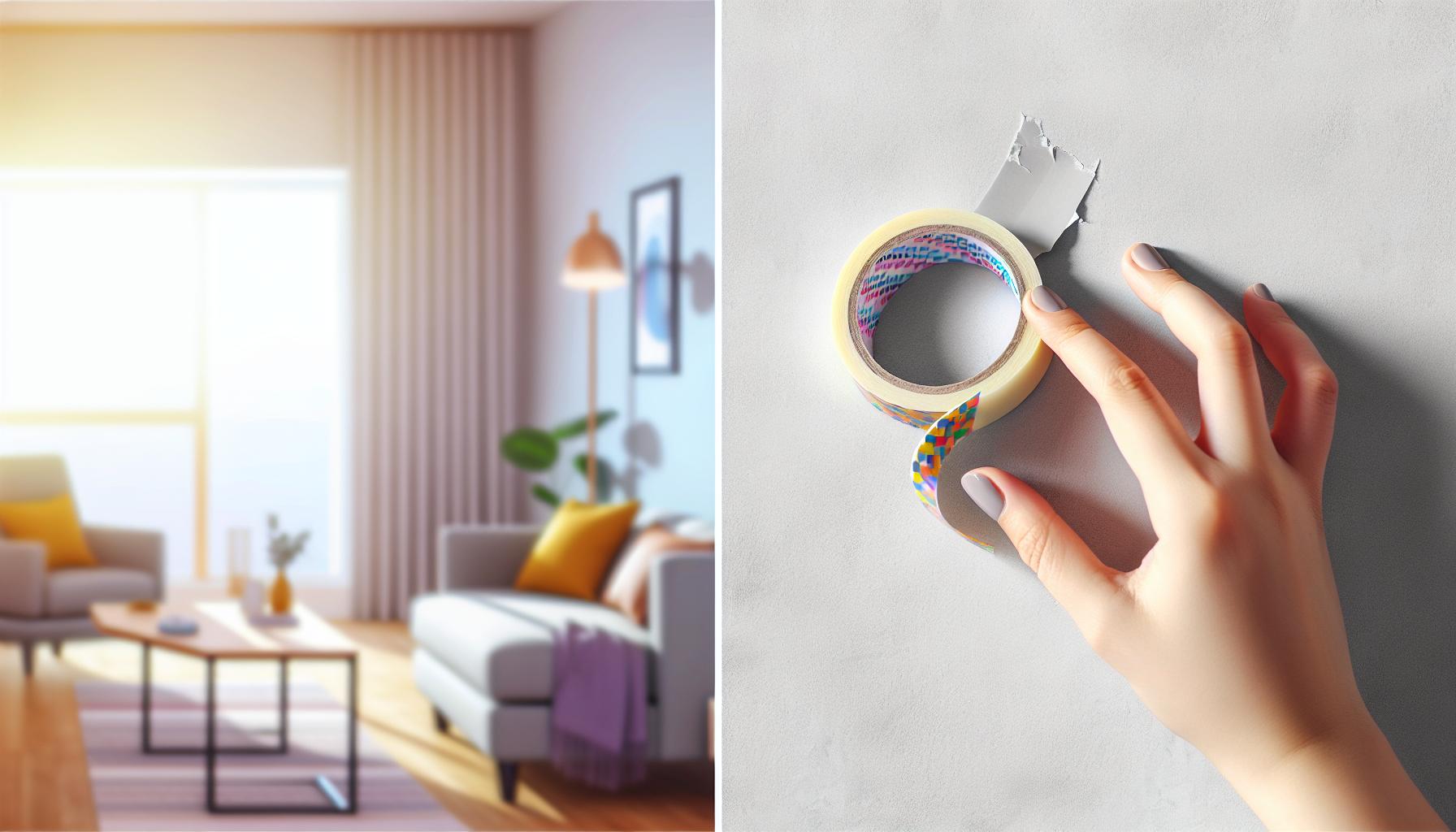
Does Washi Tape Leave Residue on Walls?
If you’re looking to add a touch of creativity to your walls without the worry of damage or messy residue, washi tape is a go-to choice. Many users find washi tape appealing because it typically doesn’t leave sticky residue behind after removal, a significant advantage over traditional adhesive tapes. This quality stems from its unique composition, which is designed to be gentle on surfaces, allowing for easy repositioning and removal. However, while most washi tapes are made to be residue-free, it’s essential to consider the surface they’re applied to and the duration they stay in place.
When washi tape is left on a painted wall for an extended period, there’s a slight chance it could leave some residue or even pull away paint when removed-especially if the paint is already brittle or not well adhered. Most manufacturers claim that their washi tapes are non-damaging and residue-free, but experiences can vary. It’s wise to test a small piece on a less visible area before fully committing to a design. If you’re dealing with a delicate surface or have concerns, applying the tape for shorter durations and removing it promptly can help mitigate any risk of residue buildup.
In instances where you do notice residue after pulling off the tape, techniques for removal are simple. A damp cloth or warm, soapy water often does the trick. More stubborn residue can usually be lifted with gentle rubbing using a small amount of adhesive remover or rubbing alcohol. The key takeaway is that while washi tape is generally safe and residue-free, taking a few precautions will ensure you maintain pristine walls without any unwanted surprises.
Understanding the Composition of Washi Tape
Washi tape is a remarkable craft material that combines creativity with functionality, making it a popular choice for various projects. At its core, washi tape is a thin, paper-like adhesive tape originating from Japan, blending traditional craftsmanship with modern aesthetics. Unlike standard sticky tapes that can leave behind unsightly residue, washi tape is generally designed to be gentle on surfaces, thanks to its unique composition.
Made primarily from natural fibers like rice or hemp, washi tape is not only biodegradable but also highly versatile. Its lightweight, porous nature allows for bright, intricate designs without compromising the integrity of the tape. This quality makes it ideal for applications on walls, crafts, scrapbooking, and more. When applied to a wall, washi tape adheres nicely without creating the destructive bond that stronger adhesives do, thus minimizing the risk of wall damage during removal.
However, while most washi tapes are marketed as residue-free, the truth lies in the chemistry of both the tape and the surface it adheres to. Paint quality and surface texture significantly influence how well the tape performs over time. Low-quality paint, or paint that hasn’t fully cured, can be more susceptible to damage upon tape removal. Therefore, always start by testing a small piece of tape on a hidden area. This precaution helps assess how your walls respond to the tape, ensuring your creative escapades remain problem-free.
In summary, understanding washi tape’s composition can empower you to use it effectively while avoiding damage. The inherent flexibility and low adhesive quality are what make washi tape a preferred choice for decorators and DIY enthusiasts alike. With the right approach and a bit of testing, you can enjoy the beauty of washi tape without the worry of residue or wall damage.
Why Is Washi Tape Popular for Home Decor?
Washi tape has emerged as a go-to choice for home decorators, and it’s easy to see why. This unique tape isn’t just designed for practical use; it doubles as a medium for creative expression. Its availability in a plethora of colors, patterns, and widths can transform mundane spaces into vibrant showcases of personality and style. Whether you’re revamping your kids’ room or sprucing up your own space, washi tape offers the flexibility to customize your decor without the commitment that paint or heavy decor entails.
One of the strongest appeals of washi tape lies in its gentle adhesive properties. Unlike standard tape, which can pull away paint or leave behind sticky residue, washi tape is designed to peel away cleanly, making it perfect for renters or those who frequently change their decor. You can easily adorn your walls, frames, or even furniture without the anxiety of damaging your surfaces. Add a touch of whimsy to your living room or create a stylish accent in your hallway-the possibilities are endless.
Here are a few reasons why washi tape stands out in home decor:
- Versatility: Use it on walls, in scrapbooks, or to dress up everyday items like notebooks and planters.
- Customizable: With countless designs, there’s a pattern for every theme or mood, allowing your decor to evolve with your tastes.
- Easy application: No need for tools or mess; just peel, stick, and remove to reposition as desired.
- Cost-effective: It offers a budget-friendly way to refresh your space without extensive renovations.
Washi tape’s lightweight nature also means it can be layered and combined creatively. Create stunning wall art by overlapping different tapes or use it to craft temporary designs, like seasonal decorations. It’s not only about sticking things up; it’s about making your space feel uniquely yours without the stress of a permanent commitment.
In essence, washi tape invites fun into home decorating. Its user-friendly nature allows anyone to unleash their inner designer, making it an increasingly popular choice for anyone looking to add a personal touch to their living space.
Myths vs. Facts: Washi Tape and Wall Damage
Washi tape often gets a bad rap when it comes to concerns about wall damage, but most of these fears are unfounded. Many people assume that any adhesive product will wreck their paint or plaster, but that’s far from the truth with washi tape. This tape is specifically designed to adhere lightly to surfaces, allowing it to be removed easily without leaving behind sticky residue or pulling up paint. In fact, its creators intended for it to be a non-damaging alternative to traditional tapes like masking tape or duct tape, which can sometimes cause those nightmare scenarios of torn walls or peeling paint.
Let’s clear up some myths: First, the idea that all tapes will harm your walls doesn’t hold when it comes to washi tape. As reported, it can last for a year or longer on a wall without inflicting damage, as long as the surface is in good condition and not subjected to significant movement [2]. Second, many users have found washi tape to be a wonderful option for temporary decor. It’s a favorite among renters who want to personalize their space without facing hefty charges for wall repairs when they move out. The combination of its aesthetic appeal and safety makes it a top choice for those wanting to keep their walls pristine.
However, it’s essential to manage expectations regarding surfaces. If your walls are freshly painted, waiting at least 30 days before applying washi tape is wise. Some paints can be softer than others, and applying washi tape too quickly may lead to unintended consequences. Always patch test a small area to ensure the wall can handle it well. When it comes down to it, with the right precautions, washi tape elevates your decor without the worry of damaging your walls. So, whether you’re creating a fun accent wall or simply adding some flair to your living space, embrace washi tape as your ally, not your enemy.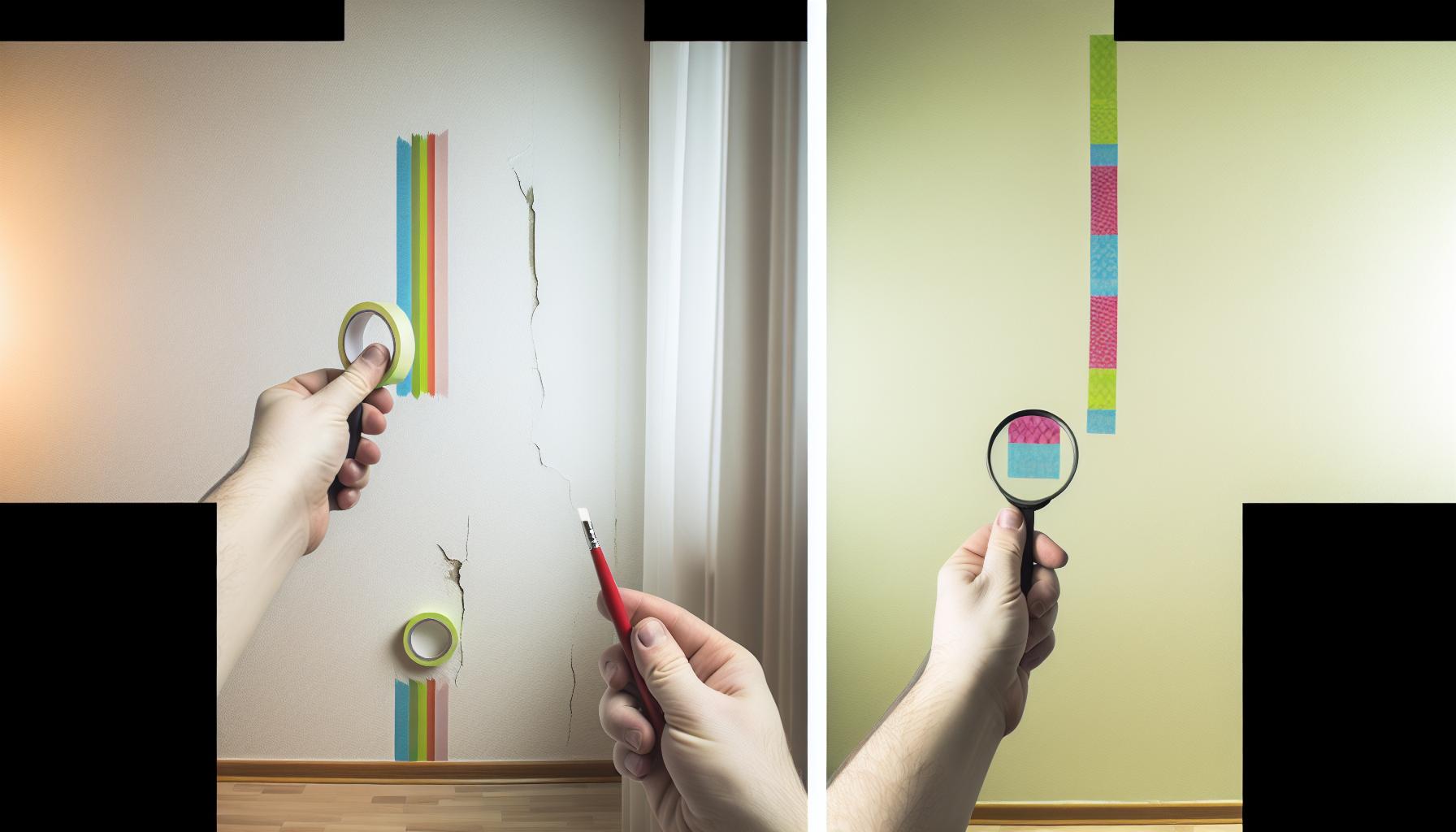
The Science Behind Safe Tape Removal
When it comes to removing washi tape, understanding the dynamics of its adhesive can save you from damage and frustration. Unlike traditional adhesives, washi tape is designed to adhere with a light touch. This means that, under normal conditions, it can be peeled off without leaving behind residue or pulling away paint. To ensure a smooth removal process, it’s crucial to approach it correctly.
First off, never yank or rip the tape off. Instead, gently peel it back at a 45-degree angle. This method not only minimizes the risk of tearing the tape but also helps maintain the integrity of your wall’s surface. If you encounter resistance, consider using a hairdryer on a low heat setting. The warmth can soften the adhesive, making the tape easier to remove. Just be cautious not to overheat the wall, as excessive heat may damage sensitive paint finishes.
If you’re dealing with any leftover adhesive after removal, avoid harsh chemicals that can harm your walls. Instead, a simple solution of warm water and mild soap can often do the trick. For stubborn residue, a cotton swab dipped in rubbing alcohol or a specialized adhesive remover can be effective. Always test any cleaning solution on a small, inconspicuous area first to ensure it won’t affect your wall’s finish.
Ultimately, proper techniques and a little patience will ensure your washi tape decoration comes down cleanly, leaving your walls unscathed and ready for the next fun project.
Best Practices for Applying Washi Tape
Using washi tape is a fantastic way to add flair to your walls without the long-term commitment that comes with nails and screws. To maximize your experience and ensure your walls remain damage-free, it’s essential to follow a few best practices. The right approach not only enhances your decor but also protects your paint and plaster.
First, make sure the wall surface is clean and dry before applying washi tape. Dust and moisture can reduce adhesion and lead to premature peeling. If you’re working with freshly painted walls, wait at least a week for the paint to cure completely. To apply the tape smoothly, use a ruler or straight edge as a guide. Lay the tape down gradually rather than all at once, which can help prevent bubbles and creases. Start with one side, pressing gently and smoothing as you go for a flush finish.
Also, keep in mind that not all washi tapes are created equal. Consider the width and pattern. Wider tapes provide more visual impact and stability, while thinner tapes can be layered for a more intricate design. For something more substantial, higher-quality washi tapes offer better adhesion and durability. Always test a small piece in an inconspicuous area to see how it adheres and removes, as variations in paint and wall texture can influence performance.
Lastly, think creatively! Combine different colors and patterns for dynamic designs, but keep in mind that balance is key. Overloading a wall with busy patterns can create visual clutter. Instead, choose a focal point and work around it, anchoring your design with larger pieces before filling in with detail.
By following these guidelines, you can enjoy the beauty of washi tape art in your home while maintaining the integrity of your walls. Happy decorating!
How to Remove Washi Tape Without Damage
Removing washi tape without causing damage is simpler than you might think. The key lies in patience and the right technique. First off, never rush or yank the tape off. This not only increases the risk of tearing the underlying paper or damaging the paint but can also leave behind sticky remnants that are frustrating to deal with.
Start by gently peeling back one corner of the tape. Hold the tape at a 45-degree angle to the wall and slowly pull it away. If it feels stuck, which can happen especially on painted surfaces, don’t panic. Warm up the tape slightly using a hairdryer on a low setting-this can soften the adhesive and make it much easier to remove. Always work slowly and steadily; the aim is to keep the tape intact and minimize any potential residue.
If some small bits of adhesive do remain after removal, don’t fret. Use a little bit of rubbing alcohol on a soft cloth to gently wipe the area. Test this method first on a less visible spot to ensure your wall can handle it without damage. And remember, for those particularly stubborn pieces, a small pair of tweezers can help maneuver around edges without risking rips in your wall.
In short, the removal process is straightforward with the right approach. Treat the tape gently, use a little warmth if needed, and ensure you have the right tools on hand. Your walls will thank you for it!
Alternatives to Washi Tape for Wall Decor
If you’re looking to add flair to your walls without the potential fuss of washi tape, several fantastic alternatives can achieve the same decorative impact while minimizing the risk of damage. Many of these options are easy to use and come in various colors and patterns to suit your style.
One standout alternative is painter’s tape. It’s designed to be easily removed without leaving residue, making it an excellent choice for clean lines and bold designs. If you’re planning a painting project, painter’s tape can help you create sharp edges while ensuring your walls stay intact, just like in professional paint jobs. Make sure to choose a low-tack variety if you’re working on delicate surfaces.
Masking tape also serves as a handy substitute, especially for temporary decorations. Though it’s slightly stickier than washi tape, it can still be removed without much hassle. Just like with washi, make sure to check if the paint is old or peeling, as this can affect how well the tape comes off.
For those who want an even sturdier option, consider double-sided tape. This tape is particularly useful for hanging lightweight decorations such as posters or prints. There are also special removable mounting squares designed for pictures that will hold them securely while allowing for easy removal.
Lastly, adhesive putty can work wonders for lightweight embellishments like photo frames or crafts. This malleable substance can be molded to the shape of your item and provides the flexibility to reposition without damage. It’s perfect for renters or anyone who’s often changing their decor.
In experimenting with these alternatives, always remember to brace yourself for variations in adhesion strength. As with washi tape, it’s wise to perform a patch test on a hidden wall area first to gauge how easily anything can be removed without damaging the underlying surface. Happy decorating!
Tested Methods for Repairing Wall Damage
If you’re worried about potential wall damage from washi tape-whether from sticky residue, peeling paint, or worse-you’re not alone. Fortunately, there are effective methods to address minor wall imperfections caused by tape, ensuring your decor efforts don’t leave lasting marks. Here’s what you can do to repair wall damage efficiently.
First, assess the extent of the damage. If the washi tape has pulled off some paint but hasn’t exposed the drywall, a touch-up with matching paint may suffice. Gather your materials: a small brush, the appropriate paint color, and a primer if the wall is particularly porous. For scuffs or scratches, try using a melamine sponge (like a Magic Eraser) to gently buff the area and restore its appearance without the need for paint.
For more significant damage-like areas where the paint has come off entirely or the wall surface feels rough-prepare to do a little more work. Sand down the affected area lightly to smooth it out before applying a primer. Then, use a small roller or brush to apply a fresh coat of paint. Be patient and let it dry fully between coats for a seamless finish.
Lastly, if you’ve encountered stubborn residue from the washi tape, a mixture of warm soapy water and a soft cloth can help gently lift it away. Avoid abrasive cleaners that could worsen the damage. Always remember to test any cleaning method on a less visible area first. With a bit of care and the right approach, you can keep your walls looking pristine even after using decorative tape.
Long-Term Effects of Using Washi Tape
While washi tape is a favorite for adding a splash of color and creativity to home decor, its long-term effects can vary based on how you use it. Many people wonder about the implications of leaving washi tape on their walls for extended periods. The truth is that while washi tape is generally safe and non-damaging, over time, it can manifest some concerns.
One of the most notable long-term effects to consider is residue. Although many brands of washi tape advertise residue-free removal, some might leave behind a sticky layer if left for too long, particularly in humid environments. This residue can attract dirt and dust, potentially dulling the painted surface of your wall. If you notice a slight residue, a simple mix of warm soapy water can help to gently clean it off without harming the paint underneath.
Another aspect to keep in mind is the potential fading of wall colors. If you place washi tape over specific areas of your walls for an extended duration, those sections might not receive the same sunlight exposure, leading to uneven color shading once the tape is removed. This is particularly relevant for darker walls or vibrant paint colors, which can alter in intensity due to prolonged coverage.
To mitigate these issues, it’s wise to periodically reassess your washi tape placements. Rotate your designs or remove tape sections every few months to refresh your decor and prevent any lasting marks. Remember, a little maintenance goes a long way in keeping your walls looking their best, alongside enjoying all the creative possibilities washi tape provides.
Customer Experiences: Washi Tape Success Stories
There’s something magical about the way washi tape can instantly transform a space. Many enthusiasts have shared inspiring experiences of using washi tape to elevate their home decor without leaving a trace of damage behind. For instance, one user recounted how they turned a bland, white wall into a captivating gallery by simply using colored washi tape. After a few months, they wanted to refresh the look. When they removed the tape, the walls were untouched, proving that washi tape can indeed be a safe option for renters and homeowners alike.
- Seasonal Decor Upgrades: Users are excited about reusing their washi tape for seasonal decorations. One homeowner reported creating festive borders around windows and doors during the holidays. When the season ended, the tape came off easily, leaving no residue and allowing them to return to their normal decor effortlessly.
- Crafting with Kids: Parents have found washi tape to be an excellent way to get children involved in decorating their rooms. One mom shared her daughter’s delight in using washi tape to frame artwork. Not only was it easy for her child to handle, but they also relished the satisfaction of switching designs whenever they wanted, without worrying about damage.
- DIY Projects: Many crafters have embraced washi tape as a design element in their DIY projects, from personalized notebooks to unique wall art. One craft enthusiast mentioned her success in using washi tape to create unique patterns on flower pots, which not only looked great but were simple to change out later, keeping her living space feeling fresh.
It’s clear that these personal stories highlight a common theme: washi tape offers a versatile, fun, and non-damaging way to express creativity in home decor. While some warnings about potential residue linger, the overwhelming majority of users find that when applied and removed properly, washi tape is a fantastic tool that enhances spaces without compromising the integrity of the walls. So go ahead and stick with it – your walls will thank you!
Expert Tips for a Damage-Free Experience
Using washi tape can be a game-changer in home decor, but to ensure a completely damage-free experience, following some expert guidelines is crucial. First, always start with a clean surface. Dust or grease on your walls can lead to the tape not adhering properly, which might cause it to peel or leave residue. Wipe the area with a mild cleaner or a damp cloth and let it dry thoroughly before applying your tape.
One effective technique for application is to press firmly as you apply the tape, smoothing it down to prevent air bubbles. If you’re working on painted walls, consider testing a small piece of tape on a less visible area first to gauge adhesion and removal ease. Different paint types can react differently with adhesives, so this step is key to avoiding unpleasant surprises later on.
When it’s time to remove the tape, do it slowly and carefully. Pull the tape back at a 45-degree angle rather than tearing it straight off. This gentle method reduces the chance of pulling off paint with it. For added safety, consider warming the tape slightly with a hairdryer before removal to loosen the adhesive, especially if it’s been on the wall for an extended period.
Lastly, always have your tools ready. If you notice any bits of residue left behind after removal, a little soapy water on a cloth or a residue remover specifically meant for decals can make cleanup easy. With these tips, you can confidently enjoy the creative freedom of washi tape without worrying about damaging your walls.
Faq
Q: Can washi tape be used on painted walls?
A: Yes, washi tape can be safely used on painted walls, especially if the paint is well-cured. It’s gentle on surfaces and generally won’t damage paint when removed correctly. For best results, check a small corner first to ensure adhesion and removal go smoothly.
Q: How long can washi tape stay on walls without causing damage?
A: Washi tape can typically stay on walls for a few weeks to a couple of months without causing damage. Extended periods may increase the likelihood of leaving residue or damaging paint during removal, especially in humid conditions.
Q: Is there a specific way to remove washi tape to avoid damage?
A: Yes, to avoid damage, always remove washi tape slowly and at a 45-degree angle. If it resists, use a hairdryer on a low setting to gently warm the tape before removal, which softens the adhesive and makes it easier to peel away.
Q: Can washi tape on walls cause issues with wall paint when removed?
A: Generally, washi tape does not cause issues with wall paint when removed properly. However, if the paint is old or not well-adhered, there is a slight risk of lifting paint. Always test in an inconspicuous area first.
Q: What should I do if washi tape leaves residue on my walls?
A: If washi tape leaves residue, you can often remove it by applying a small amount of rubbing alcohol or adhesive remover to a cloth and gently rubbing the area. Follow up with a clean damp cloth to ensure the wall is treated properly.
Q: Does washi tape affect the finish of wallpaper?
A: Washi tape is typically safe for wallpaper, but it’s wise to test a small section first. Some wallpapers may react differently based on their texture and the type of adhesive used, potentially causing damage upon removal.
Q: Are there particular wall types where washi tape is safer to use?
A: Yes, washi tape is safest on smooth, clean wall surfaces like eggshell or satin finishes. Textured or poorly finished walls might experience damage upon removal. Always assess your wall type before application.
Q: How does the type of wall material influence washi tape’s performance?
A: The type of wall material can affect how well washi tape adheres and removes. Smooth, painted surfaces yield the best results, while textured walls may cause pieces to tear or not adhere properly, leading to potential damage when removing the tape.
Wrapping Up
Now that you know the truth about whether washi tape damages walls, you can craft without worry! Remember, when removed carefully, washi tape leaves no residue, making it perfect for temporary decorating. If you’re eager to dive deeper, check out our guide on creative ways to use washi tape in DIY projects and how it can enhance your crafting game.
Feeling inspired? Don’t just stop here! Explore more about maximizing your decor with washi tape or learn how to create custom designs that really stand out. Share your thoughts or any tips in the comments below, and consider subscribing to our newsletter for more insights. Dive into the colorful world of washi tape and make your space uniquely yours today!