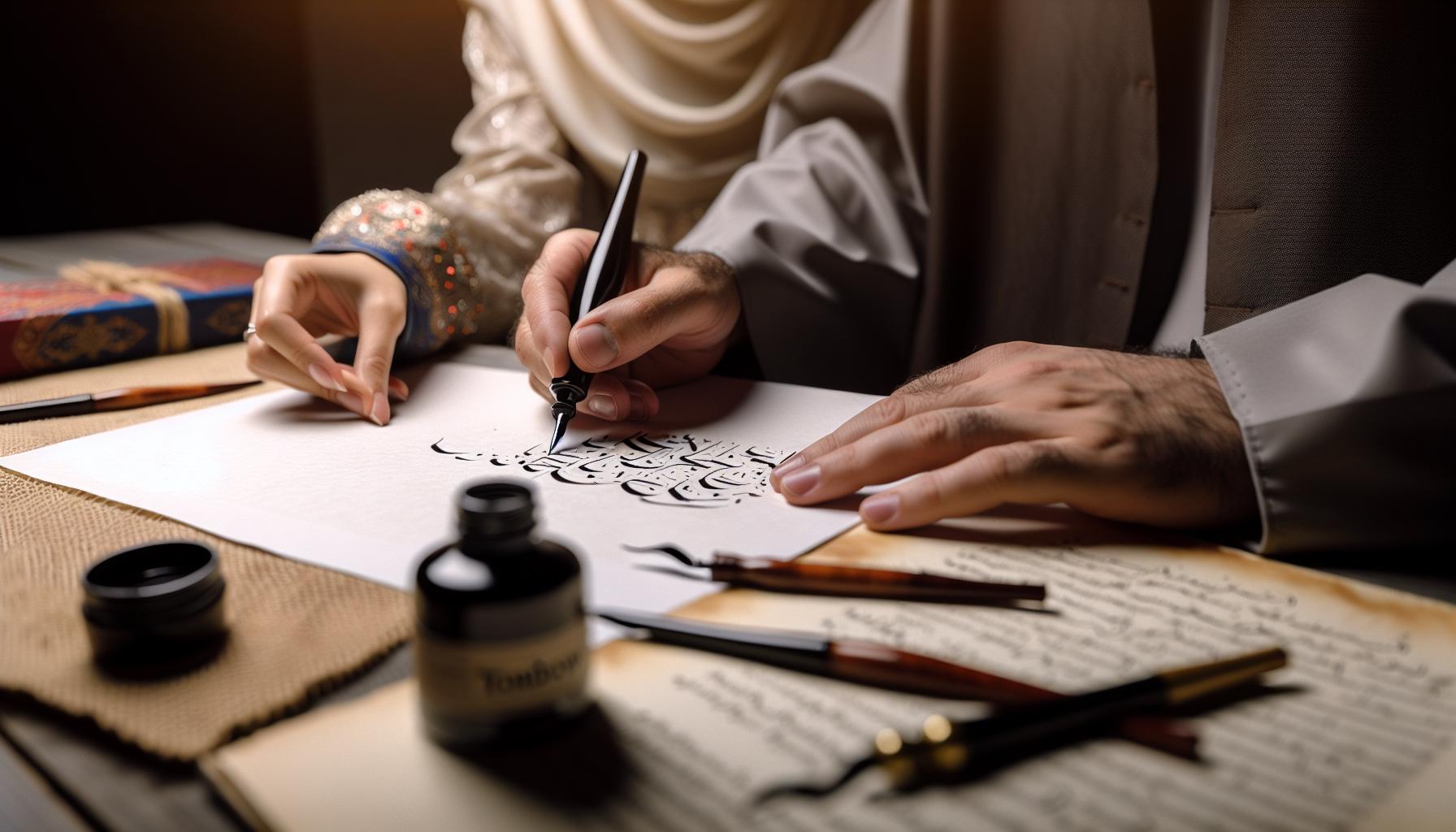
Did you know that mastering brush pen calligraphy can elevate your creativity and add a personal touch to your projects? Whether you’re looking to enhance your wedding invitations, create stunning wall art, or simply express your unique style, mastering the Tombow Calligraphy Pen is essential. In this guide, we’ll explore effective techniques to navigate thick and thin strokes, providing you with the skills to bring your lettering to life. This isn’t just about calligraphy; it’s about finding joy in the process. If you’ve ever felt overwhelmed or unsure where to start, don’t worry! We’ll break down the steps in a way that’s both easy and enjoyable. So grab your pen, and let’s dive into the world of premium brush pen mastery, where your creative journey begins!

How to Choose the Right Tombow Calligraphy Pen for You
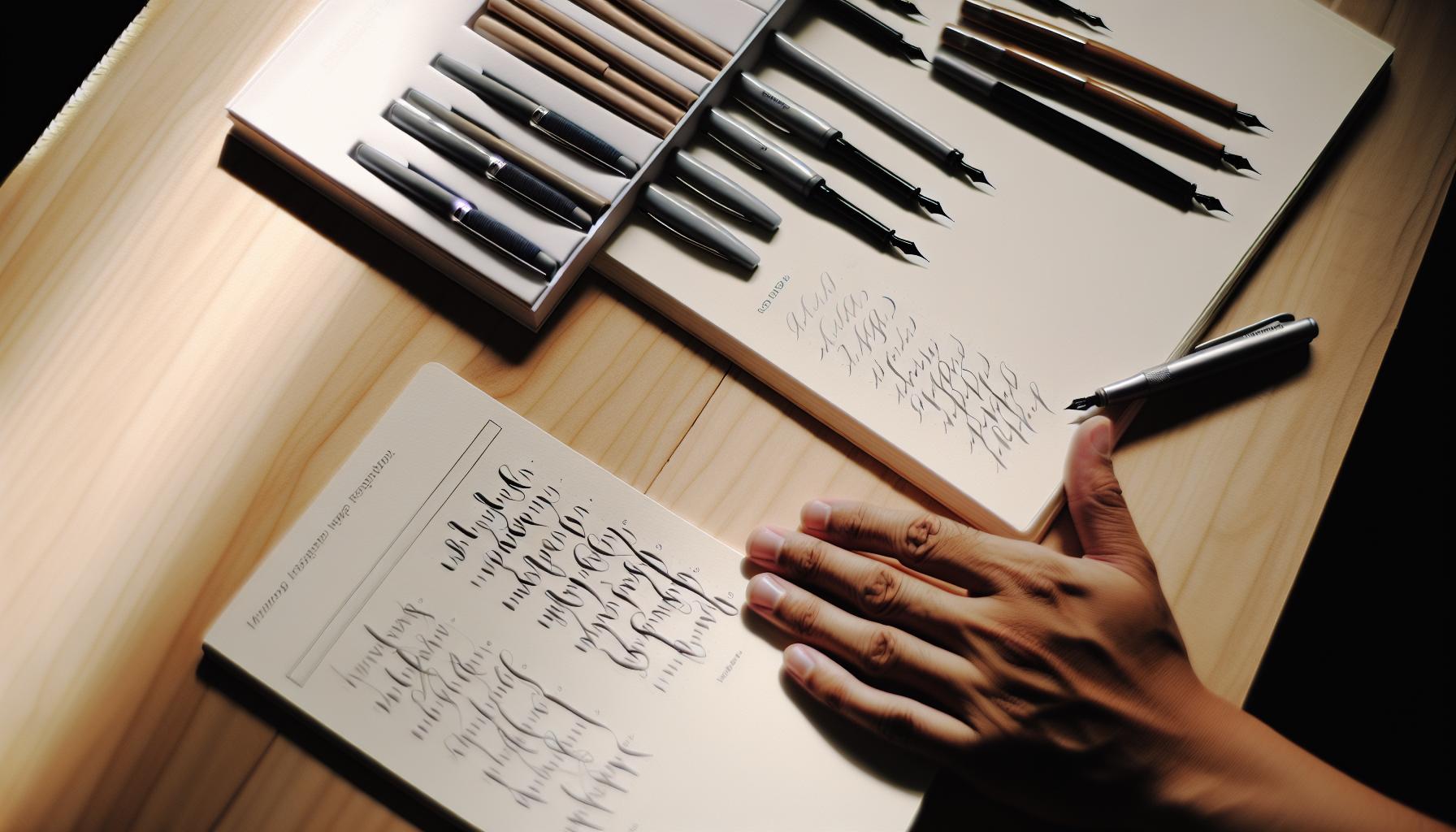
Choosing the right Tombow calligraphy pen can feel overwhelming, especially with so many options available. But it’s crucial to pick a pen that aligns with your skills and artistic goals. A great starting point is understanding the distinct features of Tombow’s offerings, like the popular Dual Brush Pens and the Fudenosuke Brush Pens. The Dual Brush Pens are versatile, with a soft, flexible brush tip ideal for thicker strokes, and a fine tip for detailed work. This dual functionality makes them perfect for creating decorative lettering and intricate designs.On the other hand, if you’re focused specifically on calligraphy, the Fudenosuke Brush Pen is a fantastic choice. Originally developed in Japan, this pen provides a firmer brush tip that allows for more precise control-great for mastering traditional calligraphy techniques. When selecting a pen, consider your experience level. Beginners might appreciate the forgiving nature of the Dual Brush Pens, while more experienced calligraphers may prefer the Fudenosuke for its precision.Additionally, factor in the ink type. Tombow’s water-based inks are fun to work with because they blend well and are easy to clean up. If you’re looking to incorporate vibrant colors, the Dual Brush Pens excel here, enabling color layering and blending techniques that can elevate your work. Ultimately, test a few different pens to see which feels the most comfortable in your hand and inspires your creativity. Trust your instincts-there’s no one-size-fits-all approach, and your choice should resonate with your personal style and needs.
Essential Techniques for Beginners: Getting Started with Brush Pen Calligraphy
Getting started with brush pen calligraphy can be an exhilarating journey, especially with tools like Tombow’s Dual Brush Pens at your disposal. These pens offer the versatility that makes the learning process enjoyable and accessible, which is particularly important for beginners. The key to mastering brush pen calligraphy is understanding how to control the pen, and this begins with your grip and the pressure you apply.Begin by holding the pen lightly, as if you’re writing with a traditional pen. Use your dominant hand’s natural flow to guide the pen across the paper. Practice varying your pressure: when you apply light pressure, you create fine lines, and when you press harder, you produce thicker strokes. This contrast is fundamental to brush pen calligraphy, as it defines your letters’ shapes and styles. To get accustomed to this technique, start with basic shapes, like loops and swirls, before moving on to alphabet letters.
Practice Makes Perfect
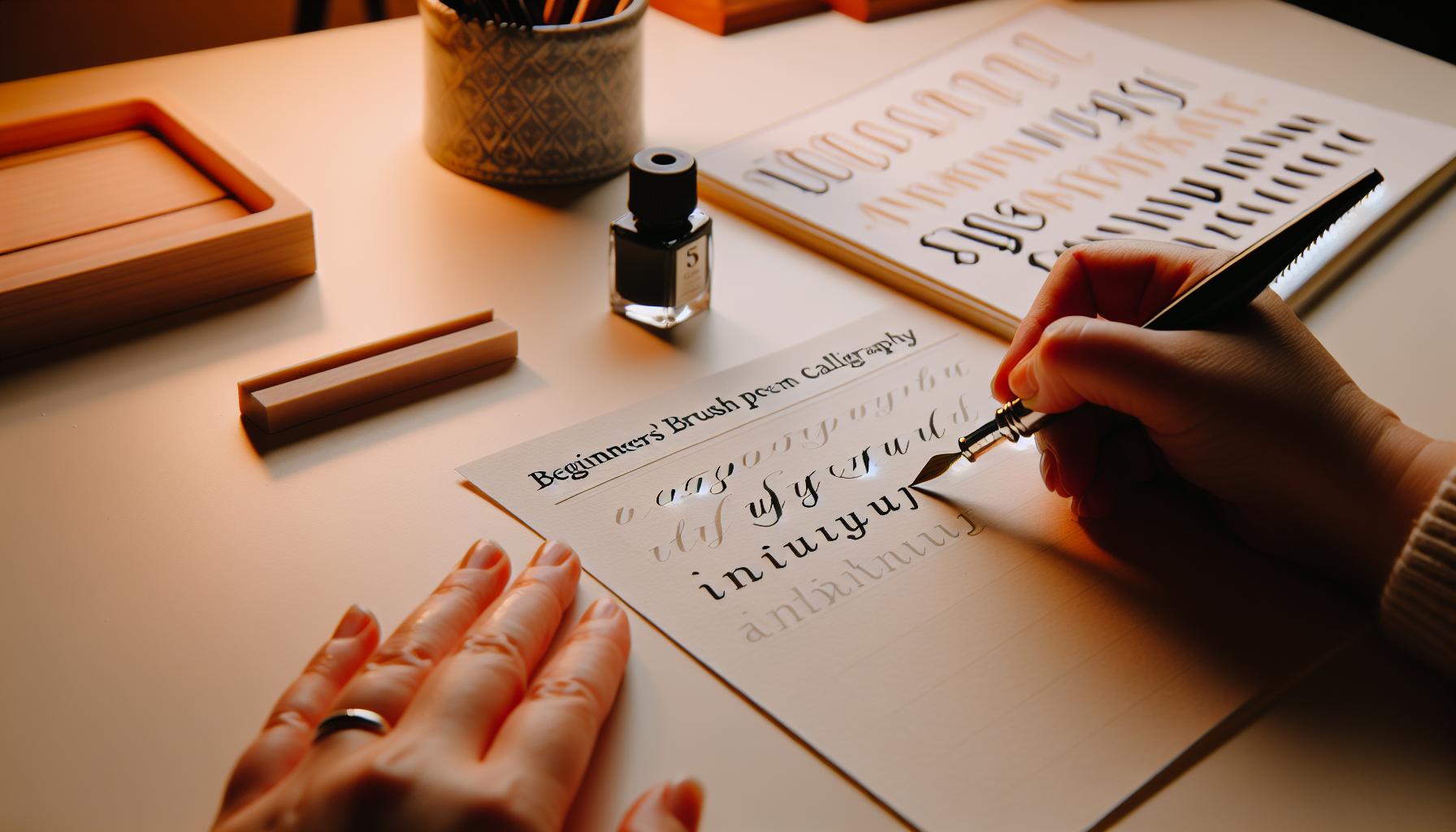
Developing your skills requires consistent practice. Set aside time daily for focused practice sessions, even if just for 15-20 minutes. Use lined paper or practice sheets specifically designed for brush pen calligraphy to help you maintain consistent height and spacing in your letters. You can create your own worksheets or find free templates online to guide you through the process.It’s also helpful to take inspiration from various styles to find what resonates with you. Don’t hesitate to use your favorite colors and apply them creatively. The blending capabilities of the Dual Brush Pens provide endless possibilities for unique color combinations that can make your calligraphy stand out.Remember, every beginner makes mistakes; it’s part of the learning process. Keep your practice lighthearted, and don’t be afraid to experiment. Over time, you’ll develop your personal style and gain the confidence to create stunning lettering pieces that reflect your artistic voice. The journey may be challenging, but with patience and practice, you’ll see remarkable progress.
Mastering Basic Strokes: Building a Strong Foundation
To truly excel in brush pen calligraphy, mastering basic strokes is essential. Think of these strokes as the building blocks of your lettering. Just like any artist needs to understand fundamental techniques, you too must get comfortable with the basics before diving into complex designs. With Tombow brush pens in hand, you’re equipped to create a range of effects that will elevate your work.Start by practicing simple strokes: upstrokes, downstrokes, and curves. Upstrokes are crafted with light pressure, giving you thin lines; downstrokes involve pressing down harder to create thicker lines. These contrasting pressures define the character of your letters and are crucial for the style of brush calligraphy. Aim to make your upstrokes as consistent and delicate as possible, transitioning smoothly into bold downstrokes. Bring your pen to the page at a slight angle; it helps maintain control and flow.
Key Strokes to Practice
Here’s a checklist of basic strokes that can help you build a strong foundation:
- Upstrokes: Lightly pull the pen upward.
- Downstrokes: Apply more pressure as you push the pen downward.
- Loops: Create rounded shapes by pulling the pen back up in a continuous motion.
- Corners: Make sharp changes in direction to practice control.
Keep your practice sessions focused. Spend just 10 to 15 minutes each day working on these strokes. Over time, you’ll notice improvements in your line quality and control. Use practice sheets to help with spacing and alignment, and don’t hesitate to make mistakes; they are crucial learning opportunities. The more you practice these basic strokes, the more naturally they will flow into your writing, allowing you to confidently tackle more complex letters and designs.Engage with these strokes, understand their nuances, and watch your calligraphy transform. As these foundational elements solidify, you’ll find your style developing organically, leading you toward more advanced techniques and delightful creations in no time.
Advanced Calligraphy Techniques to Elevate Your Skills
To elevate your brush pen calligraphy skills, dive into advanced techniques that can transform your lettering from basic to breathtaking. One effective method is to experiment with varying pressure and speed as you write. This not only enhances your stroke variety but also adds a dynamic quality to your letters. The Tombow Dual Brush Pens are fantastic for this; their flexible tips respond beautifully to pressure changes, allowing for delicate upstrokes and bold downstrokes in a single motion.
Layering for Depth
Layering your letters can create a more dimensional look. Start with a base letter using a light hand, and then retrace the downstrokes with more pressure or a different color. This technique emphasizes the contrast and depth, making your work truly pop. If you’re using Tombow’s Fudenosuke Brush Pen, you’ll find its soft tip perfect for gentle coloring in those initial layers.
Incorporating Styles
Moreover, try integrating various lettering styles within your projects. Combine modern calligraphy with traditional styles to create unique designs. For instance, pairing brush lettering with serif or sans-serif fonts can add an interesting contrast to your pieces. It’s all about finding the balance that suits your artistic voice.Practicing these advanced techniques regularly will not only boost your skill set but also inspire confidence in your artistic choices. Embrace mistakes along the way; they often lead to the most innovative discoveries in your calligraphy journey. Let your creativity flow and enjoy the process of refining your craft to achieve the stunning lettering styles you envision.
Creating Stunning Lettering Styles with Tombow Brush Pens
To create stunning lettering styles with Tombow brush pens, you need to embrace the versatility and flexibility these tools offer. Whether you’re just starting out or looking to refine your existing skills, understanding how to manipulate the brush tip and control your strokes can vastly enhance your lettering.Start by experimenting with pressure variations. The magic of Tombow’s brush pens lies in their ability to produce thick downstrokes and thin upstrokes effortlessly. Focus on your grip-hold the pen lightly to allow for fluid movements. As you write, apply more pressure during your downstrokes and ease off during your upstrokes. This contrast is what gives your letters that beautiful, calligraphic flair. Try writing the alphabet multiple times, varying the pressure to see how your letters transform.
Mixing Styles for Unique Results
Don’t hesitate to mix different lettering styles to develop your unique voice. For instance, combine playful brush lettering with traditional serif fonts for a striking contrast. You could create headers in bold, modern script while keeping the body text in a classic typeface. This method not only adds visual interest but also showcases your creativity.Another effective technique is layering. Once you have a base letter or word down, consider retracing it with a different color or applying pressure for a bolder look. This approach can create depth and richness in your work. Tombow brush pens have vibrant ink, making these layers pop against the page.Keep in mind that practice is essential. Work on different styles and techniques regularly to build your confidence. With Tombow brush pens at your fingertips, the sky’s the limit for your creativity. Make this exploration a part of your routine, and you’ll see your lettering evolve into stunning pieces of art that truly reflect your individuality.
Caring for Your Tombow Calligraphy Pen: Maintenance Tips
Taking care of your Tombow calligraphy pens is crucial for maintaining their performance and extending their lifespan. Here are some practical tips to keep your pens in prime condition, ensuring that they continue to produce stunning letterforms and vibrant strokes.First off,
always replace the cap after use. Neglecting this simple step can lead to drying out, which is one of the most common issues with brush pens. If you accidentally leave a pen uncapped for too long, don’t despair! Sometimes, you can revive it by gently rehydrating the tip with a little water or by scribbling on scrap paper until the ink flows again.Next, be mindful of how you store your pens.
Horizontal storage is ideal for Tombow brush pens. This positioning prevents the ink from pooling at one end of the pen, which helps maintain an even ink distribution. If you prefer to store them upright, make sure the tip is pointing up to avoid ink from saturating the nib and creating a mess.Cleaning your pens can also enhance their longevity. Occasionally, you might notice the brush tip starting to show signs of color buildup, especially if you often switch between hues. For minor clean-ups, simply wipe the brush tip with a damp cloth. If it requires deeper cleaning, gently run the tip under lukewarm water, avoiding vigorous rubbing, as this might damage the bristles.Lastly, be cautious about your choice of paper.
Using the right paper is essential not just for achieving great results but for caring for your pens. Paper that’s too rough can fray the tip, and overly absorbent papers can cause excessive ink absorption, leading to quicker wear. Experiment with different papers until you find the ones that pair well with your Tombow pens.By following these maintenance tips, you’ll ensure your Tombow brush pens remain a reliable and vibrant part of your calligraphy toolkit, allowing you to focus on what matters most-creating beautiful letters!
Incorporating Color: Blending Techniques for Vibrant Calligraphy
Color can transform your calligraphy from ordinary to extraordinary. Using Tombow brush pens for vibrant blending allows for an array of expressions, from soft gradients to bold contrasts. Let’s dive into some effective techniques for incorporating color into your calligraphy work.First, start with layering. Choose a couple of colors from the Tombow Dual Brush Pen set that complement each other. Begin by applying the lighter color as your base. Once that’s dried, introduce the darker shade by applying it on one side of the letters. Use the brush tip to blend the edges where the two colors meet. This technique creates a stunning gradient effect that gives depth to your scripts.Another powerful method is the “wet-on-wet” technique. Take a clean, damp brush-just damp, mind you, not soaking-and lightly brush it over your lettering while it’s still fresh. Then, apply a second color and watch the magic happen as it flows and blends into the wet words. This approach works wonders for creating dreamy, watercolor-like effects in your calligraphy.Don’t overlook the power of contrast! Using contrasting colors can make your lettering pop. For instance, pair dark inky shades with bright, vibrant colors or pastels. This not only enhances legibility but also adds an exciting visual element. Make sure to use colors that are directly opposite on the color wheel for the best effects. For example, deep purple can stand beautifully against pale yellow.Lastly, practice makes perfect. Take the time to experiment with different combinations and blending techniques on various types of paper. Each paper absorbs ink differently, affecting the blending effect you achieve. By honing your skills and testing out various colors, you’ll find your own unique style that resonates with your artistic voice and engages your audience.Using these blending techniques with your Tombow brush pens, you can create truly vibrant and captivating calligraphy that stands out and speaks to your viewers. Remember, the key is to enjoy the process and let your creativity flow freely!
Exploring Different Papers and Surfaces: What Works Best?
The surface you choose for your calligraphy can make all the difference in your final piece. Not all papers are created equal, and the right one can elevate your work from good to extraordinary. When using Tombow brush pens, texture, absorbency, and weight are crucial factors to consider. Let’s break down what works best.First up, smooth, coated papers are a fantastic choice for brush lettering. They allow for consistent ink flow, which is essential when you’re trying to achieve those luscious, fluid strokes. Think of papers like
Bristol board or
marker paper; they help prevent any bleeding and enable you to get crisp edges. When using Tombow Dual Brush Pens, you’ll find that pen glides effortlessly over these surfaces, giving you clean lines and enhancing the overall look of your lettering.In contrast, textured papers like watercolor or handmade papers can add unique character to your work, but they require a bit more finesse. The roughness of these papers can absorb ink differently, which may lead to a more muted effect. However, if you’re going for a softer, more organic look, this could be just the right choice. A tip here is to test a small area first. This way, you can see how the ink reacts and determine if it fits your desired aesthetic.Additionally, consider the weight of your paper. A heavier paper (around 200 g/m² or higher) will handle more ink without warping, which is important if you’re keen on using blending techniques or watercolor effects. In comparison, lighter papers may buckle under the pressure of multiple layers, so it’s essential to match the paper’s weight to your technique.Lastly, always remember to experiment. Many artists have a personal preference for what paper they enjoy working on most. Grab a few samples of different types and test them with your Tombow brush pens. This helps you understand how each surface influences your writing style and enables you to discover your ideal match. Happy lettering!
Common Mistakes to Avoid in Brush Pen Calligraphy
Getting started with brush pen calligraphy can feel daunting, but avoiding a few common pitfalls can make all the difference in your journey. One of the most significant mistakes beginners make is holding the pen incorrectly. Gripping it too tightly or at the wrong angle can stifle your creativity and lead to uneven strokes. Instead, hold the Tombow brush pen lightly and at an angle that feels comfortable-usually around 45 degrees. This allows for better control and a smoother flow of ink.Another common error is applying inconsistent pressure. Brush pen calligraphy relies on varying the pressure to create beautiful thick and thin strokes. If you press too hard or not hard enough, you’ll lose the characteristic look of brush lettering. Practice your upstrokes and downstrokes to get used to the pressure sensitivity of your pen. Try practicing basic strokes in isolation; this not only builds muscle memory but also improves your overall technique.You might also be tempted to rush through your projects, particularly if you see stunning calligraphy online. Patience is key. Take your time to form each letter, focusing on the flow and aesthetics rather than just finishing quickly. It’s in these deliberate movements that you’ll find your unique style developing. Remember, everyone progresses at their own pace, and it’s perfectly fine to take small steps.Finally, don’t forget to invest time in selecting the right materials. Using the wrong paper can lead to smudging or bleeding, especially with Tombow pens. Stick to smoother papers designed for markers or specific calligraphy paper to get the best results. Experiment with different options to see what works best for you.By being mindful of these mistakes and taking the time to practice properly, you’ll find yourself enjoying the rewarding process of brush pen calligraphy much more. Happy lettering!
Inspiration: Showcase of Calligraphy Projects You Can Try
There’s something magical about turning a simple pen stroke into a stunning piece of art. If you’re looking for inspiration to elevate your brush pen calligraphy skills, you’ve got a world of projects to explore. Here are a few creative ideas that can help you practice and showcase the versatility of your Tombow brushes.One project you might try is creating custom greeting cards. Hand-lettered cards add a personal touch that recipients will cherish. Experiment with different styles-script, block letters, or even a mix. Use vibrant Tombow colors to illustrate the card with seasonal themes, birthdays, or heartfelt messages. This not only allows you to play with blending techniques but also to practice laying out text visually.
Art Prints and Wall Decor
Transform your calligraphy into art! Use your brush pens to create beautiful wall art. Choose inspiring quotes or meaningful phrases and illustrate them with intricate designs. You can incorporate geometric shapes, floral elements, or watercolor techniques with your Tombow pens for added flair. Frame your completed artwork or simply hang it up to inspire others-and yourself!
Personalized Gifts
Have a friend’s birthday coming up? Why not create a personalized gift? Use your skills to write their name in an elegant style on items like mugs, tote bags, or even candles. You could also create a decorated notebook or planner, perfect for jotting down thoughts or sketches. Personalizing gifts not only showcases your calligraphy but also shows thoughtfulness and effort.
Calling Cards and Tags
Develop personal calling cards or gift tags. Use your brush pen to create custom designs that reflect your style. Simple designs with clever fonts can leave a lasting impression. This project is perfect for practicing lettering while brainstorming unique designs that can help you showcase your personal brand.Whatever project you choose, remember to enjoy the process. Each stroke you make with a Tombow brush pen is a step toward refining your skills and discovering your style. The beauty of calligraphy lies in its ability to turn everyday expressions into art, so don’t hesitate to let your creativity flourish!
Resources for Learning Calligraphy: Books, Videos, and Communities
Finding the right resources to refine your calligraphy skills can truly enhance your journey with Tombow brush pens. Whether you’re a beginner or looking to polish advanced techniques, there’s a wealth of materials out there. Books, online tutorials, and community groups can provide you with invaluable insights and motivation.Start with
books that focus on brush pen calligraphy. Titles like
The Art of Brush Lettering by Kelly Klapstein and
Hand Lettering 101 by Chalkfulloflove are fantastic for both beginners and experienced calligraphers. These books often include exercises and tips on using different tools, including various types of Tombow pens. For video learning, platforms like YouTube feature skilled calligraphers sharing tutorials and demonstrating essential techniques. Check out channels like “The Happy Ever Crafter” for clear, step-by-step guidance that complements your practice.Don’t underestimate the value of
communities focused on calligraphy and lettering. Online forums and social media groups-like those on Facebook or Instagram-are treasure troves of inspiration and advice. You can connect with fellow enthusiasts who share your passion, participate in challenges, and get feedback on your work. Consider joining communities dedicated to Tombow users, where you can share your projects, ask for tips, and discover new techniques.Lastly, leverage
workshops and classes available both online and in-person. Websites like Skillshare and Udemy offer a variety of structured learning options, often led by experienced instructors. Participating in these can provide personalized feedback, which is crucial for improvement. Plus, you’ll have the chance to interact with peers who are learning just like you.In summary, immerse yourself in the many resources available-books, videos, community support, and classes. They can help transform your journey from basic lettering to brush pen mastery, giving you both the skills and confidence to express your creativity with Tombow pens.
Ready to turn your passion for calligraphy into something more? Once you’ve honed your skills with your Tombow pens, sharing and selling your work can be an incredibly fulfilling next step. It’s not just about making money; it’s about connecting with others who appreciate the art form as much as you do.Start by showcasing your projects on social media. Platforms like Instagram and TikTok are fantastic for this. Create visually appealing posts featuring your lettering, and don’t shy away from sharing your process through time-lapse videos or live demonstrations. Use relevant hashtags to increase visibility, like #TombowCalligraphy or #BrushLettering, which help you reach potential customers and fellow hobbyists. Engaging with your audience through comments or DMs can build a loyal following.Consider setting up an online shop on platforms like Etsy or your own website. Here, you can sell prints, custom pieces, or even practice worksheets for those looking to learn. Create a cohesive brand for yourself; consistent colors, fonts, and styles across your shop and social media will make your work easily recognizable. To attract customers, offer promotions or limited-time deals-people love exclusivity!Don’t forget about local markets and fairs. They provide a great opportunity to interact with potential customers face-to-face. Bring samples of your work, business cards, and a friendly smile. People love to hear the story behind your art, so be prepared to share what inspires your calligraphy style. Lastly, keep evolving. As you grow and learn more advanced techniques, don’t hesitate to introduce new styles and products to keep your offerings fresh and exciting. Embrace the journey, connect with others, and watch your artistic endeavors bloom.
Faq
“`markdown
Q: How do I start using a Tombow calligraphy pen effectively?
A: To start using a Tombow calligraphy pen, hold it at a 45-degree angle and practice applying varying pressure to create thick and thin strokes. Familiarize yourself with basic strokes before attempting full letters. This foundational technique will set you up for beautiful lettering.
Q: What paper is best for Tombow brush pen calligraphy?
A: The best paper for Tombow brush pen calligraphy is smooth and highly absorbent, like marker paper or heavyweight sketchbooks. This minimizes bleed-through and helps you achieve clean lines. Experiment with different surfaces to find what works best for your style.
Q: How can I maintain my Tombow calligraphy pen?
A: To maintain your Tombow calligraphy pen, keep the cap on when not in use to prevent it from drying out. Clean the nib gently with water if it becomes clogged, and avoid pressing too hard on the tip to prolong its lifespan. Regular care ensures optimal performance.
Q: What are common errors to avoid when using a Tombow calligraphy pen?
A: Common errors include applying too much pressure, resulting in ink bleed, and neglecting to practice basic strokes. Additionally, rushing the process can lead to uneven lettering. Focus on slow, controlled movements for consistent results.
Q: Can I blend colors with Tombow brush pens?
A: Yes, blending colors with Tombow brush pens is easy! Use the “wet on wet” technique by applying water on your paper before layering colors or blending directly with a lighter pen. This creates beautiful gradients and adds depth to your calligraphy.
Q: What techniques can elevate my Tombow calligraphy skills?
A: To elevate your Tombow calligraphy skills, practice advanced techniques like adding embellishments, exploring floral designs, and incorporating different lettering styles. Engage with online courses or tutorials for inspiration and to learn new methods.
Q: How can I avoid smudging my calligraphy?
A: To avoid smudging your calligraphy, allow the ink to dry completely before handling the paper. Use a fixative spray for protection, and consider using a protective sheet underneath. Keeping your hand elevated while writing can also help prevent accidental smudging.
Q: Where can I find additional resources to improve my calligraphy?
A: Additional resources for improving your calligraphy can be found in instructional books, online courses, and calligraphy communities. Platforms like YouTube offer countless tutorials, while social media groups provide a supportive environment for sharing progress and tips.
“`
Insights and Conclusions
Now that you’ve mastered the Tombow calligraphy pen, it’s time to take your skills to the next level! Remember, practice makes perfect. Start creating those beautiful letterings that will wow your friends and family. If you loved this guide, check out our posts on enhancing your calligraphy with different styles and techniques, or explore our beginner’s guide to brush lettering for more insights. Don’t forget to drop a comment below about your favorite tip from this tutorial or share your progress with us!Ready to dive deeper? Sign up for our newsletter to receive exclusive tips and resources directly to your inbox, or visit our tools page to discover the best supplies to enhance your calligraphy journey. Each stroke you take is a step toward becoming a pro, so don’t hesitate-get started today!